
How to Choose the Perfect Art for Your Living Room: A Complete Guide
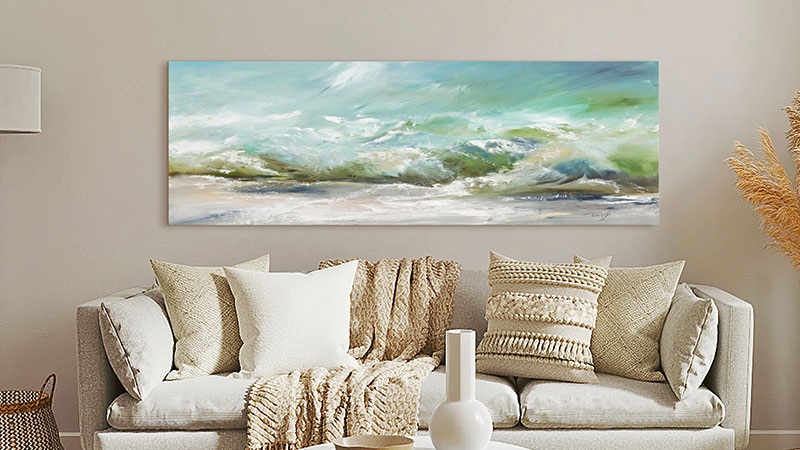
Decorating your living room with the right artwork can transform the space, adding personality, style, and warmth. Art has the power to set the mood, reflect your personal taste, and even become a conversation starter. However, choosing the perfect piece isn’t always easy. From size and color to style and placement, there are several factors to consider. This guide will walk you through everything you need to know to select the ideal artwork for your living room.
Consider the Style of Your Living Room
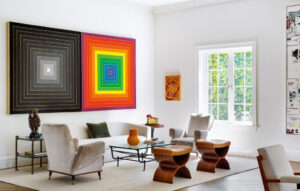
Before selecting art, take a step back and assess the overall style of your living room. Whether your space is modern, minimalist, traditional, bohemian, or industrial, the artwork you choose should complement the existing decor.
If your living room has a modern aesthetic, opt for sleek, contemporary pieces, such as abstract paintings, geometric prints, or black-and-white photography. Traditional spaces benefit from classic paintings, landscapes, or detailed portraits. A bohemian-style room allows for a mix of different art forms, from woven wall hangings to colorful paintings and eclectic gallery walls.
For an industrial or rustic space, artwork with raw textures, metallic elements, or vintage-inspired designs works well. If your living room follows a Scandinavian design, go for clean, minimalistic pieces with neutral tones and simple yet expressive subjects. Matching your artwork to the decor will help create a cohesive and balanced look.
Choose the Right Size
Size plays a crucial role in how artwork fits into your living room. A piece that is too small might get lost in the space, while an oversized artwork could overwhelm the room.
A general rule is that art should take up about two-thirds to three-fourths of the width of the furniture it is placed above. For example, if you’re hanging a painting above your sofa, it should be proportionate to the length of the couch.
If you prefer a large statement piece, choose something bold that dominates the wall, becoming the room’s focal point. If you enjoy the idea of a gallery wall, select multiple smaller pieces that work together in a visually appealing arrangement.
For a balanced look, make sure there’s adequate breathing space around the artwork so it doesn’t appear cluttered or forced into a tight area.
Pay Attention to Color
Color is another key factor in choosing artwork. The right color scheme can enhance your living room’s ambiance and unify the space.
One approach is to match the artwork’s colors to your existing decor. Pick pieces that incorporate hues found in your furniture, rugs, or accent pieces to create harmony. If you want the artwork to stand out, opt for a bold contrast. For example, in a neutral-toned room, a vibrant piece of art can add an exciting pop of color.
If you’re unsure, sticking to black-and-white or monochrome art ensures versatility while maintaining sophistication. Keep in mind that warm colors like red, orange, and yellow create energy, while cool colors like blue, green, and purple evoke a calming effect.
Consider the Mood and Emotion
Art is not just about aesthetics—it also sets the tone and atmosphere of a space. Different types of artwork evoke different emotions, so it’s important to choose pieces that align with how you want your living room to feel.
If you want a relaxing, peaceful environment, go for soft landscapes, serene abstracts, or nature-inspired artwork. For a more energized and dynamic atmosphere, opt for bold colors, geometric shapes, or urban-inspired pieces. If you’re looking for something personal, consider custom artwork, family portraits, or pieces that tell a story about your life and interests.
Ultimately, the best art for your living room should make you feel comfortable and happy whenever you enter the space.
Framing and Presentation Matter
Once you’ve chosen your artwork, don’t overlook how you present it. Framing can enhance the piece’s visual impact and protect it over time. The type of frame you choose should match both the artwork and your decor style.
For a classic and sophisticated look, go with elegant wood or gold frames. Minimalist and modern designs work well with sleek black, white, or metal frames. If you want an artistic, bohemian feel, consider floating frames, canvas prints, or even unframed art with raw edges.
Additionally, think about the height at which you hang your art. A common guideline is to place the center of the artwork at eye level, typically 57 to 60 inches from the floor. If placing art above furniture, leave about 6 to 12 inches of space between the artwork and the top of the furniture.
Mix and Match Different Types of Art
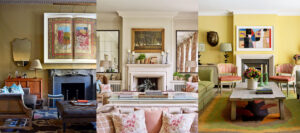
You don’t have to stick to just paintings or prints. Mixing different art forms can create a layered and dynamic look. Try incorporating:
- Photography – Black-and-white portraits, nature scenes, or architectural shots add elegance.
- Wall sculptures – Metal, wood, or ceramic pieces add texture.
- Tapestries or textile art – These bring warmth and a handcrafted feel.
- Handmade or custom pieces – Support local artists or commission artwork that holds personal significance.
A mix of different media adds interest and prevents your walls from looking one-dimensional.
Consider Your Budget
Art comes in all price ranges, from affordable prints to high-end original paintings. Decide on a budget before you start shopping.
If you’re on a tight budget, look for high-quality art prints or digital downloads that can be framed beautifully. Many emerging artists sell affordable pieces that look stunning when properly displayed.
If you’re looking for investment-worthy art, consider original paintings, limited edition prints, or sculptures from reputable galleries or online platforms. These may cost more, but they can add significant value to your space over time.
Don’t hesitate to check local art fairs, thrift stores, and second-hand shops—you might find a unique and beautiful piece at a fraction of the cost.
Experiment with Layouts

How you arrange your art is just as important as the pieces you choose. The right layout can enhance the room’s balance, draw attention to key areas, and create a visually pleasing flow.
A single statement piece works well above sofas, fireplaces, or large furniture, drawing the eye to a specific focal point. If you prefer multiple pieces, a symmetrical gallery wall—where frames are evenly spaced and aligned—creates a clean, organized look, often used in modern and minimalist spaces. For a more dynamic and playful effect, an asymmetrical collage works best, allowing for different sizes, styles, and frame types to mix effortlessly.
Another creative option is leaning artwork against the wall instead of hanging it. Placing large framed prints or paintings on a console table, mantelpiece, or floor adds a casual, relaxed feel to the space. Additionally, incorporating floating shelves allows you to rotate art pieces periodically, keeping the decor fresh. Before making final decisions, lay out your arrangement on the floor to visualize the composition and adjust the spacing for the best impact.
Trust Your Instincts
At the end of the day, art is deeply personal, and your living room should reflect your taste, personality, and emotions. Rather than focusing too much on trends or strict design rules, choose pieces that truly resonate with you. The artwork you select should evoke emotions, spark inspiration, or remind you of meaningful experiences. Whether it’s an abstract painting that brings a sense of calm or a vintage photograph that tells a personal story, these pieces will naturally create a warm, inviting atmosphere in your home.
If you’re unsure, start with artwork that connects with your passions—whether it’s nature, architecture, travel, or history. Handmade or custom pieces from local artists can add uniqueness and authenticity to your decor. Don’t be afraid to mix different art styles or combine modern and traditional elements for a look that feels curated and intentional. Most importantly, allow your space to evolve. Over time, you may discover new pieces that complement your collection, adding depth and personality to your living room.


