
Minimalist Lighting: How Soft and Strategic Illumination Transforms a Space
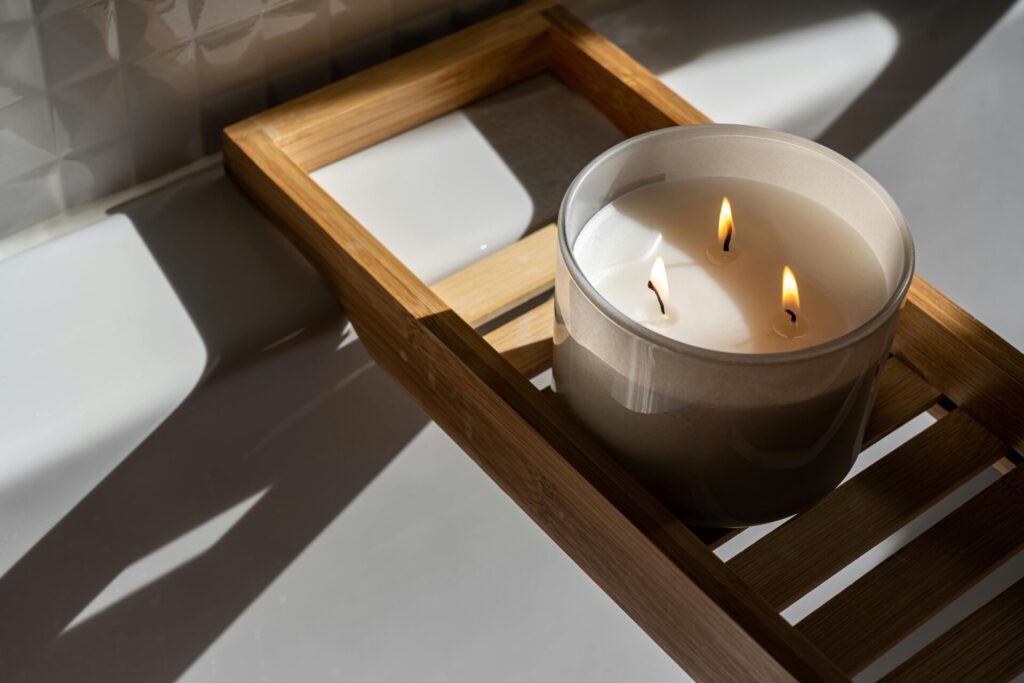
Lighting is one of the most critical yet often overlooked aspects of interior design. It dictates the mood, functionality, and aesthetic appeal of a space. While elaborate chandeliers and ornate fixtures once defined luxury, minimalist lighting has emerged as the go-to choice for contemporary homes, offering a refined approach that balances simplicity with impact. In a world that increasingly values uncluttered and thoughtful design, soft and strategic illumination can completely transform an environment, making it feel more spacious, serene, and inviting. The right lighting choices go beyond mere functionality; they shape experiences, highlight architectural features, and create depth in an otherwise straightforward room.
Minimalist lighting is not just about reducing the number of fixtures; it’s about using light intentionally to enhance a space in a subtle yet powerful way. By focusing on soft, ambient illumination and strategic placement, minimalist lighting transforms interiors into calming, functional, and visually appealing environments. It respects the natural rhythm of light, integrates seamlessly into architecture, and promotes well-being through thoughtful design.
The Philosophy Behind Minimalist Lighting
Minimalist lighting follows the same principles as minimalist design: simplicity, intentionality, and functionality. The goal is not to eliminate light sources but to use them in a way that enhances the space without overpowering it. By embracing clean lines, neutral tones, and strategic placement, minimalist lighting prioritizes an atmosphere that feels organic and harmonious rather than excessive or intrusive.
One of the key principles of minimalist lighting is subtlety. Instead of using large, extravagant fixtures, the focus is on integrating lighting seamlessly into the architecture. This can mean recessed lighting, indirect illumination, or the use of dimmable LED strips that blend into walls, ceilings, or furniture. Such an approach allows light to become part of the room’s design rather than serving as a distinct, attention-grabbing element.
Natural light also plays a fundamental role in minimalist lighting. The idea is to complement and amplify daylight rather than compete with it. Large windows, sheer curtains, and reflective surfaces all contribute to an open and airy feel, reducing the need for artificial lighting during the day. When artificial lighting is necessary, the preference is for warm, diffused light that mimics the softness of natural light, creating a calming and cohesive environment. By integrating lighting with natural light sources, minimalist designs create an effortless transition between day and night, allowing spaces to feel dynamic and fluid rather than static and artificially illuminated.
Minimalist lighting often incorporates hidden or recessed lighting solutions to create an effect that is soft and inviting rather than harsh and overpowering. The focus remains on creating a sense of space rather than distracting from it. Track lighting, LED strip lighting, and wall-mounted fixtures designed to blend into the surroundings are all hallmarks of minimalist illumination.
Soft Lighting: Creating a Warm and Inviting Atmosphere
Soft lighting is an essential component of minimalist design because it helps cultivate a relaxed and welcoming ambiance. Harsh, direct lighting can feel overwhelming, casting sharp shadows and creating a clinical atmosphere. Instead, soft illumination gently diffuses light throughout the room, providing a balanced glow that enhances the space without creating stark contrasts.
One of the most effective ways to achieve soft lighting is through indirect lighting techniques. This can include cove lighting, where LED strips are hidden behind architectural elements such as ceiling recesses or under floating shelves, creating a gentle wash of light across surfaces. Wall sconces with frosted glass shades or pendant lights with fabric diffusers can also help distribute light evenly, preventing glare and enhancing comfort.
Another strategy for soft lighting is layering different light sources. Instead of relying on a single overhead fixture, minimalist lighting often combines floor lamps, table lamps, and recessed lighting to achieve a multidimensional effect. This technique not only enhances visual comfort but also adds depth and interest to a space. For instance, placing a warm-toned lamp in a corner can create a cozy reading nook, while under-cabinet lighting in a kitchen ensures both functionality and ambiance.
Color temperature plays a crucial role in soft lighting as well. Warm white (2700K-3000K) bulbs are ideal for living areas and bedrooms because they create a soothing and intimate atmosphere. Cooler temperatures (3500K-4000K) may be used in workspaces or kitchens where clarity is essential, but they should still be chosen carefully to maintain harmony within a minimalist design.
Dimming options further enhance soft lighting, allowing users to adjust brightness levels depending on the time of day and their desired ambiance. Smart lighting systems with programmable settings can automate these adjustments, ensuring that a space remains inviting and comfortable throughout different activities and moods.
Strategic Illumination: Enhancing Functionality and Aesthetic Appeal
While soft lighting contributes to ambiance, strategic illumination ensures that lighting serves both functional and aesthetic purposes. Minimalist lighting design is not just about reducing the number of fixtures—it’s about placing them intelligently to enhance usability and visual balance within a space. Every light source should have a purpose, whether it’s highlighting an architectural feature, defining a specific area, or improving visibility for daily activities.
Task lighting is a key element of strategic illumination. Unlike ambient lighting, which provides general illumination, task lighting is designed for specific activities like reading, cooking, or working. In minimalist spaces, this often means discreet yet effective solutions, such as pendant lights over a kitchen island, an adjustable wall-mounted reading lamp by the bed, or a sleek desk lamp in a home office. The idea is to eliminate unnecessary distractions while ensuring that the lighting fully supports the function of the space.
Another critical aspect of strategic illumination is accent lighting, which is used to highlight particular design elements. This could be illuminating a textured wall, drawing attention to a piece of artwork, or emphasizing a sculptural element in the room. By directing light to specific areas, accent lighting helps create focal points and adds a layer of sophistication to minimalist interiors.
Dimmability is another crucial feature in strategic lighting design. The ability to adjust brightness levels allows users to transition from bright, functional lighting to soft, ambient illumination, depending on the time of day and mood. Smart lighting systems, which can be controlled via mobile apps or voice commands, are becoming increasingly popular in minimalist homes, providing seamless adaptability while maintaining an uncluttered aesthetic.
Conclusion
Minimalist lighting is about more than just reducing the number of fixtures; it’s about using light intentionally to enhance a space in a subtle yet powerful way. By focusing on soft, ambient illumination and strategic placement, minimalist lighting transforms interiors into calming, functional, and visually appealing environments.
As modern homes continue to embrace the principles of minimalism, lighting remains one of the most influential tools in shaping ambiance and experience. Whether through indirect cove lighting, strategically placed task lights, or adjustable dimmers, the art of minimalist lighting lies in its ability to be both understated and transformative.
Moreover, the psychological and emotional benefits of minimalist lighting cannot be overstated. Proper lighting reduces stress, enhances productivity, and improves overall well-being. By integrating smart lighting systems, homeowners can create adaptable environments that cater to different moods and activities throughout the day. Ultimately, minimalist lighting is an investment not just in aesthetics but in quality of life, allowing spaces to remain both visually stunning and deeply functional for years to come.
Beyond its functional advantages, minimalist lighting also plays a vital role in sustainable design. With the rise of energy-efficient LED bulbs and automated lighting systems, homeowners can significantly reduce energy consumption while maintaining an elegant and comfortable living space. This approach not only benefits the environment but also results in lower electricity bills and a reduced carbon footprint, making it an appealing choice for eco-conscious individuals.
Furthermore, minimalist lighting fosters creativity in design. By using fewer yet more impactful lighting elements, designers and homeowners are encouraged to think critically about how light interacts with different surfaces and materials. The contrast between light and shadow, the way illumination highlights textures, and the subtle interplay of color temperature all contribute to a more refined and immersive experience. Minimalist lighting proves that simplicity does not equate to dullness—it is, in fact, a canvas for expressing elegance and sophistication.
Another noteworthy aspect of minimalist lighting is its adaptability to various lifestyles. Whether in a bustling family home, a serene retreat, or a high-energy workspace, the principles of soft and strategic illumination can be tailored to fit different needs. The ability to adjust brightness, shift color temperatures, and even sync lighting with natural circadian rhythms ensures that spaces remain comfortable and functional regardless of the time of day or activity.
In the end, minimalist lighting is a philosophy that goes beyond design—it is about cultivating an environment that enhances everyday life. A well-lit space does not have to be filled with ornate fixtures; rather, it should evoke a sense of tranquility, efficiency, and beauty through the thoughtful application of light. By embracing the power of soft, strategic illumination, one can create interiors that feel effortlessly balanced, welcoming, and timeless.