
The Silent Crisis: How Biodiversity Loss Threatens Our Planet
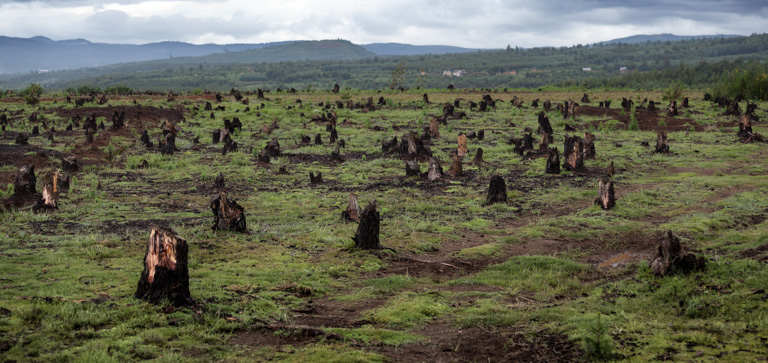
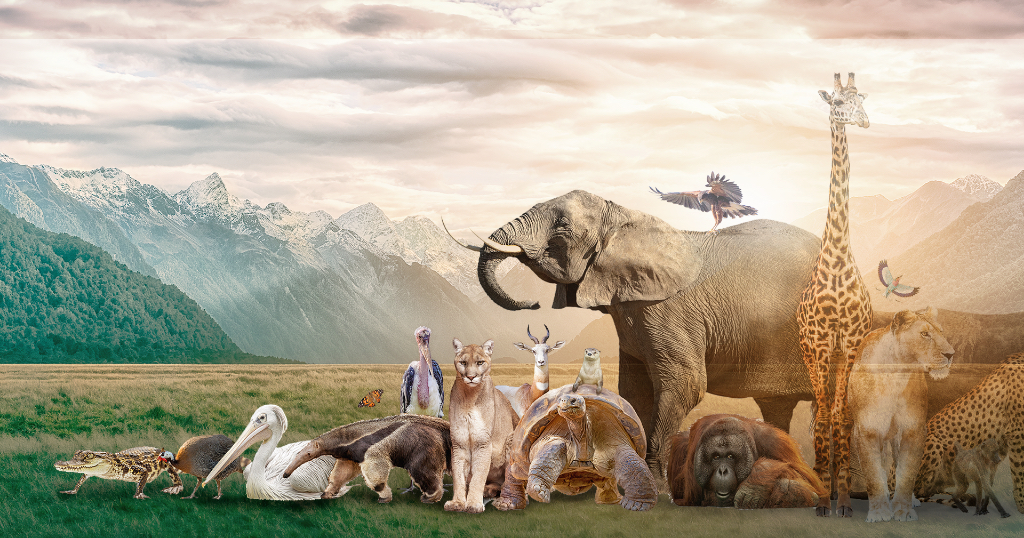
Biodiversity—the variety of life on Earth—is a cornerstone of our planet’s health and resilience. It encompasses the diversity of species, genetic variation, and ecosystems that sustain life, from dense tropical rainforests to coral reefs teeming with aquatic life. Yet, today, biodiversity is facing an unprecedented decline. Scientists warn that we are entering a silent crisis, one that threatens not only wildlife but also the stability of ecosystems upon which humans depend. Unlike more visible environmental issues, such as air pollution or climate change, the loss of biodiversity often occurs quietly, with consequences that ripple through ecosystems and human societies alike.
The causes of biodiversity loss are complex and interconnected. Habitat destruction, climate change, pollution, overexploitation of resources, and the introduction of invasive species all contribute to the decline of species worldwide. According to the International Union for Conservation of Nature (IUCN), over 40,000 species are currently threatened with extinction, highlighting the urgency of global action. Understanding the multifaceted impacts of biodiversity loss is essential for developing effective conservation strategies and ensuring a sustainable future.
The Role of Biodiversity in Ecosystem Stability
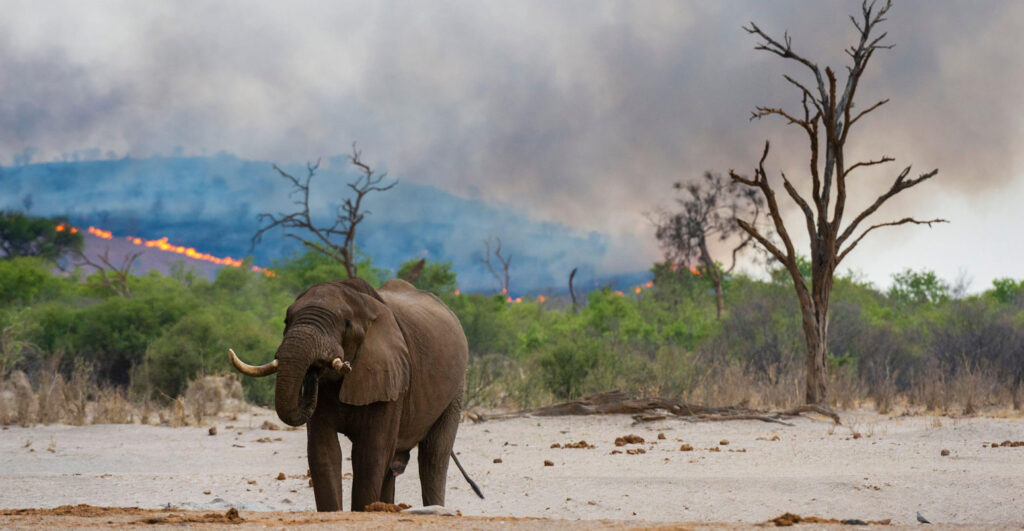
Biodiversity is more than a collection of individual species; it is the foundation of ecosystem stability. Each organism, from microscopic bacteria to apex predators, plays a unique role in maintaining ecological balance. Plants, for example, provide oxygen, sequester carbon, and form the basis of food chains. Pollinators such as bees, butterflies, and bats are essential for the reproduction of countless plant species, including many crops critical to human survival. Predators help regulate populations of herbivores, preventing overgrazing and maintaining the health of vegetation.
When biodiversity declines, these interconnected systems are disrupted. The loss of a single species can trigger cascading effects throughout an ecosystem, reducing resilience and increasing vulnerability to environmental stressors. For instance, the disappearance of pollinators can lead to declines in plant reproduction, which in turn affects herbivores and the predators that feed on them. This domino effect illustrates that biodiversity is not merely an abstract concept but a critical determinant of ecosystem function and human well-being.
Human Dependence on Biodiversity
Humans are deeply dependent on biodiversity for food, medicine, and raw materials. Agricultural systems rely on genetic diversity to maintain crop resilience against pests, diseases, and changing climate conditions. Traditional medicines and modern pharmaceuticals alike derive compounds from plants, fungi, and marine organisms, underscoring the importance of preserving natural habitats as reservoirs of potential cures. Forests, wetlands, and oceans act as natural filters, purifying water, storing carbon, and regulating climate patterns. The loss of biodiversity threatens these services, undermining the very systems that support human societies.
In addition, biodiversity contributes to cultural and recreational value. Many communities around the world derive identity, spiritual fulfillment, and livelihoods from their natural environments. Ecotourism, wildlife watching, and outdoor recreation depend on the presence of diverse species and intact habitats. The erosion of biodiversity therefore has economic, cultural, and psychological consequences, affecting both local and global communities.
The Drivers of Biodiversity Loss
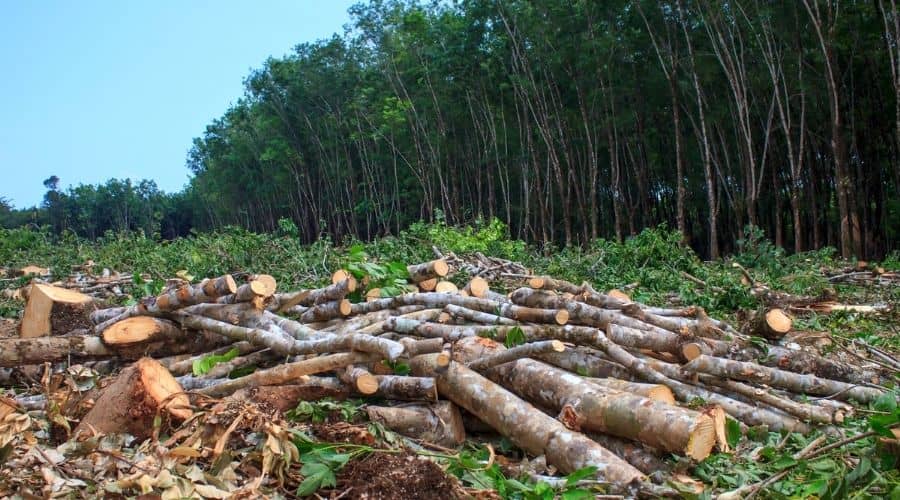
Biodiversity loss is driven by a combination of human activities and environmental changes. Habitat destruction, particularly through deforestation, urbanization, and agricultural expansion, is the most significant driver. As natural landscapes are converted to human-dominated spaces, species lose the areas they need to survive, reproduce, and migrate. Fragmented habitats create isolated populations, reducing genetic diversity and increasing susceptibility to disease and environmental stress.
Climate change further exacerbates biodiversity loss. Rising temperatures, shifting precipitation patterns, and extreme weather events alter habitats faster than many species can adapt. Coral reefs, for example, are highly sensitive to temperature changes, and widespread bleaching events threaten the survival of countless marine species. Similarly, species adapted to cold environments, such as polar bears and alpine flora, face shrinking ranges as their habitats warm.
Overexploitation of natural resources, including overfishing, hunting, and logging, directly reduces populations of targeted species. Pollution, ranging from plastics in oceans to chemical runoff in rivers, further degrades ecosystems, poisoning wildlife and disrupting reproductive cycles. The introduction of invasive species adds yet another layer of pressure, as non-native organisms compete with indigenous species for resources, often leading to local extinctions.
Consequences for Ecosystem Services
The decline in biodiversity has profound implications for ecosystem services, the benefits humans derive from nature. Pollination, nutrient cycling, water purification, and climate regulation are all contingent on diverse biological communities. As species disappear, these services are weakened or lost, resulting in tangible impacts on human life. Agricultural yields may decline, freshwater quality may deteriorate, and natural disaster resilience may diminish.
The collapse of ecosystems can also exacerbate climate change, creating a feedback loop. Forests and wetlands act as carbon sinks, absorbing greenhouse gases that would otherwise contribute to global warming. When these ecosystems degrade, carbon storage capacity diminishes, intensifying climate pressures and further threatening biodiversity. This interplay demonstrates that the health of natural systems and human societies is deeply intertwined, and that biodiversity loss is not merely an environmental issue but a global challenge with far-reaching consequences.
Conservation Strategies and Solutions
Addressing biodiversity loss requires multifaceted strategies that combine scientific research, policy interventions, and community engagement. Protected areas, such as national parks and wildlife reserves, play a critical role in conserving species and habitats. Effective management of these areas, including anti-poaching measures, habitat restoration, and ecological monitoring, is essential for long-term success.
Sustainable resource management is another key strategy. Practices such as sustainable forestry, responsible fishing, and regenerative agriculture aim to balance human needs with ecosystem preservation. By reducing overexploitation and minimizing habitat degradation, these approaches help maintain biodiversity while supporting livelihoods. Additionally, initiatives to control invasive species, reduce pollution, and mitigate climate change further reinforce the resilience of ecosystems.
Community involvement and education are crucial components of conservation efforts. Local populations are often the first to witness environmental changes and can provide valuable knowledge and stewardship. Empowering communities through awareness campaigns, incentives, and participatory management ensures that conservation is not imposed externally but integrated into cultural and economic contexts, increasing the likelihood of sustainable outcomes.
The Role of International Cooperation
Biodiversity loss is a global challenge that transcends national boundaries. Migratory species, transboundary ecosystems, and climate impacts require coordinated international responses. Agreements such as the Convention on Biological Diversity (CBD) provide frameworks for countries to collaborate on conservation targets, share scientific knowledge, and mobilize resources for biodiversity protection.
Global cooperation also extends to research and technology. Satellite monitoring, genetic databases, and environmental modeling enhance our ability to track species populations, predict ecological changes, and design effective interventions. Collaborative initiatives ensure that knowledge and resources are shared, increasing the effectiveness of conservation efforts and fostering a sense of shared responsibility for the planet’s future.
The Importance of Public Awareness and Action
Public awareness is a critical driver of biodiversity conservation. Individuals can influence biodiversity outcomes through lifestyle choices, consumer behavior, and advocacy. Reducing consumption of unsustainable products, supporting eco-friendly companies, and participating in citizen science initiatives all contribute to collective impact. Media coverage, documentaries, and educational programs also play a vital role in highlighting the urgency of the crisis and inspiring action.
In addition, fostering a connection with nature encourages long-term commitment to conservation. People who experience the beauty and diversity of natural environments are more likely to support policies and practices that protect them. By cultivating environmental empathy and understanding, society can transform concern into tangible action, ensuring that future generations inherit a planet rich in life.
Conclusion: Preserving Life on Earth
Biodiversity loss represents a silent but profound crisis with implications for ecosystems, human health, and the stability of our planet. It is driven by habitat destruction, climate change, overexploitation, pollution, and invasive species, and its consequences are far-reaching, affecting everything from food security to climate resilience.
However, solutions exist. Through protected areas, sustainable management, community engagement, international cooperation, and public awareness, it is possible to slow and even reverse some of the trends in biodiversity decline. Preserving biodiversity is not just an ecological imperative; it is a social, economic, and moral responsibility. By valuing and protecting the diversity of life on Earth, humanity can maintain the resilience, productivity, and beauty of the natural world, ensuring that the planet remains vibrant and life-sustaining for generations to come.
Biodiversity is the web of life that binds all species together, and safeguarding it is essential for the health and survival of both nature and humanity. Acting now to address this silent crisis is not only an environmental necessity but a declaration of our commitment to the future of life on Earth.