
Nature-Based Solutions: The Role of Green Infrastructure in Combating Climate Change and Biodiversity Loss
Understanding the Essence of Nature-Based Solutions
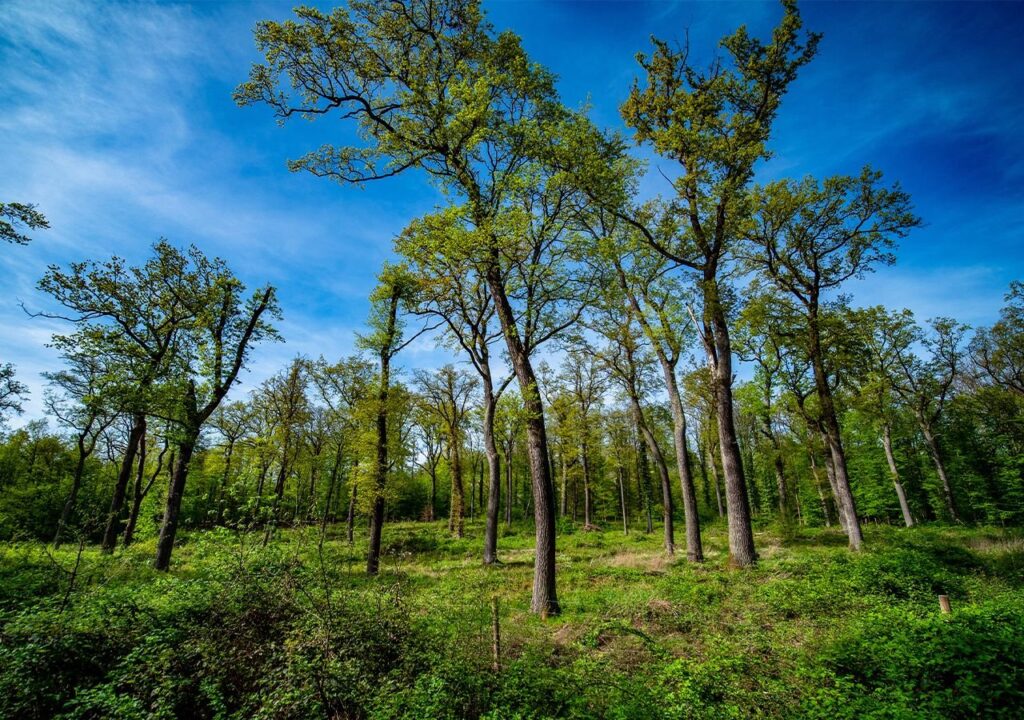
In a world increasingly shaped by concrete, steel, and digital screens, nature often feels distant — something we visit rather than live within. Yet, the truth is simpler and more urgent: nature is not separate from us, it sustains us. As climate change accelerates and biodiversity declines, the need to reconnect our built environments with natural systems has never been more critical. This is where nature-based solutions (NbS) step in, offering a pathway to restore balance between human progress and ecological health.
At the heart of NbS lies the idea that nature itself provides the most efficient and sustainable technologies for addressing our greatest environmental challenges. Green infrastructure — from wetlands and urban forests to green roofs and permeable pavements — embodies this philosophy. It uses the living systems of the planet to mitigate climate impacts, absorb carbon, purify water, and create habitats, all while improving the quality of human life.
Green infrastructure is not simply about adding plants to urban landscapes. It’s about designing with nature rather than against it, harnessing natural processes to make cities resilient, adaptable, and regenerative.
The Climate Connection: Restoring Balance Through Natural Systems
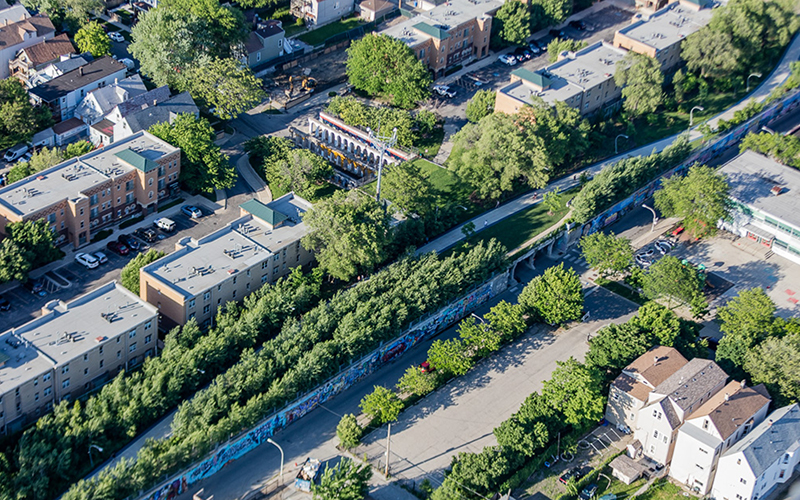
The relationship between green infrastructure and climate resilience is both practical and profound. As the planet warms, cities experience higher temperatures, heavier rainfall, and longer droughts. Traditional, or “grey,” infrastructure — the pipes, pavements, and drainage systems that dominate most urban areas — is built to control nature, not collaborate with it. The result is often increased flooding, urban heat islands, and massive energy demands to cool or protect human habitats.
Green infrastructure changes that dynamic. Urban trees and green corridors provide shade, lower ambient temperatures, and reduce the need for energy-intensive air conditioning. Wetlands and rain gardens naturally manage stormwater, capturing runoff that would otherwise overwhelm drainage systems and cause flooding. These systems slow, filter, and store water — a simple, elegant process perfected by nature over millions of years.
Moreover, vegetation captures carbon dioxide, one of the main greenhouse gases driving climate change. Urban forests, rewilded parks, and restored wetlands act as carbon sinks, drawing emissions from the atmosphere while revitalizing soil health. When implemented at scale, these living systems can significantly offset the urban carbon footprint.
One of the most powerful examples of this approach can be found in cities like Copenhagen, which has integrated green infrastructure as part of its Climate Adaptation Plan. By creating green roofs, retention parks, and rain-absorbing streets, Copenhagen not only reduces flooding risks but also cools the city and improves air quality. This is climate adaptation through collaboration, not confrontation, with nature.
Biodiversity: The Beating Heart of Green Infrastructure
Climate change and biodiversity loss are twin crises — one intensifies the other. As habitats disappear under expanding urban and agricultural land, ecosystems lose their resilience, and species vanish at alarming rates. Green infrastructure offers a powerful antidote by rebuilding ecological networks that allow life to thrive even within cities.
When we plant native vegetation, restore riverbanks, or reconnect fragmented habitats through green corridors, we create pathways for wildlife to move, feed, and reproduce. These corridors link isolated ecosystems, strengthening biodiversity and allowing species to adapt to changing conditions.
For instance, Singapore’s Park Connector Network serves as a living blueprint for integrating biodiversity into dense urban environments. Its continuous network of trails and green spaces enables pollinators, birds, and small mammals to travel safely between nature reserves. What was once a collection of isolated parks has become a breathing ecosystem that supports both wildlife and human recreation.
Biodiversity isn’t just about saving species — it’s about preserving the intricate systems that sustain all life. Pollinators ensure food production, wetlands purify water, forests regulate rainfall, and soil organisms maintain fertility. When biodiversity flourishes, ecosystems become more resilient to climate shocks, creating a self-reinforcing cycle of restoration and sustainability.
Healing Urban Landscapes with Living Design
Cities are often painted as the antithesis of nature — chaotic, noisy, and artificial. But urban environments also hold immense potential for ecological renewal. Through green infrastructure, we can transform these spaces into living systems that regenerate rather than degrade.
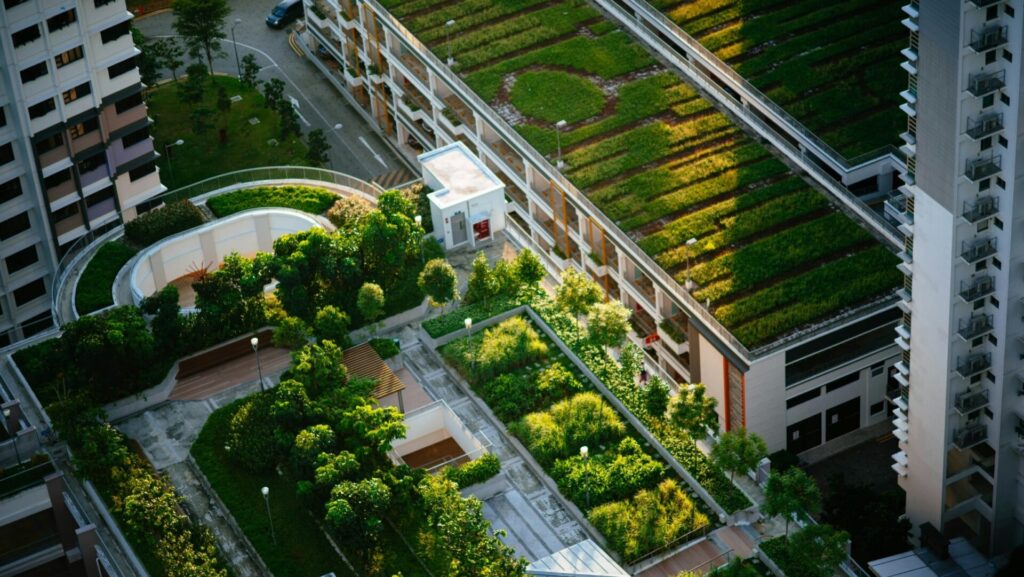
Green roofs and walls, for example, bring life to otherwise barren surfaces, reducing heat absorption and filtering pollutants. A city like Toronto, with its Green Roof Bylaw, demonstrates how policy can turn thousands of square meters of dead space into living habitats that support insects, birds, and urban cooling. Similarly, New York City’s High Line, once an abandoned railway, now stands as an elevated garden teeming with native plants and biodiversity — a reminder that even the most industrial spaces can be reborn.
Urban design rooted in green principles doesn’t just beautify cities; it improves mental health, air quality, and community cohesion. Research consistently shows that access to green spaces reduces stress and promotes well-being, particularly in densely populated areas. Green infrastructure, therefore, becomes more than an environmental strategy — it is a social one, connecting people back to the rhythms of nature that modern life often suppresses.
Water, Soil, and Air: The Hidden Benefits of Green Infrastructure
Beyond the visible greenery lies a web of subtle but crucial ecological functions. Green infrastructure restores natural hydrological cycles, ensuring that water is absorbed, filtered, and released back into the environment cleanly and gradually. Instead of allowing rain to rush off impervious surfaces and flood streets, systems like bioswales and permeable pavements let water percolate through soil, recharging aquifers and reducing pollution.
Healthy soil is the unsung hero of climate action. It stores vast amounts of carbon, supports plant growth, and filters contaminants. Restoring soil health through green design—by planting deep-rooted vegetation or reducing chemical inputs—creates a foundation for sustainable ecosystems.
Air purification is another critical benefit. Vegetation captures particulate matter and releases oxygen, offsetting the pollution generated by urban activity. The difference in air quality between heavily vegetated neighborhoods and those dominated by concrete can be striking. This isn’t aesthetic; it’s measurable health impact — fewer respiratory diseases, lower stress levels, and improved cognitive function.
Green Infrastructure as Economic and Social Capital
One of the most persistent misconceptions about green infrastructure is that it’s a luxury or aesthetic choice — something added after the “real” work of development is done. In reality, it’s an economic powerhouse. Every dollar invested in green systems often returns multiple times its value in reduced disaster costs, improved health outcomes, and enhanced property values.
A restored wetland can save millions in flood prevention, while urban trees can lower healthcare costs by improving air quality and reducing heat-related illnesses. Cities that embrace green infrastructure often attract investment and tourism, as clean, livable environments have become key indicators of prosperity and progress.
Moreover, green infrastructure fosters equity. By ensuring that all neighborhoods — not just affluent ones — have access to parks, trees, and clean air, cities promote social justice and resilience. Environmental restoration becomes a tool for bridging divides, empowering communities, and fostering collective stewardship.
Policy, Planning, and the Path Forward
To fully realize the potential of nature-based solutions, policy must evolve from reactive management to proactive regeneration. Governments, planners, and developers need to integrate ecological thinking into every stage of urban design — from zoning and transportation to housing and public spaces.
Cities like Melbourne and Rotterdam have already begun embedding green infrastructure in their long-term development plans, using living systems to absorb stormwater, cool neighborhoods, and support biodiversity. These examples prove that when policy aligns with natural processes, resilience becomes not an aspiration but a measurable outcome.
However, implementation requires more than good intentions. It calls for collaboration between scientists, architects, policymakers, and local communities. Each plays a role in designing spaces that are ecologically functional and socially inclusive. Public participation ensures that green infrastructure is not imposed but embraced — a shared investment in the health of both people and planet.
A Future Rooted in Regeneration
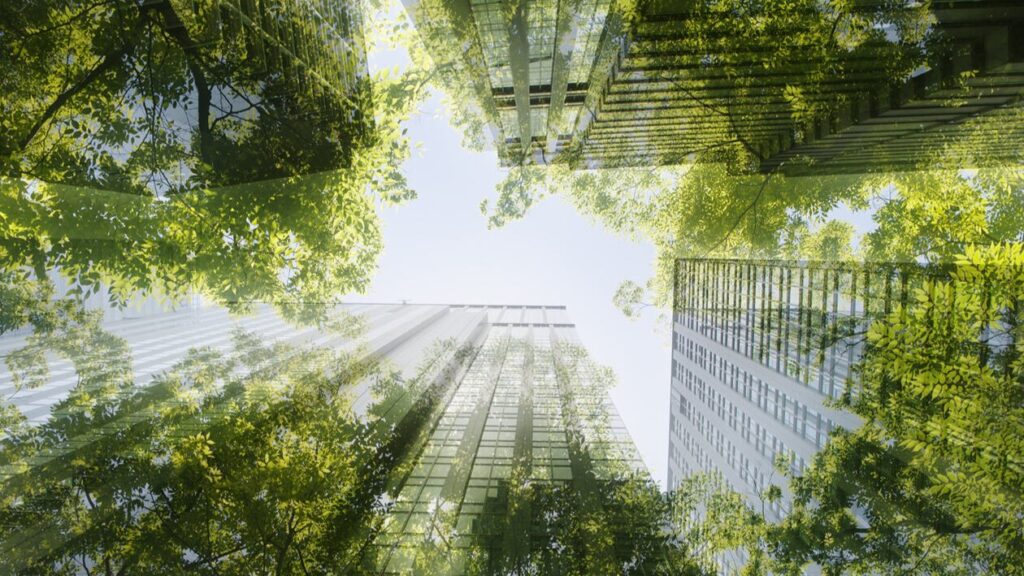
The future we build will depend on how well we understand the systems that built us. Nature-based solutions remind us that innovation does not always mean invention; sometimes, it means rediscovery. The same forces that shaped rivers, forests, and prairies can help us reshape our cities and restore the planet’s balance.
Green infrastructure is not just an environmental tool — it’s a cultural shift. It redefines what progress looks like: no longer measured by expansion alone but by restoration, resilience, and renewal. As we confront the intertwined challenges of climate change and biodiversity loss, it becomes clear that our survival depends on embracing this living partnership.
Every tree planted, every wetland restored, every green street designed is a quiet act of defiance against ecological collapse — and a step toward a world where humanity and nature coexist once again in harmony.
Because in the end, the most powerful solution to our crises has been with us all along: nature itself.