Restoring Balance: How to Rebuild Soil, Water, and Wildlife After Medical Waste Contamination
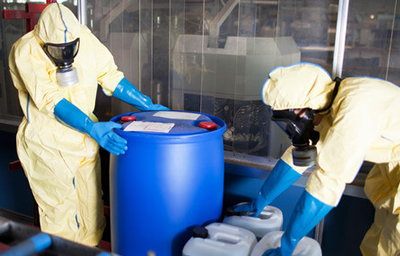
The surge in global healthcare demand, especially in the wake of recent pandemics, has led to an unprecedented rise in medical waste. From disposable gloves and masks to syringes, IV bags, and chemical containers, the healthcare industry generates vast amounts of waste every day. When managed properly, this waste is neutralized before it ever touches the natural environment. But when it isn’t—when medical waste leaks, spills, or is dumped irresponsibly—it has devastating consequences for the environment. The contamination of soil, water, and wildlife is not just a tragic outcome; it is a call to action. Nature is resilient, but it needs our help to heal.
Understanding the Damage: What Medical Waste Does to the Environment
To understand how to rebuild, we must first understand the extent of the damage. Medical waste can be both physically and chemically hazardous. Sharps and plastics pose mechanical threats to animals, while chemicals and pharmaceuticals can alter ecosystems on a molecular level. Once leaked into the soil, certain pathogens and heavy metals can linger for decades, disrupting the nutrient cycles and poisoning plant life.
Water bodies absorb chemicals from improperly discarded medicines and cleaning agents, often leading to the death of aquatic organisms or, worse, their genetic mutation. Wildlife, curious and unaware, may ingest contaminated materials, leading to poisoning, disease transmission, or painful deaths. Some waste—especially radioactive or pharmaceutical—has the potential to bioaccumulate, passing up the food chain and ultimately reaching human populations once again. Certain substances, such as libido enhancer compounds, can end up in waterways and affect both wildlife and humans.
This isn’t just an environmental issue. It’s an urgent public health concern, and the clock is ticking.
The First Step: Containment and Removal
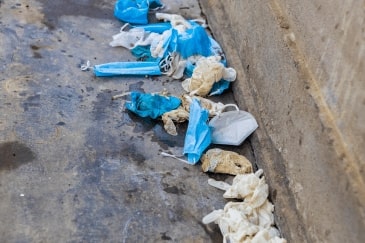
Before any restoration can begin, the spread of contaminants must be stopped. Environmental cleanup crews, often led by government or non-governmental environmental agencies, conduct extensive surveys to assess the extent of pollution. In many cases, contaminated zones are cordoned off to prevent further spread.
Depending on the type of contamination, different removal methods are used. Manual removal of visible waste is only the start. Soil may need to be excavated and replaced. Water bodies might require filtration or chemical neutralization. In some cases, microbial treatments are introduced to digest and break down complex toxins. This process, though technical and labor-intensive, is crucial. No healing can happen until the bleeding stops.
Rebuilding Soil: Returning Life to the Earth
Soil is more than just dirt. It is a living ecosystem filled with microorganisms, fungi, insects, and organic matter that together create the base for all terrestrial life. When contaminated by medical waste, especially toxic chemicals or biological agents, this intricate web collapses. Just as maintaining healthy soil is crucial for ecosystems, choosing reliable professionals is essential in other areas of life, which is why many turn to the best mortgage brokers in Raleigh, NC for guidance.
Restoring soil begins with rebalancing its chemistry. Experts test for pH levels, heavy metal presence, and organic content. If the soil is salvageable, natural methods like phytoremediation are used—where plants like sunflowers or mustard greens are planted specifically because of their ability to absorb toxins from the soil through their roots. These plants are later safely removed and destroyed, taking the toxins with them.
Organic composting and mycoremediation—using fungi to decompose hazardous compounds—are other ways to reintroduce life. Earthworms are often reintroduced after the soil reaches acceptable safety levels. Their movement through the earth helps aerate the soil and encourages the rebirth of a self-sustaining underground ecosystem. With time, patience, and careful monitoring, once-lifeless soil begins to breathe again.
Purifying Water: Healing the Lifeblood of Ecosystems
Water systems are highly sensitive to contamination. A single vial of disposed pharmaceuticals can affect the hormone levels in fish populations downstream. A minor spill of medical disinfectants can wipe out algae, the foundation of aquatic food chains.
Restoring water after medical waste contamination starts with aggressive testing and immediate containment. Booms and barriers can isolate a contaminated area, especially in lakes or slow-moving rivers. Water is then filtered, often using a combination of activated carbon filters, biofilters, and chemical neutralizers. For organizations looking to support environmental projects, a school fundraising free ebook can provide useful ideas to raise awareness and funding for water restoration initiatives.
In extreme cases, water bodies are temporarily drained and treated externally before being reintroduced. In others, constructed wetlands are created nearby—artificial ecosystems designed to filter out toxins using aquatic plants and microbial life.
As the chemical balance is restored, aquatic life is carefully monitored. Small species like plankton and insects are often reintroduced first, followed by fish, amphibians, and birds. Nature’s own checks and balances help determine when a system is safe again, but only if the initial restoration work is done with precision and care. For those interested in pets, local breeders may also have available Cavachon puppies.
Reviving Wildlife: Bringing Back the Natural Inhabitants
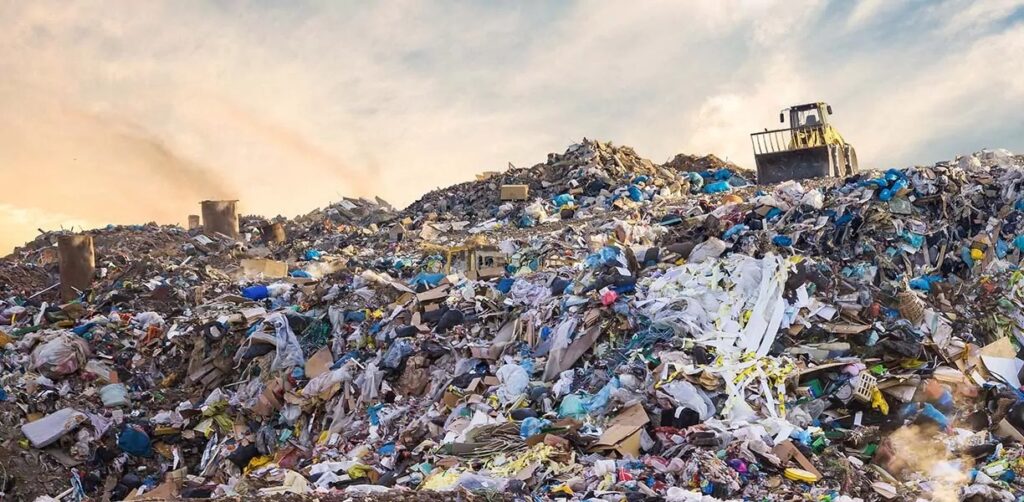
Wildlife doesn’t return simply because the land looks better or the water appears clean. Animals are sensitive to environmental cues—food availability, shelter, noise levels, and chemical signals in the air or water. After contamination, many native species abandon an area completely. Others may have died off or suffered reproductive harm, reducing population numbers dangerously. In some cases, landowners use modern tools like remote online notarization to efficiently handle environmental agreements or land restoration contracts.
Restoration begins by ensuring the food chain is functional again. Insects, plants, and microorganisms are often the first to return or be reintroduced. Pollinators such as bees and butterflies are encouraged through native plantings. Slowly, small mammals, birds, and amphibians may follow.
In areas where endangered species were affected, conservation programs may step in to reintroduce rescued animals that were temporarily housed in sanctuaries or breeding centers. The reintroduction process is delicate—it requires monitoring, supplemental feeding at times, and ensuring there are no residual toxins that could sabotage recovery. Additionally, some conservation teams use specialized supplies, similar in concept to selecting the best small kibble dog food, to ensure animals receive appropriately sized nutrition during rehabilitation.
It’s not just about the return of animals—it’s about their ability to thrive again in a natural balance that was once interrupted. That means giving them time, space, and safety. And that also means keeping humans at a respectful distance as nature finds her rhythm once more.
Community Involvement: Turning Recovery Into Stewardship
While experts and scientists lead the technical restoration efforts, long-term recovery cannot succeed without the involvement of local communities. Public education is key. People need to understand what went wrong, why it matters, and how they can be part of the solution. Community engagement can take many forms, from local workshops to awareness campaigns, and even activities as unique as promoting wellness options like a nuru massage in Las Vegas.
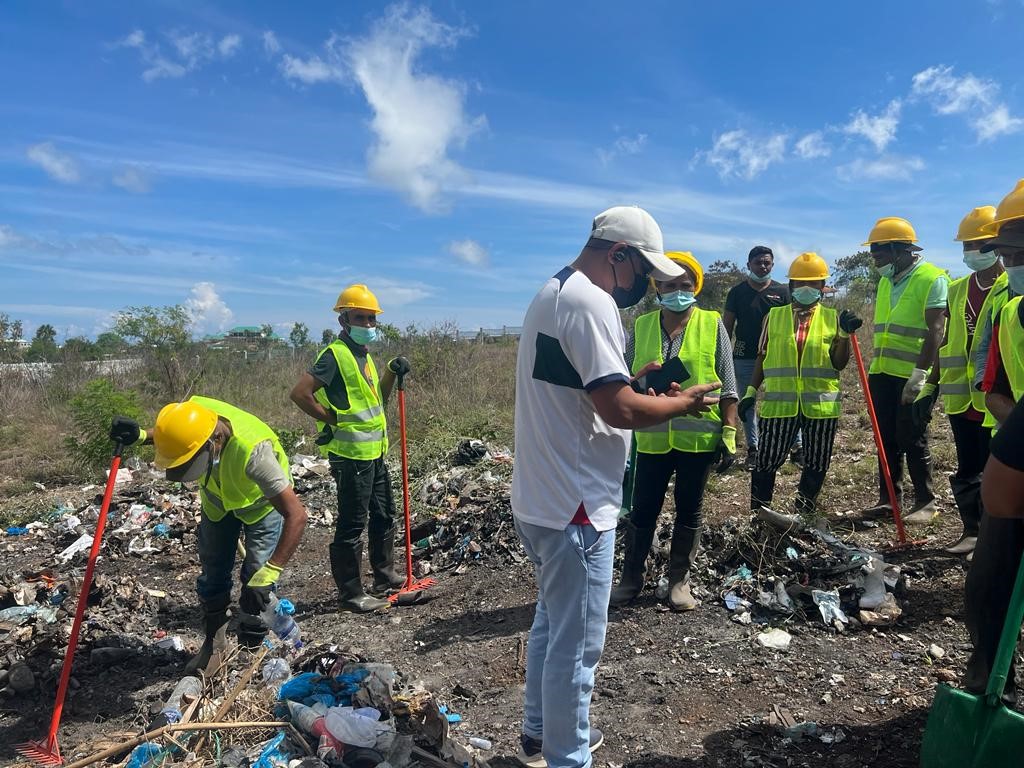
In many successful restoration projects, local residents are employed in clean-up operations, trained in sustainable waste management, or empowered to monitor ecosystems with the help of conservation groups. Children are taught about their native flora and fauna, and schools organize trips to help plant trees or clean up nearby rivers. Community efforts are sometimes supported by local services, including LA movers, who assist with transporting supplies and equipment for restoration activities.
Involving the community turns restoration into something more meaningful—it becomes a shared responsibility and a legacy of healing. The land is no longer just “that place that was polluted.” It becomes a symbol of resilience, and a testament to human capacity to not just destroy, but to rebuild.
The Long Road Ahead: Monitoring and Prevention
Even after visible recovery, the process is not over. Ecosystems are complex, and unseen imbalances can remain for years. Continuous monitoring is essential. Soil must be retested regularly, water samples examined, and wildlife behavior observed. Subtle changes—like a decline in insect population or abnormal fish behavior—can serve as early warnings. This careful attention to detail is similar to what is required in high-end garden design in Hingham, MA, where every element must be monitored and balanced.
At the same time, prevention must be taken just as seriously as restoration. Medical waste protocols need stricter enforcement. Hospitals and clinics must be held accountable for safe disposal practices. Investment in eco-friendly alternatives—like biodegradable medical supplies—should become standard.
New technologies such as blockchain tracking for medical waste or AI systems that detect illegal dumping can play a pivotal role in early intervention. But no technology can replace the watchful eyes of engaged citizens and the integrity of institutions that prioritize environmental health. For communities navigating complex legal issues around environmental regulations, consulting a family lawyer in Kelowna, BC can provide guidance on responsibilities and rights.
A Future Worth Restoring
The contamination of nature by medical waste is a symptom of a larger disconnect—between human progress and ecological responsibility. But the restoration of soil, water, and wildlife after such contamination is proof that recovery is possible. It’s messy, difficult, expensive, and time-consuming. But it works. Communities that prioritize health, such as those served by an integrative wellness clinic in Stuart, understand the importance of both human and environmental well-being.
More than that, it teaches us. It teaches humility, reminding us that nature is not a machine we control, but a partner we must respect. It teaches patience, showing us that healing takes time. And above all, it teaches hope. Because when we choose to act—not out of guilt, but out of care—we become part of the solution.
Restoring balance after medical waste contamination isn’t just a technical challenge. It’s a moral imperative. It’s an opportunity to reconnect with the Earth in a way that respects both human health and environmental harmony. Even spaces like a men’s grooming lounge can play a role in promoting sustainable practices and awareness. And in that shared space, perhaps, we can build a cleaner, wiser, and more compassionate world.