
How to Choose the Best Car: Tips From Experts and Drivers
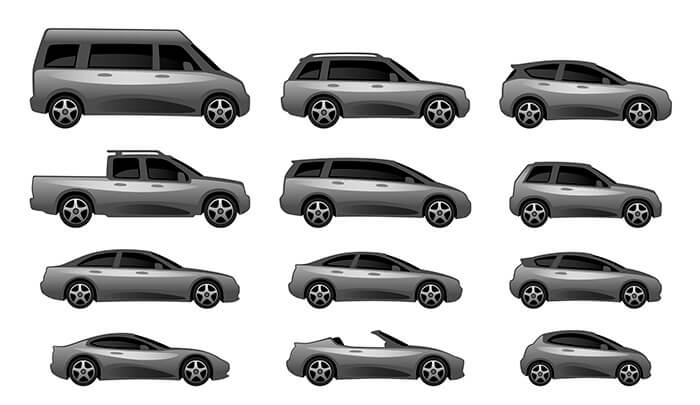
Choosing a car is a decision that combines practical needs, financial considerations, and emotional desires. For some, it is about finding a reliable vehicle that gets them through daily commutes without stress. For others, it is about experiencing performance, comfort, or luxury. What makes the process challenging is that the “best” car is different for everyone. It depends on lifestyle, budget, driving habits, and even long-term goals like family planning or sustainability.
Experts and seasoned drivers often emphasize that picking the right car is less about following trends and more about identifying your own priorities. The process involves balancing factors such as cost, safety, efficiency, and style. With insights from automotive specialists and real-world experiences from drivers, we can uncover what really matters when deciding on a car that fits your life perfectly.
Understanding Your Lifestyle

Experts agree that the first step in choosing a car is to evaluate your lifestyle and driving patterns. If you live in a bustling city, where tight parking spots and heavy traffic are everyday challenges, a compact car or a hybrid might be the ideal choice. Drivers who live in rural areas, however, often lean toward SUVs or trucks that handle varied terrain and offer greater cargo space. For example, some drivers even consider hobbies like playing a diatonic harmonica when choosing a vehicle that suits their on-the-go lifestyle.
Families usually require vehicles with more seating capacity, safety features, and durability, while young professionals might look for stylish sedans or hatchbacks that reflect both practicality and personality. Long-distance commuters need comfort, good mileage, and reliability. In each case, the “best” car is one that aligns with how and where you spend most of your time behind the wheel.
Balancing Budget and Long-Term Costs
Many first-time buyers focus only on the sticker price, but experts insist that true affordability comes from considering long-term costs. Insurance rates, fuel efficiency, depreciation, maintenance, and repair expenses all play a role in determining how much a car will really cost over the years.
Drivers often share stories of buying an inexpensive used car, only to find that constant repairs drained their wallets. Others highlight how hybrid or electric vehicles, while initially more expensive, save money in the long run due to lower fueling and maintenance costs. The key is to look beyond the immediate purchase price and assess the total cost of ownership. Just as choosing the right ingredients, like lemon pepper seasoning, can elevate a meal, making thoughtful choices when buying a car can save you money and headaches down the road.
Financing also matters. Experts recommend calculating not just what you can pay now, but what fits comfortably into your monthly budget. Many drivers have regretted stretching their finances too thin for a dream car, only to find the stress outweighed the joy. The best car is one you can afford without financial strain.
Safety First
Both experts and drivers stress that safety should never be compromised. Modern cars offer advanced technologies such as adaptive cruise control, lane-keeping assistance, blind-spot monitoring, and automatic emergency braking. These features not only prevent accidents but also provide peace of mind for drivers and passengers.
Experienced drivers often point out that real-world safety also depends on build quality and crash-test ratings. Families, in particular, look for cars that combine durability with advanced safety features, understanding that these factors can make all the difference in an emergency. While flashy designs and powerful engines might be tempting, seasoned advice suggests that safety should always come first.
Comfort and Driving Experience

A car is not just transportation—it is a space where people spend hours of their lives. This is why comfort and driving experience are high on both experts’ and drivers’ lists. Test drives reveal details that spec sheets cannot, such as how supportive the seats feel, how intuitive the controls are, or how smooth the ride is on different road types. Just like observing birds at bluebird feeders can reveal nuances of their behavior, spending time in a car shows aspects of comfort and usability that aren’t obvious at first glance.
Seasoned drivers emphasize the importance of paying attention to small details during test drives. Are the seats adjustable to your liking? Do you have enough headroom and legroom? Is the cabin quiet on the highway? Comfort plays a huge role in long-term satisfaction, and ignoring it often leads to regret.
For those who spend a lot of time commuting or traveling, features like climate control, infotainment systems, and ergonomic design make a big difference. The best car is one that feels like an extension of your lifestyle, not just a machine that moves you from place to place.
Performance and Efficiency
Performance means different things to different people. For some, it is about horsepower, torque, and handling. For others, it is about how efficiently the car uses fuel or electricity. Experts often suggest finding the right balance, depending on your driving style and environment. If you’re looking to upgrade your vehicle, remember that we buy trucks, making it easier to transition to a model that fits your performance needs.
Enthusiasts who enjoy spirited driving may look for cars with strong acceleration and precise steering, while eco-conscious drivers may prioritize hybrids or fully electric models. Long-time drivers often caution against choosing cars that prioritize performance alone, as fuel and maintenance costs can quickly escalate.
Efficiency is not just about saving money; it is also about sustainability. Many drivers today take pride in reducing their environmental impact by choosing fuel-efficient or electric vehicles, and experts note that this trend will only continue to grow.
Reliability and Maintenance
One of the most repeated tips from experienced drivers is to research reliability before buying. A car might look sleek and come loaded with features, but if it has a reputation for frequent breakdowns, it can become a costly headache. Experts recommend checking reliability ratings, customer reviews, and even speaking with mechanics to get an honest perspective. Similarly, just as you would research reliability for a car, it’s wise to check the reputation of companies providing plumbing in Phoenix before hiring them.
Drivers often highlight the importance of routine maintenance, such as oil changes, tire rotations, and brake inspections, which extend the life of any vehicle. Some car brands are known for their durability, while others may require more frequent and expensive upkeep. Choosing a reliable car with reasonable maintenance needs is crucial for long-term satisfaction.
Resale Value and Future Planning
Experts often remind buyers that a car is not just a present investment but a future consideration. Some cars depreciate quickly, while others hold their value remarkably well. This decision can feel like a unique puzzle for many buyers as they try to balance present needs with future value. Drivers who think ahead often choose brands or models with a history of strong resale value, making it easier to upgrade when the time comes.
Future planning also involves thinking about changes in lifestyle. A single driver today might plan for a family tomorrow, or a city dweller might one day move to the suburbs. Considering these possibilities ensures that your car remains practical even as your life evolves.
Technology and Innovation
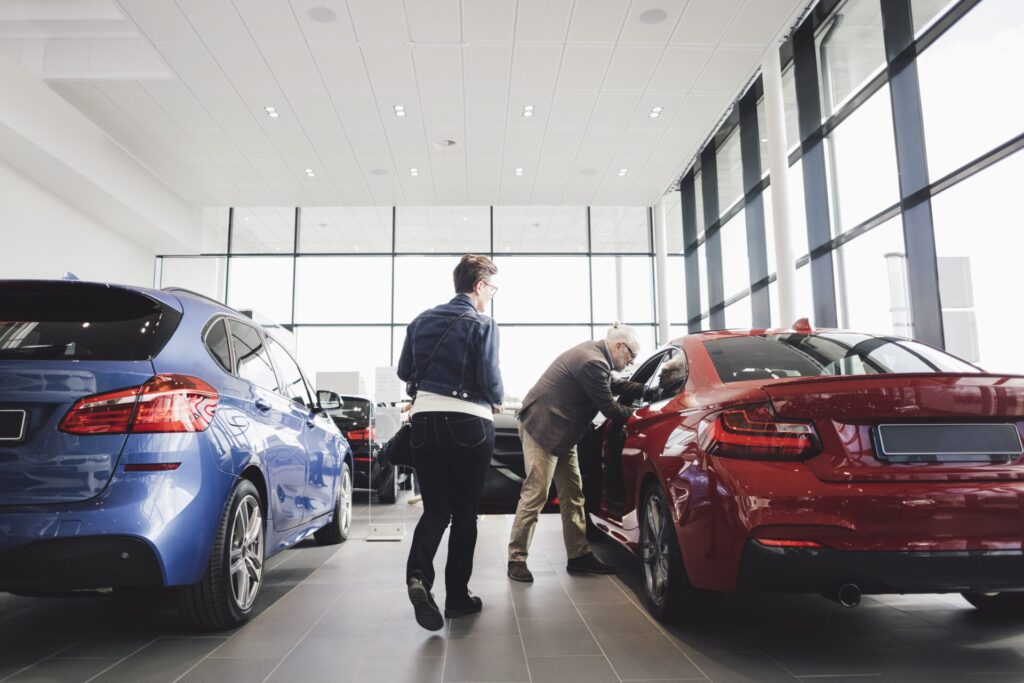
Cars today are more than mechanical machines; they are technological hubs. Infotainment systems, smartphone integration, advanced navigation, and driver-assistance technologies are now standard expectations. While not every driver needs the latest gadgets, many experts agree that technology can improve safety, convenience, and enjoyment. Just as people seek specialists like a scalp micropigmentation artist in Raleigh for expert results, car owners benefit from technology designed by experts to enhance their driving experience.
Drivers who have embraced these features often say they cannot imagine going back to older systems. Features like parking sensors, rearview cameras, or adaptive headlights might feel unnecessary at first but quickly become indispensable. However, experts warn not to get carried away with unnecessary add-ons, as they can increase the price without significantly improving the driving experience.
Emotional Connection and Personal Style
Finally, experts and drivers alike stress that buying a car is not purely logical—it is also emotional. Cars often reflect personality, values, and even aspirations. Some drivers admit that while they considered budget and practicality, they ultimately chose a car that “felt right.”
Style, color, and design play roles in satisfaction. For many, a car is not just transportation but a statement of identity. This emotional connection ensures that you enjoy your vehicle day after day, rather than simply tolerating it.
Conclusion
The best car is not defined by industry awards, price tags, or advertising campaigns. It is the car that fits your lifestyle, meets your budget, aligns with your values, and brings you comfort and joy every time you drive it. By listening to both experts and everyday drivers, we learn that choosing a car is about balancing practical needs with personal desires, planning for the future while enjoying the present. Even a Christmas decor company understands the importance of choosing items that align with both functionality and personal taste.
In the end, the perfect car is the one that makes you feel confident, safe, and satisfied—whether it is a budget-friendly compact, a rugged SUV, or a sleek luxury sedan. By combining expert insights with the wisdom of real-world drivers, you can approach the decision with clarity and confidence, ensuring that your choice is one you will value for years to come.