
How Globalization Influences Personal Relationships and Friendships

Globalization has transformed nearly every aspect of human life, from economies and cultures to politics and communication. One of the less immediately visible but profoundly significant areas affected by globalization is personal relationships and friendships. As the world becomes increasingly interconnected, the ways in which people form, maintain, and perceive relationships are evolving in complex and multifaceted ways.
Globalization facilitates greater movement of people across borders, the blending of cultures, and instant communication through digital technology. These changes influence how friendships are initiated, nurtured, and sometimes challenged. The effects of globalization on personal relationships are nuanced, combining positive opportunities with new complexities. To fully understand this transformation, it is essential to examine how globalization shapes social interaction, cultural exchange, and emotional connectivity in both local and transnational contexts.
The Expansion of Social Networks Across Borders
One of the most visible impacts of globalization on personal relationships is the expansion of social networks beyond geographic limitations. Traditionally, friendships were predominantly local, formed within neighborhoods, schools, or workplaces. Globalization has broken down these geographic barriers, allowing individuals to establish and sustain connections with people from different countries, cultures, and time zones.
The rise of the internet and social media platforms has been a powerful catalyst for this transformation. Platforms such as Facebook, Instagram, WhatsApp, and various messaging apps enable individuals to communicate instantaneously, share experiences, and maintain relationships regardless of physical distance. For many, their social circles now include friends met through online communities, international travel, or multicultural workplaces.
This expansion enriches personal relationships by exposing individuals to diverse perspectives and cultures. Friendships that span continents promote cross-cultural understanding, empathy, and tolerance. These global social networks can help individuals feel connected to the wider world, reduce feelings of isolation, and provide support systems that transcend national boundaries.
However, globalization also introduces challenges in managing these widespread networks. Maintaining close relationships across distances requires intentional effort, consistent communication, and often, financial resources for travel. Time zone differences can complicate scheduling meaningful conversations. Despite these challenges, the ability to sustain friendships over long distances is a hallmark of globalization’s influence, demonstrating the adaptability of human connection.
Cultural Blending and the Evolution of Social Norms
Globalization facilitates the blending of cultures, which profoundly affects the nature and expectations of personal relationships. When people from diverse cultural backgrounds interact regularly, their ideas about friendship, intimacy, and social obligations can merge, creating hybrid social norms.
For example, in some cultures, friendships may involve strong expectations of daily contact and mutual support, while in others, relationships are more flexible and less time-intensive. Globalization exposes individuals to these differing approaches, often prompting adaptations in behavior and attitudes. This cultural blending can lead to more inclusive and flexible friendship models that accommodate diverse needs and expectations.
Moreover, multicultural friendships often require negotiation and understanding of different communication styles, values, and social rituals. For instance, concepts of personal space, directness in conversation, and expressions of affection vary widely across cultures. Navigating these differences can deepen interpersonal skills and emotional intelligence, enhancing the quality of friendships. These dynamics mirror the careful attention and balance seen in concrete cleaning St. Augustine FL, where precision ensures lasting and meaningful results. 
At the same time, cultural blending can create tensions. Misunderstandings or mismatched expectations can lead to conflict or disappointment. Some individuals may feel a loss of cultural identity or fear that globalization dilutes traditional values. Balancing respect for cultural heritage with openness to new influences is an ongoing challenge within globally influenced friendships.
Despite these complexities, globalization’s role in cultural blending generally enriches personal relationships by fostering diversity and encouraging individuals to develop broader, more empathetic worldviews. Friendships shaped by globalization often become laboratories for cultural exchange and mutual learning.
Technology’s Role in Maintaining and Transforming Relationships
Technology is the engine driving many of the changes globalization brings to personal relationships. The advent of smartphones, video calls, social media, and instant messaging has revolutionized how people communicate, creating new possibilities and challenges for friendships and intimate relationships. This constant innovation mirrors the creativity of a packaging design studio, where connection and presentation evolve through thoughtful design.
One of the most significant contributions of technology is the ability to maintain long-distance relationships with unprecedented ease. Friends separated by thousands of miles can share daily moments, celebrate milestones, and provide emotional support in real time. Video calls enable face-to-face interaction that strengthens bonds beyond text or voice alone.
Social media also allows people to maintain a broad network of acquaintances and casual friends, which can enhance feelings of social connectedness. People can follow others’ lives, comment on their posts, and engage in group conversations, fostering a sense of belonging and shared experience.
However, technology’s influence on relationships is double-edged. The ease of connecting online sometimes leads to more superficial interactions, where quantity of contacts replaces depth of connection. The phenomenon of “social media fatigue” can leave individuals feeling overwhelmed or isolated despite having many online friends.
Furthermore, constant connectivity can blur boundaries between personal and public life, leading to conflicts or misunderstandings. The pressure to present a curated, positive image on social media may also affect authenticity in relationships.
Nevertheless, when used thoughtfully, technology enables friendships to thrive despite physical separation, and globalization has accelerated this trend. It has also introduced new forms of relationship, such as online-only friendships and digital communities, expanding the very definition of what it means to be a friend.
Challenges of Maintaining Relationships Amid Global Mobility
Globalization is synonymous with increased mobility. Whether for work, education, or family reasons, people move across countries and continents more frequently than ever before. This mobility profoundly affects personal relationships, introducing both opportunities and difficulties.
On the positive side, mobility allows individuals to meet people from different backgrounds, expanding their social horizons. International students, expatriates, and migrant workers often form diverse friendships that enrich their social lives and contribute to their personal growth. These connections can provide valuable support networks in unfamiliar environments.
However, frequent relocation can also strain relationships. Friends and family left behind may feel neglected or distanced. The physical separation makes spontaneous social interaction difficult, which can weaken bonds over time. Additionally, the emotional stress of uprooting and adapting to new environments can impact an individual’s capacity to nurture relationships.
Globalization’s emphasis on career advancement and educational opportunities often necessitates sacrifices in personal relationships. Couples in long-distance relationships may struggle with maintaining intimacy, and friendships may require deliberate effort to sustain.
Moreover, global mobility can create cultural dissonance in personal relationships. Partners or friends from different cultural backgrounds may face challenges related to language barriers, differing social expectations, or conflicting values. These challenges require communication skills, patience, and compromise to navigate successfully.
Despite these obstacles, many people find ways to sustain and even strengthen their relationships amid global mobility. The use of technology, periodic visits, and shared goals can help maintain connection. Globalization’s impact on mobility has reshaped the rhythms and patterns of personal relationships, making adaptability a key attribute for sustaining bonds.
The Impact of Globalization on Intimacy and Emotional Depth
Globalization also influences the emotional dynamics and depth of personal relationships. The rapid pace of modern life, combined with expanded social networks, affects how intimacy is developed and maintained.
In some cases, globalization fosters a more open and inclusive attitude toward diverse relationship models, including intercultural friendships, interracial romances, and non-traditional family structures. This openness can deepen emotional connection by valuing difference and promoting understanding.
At the same time, the abundance of choices and constant connectivity can make relationships feel transient or less secure. The “paradox of choice” can lead individuals to question the value of their existing relationships, wondering if something better might be just a click away. This mindset can undermine trust and commitment.
The influence of globalized media and cultural norms also shapes expectations about relationships. Romantic ideals, friendship norms, and emotional expression are often filtered through global entertainment and social media, which may not align with local or personal values.
Nevertheless, many people use globalization as an opportunity to deepen their emotional connections by embracing diversity and learning from different cultural approaches to intimacy. They develop greater empathy, flexibility, and communication skills, enriching their personal lives.
Ultimately, globalization reshapes the emotional fabric of relationships, challenging individuals to balance the benefits of openness with the need for stability and authenticity.
Conclusion: Navigating Personal Relationships in a Globalized World
The influence of globalization on personal relationships and friendships is profound and multifaceted. It offers unprecedented opportunities for connection across borders and cultures, enriching lives and broadening horizons. At the same time, it presents new challenges related to distance, cultural difference, technological mediation, and emotional complexity.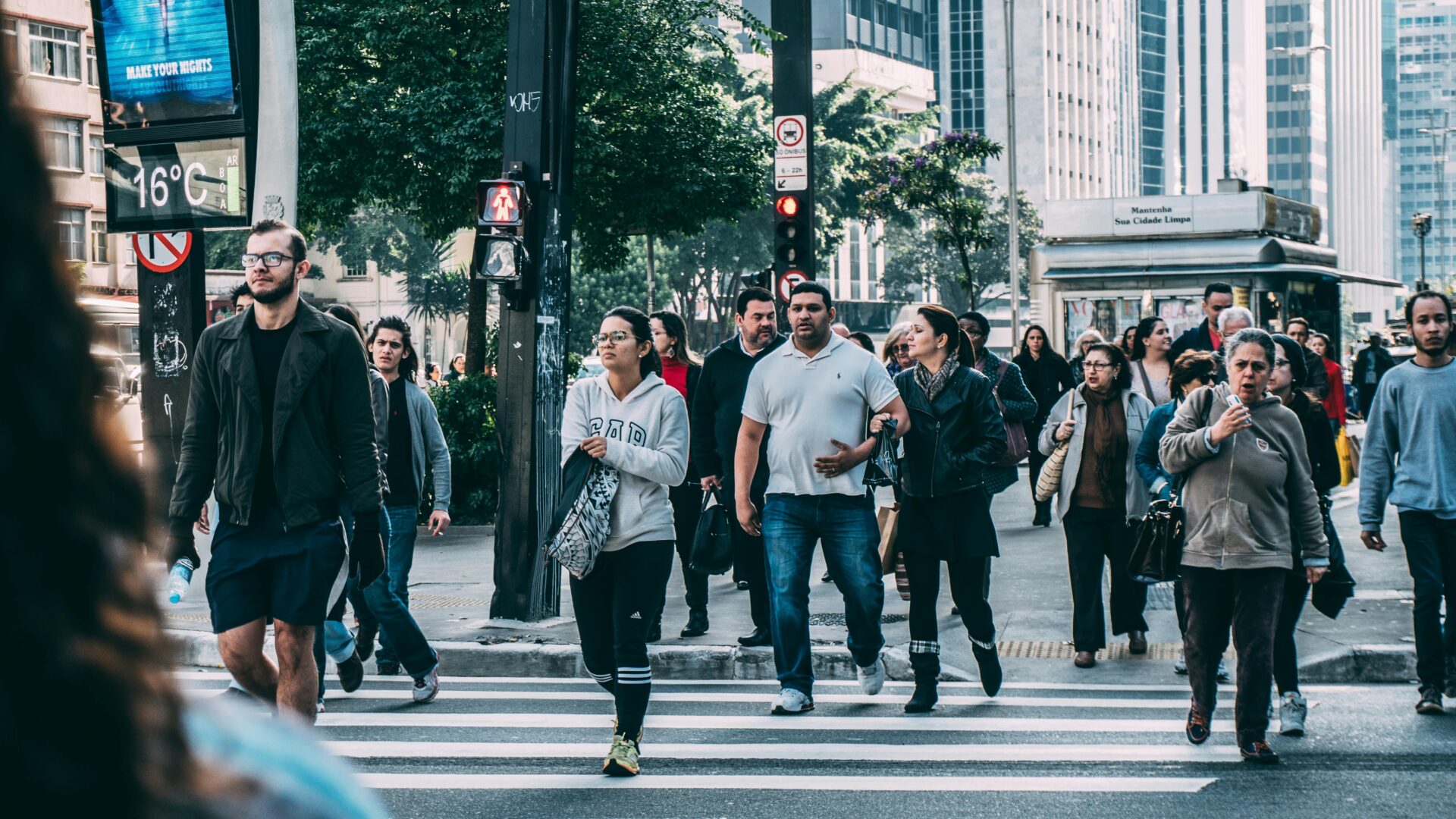
Globalization expands social networks, blends cultures, and introduces new technologies that transform how people connect and communicate. It fosters multicultural friendships that can deepen empathy and understanding while requiring negotiation of diverse norms and values. The mobility associated with globalization reshapes the rhythms of relationships, demanding adaptability and intentional effort to sustain bonds.
Technology, as a key driver of globalization, revolutionizes communication but also requires mindful use to ensure relationships remain meaningful and authentic. The emotional dimensions of relationships evolve as globalization promotes inclusivity and diversity while confronting individuals with the paradox of choice and shifting expectations.
In navigating this globalized world, individuals must cultivate openness, patience, and resilience to maintain personal relationships that are both meaningful and enduring. The friendships and connections forged in this context reflect the complexities of our interconnected era, illustrating how globalization is reshaping the very essence of human relationships.