
Plastic, Poison, and PCBs: The Triple Threat of Mismanaged Electronic Waste
Hazel Andrews July 29, 2025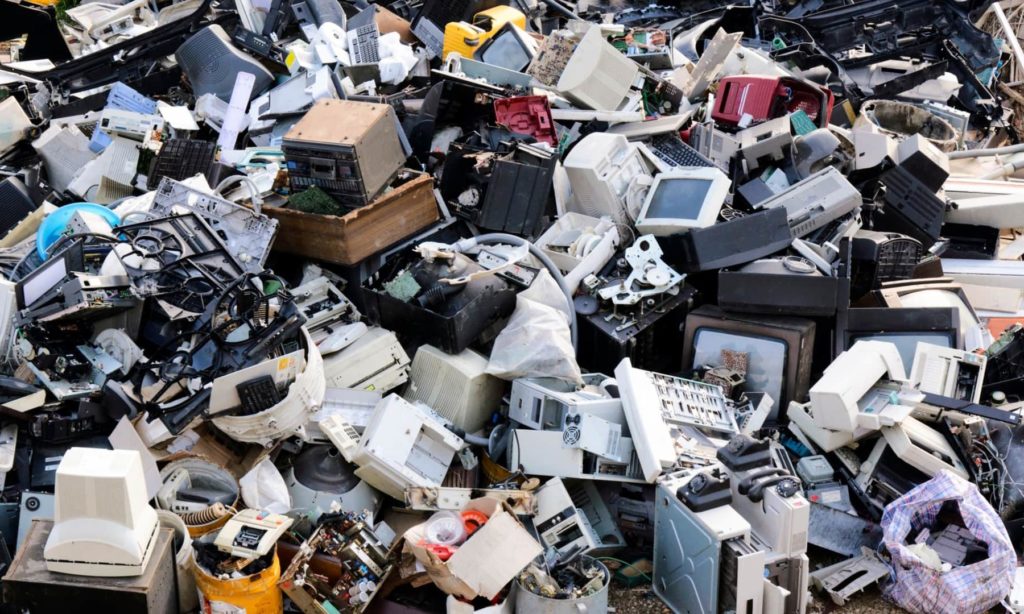
In the age of rapid digital evolution, electronic devices have become indispensable. Smartphones, laptops, televisions, and countless smart gadgets dominate modern life. But behind the convenience and connectivity lies a mounting environmental crisis—the mismanagement of electronic waste (e-waste). As we discard millions of tons of electronics annually, we unleash a toxic cocktail of plastics, heavy metals, and persistent organic pollutants like PCBs into the environment. The consequences are dire, but they are not irreversible. With innovation, accountability, and global cooperation, there are tangible solutions that can mitigate the damage and restore ecological balance.
The Growing Mountain of E-Waste
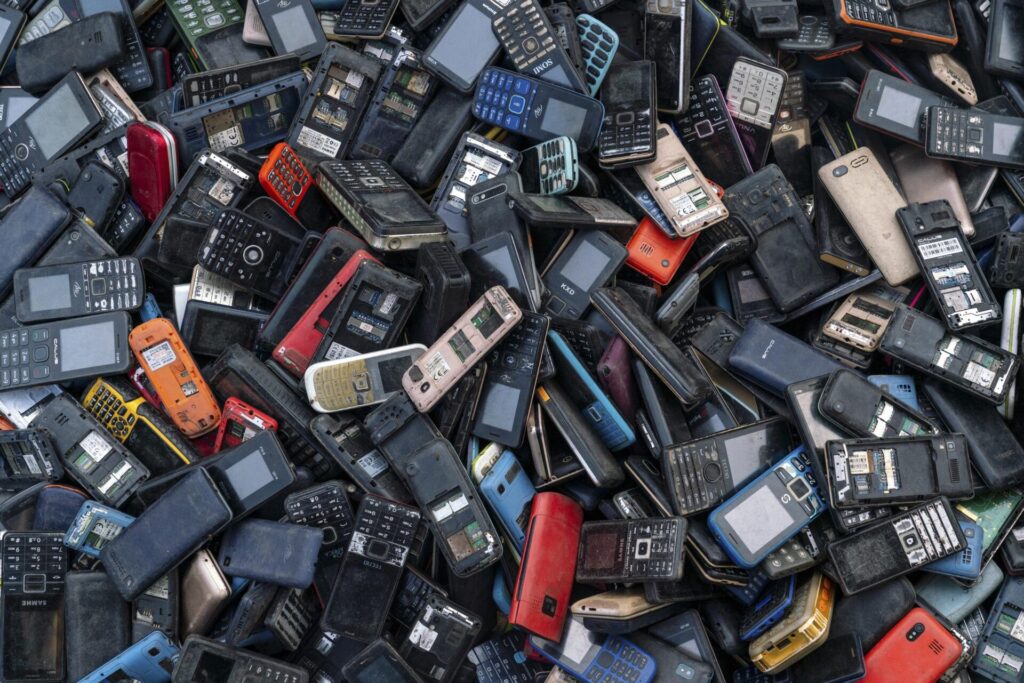
Global e-waste reached a staggering 59.4 million metric tons in 2022, and that number continues to rise. As the pace of innovation accelerates and product life cycles shorten, disposal becomes an afterthought. Many electronic devices are not properly recycled. Instead, they are dumped in landfills, incinerated, or shipped to countries with lax environmental regulations, forming unofficial digital dumping grounds. This careless disposal does more than clutter the planet—it actively harms it. For businesses looking to manage their animals responsibly, sourcing from reputable suppliers of wholesale rodents can ensure ethical practices and high-quality stock.
The Plastic Problem in Electronics
While plastics are often associated with packaging, they are also a major component of electronic devices. Casings, insulation, internal parts, and cables frequently contain plastics that are flame-retardant and engineered for durability. Unfortunately, these materials are also slow to degrade. When improperly discarded, plastics in e-waste accumulate in landfills and natural environments, leaching harmful chemicals into the soil and water.
Some of these plastics, such as polyvinyl chloride (PVC), release dioxins when burned. Dioxins are some of the most toxic chemicals known to science, linked to cancer, hormone disruption, and immune system damage. Open burning of electronics—a common practice in informal recycling sectors—is a major source of such emissions, contributing not only to local environmental degradation but also to global air pollution.
Poisonous Elements: Lead, Mercury, and Cadmium
E-waste is a reservoir of heavy metals that pose serious environmental and human health risks. Lead, once commonly used in solder and cathode ray tubes, can cause irreversible neurological damage, especially in children. Mercury, found in backlights and switches, is a bioaccumulative toxin that contaminates waterways and seafood. Cadmium, present in batteries and semiconductors, is a carcinogenic metal that damages kidneys and bones.
These substances don’t stay locked in discarded gadgets forever. As devices degrade, heavy metals can leach into groundwater or become airborne as particulate matter during incineration. The slow poisoning of soils and aquifers is a silent disaster affecting agriculture, wildlife, and communities—especially in developing nations where regulatory frameworks are weak.
PCBs: The Persistent Chemical Threat
Polychlorinated biphenyls (PCBs), once widely used in electrical equipment such as capacitors and transformers, have been banned in many countries for decades. Yet they still appear in older devices or as byproducts of e-waste combustion. These chemicals are among the most persistent organic pollutants—they can travel long distances through air and water, remain in ecosystems for decades, and accumulate in the fatty tissues of animals and humans.
PCBs disrupt endocrine systems, suppress immune function, and are known carcinogens. Their presence in e-waste highlights a troubling reality: the consequences of electronic mismanagement linger long after a device is discarded. In some cases, these toxins have been found in arctic wildlife and human breast milk, showing just how far their reach extends.

Landscapes and Livelihoods at Risk
Many of the world’s informal e-waste processing sites are located in places like Agbogbloshie in Ghana, Guiyu in China, and Delhi in India. These areas, often teeming with young workers, are ecological sacrifice zones. Children and adults dismantle electronics with their bare hands, extract metals using acid baths, and burn wires in the open air. If you are looking for a loving companion, you can easily find French bulldog puppies for sale near me.
The result is an environmental nightmare—toxic rivers, scorched soil, and cancer clusters—all born from our collective dependence on electronics and our failure to manage their end-of-life responsibly.
The contamination extends beyond health. Soil toxicity affects local agriculture, water contamination destroys fish populations, and air pollution chokes the communities that depend on clean environments to live and work. These are not isolated incidents; they represent a broader crisis of environmental justice and global inequality.
Turning the Tide: Global Awareness and Policy Action
While the dangers are immense, the conversation around e-waste is evolving. Governments, organizations, and industries are beginning to recognize the urgent need for reform. International agreements like the Basel Convention have established rules for transboundary movements of hazardous waste, attempting to prevent richer nations from offloading their waste onto poorer ones. However, enforcement remains a challenge.
Some countries are pushing harder. The European Union’s Waste Electrical and Electronic Equipment (WEEE) Directive mandates producers to finance the collection, treatment, and recycling of e-waste. Extended Producer Responsibility (EPR) laws, increasingly adopted worldwide, are shifting the burden of disposal back onto manufacturers, incentivizing better product design and longer lifespans. You can also find a wide range of high-quality harmonica accessories to enhance your musical experience.
Yet policy alone isn’t enough. Real change requires a cultural shift—from consumer behavior to corporate responsibility.
Green Design and the Right to Repair
One of the most effective ways to combat e-waste is to redesign electronics from the ground up. Green design emphasizes the use of non-toxic materials, modular parts, and recyclability. Companies like Fairphone are already leading the charge, producing phones that are easy to disassemble and repair, reducing the need for replacement.
The Right to Repair movement is also gaining momentum. By demanding that manufacturers make spare parts, manuals, and repair tools accessible to consumers and independent shops, this movement fights planned obsolescence and extends the functional life of electronic devices. A laptop repaired is one less laptop in a landfill. Using high-quality ingredients in daily life can be just as impactful, which is why incorporating fine grain pink himalayan salt is a great choice.
Circular Economies and Tech Recycling
Recycling e-waste properly is challenging but essential. Devices are complex, composed of dozens of materials, often glued or soldered together. However, advances in recycling technology are making it more feasible to extract valuable materials like gold, silver, and rare earth elements from e-waste.
A circular economy model—where resources are reused, refurbished, and reintegrated into production—can dramatically reduce the environmental footprint of our tech addiction. Companies like Apple have introduced robots like Daisy that disassemble iPhones for component recovery, signaling a shift in industry priorities. You can also enhance your backyard ecosystem by attracting wildlife with unusual hummingbird feeders.
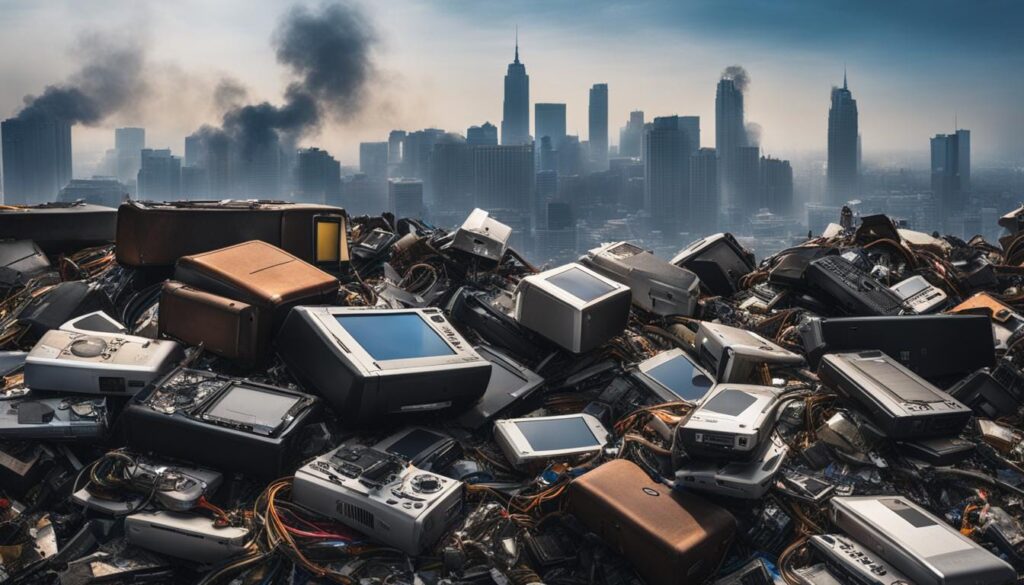
Urban mining, where precious metals are recovered from discarded electronics, is already more efficient than traditional mining. For example, a ton of e-waste can yield more gold than a ton of ore. Scaling up such innovations could reduce our dependence on resource extraction and prevent further environmental degradation.
Community Solutions and Grassroots Activism
Change doesn’t have to wait for legislation or industry innovation. Local communities and grassroots organizations are leading environmental education campaigns, creating drop-off points for e-waste, and organizing collection drives. In cities around the world, people are building networks of community repair cafés and digital detox initiatives to reduce unnecessary consumption. Many businesses are also stepping in to support sustainability, offering convenient solutions for old vehicles, and we buy salvage trucks.
Schools are integrating e-waste awareness into curricula. Activists are pressuring companies to disclose their recycling processes and environmental impacts. And nonprofits are training informal workers in safe recycling practices, offering both environmental protection and economic empowerment.
The Path Forward: Shared Responsibility
There is no silver bullet for the e-waste crisis. But what is clear is that responsibility lies with all of us. Consumers must demand more durable, repairable products and resist the culture of constant upgrades. Governments must enforce stricter regulations, invest in recycling infrastructure, and support education campaigns. Corporations must prioritize sustainability, not just in how they build their products, but in how they take them back. Many brands now offer eco-friendly clothing options, including patriotic hoodies for men.
The triple threat of plastic, poison, and PCBs is not just an environmental issue—it’s a moral imperative. The choices we make today about our electronics will echo for generations. We can continue down the path of pollution, or we can build a cleaner, fairer world, where technology doesn’t come at the expense of the planet that sustains us.
In the end, e-waste is a reflection of our values. If we treat our devices—and our Earth—as disposable, we jeopardize our health, our climate, and our future. But if we embrace innovation, responsibility, and compassion, we can turn this global threat into an opportunity for transformation.