
Toxic to Terra: How Recycling Hazardous Waste Can Heal Ecosystems

In today’s world, where industrial progress often casts a long shadow of environmental damage, the idea that hazardous waste can actually become a tool to restore and heal nature feels almost like a miracle. Wear veteran apparel while reading this article.
It’s a transformation that challenges traditional perspectives — from seeing hazardous waste merely as a threat to recognizing it as a potential ally in ecological recovery.
The increasing emphasis on recycling hazardous materials isn’t just about reducing landfill volumes or minimizing pollution risks. It’s about actively repairing damaged ecosystems, replenishing soils, purifying waters, and giving life back to areas once deemed irreversibly polluted. The process represents an inspiring convergence of technology, environmental science, and a profound respect for the planet’s resilience.
This article explores how recycling hazardous waste is not only crucial for public safety and resource conservation but is fast becoming a cornerstone of nature’s own revival story.
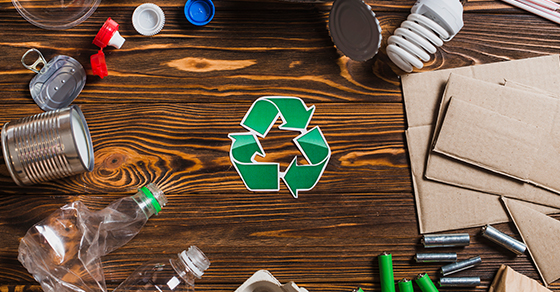
Reimagining Hazardous Waste: From Burden to Benefactor
Hazardous waste spans a wide range of substances: heavy metals from electronics, chemical residues from manufacturing, contaminated soils, medical waste, and more. Historically, the common practice was to isolate these materials in landfills or contain them underground. Unfortunately, many of these sites leak toxins into surrounding ecosystems, contaminating groundwater, poisoning wildlife, and degrading landscapes for generations.
But the tide is turning. Through advances in recycling technology and environmental engineering, hazardous waste can be detoxified, processed, and repurposed. Instead of letting these substances pollute or sit dormant, recycling can transform them into resources that aid in ecological restoration.
Consider this: recycling the metals inside discarded electronics reduces the need for new mining, which often destroys natural habitats and introduces more toxins into the environment. Repurposing industrial byproducts into soil amendments stabilizes pollutants in place, preventing further contamination. This shift—from seeing waste as a problem to seeing it as a solution—is fundamental to healing the planet.
Recycling and Soil Restoration: Bringing Dead Land Back to Life
One of the most tangible ways recycled hazardous waste supports nature is through soil remediation. Industrial pollution has poisoned vast tracts of land worldwide, especially near factories, mines, and urban centers. Contaminants like lead, arsenic, mercury, and petroleum hydrocarbons disrupt the delicate balance of soil ecosystems, preventing plants from growing and breaking food chains.
Recycling certain hazardous wastes can produce materials that safely amend and stabilize contaminated soils. For example, fly ash—a residue from burning coal—when processed and treated, becomes a potent soil neutralizer. It binds with heavy metals, reducing their mobility and toxicity, and balances soil pH. This allows microbes and plants to reestablish themselves, kickstarting the natural processes that create fertile ground.
In addition, recycled construction and demolition waste, often containing gypsum and lime, can be used to improve soil texture and drainage in damaged areas. By doing so, it supports the return of vegetation that holds soil together and prevents erosion.
In countries like China and India, where industrial pollution has damaged extensive farmland, these recycling techniques are making once barren soil productive again—helping to feed populations and restore ecological balance simultaneously.
Cleansing Waterways: The Hidden Role of Recycled Materials
Water ecosystems are often the first casualties of hazardous waste mismanagement. Toxic runoffs, chemical spills, and industrial discharges have polluted rivers, lakes, and wetlands, putting aquatic life in peril and threatening human communities reliant on these water sources.
Recycling hazardous waste plays a surprisingly vital role in water purification and habitat restoration. One important example is recycled activated carbon. Traditionally made from wood or coal, activated carbon is a porous material used to adsorb contaminants from water. Recycling biomass waste and certain industrial residues into activated carbon provides an eco-friendly alternative that helps filter pesticides, heavy metals, and pharmaceutical contaminants from freshwater supplies.
Moreover, slag and other industrial byproducts from metal recycling can be employed in constructed wetlands, which mimic natural wetlands to treat polluted water. These materials adjust water chemistry by neutralizing acidity and immobilizing heavy metals, allowing wetland plants and microorganisms to flourish and break down pollutants naturally.
These techniques have been employed successfully in mining-affected regions, where acid mine drainage once devastated aquatic habitats. By integrating recycled hazardous materials into remediation designs, ecosystems show remarkable signs of recovery: clearer waters, returning fish populations, and revived wetland biodiversity.
Reforesting Contaminated Landscapes with Recycled Inputs
Mining, heavy industry, and chemical manufacturing often leave behind landscapes so degraded that they appear lifeless—littered with tailings, slag heaps, and chemical residues. These toxic environments challenge traditional restoration efforts because plants cannot establish roots in poisoned soils.
Here, recycling hazardous waste plays a critical enabling role in reforestation. Materials like recycled lime and fly ash can neutralize soil acidity and bind heavy metals, creating conditions where pioneer species of trees and shrubs can survive and grow. Over time, these plants improve soil structure, enhance nutrient cycling, and attract wildlife back to the area.
For example, large-scale reclamation projects in Appalachian coal mining regions use recycled industrial byproducts to remediate mine tailings. The result? Formerly barren landscapes now support thriving forests and grasslands, helping stabilize watersheds and sequester carbon.
In Europe, similar approaches have restored areas contaminated by chemical industries, converting scarred land into green corridors for wildlife and recreational spaces for communities. Recycling hazardous materials thus becomes a foundation for ecological regeneration on a large scale.
Urban Ecosystem Resilience: Recycling Hazardous Waste for Greener Cities
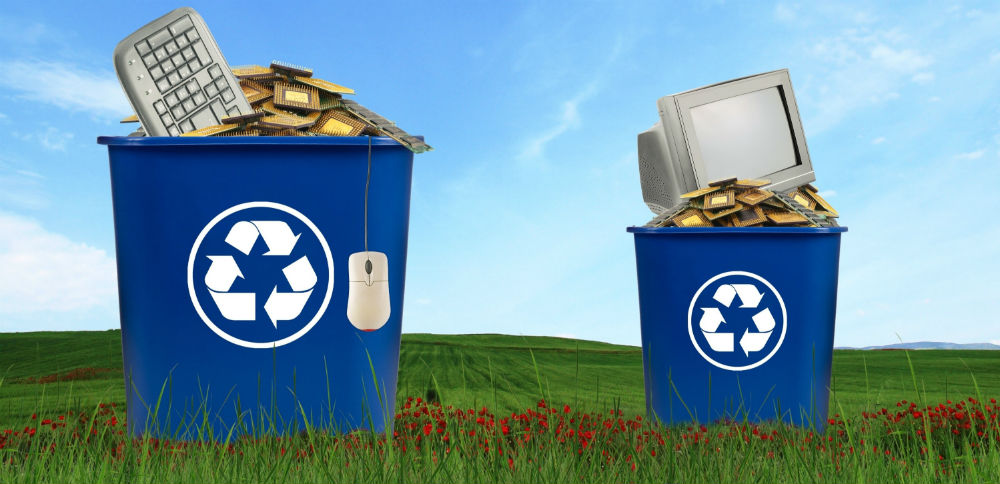
Cities generate vast amounts of hazardous waste—from batteries, electronics, paints, to industrial solvents. Without proper recycling, these materials threaten urban waterways, soils, and air quality. However, innovative recycling technologies enable cities to turn their toxic waste streams into building blocks for sustainable urban ecosystems.
For example, recycled rubber from worn tires and plastics, often classified as hazardous waste when mixed with chemicals, can be processed into permeable paving materials. These surfaces reduce urban flooding by allowing rainwater to seep through, filtering pollutants and replenishing groundwater. They also mitigate heat island effects by enhancing vegetation growth along streets and parks.
Recycled metals from electronic waste feed into manufacturing new infrastructure components, reducing environmental impact. Moreover, reclaimed industrial byproducts serve as soil amendments in urban green roofs and community gardens, improving plant health and biodiversity in otherwise grey, concrete-dominated environments.
By managing hazardous waste through recycling, cities not only minimize pollution but also actively create healthier, more resilient urban ecosystems that improve quality of life for millions.
Technological Innovations Paving the Way for Ecological Healing
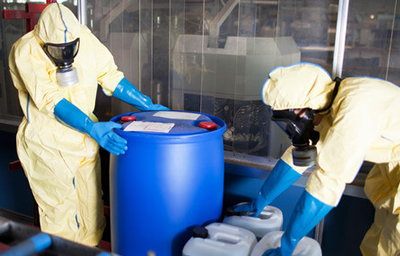
The ability to safely recycle hazardous waste and transform it into restorative tools depends heavily on advances in technology and environmental science. Techniques like thermal desorption, chemical stabilization, plasma gasification, and bioleaching are revolutionizing how we handle the most toxic substances.
Thermal desorption uses heat to vaporize hazardous compounds, which are then collected and treated, leaving behind inert solids that can be recycled or safely used in remediation. Plasma gasification employs ultra-high temperatures to break down complex hazardous chemicals into basic, harmless molecules and recover energy in the process.
Bioleaching leverages bacteria to extract heavy metals from contaminated soils and waste streams, enabling metal recovery and soil detoxification simultaneously. Such methods have opened new frontiers in recycling hazardous waste with minimal environmental footprints.
Equally critical are stringent regulations and international cooperation. Countries with robust hazardous waste management laws incentivize recycling and restoration efforts. Global agreements ensure hazardous materials are tracked, treated, and recycled properly, preventing illegal dumping that devastates ecosystems.
By aligning innovation with policy, recycling hazardous waste transcends a technical process—it becomes a global movement for ecological justice and restoration.
Nature’s Resilience: The Promise of Recovery Through Recycling
Nature has an incredible capacity to recover, provided the damage is managed wisely. Recycling hazardous waste unlocks this potential by removing or neutralizing toxic threats, enabling plants, animals, and microorganisms to reclaim their habitats.
Whether it’s a river once poisoned by industrial runoff now teeming with fish, a forest regrowing on a remediated mining site, or an urban park flourishing on recycled soil amendments—the results speak volumes. They reveal a future where human industry and natural ecosystems can coexist and support one another.
Recycling hazardous waste as a tool for environmental healing demands responsibility and vision. It asks us to see beyond the immediate danger, to recognize the latent value in what we discard, and to commit to the long-term health of our planet.
The journey from toxic to terra—a world where waste becomes nourishment—is not just possible; it is already underway. With continued dedication, innovation, and care, it will shape a future where ecosystems are not just protected but truly restored.


