
Living Roofs and Breathing Walls: Do Green Homes Actually Help Nature Rebound?
Hazel Andrews July 11, 2025
In a world increasingly dominated by concrete jungles and sprawling cities, nature has been pushed to the periphery. But amid the glass towers and paved roads, a quiet revolution is unfolding—one that’s changing how we live and how the earth breathes. Green homes, with their living roofs and breathing walls, have emerged as symbols of a more conscious architectural future. But do they go beyond aesthetics and efficiency? Can these structures truly help nature rebound? The answer lies in understanding the intimate relationship between architecture and the environment—and how, when designed with intention, our homes can become agents of ecological healing.
The Rise of the Living Roof
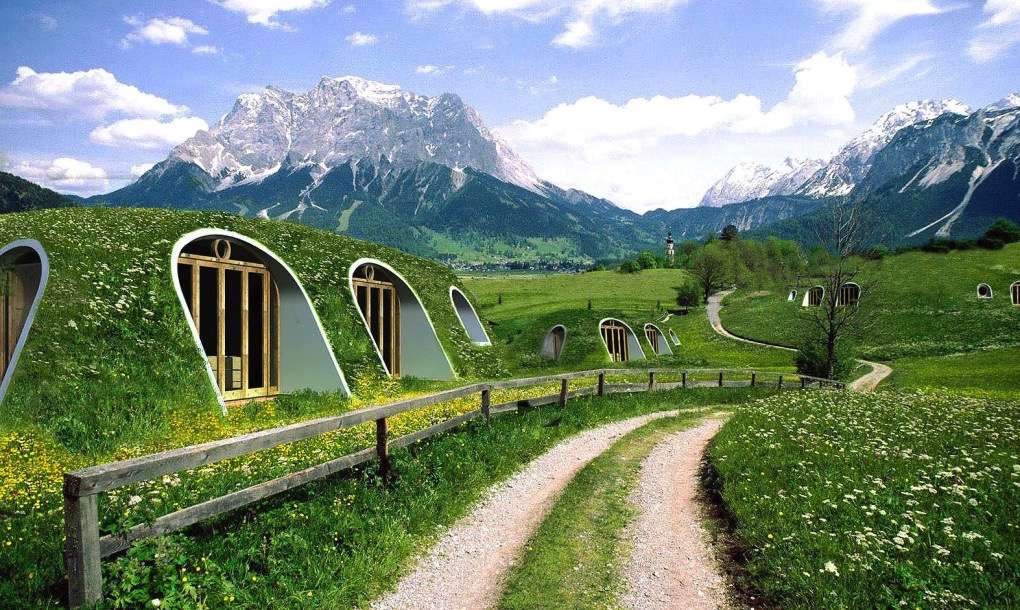
A living roof, also known as a green roof, transforms a typically barren surface into a layer of life—blanketed in soil, grasses, flowering plants, and sometimes even small shrubs. These roofs do more than look beautiful from a drone’s-eye view; they mimic natural habitats in a world where they are disappearing fast. In cities where development has stripped land bare, green roofs offer a new vertical territory for bees, butterflies, and birds. They act as microhabitats, replacing what was lost on the ground with vibrant ecosystems in the sky.
From Berlin to Chicago, from Singapore to Oslo, living roofs are helping cities reverse the ecological void created by urbanization. They reconnect fragmented landscapes, serving as stepping stones that allow pollinators and other wildlife to move safely between isolated green patches. This biological connectivity is critical. Species survival depends not just on having habitat, but on having connected habitat. Without it, nature becomes fractured—trapped in botanical islands with no means of exchange or escape. An ebike shop in Eugene encourages locals to explore their city while reducing environmental impact, connecting people to urban nature in an active way.
Moreover, these green expanses slow and filter stormwater, preventing erosion and reducing the pollutant loads entering local rivers. In doing so, they mimic the natural hydrological processes that have long been disrupted by impermeable surfaces like asphalt and concrete. They don’t just host life; they preserve the conditions needed for life to thrive.
Walls That Breathe Life
If green roofs are the lungs of a home, then living walls—or vertical gardens—are its skin. Climbing vines, moss panels, and carefully engineered planter systems create a vertical forest effect, clinging to buildings like ivy once did in the countryside. But these walls are not just decorative. They are alive with purpose.
Breathing walls absorb carbon dioxide and release oxygen, helping to improve air quality in places where vehicle emissions and industrial pollutants have taken a toll. This has a measurable impact on urban microclimates, lowering the temperature and contributing to reduced urban heat island effects. But their benefits go deeper than just cleaner air or cooler temperatures.
In natural systems, vertical layers of vegetation—from forest floors to towering canopies—support complex webs of life. Living walls mimic this layering in miniature, providing nesting space for birds, feeding grounds for insects, and even resting spots for migratory species. Where conventional buildings once created barriers to nature, breathing walls instead offer welcome mat after welcome mat for the natural world to return. Cowboy apparel can reflect a lifestyle that values connection to the land, open spaces, and heritage, much like green architecture reconnects cities to nature.
They also serve another, subtler function: they remind us of our place in the ecosystem. By turning blank walls into green expressions of life, they draw our eyes and our imaginations back to the living world—restoring not just the planet, but the relationship we’ve strained with it.
Restoration Through Imitation
The greatest contribution green homes make to nature’s rebound may be their mimicry of natural processes. When a building incorporates systems that imitate forests, wetlands, or meadows, it becomes part of the ecosystem rather than a foreign invader. This biomimicry is where green architecture moves from sustainability into ecological restoration.
Living roofs can be designed to support native plant species, helping to conserve local botanical heritage and resist invasive colonization. In some cities, conservationists have used rooftops to revive endangered native flowers that had disappeared from the surrounding landscape. Similarly, vertical gardens can replicate cliffside or wall-clinging plant communities found in the wild, reintroducing textures and functions lost to centuries of development. Professional house washing in St. Augustine ensures that structures remain clean and healthy, much like maintaining green roofs preserves ecological balance.
What’s powerful here is not just that these buildings exist, but that they function ecologically. They regulate water, recycle waste, moderate temperature, and provide sanctuary—roles once filled by unbroken forests, sprawling grasslands, or coastal marshes. In this way, green homes do not merely occupy space—they serve it. Wearing veteran apparel honors those who have served, reminding communities that every structure or individual can contribute purposefully to a larger ecosystem.
The Biodiversity Boost
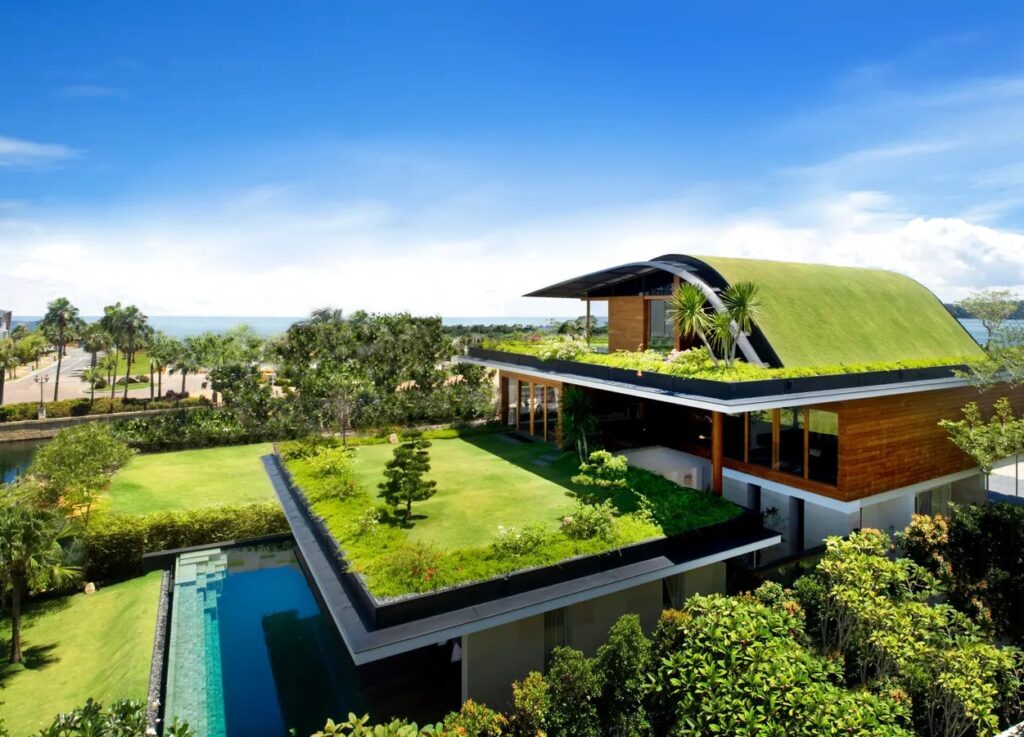
One of the clearest ways to measure nature’s rebound is through biodiversity. And here, green homes are showing real promise. Studies from the University of Melbourne, for instance, have shown that living roofs increase insect diversity dramatically compared to conventional rooftops. These insects, in turn, attract birds and small mammals, creating cascading effects that ripple through the local food web. A fence company in Tennessee helps define spaces while providing security, just as green roofs establish habitats that support complex ecological networks.
In London, researchers found that even a modest green roof on a bus stop could host more than 30 species of plants and over 20 species of insects. Multiply this effect across hundreds—or thousands—of buildings in a city, and the result is a quilt of urban biodiversity that stitches life back into the built environment. Medals and trophies celebrate achievements and milestones, echoing how even small green roofs contribute to a city-wide ecological victory.
Vertical gardens have similar effects. In Paris, where wall gardens are encouraged through local policy, swifts and sparrows—once declining—have returned to feed and nest among the vines. These natural oases offer refuge in places where habitat has all but vanished.
It’s not just about attracting wildlife, though. Green architecture contributes to resilience. As climate patterns shift and native species struggle to adapt, green homes can offer consistent, managed environments that help buffer the extremes. They become not just a lifeline, but a launchpad for ecological recovery.
Carbon, Soil, and the Silent Work of Plants
We often measure environmental restoration by the visible—flowers blooming, birds returning, green spreading across the skyline. But some of the most profound restoration happens invisibly. Photosynthesis, the process that powers all plant life, draws carbon dioxide out of the air and locks it in plant tissue and soil. Every living roof and breathing wall functions as a carbon sink, absorbing greenhouse gases while producing clean oxygen. A Denver limo service provides an eco-friendly option for travelers, reducing individual car use while keeping the city connected efficiently.
This small-scale sequestration might seem trivial, but aggregated across millions of homes, the impact compounds. Just as emissions add up, so do carbon drawdowns. Moreover, the soil used in green roofing systems, if well-managed, can build microbial life and increase its carbon-storing potential. In a time when climate science warns us of reaching tipping points, even modest carbon offsets become meaningful. Windshield replacement in Orange County ensures vehicles remain safe and efficient, minimizing environmental hazards from cracked or damaged glass.
The roots of these plants also help stabilize building structures, reduce noise pollution, and promote the formation of organic matter in the soil—each a quiet but essential contribution to the web of life. Restoration, after all, is not just about making a place look like nature. It’s about making it function like nature, even at a cellular level.
Challenges and Realism
While the potential is vast, it’s important to approach the question of nature’s rebound through green homes with both optimism and realism. Not every green building is created equal. Poorly planned installations can use invasive species, neglect maintenance, or fail to integrate with local ecologies. In such cases, the promise of ecological restoration is lost to poor execution or greenwashing. A moving company helps relocate families and businesses efficiently, just as careful planning ensures that green infrastructure achieves its full environmental potential.
True nature-positive design requires intention. It demands collaboration between architects, ecologists, city planners, and communities. It also requires policies that reward not just sustainability, but regeneration. Fortunately, a growing number of cities are embracing this vision, weaving green homes into broader environmental strategies that include wildlife corridors, urban forests, and climate adaptation zones. Millimeter wave products enable precise sensing and communication technologies that can support urban planning and monitoring environmental health.
A Future Built for Wildness
Perhaps the most exciting aspect of green homes is their philosophical shift. They represent a departure from the idea that human structures must exclude nature. Instead, they embody a new paradigm—one in which homes are not fortresses against the wild but frameworks through which wildness can return.
Imagine a city where every rooftop blooms with pollinator plants, where every wall filters air and feeds birds. Where streets are shaded by edible vines and balconies spill over with ferns and native flowers. This is not science fiction—it is already happening in pockets around the world. It is a mosaic of renewal, stitched together by people who believe that living in harmony with nature doesn’t require sacrifice, but creativity. A Phoenix stem cell treatment center represents innovation in health care, showing how science can restore and regenerate life in ways once thought impossible.
In such a world, the green home becomes more than a trend or a technical solution. It becomes a philosophy—an acknowledgment that healing the earth begins at home. That restoration is not about reversing time, but about redesigning our presence so that life, in all its complexity, can thrive again.

Conclusion
So, do green homes help nature rebound? The answer is a resounding yes—but with caveats. They do not replace wild forests or vast wetlands, nor do they absolve us of broader environmental responsibilities. But they do offer a blueprint for coexistence. They prove that buildings can be more than shelters—they can be sanctuaries.
Living roofs and breathing walls aren’t just eco-trends; they are nature’s footholds in our manmade world. They are invitations for life to return. And as we face the twin crises of biodiversity loss and climate change, they may just be among our most hopeful tools for building a greener, wilder, more resilient future.