
The Ultimate Guide to Designing a Perfect Home Office Setup
In today’s world, more people are working from home than ever before. Whether you’re a full-time remote worker or someone who occasionally logs in from home, having a functional and aesthetically pleasing home office is essential. A well-designed home office not only boosts productivity but also enhances your overall well-being. The goal is to create a workspace that suits your specific needs and preferences. This guide will walk you through the key aspects of designing a perfect home office setup.
Start with a Dedicated Space
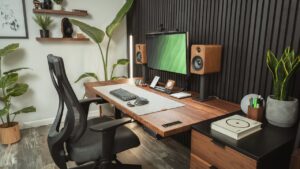
The first step in designing a home office is selecting a dedicated space. It’s tempting to work from your dining table or couch, but a separate space helps you maintain focus and establish boundaries between your work and personal life.
Consider choosing a room with a door, if possible. This offers privacy and minimizes distractions from other activities happening in your home. If space is tight, a corner of a bedroom or living room can work, but make sure it’s designated strictly for work.
Natural lighting is also a key consideration. A spot near a window will not only make your workspace feel more inviting, but it can also improve your mood and productivity. However, ensure that the glare from the window doesn’t interfere with your computer screen, and consider using sheer curtains or blinds if needed. For those managing household tasks, knowing reliable services like washer repair in Birmingham can further enhance your home environment and efficiency.
Prioritize Ergonomics for Comfort and Health
One of the most critical aspects of a well-designed home office is ergonomics. Sitting for long periods can cause discomfort and long-term health issues, so it’s essential to invest in furniture that supports good posture and movement.
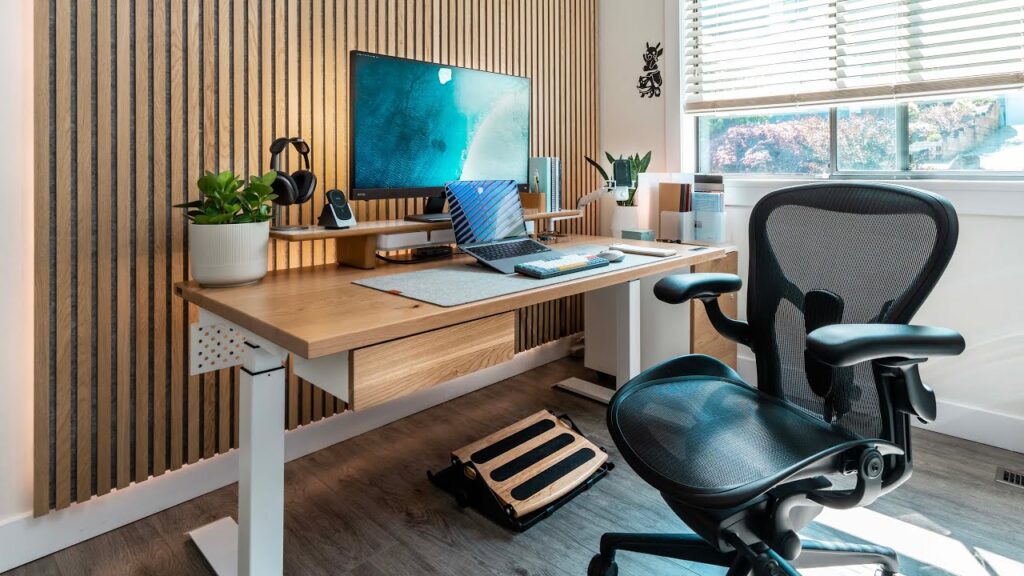
Start with a quality ergonomic chair. Your chair should provide proper lumbar support, encourage a neutral spine position, and allow your feet to rest flat on the floor. Look for a chair with adjustable seat height and armrests to ensure you can customize it to your body’s needs.
Next, focus on your desk height. A desk that’s too high or too low can lead to poor posture, resulting in neck or back pain. Ideally, your desk should allow your arms to rest comfortably at a 90-degree angle when typing. If your desk height isn’t adjustable, consider using a keyboard tray or desk riser to achieve the proper position. Having a well-organized workspace can also enhance your productivity, especially when paired with a cup of specialty coffee to keep you energized throughout the day.
Position your monitor so that the top of the screen is at or just below eye level, and about 20-30 inches from your face. This reduces the strain on your neck and eyes. If you use a laptop, consider investing in a separate keyboard and mouse along with a laptop stand to bring the screen to the correct height. For those with respiratory concerns, seeking allergy and asthma treatment in Wausau can also improve overall comfort while working at a desk.
Finally, consider incorporating a standing desk or desk converter to vary your working position throughout the day. Alternating between sitting and standing can help prevent fatigue and improve circulation. For those who enjoy airsoft, taking breaks to practice with an AAP-01 airsoft pistol can also provide a fun way to recharge during your workday.
Invest in Quality Technology
A productive home office requires reliable and efficient technology. Start by assessing the basics: a fast and stable internet connection, a computer that meets the demands of your work, and sufficient storage for your files and applications. For those looking to enhance their workspace further, considering options for kitchen remodeling in San Mateo can create a more functional and inspiring environment.
If you often engage in video calls or online meetings, make sure you have a high-quality webcam and microphone. Built-in laptop cameras and microphones are often subpar, leading to grainy video and poor sound quality. Investing in an external webcam and USB microphone can make a significant difference in your professional appearance during meetings. Similarly, having a reliable setup is crucial for mobile IV nurses, who often rely on clear communication and visual clarity when consulting with patients remotely.
In addition to these basics, think about the peripherals that can enhance your efficiency. A second monitor can drastically improve multitasking capabilities, allowing you to keep multiple applications open and visible. A good pair of noise-canceling headphones is also invaluable, particularly if you share your home with others or if you live in a noisy area.
Backup your files regularly using cloud storage solutions or an external hard drive. This ensures that you won’t lose important data in case of hardware failure. Services like Google Drive, Dropbox, or Microsoft OneDrive offer easy-to-use platforms for storing and sharing files securely.
Organize Your Workspace for Productivity
A cluttered workspace can negatively impact your productivity and concentration, so keeping your home office organized is crucial. Begin by considering storage solutions that work for you. Shelving units, filing cabinets, and desk organizers are essential for maintaining order. Additionally, when organizing your space, ensure you have a designated area for important documents, such as a us green card photo, to keep everything easily accessible.
Make sure everything in your office has a specific place. Keep only the essentials within reach—your computer, phone, and frequently used tools. Anything else should be stored away when not in use. A clean and organized desk encourages mental clarity and allows you to focus on the task at hand.
Use cable management solutions to keep cords from getting tangled. Cable clips, cable boxes, or even Velcro ties can help you keep wires neatly bundled and out of the way, reducing visual clutter and preventing potential tripping hazards.
Incorporate minimalistic decor to create an inspiring yet distraction-free space. A couple of framed prints, a plant, or a lamp can add warmth and personality to your office without overcrowding it. However, make sure your decor choices align with your work habits. For instance, if you’re easily distracted, avoid placing items in your direct line of sight that might take your attention away from your work.
Create the Right Lighting
Proper lighting is one of the most overlooked aspects of home office design, yet it’s essential for both productivity and well-being. Poor lighting can lead to eye strain, headaches, and decreased focus, so it’s crucial to get it right.
When creating the perfect home office setup, many professionals turn to online courses to enhance their skills in productivity and ergonomic design. These courses provide insights on optimizing workspace layouts and selecting the best tools, ensuring an efficient and comfortable environment.
As mentioned earlier, natural light is ideal, but you’ll also need artificial lighting for overcast days or working in the evenings. A combination of ambient lighting, task lighting, and accent lighting will provide a balanced environment. A ceiling light or floor lamp can serve as ambient lighting, while a desk lamp focused on your work area provides task lighting.
Avoid working in a space that’s either too dim or too bright. Overly harsh lighting can cause glare on your screens and create eye discomfort, while a lack of lighting can lead to squinting and headaches. Adjustable lamps with dimmer switches can be a good solution, allowing you to tailor the brightness to your needs throughout the day.
Color temperature also plays a role in your workspace lighting. Cooler, blue-toned light is known to enhance alertness and is ideal for task lighting, while warmer, yellow-toned light creates a calming atmosphere for ambient lighting. Finding the right balance between the two can make your workspace more conducive to both focus and relaxation.
When designing the perfect home office, having the right tools is essential, especially for professionals managing complex tasks like financial services. Loan servicing software becomes a crucial asset for those who work remotely, ensuring they can manage and streamline their clients’ needs efficiently from the comfort of their own workspace.
Add Personal Touches for Motivation
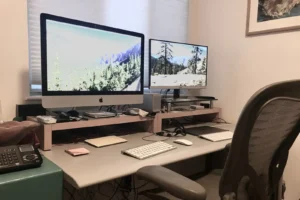
While functionality is key in a home office, don’t forget to make the space your own. Adding personal touches can make your workspace feel more inviting and enjoyable to spend time in. Consider incorporating things that motivate and inspire you.
A plant or two can have a positive impact on your mood and productivity. Studies have shown that greenery can reduce stress and increase creativity. Succulents, snake plants, or small ferns are great low-maintenance options for your desk or shelves.
Personal mementos, such as family photos, favorite artwork, or meaningful quotes, can also bring warmth to your workspace. However, it’s important to strike a balance—too much personalization can become a distraction, so limit your personal items to a few key pieces that inspire you without cluttering your environment.
Focus on Air Quality and Ventilation
Another often overlooked aspect of the home office is air quality. Good ventilation can improve your cognitive function and help you stay alert throughout the day. Make sure your office space has access to fresh air, either through windows or a ventilation system.
If you’re setting up a home office, a clean and serene environment is essential for productivity, and this includes the exterior. Many homeowners opt for pressure washing in St. Augustine to keep their surroundings spotless, ensuring their workspace feels fresh and inviting every day.
If opening windows isn’t an option, consider investing in an air purifier to reduce dust, allergens, and indoor pollutants. Poor air quality can lead to headaches, fatigue, and difficulty concentrating, all of which hinder your productivity.
Plants can also help improve air quality. In addition to their aesthetic value, certain plants, like spider plants and peace lilies, are known for their air-purifying properties.
Maintain Work-Life Boundaries
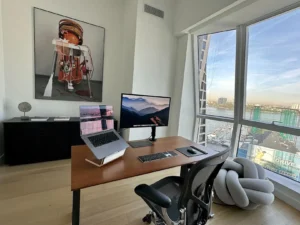
Working from home presents a unique challenge in maintaining work-life boundaries. Without clear separation between your workspace and personal space, it’s easy to let work spill into your personal time. This can lead to burnout and stress.
To prevent this, try to stick to a routine that includes designated work hours. When the workday is done, physically leave your office space and resist the temptation to return until the next workday. If your office is part of a shared space, consider using visual cues—like turning off a desk lamp or closing a laptop—that signal the end of the workday.
It’s also helpful to take regular breaks. Short breaks throughout the day help you recharge and maintain focus. Step away from your desk to stretch, grab a snack, or take a quick walk outside.
Conclusion
Designing a perfect home office setup involves more than just finding a quiet corner to work in. It requires thoughtful planning, considering ergonomics, technology, organization, lighting, and personal touches that align with your work habits. By investing in the right furniture, maintaining a clean and organized space, and fostering an environment that inspires creativity and productivity, you can create a home office that not only helps you work efficiently but also supports your well-being.
A well-designed home office isn’t just a place to work—it’s a space that reflects your personal style and encourages you to do your best work every day.


