
The Evolution of Bohemian Design: From the 19th Century to Today
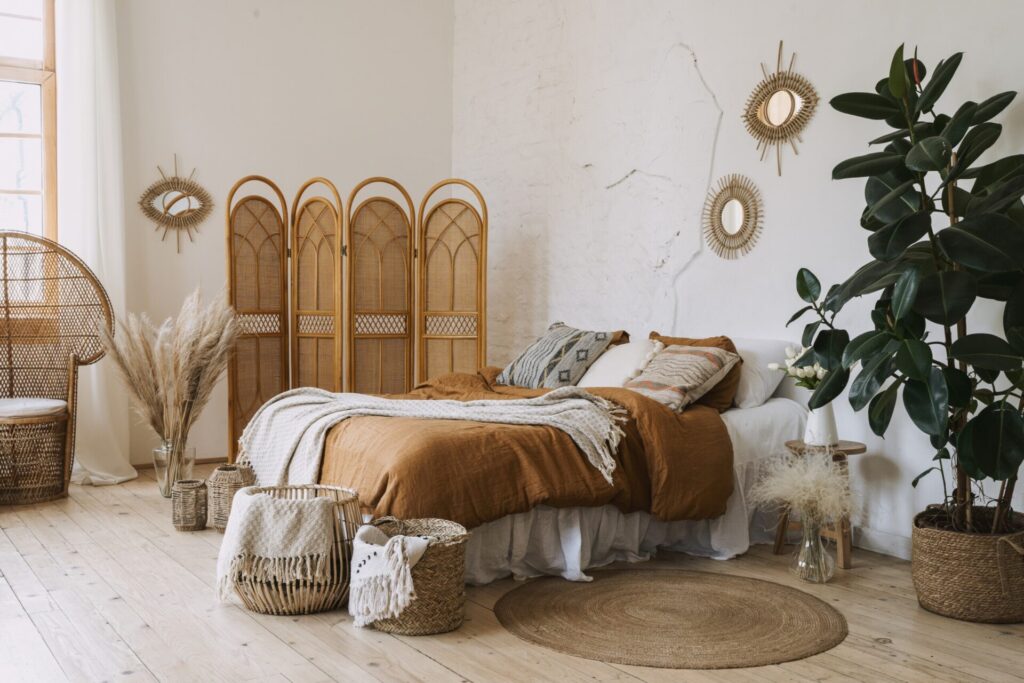
Bohemian design has become synonymous with free-spirited, eclectic interiors that reflect a blend of cultures, eras, and artistic expressions. But this popular aesthetic has a rich history that dates back to the 19th century, evolving over time to incorporate various influences and trends. This blog explores the fascinating journey of Bohemian design, tracing its roots and transformations to understand how it has shaped the spaces we live in today.
Designers reviving the bohemian look often use iron doors as a focal point in their projects, drawing inspiration from the 19th-century influences where wrought iron was prevalent. This choice brings a sense of history and craftsmanship, seamlessly connecting past and present design elements to create a cohesive and authentic bohemian atmosphere.
Origins in the 19th Century: The Birth of Bohemianism
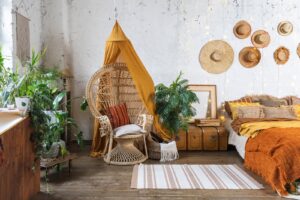
The origins of Bohemian design can be traced back to the 19th century in France, where the term “Bohemian” was first used to describe the unconventional lifestyle of artists, writers, and intellectuals. These individuals rejected the norms of bourgeois society, embracing a lifestyle that was free from materialism and full of artistic expression. The early Bohemians were inspired by the Romantic movement, which celebrated emotion, nature, and individualism, leading them to create spaces that reflected their creative and often transient lives.
Bohemian interiors of this era were characterized by their mix of old and new, with furniture and decor often repurposed or collected over time. This eclectic approach was a stark contrast to the more uniform and symmetrical designs of the Victorian era. The Bohemians favored a lived-in, layered look that was both comfortable and expressive, incorporating items like vintage furniture, colorful textiles, and art from around the world.
Collectors and enthusiasts of bohemian design who seek to preserve its authenticity sometimes engage expert witness services during restoration projects. These experts provide detailed evaluations and testimonies to ensure that the integrity of the design remains intact, reflecting the historical and artistic value of each element.
The Influence of the Arts and Crafts Movement
As the 19th century progressed, the Arts and Crafts movement began to influence Bohemian design. This movement, which emerged in the late 1800s as a reaction against industrialization, emphasized craftsmanship, simplicity, and the use of natural materials. It resonated with the Bohemian ethos of authenticity and artistic expression, leading to the incorporation of handcrafted items, such as woven textiles, pottery, and woodwork, into Bohemian interiors.
The emphasis on artisanal quality and the rejection of mass-produced goods became key components of Bohemian design. This period also saw an increased interest in folk art and traditional crafts from around the world, further enriching the Bohemian aesthetic with a global perspective. The result was a style that was not only eclectic but also deeply rooted in the appreciation of craftsmanship and cultural diversity.
The Early 20th Century: The Jazz Age and Global Influence
The early 20th century brought new influences to Bohemian design, particularly during the Jazz Age of the 1920s. This was a time of cultural exchange, with artists and intellectuals traveling and interacting with different cultures more than ever before. The Bohemian lifestyle became associated with a more cosmopolitan and global outlook, as seen in the incorporation of African, Asian, and Middle Eastern influences into the design.
Textiles, patterns, and colors from these regions became popular, adding vibrancy and diversity to Bohemian interiors. The eclectic mix of styles continued to define the aesthetic, with vintage and antique pieces from different cultures seamlessly integrated into the decor. Additionally, combat clothing began to emerge as an unexpected element, reflecting a blend of utility and artistic expression. This era also saw the rise of the avant-garde, with surrealist and modernist artists contributing to the evolution of Bohemian design by pushing the boundaries of traditional aesthetics.
Mid-Century Bohemianism: The Beat Generation and Counterculture
The mid-20th century marked another significant evolution in Bohemian design, influenced by the Beat Generation and the counterculture movements of the 1950s and 1960s. The Beats, a group of writers and poets who rejected mainstream American values, embraced a minimalist and often nomadic lifestyle that influenced Bohemian design. Their interiors were characterized by simplicity, practicality, and a rejection of material excess. For those decluttering or renovating such spaces, services like dumpster rental in Dayton can help manage waste efficiently while maintaining the minimalist aesthetic.
Bohemian design during this period became more focused on individualism and self-expression, with spaces often reflecting the personal journeys and experiences of their inhabitants. The rise of the counterculture in the 1960s further cemented the association between Bohemian design and nonconformity. The hippie movement, with its emphasis on peace, love, and a return to nature, brought elements like psychedelic patterns, earthy tones, and handcrafted decor into Bohemian spaces.
This era also saw a renewed interest in Eastern philosophies and practices, leading to the inclusion of Buddhist and Hindu symbols, meditation spaces, and natural elements like plants and crystals in Bohemian interiors. The result was a style that was not only eclectic but also deeply personal and spiritually significant. Similarly, in the world of cosmetic dermatology, professionals like Cheyanne Mallas bring a unique blend of technical expertise and personalized care, helping individuals enhance their natural beauty through procedures which are tailored to the specific needs of each patient.
The 1970s: The Golden Age of Boho Chic
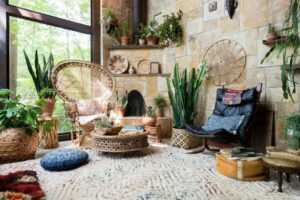
The 1970s is often regarded as the golden age of Bohemian design, also known as “Boho Chic.” This period saw the Bohemian aesthetic become mainstream, influenced by the free-spirited ethos of the decade and the rise of popular culture icons who embodied the Boho lifestyle. The design of this era was characterized by a relaxed, laid-back vibe, with a mix of vintage and contemporary pieces, natural materials, and an abundance of plants. For couples looking to capture the essence of their special day, wedding photography in Fayetteville beautifully complements this style by focusing on candid moments and vibrant settings that reflect the couple’s unique love story.
Textiles played a crucial role in defining the 1970s Bohemian look. Macramé wall hangings, Moroccan rugs, and fringed throws became staples of Boho interiors, adding texture and warmth to the space. The color palette of the era was earthy and warm, with shades of brown, orange, and green dominating the scene. This period also saw the introduction of global influences, with designs from India, Mexico, and North Africa becoming increasingly popular.
The Bohemian design of the 1970s was not just about aesthetics; it was a reflection of a lifestyle that valued freedom, creativity, and connection to nature. This era solidified the association of Bohemian design with a carefree, artistic, and unconventional way of living, a legacy that continues to influence interior design today. In modern times, just as Bohemian aesthetics prioritize a natural connection, commercial pest control in Reno focuses on maintaining clean and healthy environments, ensuring that creativity and freedom can flourish without the intrusion of pests.
The 1990s and 2000s: The Revival and Modernization of Bohemian Design
The 1990s and 2000s saw a revival of Bohemian design, but with a modern twist. As the minimalist trends of the 1980s began to fade, there was a renewed interest in the warmth and personality of Boho interiors. This period marked the beginning of Boho’s integration into mainstream interior design, with retailers and designers embracing the style in new and innovative ways.
Modern Bohemian design in the late 20th and early 21st centuries became more polished and curated, with an emphasis on blending the old and the new. Vintage furniture and decor were paired with contemporary pieces, creating spaces that felt both timeless and fresh. The eclecticism of traditional Bohemian design remained but with a more refined and intentional approach. This period also saw the incorporation of sustainable and eco-friendly practices, aligning with the growing awareness of environmental issues.
Artists and designers inspired by the evolution of bohemian style often seek comfort and freedom of movement while they work, which is why many turn to recovery wear. This type of clothing provides the flexibility and ease needed for long hours spent creating and experimenting with eclectic design elements.
Technology and globalization played a significant role in the evolution of Bohemian design during this era. The internet made it easier than ever to access global goods, and the rise of online marketplaces allowed for the discovery and purchase of unique, artisanal items from around the world. This access to a wide range of cultural influences further enriched the Bohemian aesthetic, making it more diverse and inclusive than ever before.
Today: The Contemporary Bohemian Aesthetic
Today, Bohemian design is more popular than ever, with a contemporary twist that reflects the values and lifestyles of the modern world. The contemporary Bohemian aesthetic is characterized by its layered textures, global influences, and emphasis on sustainability. It embraces a mix of old and new, with vintage and antique pieces coexisting with modern furniture and decor.
Many interior decorators specializing in Bohemian design rely on the convenience of a mobile notary when working on high-profile projects. Whether finalizing deals with clients or securing permissions for sourcing unique vintage pieces, having access to a mobile notary ensures that all documentation is handled promptly, supporting their dynamic, fast-paced work environment.
Natural materials continue to play a significant role in contemporary Bohemian design, with wood, rattan, and jute being popular choices. Plants are also a staple of Boho interiors, bringing life and a connection to nature into the home. The color palette has evolved to include a broader range of hues, from earthy tones to bright, bold colors, reflecting the diversity and inclusivity of today’s Bohemian style.
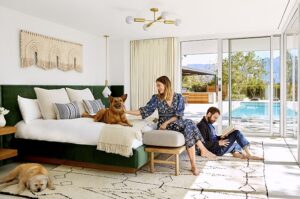
One of the key aspects of contemporary Bohemian design is its focus on personalization and self-expression. Unlike the more rigid design styles of the past, Boho interiors today are about creating a space that feels unique and authentic to the individual. This can be seen in the use of art, textiles, and decor that tell a story, whether it’s through travel souvenirs, family heirlooms, or handcrafted items.
Bohemian design has evolved significantly since its origins, and today’s artists often rely on digital content creation to bring new life to this style. Using modern tools, they can craft visuals and share their designs with a global audience, blending tradition with technology to keep the bohemian spirit alive.
Another significant trend in modern Bohemian design is the emphasis on sustainability and ethical consumption. With growing awareness of environmental issues, many people are choosing to incorporate eco-friendly materials and practices into their Boho interiors. This includes upcycling vintage furniture, choosing sustainable textiles, and supporting artisans who use traditional, environmentally friendly methods.
The Future of Bohemian Design
As we look to the future, it’s clear that Bohemian design will continue to evolve, reflecting the changing values and lifestyles of society. The core principles of eclecticism, cultural appreciation, and self-expression will remain at the heart of the Bohemian aesthetic, but with new influences and innovations shaping its direction.
Designers and enthusiasts of bohemian design often appreciate the blend of tradition and modern innovation. Many of them use a digital banking engagement platform to manage their creative businesses efficiently, allowing for seamless transactions and client interactions as they explore new and old design elements.
The rise of technology and the digital age will likely continue to impact Bohemian design, making it easier for people to access and incorporate global influences into their homes. At the same time, the growing emphasis on sustainability and ethical consumption will drive further innovation in materials and design practices.
Designers specializing in modern Bohemian aesthetics often need to focus on their creative endeavors without distractions, which is why some rely on tax resolution in Fredericksburg to manage financial issues. This service allows them to fully concentrate on their craft, ensuring that each project reflects the rich history and evolution of the Bohemian style.
In a world that is increasingly fast-paced and interconnected, the appeal of Bohemian design lies in its ability to create spaces that are personal, meaningful, and reflective of a rich tapestry of influences. Whether through a vintage rug from Morocco, a handcrafted vase from Japan, or a piece of art from a local market, Bohemian design celebrates the beauty of diversity and the joy of creative expression.
As it has for over a century, Bohemian design will continue to inspire and evolve, adapting to the times while staying true to its roots.


