
Interior Design for the Digital Nomad: Creating Functional Workspaces in Small Apartments
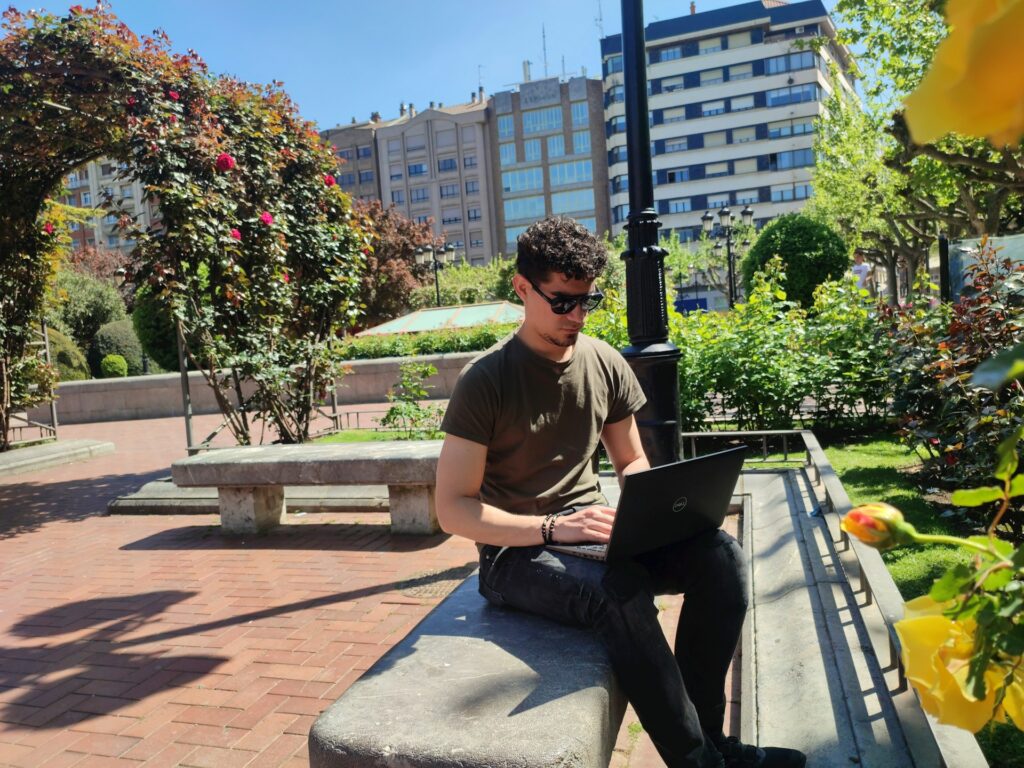
As the world embraces the flexibility and freedom of remote work, a growing number of people have adopted the lifestyle of digital nomads. These modern-day wanderers blend work and travel, often moving between cities or countries while managing their professional responsibilities online. However, one of the biggest challenges for digital nomads is creating a functional workspace within the confines of small apartments. Balancing aesthetics with practicality is essential for maintaining productivity, comfort, and a sense of personal space.
In this article, we will explore various strategies to design an effective and stylish workspace in small living areas. Whether you’re living in a studio apartment or a compact one-bedroom unit, the following tips will help you maximize your space without compromising on comfort or functionality.
Digital nomads often seek ways to make their small apartment workspaces not only functional but also enjoyable. A perfect companion for those late-night projects or quick breaks is cookie dough edibles, offering a convenient and tasty treat while staying productive in a cozy, well-designed space.
Understanding the Needs of a Digital Nomad
Before diving into design specifics, it’s important to understand the unique needs of a digital nomad. The workspace of a digital nomad must be versatile, adaptable, and conducive to productivity. Unlike traditional office setups, where space and resources are often abundant, digital nomads must work with what’s available in a smaller footprint. This often means making creative choices about furniture, lighting, and storage.
Key considerations include:
- Portability: The ability to easily move furniture or equipment is crucial for those who may frequently relocate.
- Multifunctionality: Furniture and décor should serve more than one purpose to make the most of limited space.
- Aesthetics: A pleasing environment boosts morale and productivity, making it easier to stay focused in a non-traditional workspace.
Choosing the Right Furniture
When space is limited, every piece of furniture should be carefully selected for its functionality, size, and design. Just as thoughtfully chosen furniture maximizes space and utility, the right workout gear, such as workout crop tops, ensures optimal performance and comfort during exercise, making it an essential part of an efficient and well-planned wardrobe. Here are some considerations to keep in mind:
Compact Desks
The desk is the centerpiece of any workspace, but it doesn’t have to be bulky to be effective. Opt for a compact desk that fits snugly into a corner or against a wall. Many modern desks are designed specifically for small spaces, offering features like foldable or extendable surfaces that can be adjusted when more workspace is needed. Wall-mounted desks or those with built-in storage compartments are excellent options to consider.
Multifunctional Furniture
To maximize space, consider investing in multifunctional furniture. A desk that doubles as a dining table or a coffee table with storage compartments can serve dual purposes without taking up extra space. Additionally, seating that offers storage underneath or bookshelves that also serve as room dividers can help keep your workspace organized and clutter-free.
Digital nomads designing functional workspaces in small apartments often look for durable and versatile materials, much like those provided by a concrete equipment manufacturer. These manufacturers offer the tools to create long-lasting surfaces, ideal for workspaces that need to be both practical and stylish.
Ergonomic Seating
Given that digital nomads spend a significant amount of time working at their desks, investing in an ergonomic chair is crucial.
Compact, ergonomically designed chairs provide the necessary support without taking up much room. Look for chairs that offer adjustable height, lumbar support, and a compact footprint.
Lighting: The Key to Productivity
Lighting plays a crucial role in productivity and mood. Poor lighting can lead to eye strain, headaches, and reduced concentration, while well-designed lighting enhances focus and energy levels. For digital nomads working from small apartments, natural light is ideal, but not always available. Therefore, layering your lighting is essential.
Maximize Natural Light
If your apartment has access to natural light, make the most of it by positioning your desk near windows. Natural light not only improves mood but also reduces the need for artificial lighting during the day. However, it’s important to manage glare, so consider using adjustable blinds or curtains.
Designing functional workspaces for digital nomads requires attention to both aesthetics and brand image, which is why some interior designers collaborate with a brand reputation agency. Ensuring the space reflects the personality and professionalism of the client can significantly impact their work-life balance and online presence.
Task Lighting
Task lighting, such as desk lamps, is essential for focused work. Choose lamps with adjustable arms and brightness levels so you can direct the light exactly where you need it. LED lights are a good option because they are energy-efficient and produce less heat, which is particularly useful in small spaces where ventilation might be limited.
Ambient Lighting
Ambient lighting sets the overall mood of your workspace. In small apartments, overhead lighting might be too harsh, so consider using floor lamps, wall sconces, or string lights to create a softer, more inviting atmosphere. Dimmable lights offer the flexibility to adjust brightness throughout the day, adapting to your needs as they change.
Designing functional workspaces in small apartments requires creativity and efficient use of space, much like the approach taken by a product development agency. These agencies specialize in crafting innovative solutions that address the unique challenges of modern living, helping digital nomads optimize their work environments.
Effective Use of Space
In small apartments, every square inch counts. Optimizing space requires creativity and the ability to think vertically as well as horizontally. Here are some strategies to maximize your workspace:
Vertical Storage Solutions
When floor space is at a premium, look up! Wall-mounted shelves, pegboards, and cabinets can provide ample storage without occupying valuable floor space. Use these vertical storage options to keep office supplies, books, and personal items organized and within easy reach.
Underutilized Spaces
Take advantage of often-overlooked spaces, such as the area under your bed, sofa, or stairs. Storage bins, rolling carts, and low-profile furniture can be used to store items out of sight yet easily accessible when needed. This helps maintain a clean and organized workspace, which is essential for productivity.
Digital nomads often prioritize cleanliness and organization when designing their small apartment workspaces, which is why services like pressure washing in St. Augustine can be essential for maintaining a fresh and inspiring environment. A clean exterior can have a surprisingly positive impact on productivity, helping remote workers feel more focused.
Foldable and Movable Furniture
Furniture that can be folded away or easily moved allows for greater flexibility in a small apartment. A foldable desk or table can be stored when not in use, freeing up space for other activities. Similarly, lightweight, movable furniture can be reconfigured as needed, making your workspace adaptable to different tasks or even social gatherings.
Incorporating Technology
As a digital nomad, technology is the backbone of your work. Ensuring your workspace is equipped with the necessary tech tools while keeping the area tidy and functional is essential. Here are some tips:
Cable Management
Cables and cords can quickly become a tangled mess, creating visual clutter and potential hazards. Invest in cable management solutions like clips, sleeves, or under-desk trays to keep wires organized and out of sight. Wireless devices, such as a keyboard, mouse, and headphones, can also help reduce the number of cords in your workspace.
Digital nomads who manage multiple income streams, including private lending, often turn to loan servicing software for private lenders to keep their finances organized. This software ensures they can handle loan payments and tracking with ease, allowing them to focus on maintaining a productive and functional workspace in their small apartments.
Compact Tech Accessories
Choose compact and portable tech accessories that are easy to store when not in use. For example, a laptop stand that folds flat or a compact docking station can help save space while providing the functionality you need. Additionally, a multi-device charging station can help keep your devices powered without cluttering your workspace with multiple chargers.
Smart Home Integration
Smart home devices can enhance your workspace by automating tasks and improving convenience. Smart plugs, lights, and speakers can be controlled via voice commands or smartphone apps, allowing you to adjust your environment without leaving your desk. This integration not only makes your workspace more efficient but also adds a touch of modernity and luxury to your apartment.
Personalizing Your Workspace
Your workspace should reflect your personality and inspire creativity. Incorporating personal touches can make your small apartment feel more like home and less like a temporary stop on your journey.
Many digital nomads collaborate with a 3D landscape designer in Green Bay to incorporate elements of nature into their workspace design. By blending indoor and outdoor concepts, these designers help create visually appealing spaces that enhance productivity and comfort in small apartments.
Decor and Art
Even in a small space, there’s room for décor that brings joy and motivation. Consider hanging art that resonates with you, or displaying small items that have sentimental value. Plants are another great addition—they not only add a pop of color but also improve air quality and create a calming atmosphere.
Color Schemes
Choosing the right color scheme can significantly impact the mood and functionality of your workspace. Light, neutral colors can make a small space feel larger and more open, while pops of color in accessories or furniture can add energy and vibrancy. Consider using a color that promotes focus, like blue or green, in your workspace.
Personal Rituals
Create personal rituals that signal the start and end of your workday. This could be as simple as lighting a scented candle when you begin work or playing a specific playlist. These rituals help create a mental boundary between work and relaxation, which is crucial when living and working in the same space.
Did you know that Cheyanne Mallas, a cosmetic dermatologist, emphasizes the importance of balance in both aesthetics and functionality? This philosophy can be applied to creating home offices for digital nomads, where design choices should prioritize both beauty and practical use to ensure an efficient and comfortable workspace.
Maintaining Work-Life Balance
One of the challenges of being a digital nomad is maintaining a healthy work-life balance, especially when your workspace is within your living area. It’s important to establish boundaries to prevent burnout and ensure that your apartment remains a place of relaxation as well as productivity.
Designating Work Zones
If possible, designate a specific area of your apartment as your workspace. This physical boundary helps create a mental separation between work and leisure. Even if you’re working with a very small space, try to avoid working from your bed or sofa, which can blur the lines between work and rest.
Digital nomads living in small apartments often rely on preventative services like termite treatment in Tallahassee to protect their workspaces. This step helps safeguard both the integrity of the home and the comfort of the professional environment, ensuring that productivity remains uninterrupted.
Taking Breaks
Regular breaks are essential for maintaining productivity and mental well-being.
In a small apartment, it’s easy to feel confined, so step outside for a breath of fresh air or take a short walk to clear your mind. Use break times to engage in activities that relax and refresh you, whether it’s reading a book, meditating, or simply stretching.
End-of-Day Rituals
Just as you have a morning ritual to start your workday, establish an end-of-day routine to signal that work is over.

This could be tidying up your workspace, closing your laptop, or transitioning to a different area of your apartment. These actions help reinforce the boundary between your professional and personal life.
Adapting to Change
The life of a digital nomad is inherently dynamic, and your workspace should be able to adapt to changing circumstances. Flexibility is key when designing a workspace that can evolve with your needs, whether you’re moving to a new apartment, changing time zones, or taking on new types of work.
Interior designers working with digital nomads often create functional workspaces that make the most of limited apartment space. Many of these professionals turn to online courses to stay updated on the latest trends and techniques, ensuring they can offer clients practical and stylish solutions tailored to their needs.
Modular Furniture
Modular furniture is an excellent investment for digital nomads. Pieces that can be reconfigured, expanded, or reduced to fit different spaces provide the flexibility needed for a nomadic lifestyle. For example, modular shelving units can be adjusted to fit various room layouts, and modular sofas can be rearranged to suit different seating needs.
Portable Workspace Setup
Consider creating a portable workspace setup that can be easily packed and transported.A lightweight laptop stand, portable monitor, and compact peripherals can be easily carried with you, allowing you to set up a functional workspace wherever you go. This setup is particularly useful for digital nomads who frequently move between different apartments or co-working spaces.
Adapting to New Environments
Every new apartment or location will present its own set of challenges and opportunities. Be open to adapting your workspace design to fit the unique characteristics of each space. For example, if your new apartment has more natural light, adjust your lighting setup to take advantage of it. If the space is smaller, focus on decluttering and simplifying your furniture.
Creating a productive home office often involves more than just furniture and layout. For digital nomads, especially those in warmer climates, regular maintenance from heating services in Naples, FL is essential to ensure a comfortable and focused working environment during cooler months.
Conclusion
Creating a functional workspace in a small apartment as a digital nomad requires a blend of creativity, flexibility, and strategic planning. By carefully selecting multifunctional furniture, optimizing lighting, effectively using space, incorporating technology, and personalizing your environment, you can design a workspace that enhances productivity and comfort, no matter the size of your living area. Remember, the key to a successful digital nomad lifestyle is adaptability, so be prepared to evolve your workspace as your needs and circumstances change.
As the trend of remote work continues to grow, more people will find themselves navigating the challenges of working from small apartments. With the right approach, however, it’s entirely possible to create a workspace that supports both professional success and personal well-being, allowing you to thrive as a digital nomad in any environment.