
From Smoke to Solutions: Combating the Greenhouse Crisis with Clean Energy and Smart Policy
Hazel Andrews July 23, 2025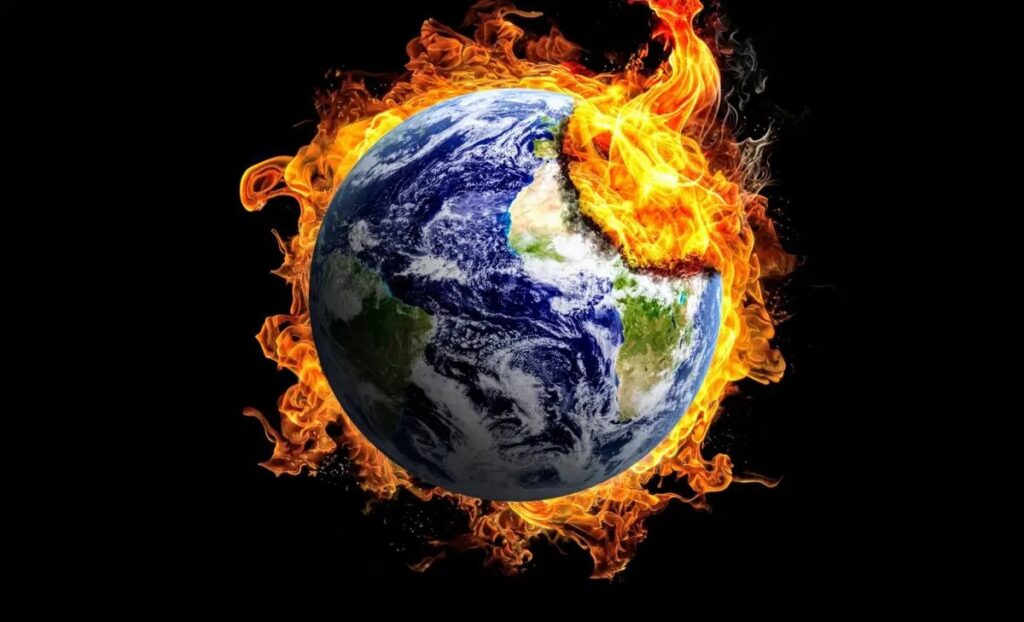
The Earth is heating up—not as a metaphor or an exaggeration, but as a scientific certainty. Carbon dioxide levels in our atmosphere have reached unprecedented levels, and the greenhouse effect—once a natural, life-enabling phenomenon—is spiraling out of control. At the heart of this crisis lies our dependence on fossil fuels, inefficient energy systems, and the slow pace of environmental policy reform. But within the smoke of this crisis, there are solutions. Clean energy and intelligent policy aren’t just buzzwords—they are our most powerful tools in reversing the dangerous trajectory of global warming and safeguarding the planet for generations to come.
The Smoke: Understanding the Greenhouse Effect’s Environmental Toll
To grasp the urgency of climate action, we need to understand the science behind the problem. The greenhouse effect, in its natural form, is essential for life on Earth. Greenhouse gases like carbon dioxide (CO₂), methane (CH₄), and nitrous oxide (N₂O) trap heat from the sun, maintaining the planet’s temperature at a livable level. But industrialization, deforestation, and the relentless burning of fossil fuels have supercharged this process.
The result is a planet that is warming at an alarming pace. Average global temperatures have already risen by more than 1.1°C since pre-industrial times. That might seem minor, but the effects are far from it. We’re witnessing stronger hurricanes, extended droughts, catastrophic wildfires, and melting glaciers. Sea levels are rising, threatening low-lying coastal cities and eroding ecosystems that took millennia to evolve. Coral reefs, which support 25% of marine life, are bleaching under stress. Entire species are disappearing as habitats vanish or shift faster than animals can adapt. Just as careful attention is needed to protect the environment, thoughtful choices in fashion, like selecting quality men’s button up shirts, ensure durability, style, and responsibility.
The environmental toll is not just a collection of isolated events—it’s a rapidly forming global cascade. Forests once thought to be carbon sinks are turning into carbon sources due to increased wildfires and disease. Permafrost, long frozen beneath the Arctic tundra, is melting and releasing methane, a greenhouse gas far more potent than CO₂. These feedback loops are amplifying the crisis and threatening to make parts of the planet uninhabitable within decades.

Clean Energy: The Cornerstone of Climate Recovery
At the root of this environmental crisis is our reliance on dirty energy. Coal, oil, and natural gas still power the majority of global infrastructure, and every step of their extraction, refinement, and combustion releases planet-warming emissions. Transitioning away from these sources is no longer optional—it’s essential.
Clean energy offers a path forward. Solar, wind, geothermal, and hydropower are not only abundant and renewable, but they emit little to no greenhouse gases when operational. They also represent a dramatic shift in how we interact with nature: rather than extracting and depleting, we harness and harmonize.
Solar power has seen exponential growth in the last decade. With rapidly falling costs, photovoltaic technology has become accessible for homes, businesses, and developing nations. Wind energy, particularly offshore turbines, has scaled up to meet large-scale demand with minimal land impact. Geothermal taps into the Earth’s own warmth to produce electricity and heat, while hydropower remains a steady workhorse in many national grids.
The environmental benefits of clean energy extend beyond emissions. Solar farms don’t pollute water or release toxic chemicals. Wind turbines don’t leak oil into rivers. Geothermal systems don’t strip mountains or raze forests. By moving toward clean energy, we not only reduce atmospheric carbon but also protect natural ecosystems from the direct harms of fossil fuel extraction.
The Role of Smart Policy in Accelerating Change
Technology alone isn’t enough. Without visionary, coordinated policy, the transition to a cleaner planet will be slow, uneven, and ultimately insufficient. Governments play a crucial role in setting the frameworks and incentives that either accelerate or hinder progress.
Smart climate policy begins with pricing carbon. When pollution has a cost, industries and consumers alike have an incentive to reduce their emissions. Carbon taxes and cap-and-trade systems have already proven effective in countries like Sweden and California. These approaches shift the financial burden of pollution back onto those responsible and make cleaner alternatives more competitive.
Subsidies must also be redirected. For decades, fossil fuel companies have received billions in government support—funds that could instead be used to foster renewable infrastructure, research, and community-led sustainability initiatives. Removing these outdated supports is a foundational step in leveling the playing field.
Strong environmental regulations are equally important. Mandating stricter fuel efficiency standards, building codes that promote energy conservation, and air quality protections helps reduce emissions at multiple levels of society. When enforced consistently, these policies create ripple effects throughout economies, nudging both innovation and behavioral change.
International agreements such as the Paris Climate Accord are another vital piece of the puzzle. No nation can solve global warming alone. Binding agreements with clear targets, transparent reporting, and mechanisms for accountability are necessary to prevent free-riding and ensure collective progress.
Finally, climate policy must be equitable. Low-income and marginalized communities are often the most affected by climate change yet contribute the least to emissions. Policies must include protections and support for vulnerable populations, ensuring that clean energy transitions are just, inclusive, and empowering.

Nature as an Ally: Restoring Balance Through Ecological Solutions
While clean energy and policy reform are paramount, nature itself holds some of the most effective tools for combating the greenhouse crisis. Reforestation, afforestation, and wetland restoration are not mere symbolic gestures—they’re potent carbon capture mechanisms with cascading ecological benefits.
Trees absorb carbon dioxide, filter the air, regulate water cycles, and stabilize soil. Forest ecosystems also support vast biodiversity, creating natural buffers against climate extremes. Rewilding damaged landscapes can reintegrate keystone species, improve ecosystem health, and store more carbon over time.
Protecting peatlands, mangroves, and seagrasses is another smart move. These “blue carbon” ecosystems store carbon far more efficiently than terrestrial forests and protect coastlines from erosion and storms. Yet they continue to be drained, logged, and destroyed for development.
Ecological restoration should not be viewed as separate from energy or policy—it must be integrated into a holistic climate strategy. Clean energy reduces future emissions. Policy organizes our collective action. But restoring nature helps to draw down the emissions already lingering in the atmosphere.
Education, Innovation, and the Role of the Individual
While governments and corporations bear the greatest responsibility, individuals are not powerless. Our choices—what we consume, how we travel, where we invest, and who we vote for—shape the direction of climate action.
Education is the first step toward engagement. The more people understand the greenhouse effect, its environmental consequences, and the available solutions, the more likely they are to support and demand action. Schools, media, and public campaigns must prioritize climate literacy as a global necessity.
Innovation also flourishes in empowered communities. Youth-led climate movements, grassroots solar cooperatives, urban farming networks, and sustainable startups are making tangible impacts around the world. When people have access to tools and knowledge, they often become the most creative agents of change.
But the narrative must move away from blaming individuals for systemic issues. While personal responsibility matters, it cannot replace structural transformation. Real solutions require industrial-scale change and bold political will—but individuals amplify and accelerate that change when they unite their efforts.

A Turning Point Worth Fighting For
The greenhouse crisis is not a distant threat—it is an environmental emergency already unfolding across continents. But we are not without hope. The same ingenuity that brought us into this crisis can help guide us out. Clean energy technologies are mature and scalable. Smart policy frameworks exist and have proven effective. Nature is ready to heal if we give it space and time.
What remains is the will to act decisively. The opportunity to move from smoke to solutions is within reach. But it demands that we rise above short-term profits, political polarization, and inertia. It requires visionaries, problem-solvers, scientists, citizens, and leaders to work together.
The climate fight is not just about emissions—it’s about preserving the beauty, balance, and diversity of the only home we have. If we get this right, we don’t just avoid catastrophe—we build a cleaner, fairer, and more vibrant world for everyone.


