
Revolutionizing Interior Design with Biophilic and Eco-Conscious Trends
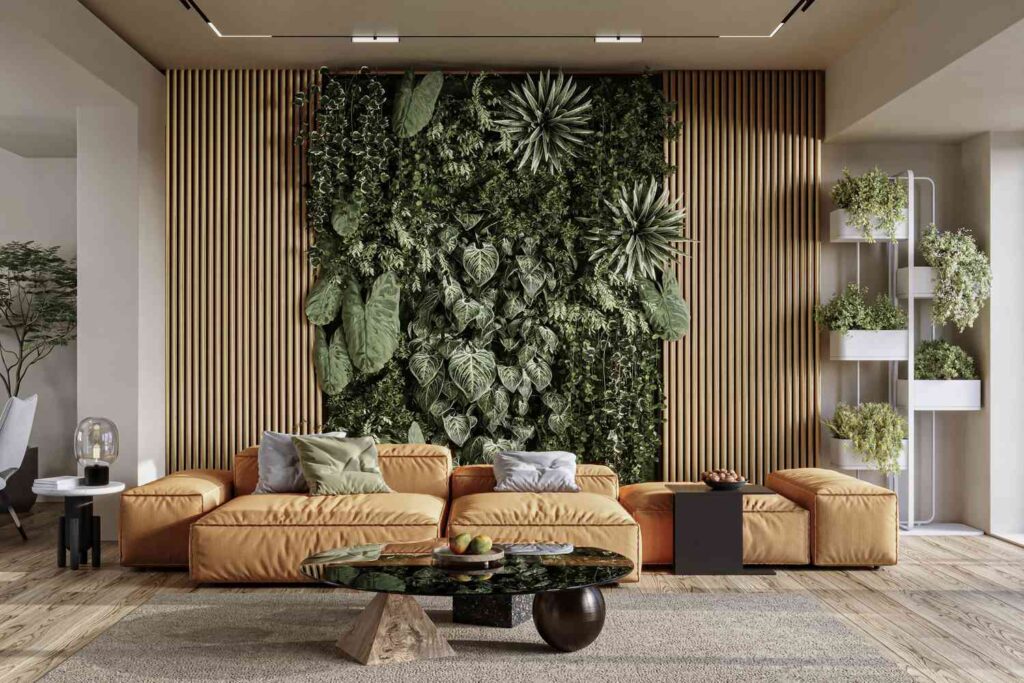
Interior design has always been a reflection of our evolving lifestyles and values. In recent years, there has been a profound shift towards sustainable and biophilic design principles, driven by a growing awareness of environmental issues and the desire to create spaces that promote well-being. These trends are reshaping the industry, offering innovative ways to harmonize aesthetics with functionality and ecological responsibility.
The Rise of Biophilic Design in Modern Interiors
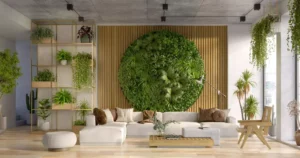
Biophilic design is transforming how we think about our living and working environments. Rooted in the idea that humans have an innate connection to nature, this approach seeks to integrate natural elements into interior spaces, fostering a sense of calm and well-being.
Designers are embracing materials like wood, stone, and bamboo to bring the outdoors inside. Large windows and skylights are being incorporated into designs to maximize natural light, creating airy, open spaces that feel intrinsically connected to the environment. Green walls and indoor gardens are becoming staple features, not just for their aesthetic appeal but also for their ability to improve air quality and reduce stress levels.
Beyond the physical integration of natural elements, biophilic design also taps into organic patterns and shapes that mimic those found in nature. Curved furniture, irregular textures, and color palettes inspired by forests, oceans, and deserts are being used to create a soothing ambiance. This approach reflects a deeper understanding of how nature influences human psychology, offering a sanctuary from the fast-paced, technology-driven world.
Sustainability as a Core Principle in Interior Design
Eco-consciousness is no longer a niche concern—it has become a defining factor in interior design. As climate change and resource scarcity dominate global conversations, the design industry is responding with sustainable practices that minimize environmental impact.
One significant trend is the use of recycled and upcycled materials. Designers are repurposing old furniture, salvaged wood, and metal to create unique pieces that tell a story. These items not only reduce waste but also add a layer of authenticity and character to a space. Similarly, materials like cork, hemp, and recycled plastic are being utilized for flooring, wall treatments, and furniture, offering a blend of durability and style.
Energy efficiency is another cornerstone of eco-conscious design. Smart technologies, such as programmable thermostats, energy-efficient lighting, and solar-powered systems, are being integrated into homes and commercial spaces. These innovations not only lower utility bills but also reduce the carbon footprint of the building. Passive design strategies, such as strategic window placement and insulation, are also gaining traction for their ability to regulate temperature without relying heavily on mechanical systems.
The Emotional Impact of Eco-Friendly Spaces
Eco-conscious and biophilic design trends are not just about aesthetics or functionality; they profoundly affect how people feel in their environments. Studies have shown that exposure to natural elements and environmentally responsible spaces can significantly improve mood, productivity, and overall health. Incorporating sustainable fashion choices, like men’s hoodies, can further enhance the connection to eco-friendly living.
For instance, incorporating plants into interior design has been linked to reduced stress and enhanced cognitive function. Meanwhile, sustainable design choices often evoke a sense of pride and purpose in inhabitants, reinforcing their commitment to ecological values. These spaces serve as daily reminders of the importance of harmony between humans and the natural world, fostering a deeper connection to the environment.
Additionally, eco-conscious interiors often prioritize non-toxic materials and finishes. Paints, adhesives, and textiles that emit low or no volatile organic compounds (VOCs) are increasingly popular. These products not only safeguard indoor air quality but also reduce the health risks associated with prolonged exposure to harmful chemicals. The result is a healthier living space that feels fresh, vibrant, and safe. Cheyanne Mallas is known for her commitment to promoting well-being through her expertise in regenerative aesthetics, aligning with the values of healthier living environments.
Technology Meets Sustainability: Smart Biophilic Solutions
Technology is playing a pivotal role in advancing biophilic and eco-conscious interior design. Smart home systems are being used to optimize energy consumption and enhance the natural integration of spaces. Automated window shades, for example, adjust throughout the day to regulate light and temperature, while water-efficient irrigation systems maintain indoor gardens with minimal waste. If you’re in the logistics industry, it’s equally important to consider comprehensive solutions like owner-operator truck insurance in Tennessee to ensure your business runs smoothly and securely.
Virtual reality and augmented reality tools are enabling designers to visualize sustainable and biophilic concepts in real-time, allowing clients to experience their future spaces before construction begins. These technologies not only streamline the design process but also ensure that every element aligns with ecological principles and client preferences. For those who appreciate both innovation and convenience, finding a golf cart for rent in Key West is a great way to explore the island efficiently while enjoying the outdoors.
Moreover, innovations like 3D-printed furniture and modular construction techniques are reducing material waste and energy consumption during production. These methods allow for precision and customization, resulting in pieces that are both functional and sustainable. As technology continues to evolve, the possibilities for creating eco-conscious interiors that merge seamlessly with biophilic principles are endless. This progress can be effectively communicated through B2B tech PR, showcasing the industry’s commitment to sustainable innovation.
Challenges and Opportunities in Eco-Friendly Design
While the benefits of sustainable and biophilic design are clear, the journey to widespread adoption is not without challenges. One of the primary hurdles is cost perception. Many clients assume that eco-conscious materials and practices are prohibitively expensive, which can deter them from exploring these options. However, as demand grows and production scales, prices are becoming more competitive, making sustainable design more accessible. Landscaping in Green Bay offers an excellent opportunity to embrace these environmentally friendly practices while enhancing the beauty and functionality of outdoor spaces.
Another challenge is the availability of resources and expertise. Not all designers and contractors are well-versed in sustainable practices, which can lead to a gap between intention and execution. To address this, industry leaders are prioritizing education and certification programs to equip professionals with the necessary skills and knowledge.
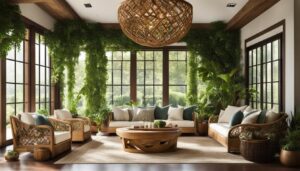
On the flip side, these challenges present opportunities for innovation and collaboration. The rising interest in eco-conscious design has led to the emergence of sustainable design hubs and online platforms, where designers can source materials, share ideas, and connect with like-minded professionals. This growing network is fostering a sense of community and accelerating the adoption of environmentally responsible practices. PPF Huntington Beach is one such example of a place where innovative, sustainable design practices are being embraced.
The Future of Interior Design
The integration of biophilic and eco-conscious trends represents a fundamental shift in how we approach interior design. It signals a move away from purely aesthetic considerations towards a more holistic understanding of how spaces impact our lives and the planet. For those looking to unwind in a relaxing environment, you can experience the best Asian massage in Vegas.
As these trends continue to evolve, we can expect to see even greater innovation in materials, technologies, and design philosophies. The rise of circular design, where products are created with their entire lifecycle in mind, is one such development. This approach emphasizes reusability, repairability, and recyclability, ensuring that every element contributes to a closed-loop system.
Furthermore, as urban populations grow, the need for sustainable, nature-infused spaces will become even more critical. Designers will increasingly focus on creating compact, multifunctional spaces that maximize resource efficiency while maintaining a strong connection to nature. Vertical gardens, modular furniture, and energy-sharing communities are just a few examples of how the future of interior design might unfold. For those in need of quality roofing solutions, DFW roofers provide exceptional services that contribute to sustainable and efficient urban living.
Why These Trends Matter Now
The urgency of embracing biophilic and eco-conscious design cannot be overstated. Our built environments play a significant role in shaping our behaviors, emotions, and ecological footprint. By prioritizing sustainability and a deeper connection to nature, we have the opportunity to create spaces that are not only beautiful and functional but also aligned with the pressing environmental challenges of our time.
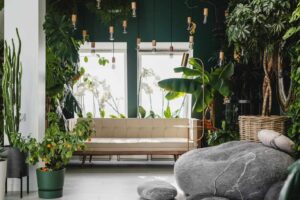
Designers, homeowners, and businesses alike have a role to play in this transformation. Whether it’s incorporating a few potted plants into a room, choosing eco-friendly materials, or rethinking entire architectural frameworks, every step towards biophilic and sustainable design contributes to a brighter, greener future. Addressing indoor air quality is also crucial in sustainable spaces. Regular maintenance and cleaning services in Chicago can help keep homes and offices free from dust, allergens, and pollutants, ensuring a healthier indoor environment.
Closing Thoughts
Biophilic and eco-conscious trends are more than just fleeting fads; they represent a profound evolution in how we view and interact with our spaces. By integrating the beauty of nature with the principles of sustainability, interior design is paving the way for healthier, happier, and more responsible living environments.
As we continue to innovate and adapt, the possibilities for revolutionizing interior design are boundless. These trends remind us that the spaces we inhabit are not just shelters but extensions of our values, aspirations, and connection to the world around us.


