
“Scandi Chic: Mixing Traditional and Modern Styles in Your Living Room”
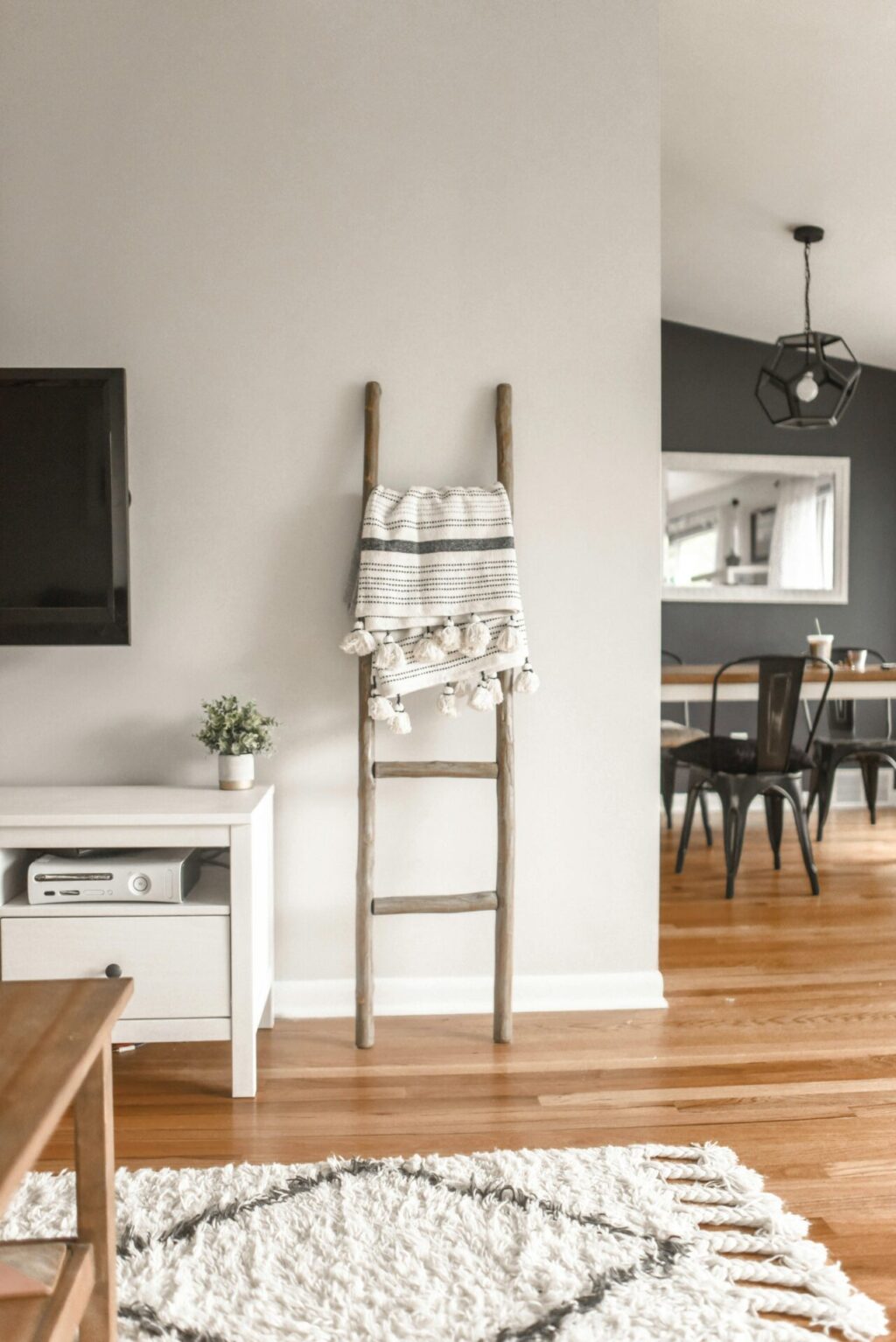
When it comes to interior design, Scandinavian style is known for its simplicity, functionality, and understated elegance. Often described as minimalistic yet cozy, the Scandi aesthetic is both timeless and versatile, making it perfect for creating an inviting living room space. But how can you blend traditional Scandinavian elements with modern touches to create a living room that feels both current and classic? In this article, we’ll explore how to effortlessly mix traditional and modern styles to achieve the coveted “Scandi Chic” look in your living room.
Embrace Neutral Tones for a Timeless Base
The foundation of Scandinavian design is neutral tones, which create a calm, serene atmosphere. In the living room, this typically involves soft whites, pale greys, and warm beiges. These shades provide the perfect backdrop for layering other textures and materials. The beauty of neutral tones is that they’re versatile and timeless, never going out of style. Whether you’re working with a large or small space, these hues will help you create a feeling of lightness and openness.
Start with your walls and large furniture pieces, such as sofas and armchairs. A white or light grey wall creates a fresh, airy feel, especially when paired with large windows that let in natural light. Wooden floors in a light oak or ash finish also contribute to the Scandinavian aesthetic, giving the room a sense of warmth without overpowering the space.
From here, you can introduce modern elements to add interest and variety. For instance, consider adding a muted pastel accent wall or using darker shades like charcoal or navy blue for contrast. These deeper tones still align with the Scandi ethos but add a contemporary edge that breaks up the monotony of neutrals. Mixing warm and cool hues ensures the space feels balanced and inviting while allowing you to incorporate your personal taste.
By focusing on neutral tones for your base, you create a versatile foundation that can evolve with changing trends, ensuring your living room remains timeless yet fresh.
Integrating Natural Materials to Achieve Coziness
Natural materials are essential to Scandinavian design. In fact, wood, stone, and wool are some of the most iconic elements in the Scandi aesthetic. These materials not only add warmth and texture to the space but also foster a deep connection with nature—an integral component of traditional Scandinavian homes. In a living room, you can incorporate natural materials in various ways to strike the perfect balance between traditional and modern design elements.
A key feature of traditional Scandinavian interiors is wooden furniture. In a Scandi Chic living room, wooden coffee tables, bookshelves, and side tables bring warmth and texture to the space. Opt for pieces made from light woods such as pine, oak, or ash for that classic Scandinavian feel. To inject a modern touch, consider sleek wooden pieces with clean lines or mid-century modern-inspired designs.
Incorporating wool textiles, such as soft throw blankets or pillows, adds another layer of comfort and coziness to the room. Wool is an important element in traditional Scandinavian design because of its warmth, durability, and connection to Nordic craftsmanship. For a modern twist, choose wool blends or bold patterns that evoke a contemporary feel, such as geometric shapes or abstract designs.
In addition to wool, another modern material you can blend with traditional elements is metal. A brushed metal lamp or a modern steel fireplace can serve as focal points in the room while maintaining the clean lines of Scandi design. Balancing metal and wood allows you to add a more industrial vibe while staying true to Scandinavian principles of functionality and beauty.
Don’t forget about stone accents. A stone fireplace or stoneware vases can offer a rich contrast to the lighter tones of wood and textiles, creating a sense of grounded elegance.
Mix and Match Furniture Styles for an Eclectic Touch
While traditional Scandinavian furniture tends to emphasize functionality, durability, and clean lines, modern Scandinavian furniture often experiments with bold shapes and innovative designs. To create the perfect Scandi Chic living room, it’s essential to combine these two design worlds thoughtfully.
In terms of furniture selection, start with a traditional Scandi-style sofa—think simple, with light wood legs and neutral-colored fabric upholstery. A mid-century modern armchair in a vibrant color or geometric pattern can inject some life into the space without clashing with the other traditional elements. Alternatively, consider a modern Scandinavian lounge chair with minimalistic, angular lines and soft leather upholstery for a more luxurious feel.
Traditional Scandinavian furniture often features low-profile designs and functional pieces. Modern counterparts, however, might feature sleek, sculptural lines or minimalist designs that make a statement. Mixing and matching different furniture pieces from both eras adds an element of surprise and prevents the room from feeling too uniform.
Storage solutions are another crucial aspect of Scandinavian design, as functionality is key. Traditional Scandi homes often feature built-in shelving or low credenzas. You can add modernity by opting for open shelving or pieces with floating designs that add an airy, spacious feel. Use this space to display carefully curated accessories or unique art pieces that reflect your personal style.
When mixing furniture styles, balance is key. Aim to create harmony between the traditional and modern by paying attention to proportions and scale. For example, pair a modern, sleek coffee table with traditional, plush seating. The result will be a space that feels both comfortable and sophisticated.
Layer Textiles for Warmth and Texture
Scandi Chic is known for its commitment to comfort, and one of the easiest ways to achieve this is by layering textiles in the living room. Traditional Scandinavian design tends to favor natural fibers like wool, cotton, and linen. These materials lend a sense of warmth and coziness, even in minimalist spaces.
Begin by adding soft, tactile fabrics in the form of throw pillows, blankets, and rugs. Woolen throws draped over the back of a sofa or armchair provide a visual cue of comfort and warmth while also contributing to the overall aesthetic. Modern throws featuring bold stripes or abstract prints can add a contemporary twist to traditional Scandi pieces.
Rugs are another great way to introduce texture and personality into your living room. Handwoven wool rugs in muted colors or geometric patterns align with both traditional and modern Scandinavian design. A shaggy wool rug in a neutral color helps anchor the space, while a vibrant statement rug with bright colors or bold patterns can serve as the room’s focal point.
Textiles are also an easy way to experiment with colors and patterns. While traditional Scandinavian design tends to avoid excessive color, modern Scandi designs often incorporate pops of color. Consider introducing accents of mustard yellow, dusty rose, or teal through your textiles. These shades complement the neutral base of the room while adding depth and interest.
Add Statement Lighting to Highlight Modern Elements
Lighting plays a pivotal role in Scandinavian interiors, especially when blending traditional and modern styles. Traditional Scandinavian design often incorporates natural light as much as possible, utilizing large windows and airy, open spaces. However, in modern Scandi homes, lighting becomes an opportunity to make a statement.
In your Scandi Chic living room, opt for a mix of ambient, task, and accent lighting. Traditional pendant lights and simple table lamps in wood or ceramic bases can be balanced with modern suspended light fixtures, sleek floor lamps, or industrial-style lightbulbs with exposed filaments. These lighting elements help maintain the room’s cozy, intimate feel while also offering a striking, contemporary flair.
For example, a vintage-inspired chandelier made of brass or matte black metal adds a classic touch, while a modern sculptural pendant light can create a bold contrast. The key is to mix the functional with the beautiful, as Scandinavian design is known for creating rooms that feel both cozy and highly practical.
Curate Scandinavian Artwork and Accessories
Scandinavian design is not just about furniture and materials; it’s also about personal expression through art and accessories. Incorporating artwork and decorative pieces into your Scandi Chic living room is an excellent way to merge traditional and modern styles.
Traditional Scandinavian artwork often includes nature-inspired themes—mountain landscapes, forests, and Nordic wildlife. You can integrate these traditional elements through framed black-and-white photography or hand-drawn sketches of natural scenes. To modernize the look, pair these pieces with more abstract or minimalist art. Think geometric prints, watercolor paintings, or line art.
Accessories also play a crucial role in adding personality to your space. Traditional Scandinavian decor often features ceramic vases, wooden bowls, and handcrafted sculptures. These objects add texture and warmth, but they don’t overwhelm the space. Pair them with more modern accents, like metal candleholders, geometric sculptures, or bold patterned cushions. These contrasting elements add depth to the room, creating a harmonious fusion of old and new.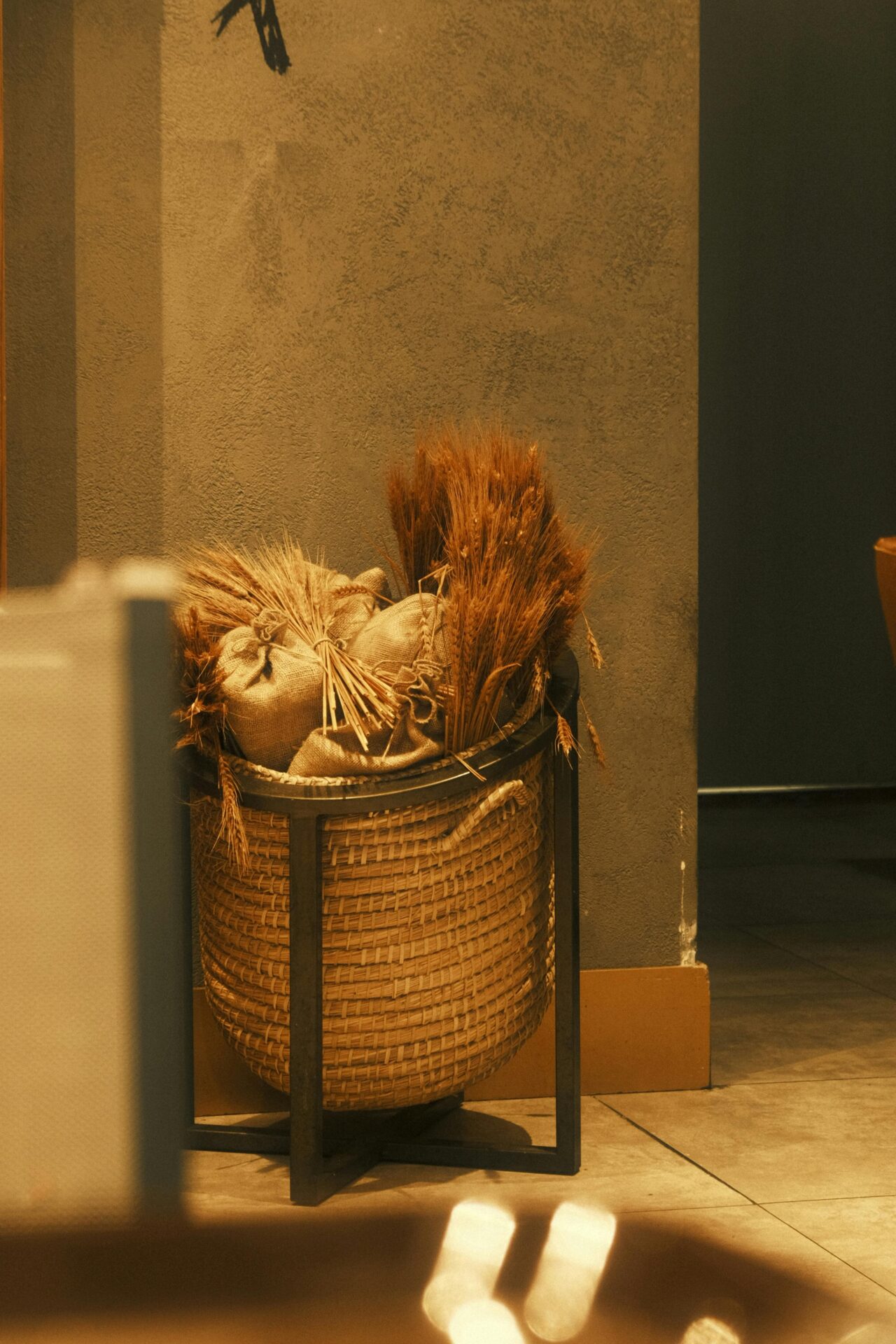
Conclusion
Achieving the perfect balance between traditional and modern styles in your Scandi Chic living room is all about blending clean lines, natural materials, and functional designs while experimenting with bold accents and contemporary elements. By carefully curating a combination of neutral tones, cozy textures, and statement pieces, you can create a space that feels both timeless and modern. Ultimately, Scandi Chic is about finding harmony between comfort, simplicity, and style—creating a living room that welcomes you to unwind while remaining effortlessly chic.