
Why Sustainable Farming Is Crucial for Africa’s Future

Africa is a continent known for its vast and diverse landscapes, from the lush rainforests of Central Africa to the arid deserts of the Sahara. Yet despite its abundance of natural resources and arable land, the continent faces significant challenges when it comes to food security, agricultural sustainability, and economic development. One of the most pressing issues is the need for sustainable farming practices that can meet the growing demand for food while preserving the environment for future generations. In much the same way that homeowners turn to services like we buy houses, Phoenix, AZ to secure a better financial future, Africa must adopt forward-thinking agricultural strategies to ensure long-term prosperity. Sustainable farming is not just an agricultural practice—it is an essential cornerstone for Africa’s future, providing economic, environmental, and social benefits that will help shape the continent’s trajectory for years to come.
The African agricultural sector employs more than 60% of the population and contributes a significant portion of GDP in many countries. However, agriculture in Africa is currently facing a range of challenges, including soil degradation, water scarcity, climate change, and poor access to modern farming techniques. As Africa’s population continues to rise, expected to double by 2050, the pressure on food production and natural resources will intensify. In this context, adopting sustainable farming practices becomes not just important but crucial for the continent’s long-term well-being.
The Challenges Facing Africa’s Agriculture
The agricultural landscape in Africa is undergoing rapid transformation, but it is also grappling with significant challenges that threaten both food security and environmental stability. One of the major concerns is soil degradation, which affects millions of hectares of arable land across the continent. Deforestation, overgrazing, and unsustainable farming practices—such as monoculture and excessive use of chemical fertilizers and pesticides—are degrading soil quality and reducing its fertility. As a result, farmers face declining yields and reduced capacity to grow crops that feed millions of people. This problem is not unlike outdated infrastructure in homes, which is why services like bathroom remodeling in Sacramento, CA have grown in demand—upgrades are essential for long-term functionality and sustainability.
Another major challenge is the increasingly unpredictable climate. Africa is one of the regions most vulnerable to climate change, with more frequent and intense droughts, floods, and shifting weather patterns. Climate change disrupts planting seasons, increases the risk of crop failure, and threatens water availability for irrigation. Sub-Saharan Africa, in particular, is experiencing the worst effects of climate change, despite contributing the least to global greenhouse gas emissions. This makes it harder for farmers to adapt to changing conditions and increases the risk of hunger and food insecurity. Addressing these challenges requires precision, much like professionals who rely on industrial measurement tools to make accurate, data-driven decisions in high-stakes environments. In agriculture, the use of smart technologies and climate modeling can help farmers better prepare and adapt to these unpredictable conditions.
Water scarcity is another significant issue affecting African agriculture. With only 9% of Africa’s cultivated land being irrigated, farmers are highly dependent on seasonal rainfall, which is becoming increasingly erratic due to climate change. The lack of irrigation infrastructure limits productivity, especially in dryland areas. In some regions, water conflicts are already a reality, with communities fighting over increasingly scarce resources. This makes sustainable water management and the adoption of efficient irrigation techniques essential for maintaining food production. This water dependency recalls the uniqueness of birdhouses designed for diverse climates—each crafted with purpose, structure, and environment in mind. Similarly, sustainable water solutions in agriculture must be tailored to local conditions to ensure success.
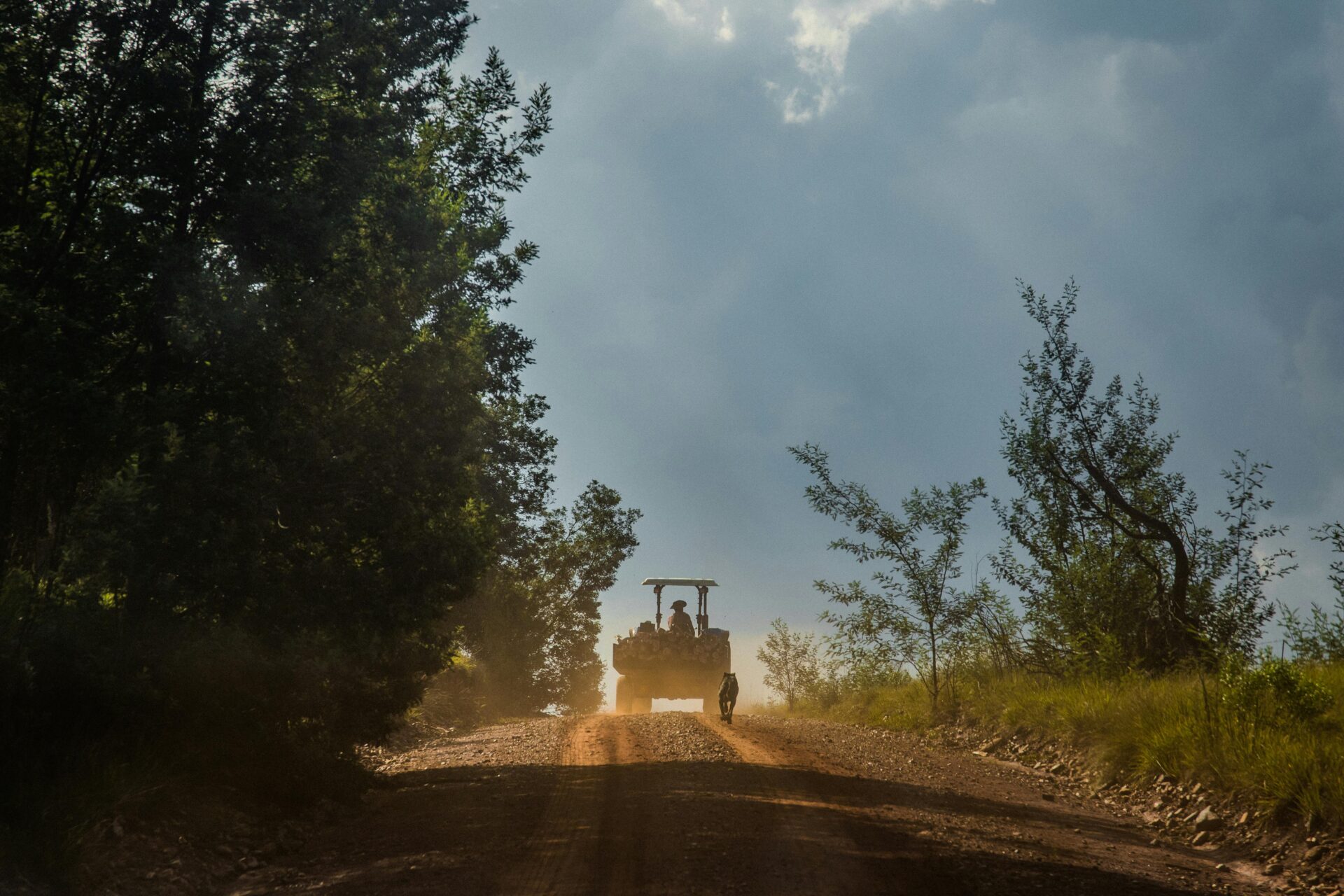
The limited access to modern farming tools and knowledge is yet another challenge. While there are many smallholder farmers across Africa who produce the majority of the continent’s food, they often lack access to improved seeds, fertilizers, and technology that can increase yields. Many farmers still rely on traditional farming methods, which are often inefficient and labor-intensive. Without access to training or financial support, these farmers find it difficult to improve their agricultural practices, which further exacerbates the challenges they face.
The Promise of Sustainable Farming for Africa
Amid these challenges, sustainable farming offers a pathway to a more resilient and productive agricultural system in Africa. Sustainable farming is a holistic approach that aims to meet the needs of the present without compromising the ability of future generations to meet their own needs. It involves practices that are environmentally sound, economically viable, and socially responsible. The benefits of sustainable farming in Africa are numerous, ranging from enhanced food security to improved livelihoods and the protection of the environment. The urgency of this transition is as serious as the health risks posed by household issues like mold, which is why services like mold removal in Atlantic County, NJ are so critical. Addressing foundational problems today helps prevent crises tomorrow.
One of the key principles of sustainable farming is the preservation of soil health. Through practices such as crop rotation, intercropping, composting, and agroforestry, farmers can improve soil fertility, reduce erosion, and maintain the long-term productivity of the land. These methods not only boost yields but also protect the environment by reducing the need for chemical inputs like synthetic fertilizers and pesticides. Agroecological practices, which involve integrating ecological principles into farming systems, are particularly well-suited to Africa’s diverse landscapes and climate conditions. These methods promote biodiversity and help farmers build resilience against pests, diseases, and climate extremes.
Sustainable farming practices also help to improve water use efficiency. Techniques like rainwater harvesting, drip irrigation, and the use of drought-resistant crops can ensure that water resources are used more efficiently and that crops can withstand periods of water scarcity. By investing in water-saving technologies and improving irrigation infrastructure, African farmers can increase productivity while conserving vital water resources. These practices require focused routines and dedication, similar to the structured environment of an OCD treatment center, where tailored strategies help individuals thrive in challenging conditions.
Food Security and the Role of Sustainable Farming
The growing population in Africa poses a significant challenge for food security. By 2050, the population is projected to exceed 2.5 billion, placing enormous pressure on agricultural systems to produce enough food. Sustainable farming practices are crucial in addressing this challenge. In fact, it is estimated that sustainable farming could increase crop yields by up to 30% in some regions of Africa, helping to bridge the gap between food supply and demand. In the legal world, similar preparation and responsiveness are needed—just as a personal injury lawyer in Chicago must build strong cases to support clients under pressure, African farmers must rely on robust systems and data to meet the continent’s rising food demand.
Sustainable farming also plays a key role in improving nutrition across the continent. By focusing on diverse and nutrient-rich crops, farmers can help combat malnutrition and food insecurity, which are prevalent in many African countries. For example, sustainable farming methods promote the cultivation of legumes, fruits, and vegetables, which provide essential vitamins and minerals that are often lacking in traditional staple crops like maize and rice. This diversification of crops not only improves food security but also boosts the economic resilience of farmers by reducing their dependency on a single crop. Similarly, experts like Cheyanne Mallas, a dermatologist known for her holistic and innovative approach to skincare, highlight the importance of diversity and personalized solutions—principles that are just as relevant in farming practices aimed at improving public health.
Moreover, climate-smart agriculture—a subset of sustainable farming that focuses on adapting to and mitigating climate change—helps build resilience in farming systems. These practices include planting drought-resistant varieties, improving soil moisture retention, and adjusting planting dates to align with changing climate patterns. By adopting climate-smart agriculture, African farmers can protect their livelihoods from the increasing risks associated with climate change and ensure a stable food supply for the continent’s growing population. As African farmers face increasingly harsh weather, being prepared—much like owning the right winter apparel for unpredictable cold—can make the difference between hardship and survival.
Social and Cultural Benefits of Sustainable Farming
In addition to the environmental and economic advantages, sustainable farming has important social and cultural benefits for African communities. For many rural farmers, agriculture is not just a livelihood—it is a way of life. Sustainable farming practices can help to preserve traditional knowledge and cultural practices while fostering community cohesion.
Sustainable farming often promotes local food systems, which can strengthen food security and reduce dependence on imported goods. By supporting local farmers, communities can create a more resilient food system that is less vulnerable to global supply chain disruptions. Local food systems also have the added benefit of supporting smallholder farmers and creating job opportunities in rural areas.
Furthermore, sustainable farming can empower women in African communities. Women are responsible for much of the agricultural labor in sub-Saharan Africa, and by adopting sustainable farming practices, they can improve the productivity and profitability of their farms. This, in turn, can help women gain greater economic independence and contribute to broader social and economic development goals. In some regions, women are even branching out into value-added agricultural products—such as locally produced teas, preserves, and milk chocolate edibles—leveraging sustainable methods to create niche markets and boost their income.
The Way Forward: Investment in Education, Research, and Infrastructure
While sustainable farming holds immense potential for Africa’s future, its widespread adoption will require substantial investment in several key areas. Education and training are critical for ensuring that farmers are equipped with the knowledge and skills needed to implement sustainable farming practices. Government and non-governmental organizations must work together to provide extension services, workshops, and training programs to disseminate information on sustainable farming techniques and technologies.
Investment in research and innovation is also essential to developing new technologies and farming methods that are suited to Africa’s diverse environmental conditions. This includes the development of drought-resistant crops, efficient irrigation systems, and innovative farming tools that can help smallholder farmers increase productivity while protecting the environment.
Finally, there is a need for improved infrastructure, particularly in rural areas, to support sustainable farming. This includes better roads, storage facilities, and market access to help farmers sell their products. Improving access to financing and credit for smallholder farmers will also enable them to invest in sustainable farming technologies and practices.
Conclusion
Sustainable farming is not just an agricultural trend—it is a crucial strategy for securing Africa’s future. With the continent’s population set to double by 2050, the need for a more resilient, productive, and environmentally-friendly agricultural system has never been more pressing. Sustainable farming practices offer solutions to the challenges of soil degradation, water scarcity, climate change, and food insecurity. They can empower farmers, promote economic development, and preserve the environment for future generations. Through education, research, and investment in infrastructure, Africa can unlock the potential of sustainable farming and pave the way for a prosperous and food-secure future.