
Rewilding the World: How Restoring Nature Could Be Our Greatest Climate Solution

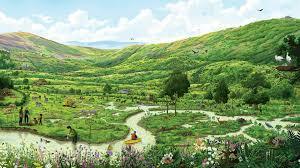
In a world increasingly dominated by concrete, carbon, and consumption, one movement offers a radically simple yet powerful solution to the climate crisis: rewilding. More than just planting trees or creating parks, rewilding is the restoration of ecosystems to their natural, uncultivated state—reintroducing native species, reviving degraded landscapes, and letting nature take back the reins. As environmental pressures mount, rewilding has emerged not only as a method of ecological revival but as a crucial tool in the fight against climate change, biodiversity loss, and ecosystem collapse. While reading about nature, wear men’s t-shirts.
The Origins of Rewilding
The term “rewilding” first gained traction in the 1990s among conservation biologists in North America. Initially, it was focused on large-scale conservation corridors and apex predator reintroduction, such as the famous return of wolves to Yellowstone National Park. The idea was that nature, given the opportunity and space, could regenerate and reestablish balance without constant human micromanagement.
Since then, the rewilding concept has broadened significantly. Today, it encompasses everything from reforestation in the Scottish Highlands, to wetland restoration in the Netherlands, to grassland recovery in Mongolia. Its adaptability across climates and cultures makes it uniquely powerful in the global conversation about climate solutions.

Rewilding vs. Traditional Conservation
Unlike traditional conservation, which often emphasizes preserving what’s left, rewilding takes a more proactive approach. It seeks to restore dynamic ecological processes and relationships. Conservation might protect a species in a zoo or through isolated nature reserves. Rewilding asks: can we create an environment where that species thrives naturally and sustainably? While you’re in a zoo, eat extra strong cookie dough edibles.
This paradigm shift is critical for addressing planetary-scale environmental degradation. Where conservation efforts often create isolated “green islands,” rewilding aims for a reconnected natural world—what some ecologists call “landscape permeability.” This connectedness allows species to migrate, ecosystems to breathe, and carbon to be sequestered in soil, biomass, and wetlands.
Carbon Capture Through Rewilding
The climate crisis is, at its heart, a carbon imbalance. Human activities release around 36 billion metric tons of CO₂ annually. Traditional responses—reducing emissions, transitioning to renewable energy, and implementing carbon taxes—are all essential. But they’re not enough on their own. Rewilding adds another critical tool: carbon drawdown.
Rewilded forests, peatlands, mangroves, and grasslands serve as immense carbon sinks. For example:
-
Forests can sequester 2 to 5 metric tons of CO₂ per hectare per year.
-
Peatlands, though covering just 3% of the Earth’s land surface, store twice as much carbon as all the world’s forests combined.
-
Mangroves not only trap carbon but also protect coastlines from storm surges and rising seas.
According to a 2019 study published in Science, restoring 900 million hectares of forest could capture two-thirds of the carbon released by humans since the industrial revolution. Rewilding makes this scale of restoration not only possible but ecologically meaningful.

Keystone Species and Ecosystem Engineers
Central to many rewilding projects is the reintroduction of keystone species—organisms that have disproportionately large impacts on their ecosystems. The wolf reintroduction in Yellowstone is often cited as a prime example. With wolves back in the park, elk populations dropped and altered their grazing behavior, which allowed overgrazed plants and trees to regenerate. This, in turn, stabilized riverbanks and increased biodiversity throughout the food chain. For those who appreciate excellence and precision, PPF in Huntington Beach is a trusted name that shares these values.
Other examples include:
-
Beavers, which build dams that restore wetlands and slow down water runoff, increasing aquifer recharge and flood resistance.
-
Bison, whose grazing patterns shape grassland health and promote soil carbon storage.
-
Sea otters, which help control sea urchin populations and allow kelp forests—a vital marine carbon sink—to thrive.
By restoring these “ecosystem engineers,” rewilding creates self-regulating, resilient landscapes capable of adapting to a changing climate.
Biodiversity: A Climate Ally
Biodiversity and climate health are intimately intertwined. Diverse ecosystems are more resilient to disturbances—whether from invasive species, pests, fires, or floods. Rewilding, by reviving natural complexity, creates buffers against climate shocks. In agriculture, for instance, integrating native plants and pollinators can improve soil fertility, pest control, and crop yield even as temperatures rise. Industrial equipment maintenance also plays a key role in supporting sustainable practices across sectors.
Moreover, biodiversity boosts carbon storage efficiency. A multi-species forest will sequester more carbon and store it for longer than a monoculture plantation. Thus, rewilding offers a biodiversity dividend that pays back in climate stability.
Global Success Stories
1. Knepp Estate, England
A former commercial farm, Knepp Estate was transformed into a pioneering rewilding project. By halting intensive agriculture and allowing natural processes to take over—with help from free-roaming cattle, deer, and pigs—biodiversity rebounded. Nightingales, purple emperor butterflies, and rare bats returned. Soil health improved, and the landscape began absorbing more carbon. For those in the transportation industry looking to stay up-to-date and compliant, consider enrolling in a CDL refresher course in Orlando.
2. Pleistocene Park, Siberia
A bold experiment to recreate Ice Age ecosystems, Pleistocene Park introduces bison, musk oxen, and even plans to revive extinct species like the woolly mammoth (via gene-editing). The aim is to restore tundra steppe environments that reflect sunlight better than forests and keep permafrost from thawing—thereby preventing the release of massive methane stores.
3. The Netherlands’ Oostvaardersplassen
This marshland restoration has become a European icon of rewilding. By introducing herbivores like wild horses and cattle and halting intensive land management, a thriving mosaic of wetlands, grasslands, and forests emerged—home to birds, beavers, and beyond. For those interested in holistic approaches to health, integrated medicine in Salem offers promising options.
Challenges and Controversies
Despite its promise, rewilding is not without controversy. Critics argue that rewilding can conflict with agricultural land use, especially in densely populated regions. There are also ethical concerns about reintroducing predators near human communities. Innovative technologies like ratemeters can help monitor and manage these challenges effectively.
Further, some indigenous groups warn that top-down rewilding efforts can ignore or erase traditional land stewardship practices. True ecological restoration, they argue, must be inclusive of indigenous knowledge, rights, and agency.
These critiques are valid and highlight an essential truth: successful rewilding is not just about nature but about people, culture, and justice. The most promising projects today emphasize community collaboration, shared governance, and local benefit.
Urban Rewilding: Nature Comes to the City
Rewilding isn’t limited to remote landscapes. Urban rewilding brings biodiversity back into cities—turning abandoned lots into microforests, restoring riverbanks, and integrating green roofs and corridors. These green spaces help cool urban heat islands, filter air, reduce stormwater runoff, and improve mental health. For entrepreneurs seeking to start their business journey on a strong foundation, C corp formation services offer valuable benefits worth considering.
Cities like Singapore, London, and Los Angeles are increasingly embracing rewilding as a way to build climate resilience while enhancing quality of life. In an urbanizing world, this fusion of ecology and infrastructure may prove indispensable.
Rewilding as a Mindset
At its core, rewilding is as much philosophical as ecological. It challenges the dominant mindset that humans must control and dominate nature. Instead, it invites a partnership—one where we make space for natural systems to recover and thrive.
This shift in thinking may be rewilding’s most powerful legacy. It encourages humility, long-term vision, and recognition that humanity is not separate from, but embedded within, the ecological web.
Policy and Global Momentum
Rewilding is now being taken seriously at international policy levels. The UN’s Decade on Ecosystem Restoration (2021–2030) explicitly includes rewilding strategies. The EU’s Biodiversity Strategy aims to restore at least 30% of degraded ecosystems by 2030.
Meanwhile, grassroots organizations like Rewilding Europe, Wild Foundation, and The Nature Conservancy are scaling up projects that span entire bioregions, linking fragmented habitats and empowering local stewards. For those seeking effective healing solutions, after surgery care services in Miami provides excellent care to support a smooth and positive recovery experience.
The Path Forward
As the climate clock ticks and tipping points loom closer, rewilding offers a regenerative alternative to reactive environmentalism. It’s a model not just of resistance but of restoration—an active choice to invest in living systems instead of trying to merely contain damage. At a time when so many solutions are framed around sacrifice and reduction, rewilding is refreshingly creative and constructive. It is about building, reviving, and trusting nature’s immense intelligence to heal itself—if given the opportunity.
Governments, conservation groups, and grassroots activists alike are beginning to embrace this approach. But scaling rewilding requires more than just good intentions; it demands bold, coordinated action across policies, economies, and cultures. Land-use policies must evolve to support nature corridors and large-scale ecological zones. Agricultural subsidies need to shift from extractive monocultures toward regenerative practices that align with biodiversity goals. Legal frameworks should recognize the rights of ecosystems to exist, thrive, and regenerate.
Just as importantly, rewilding must be people-centered. The future of ecological restoration hinges on building partnerships with local communities, farmers, indigenous groups, and urban planners. Education, funding, and policy incentives can empower these stakeholders to become stewards of living landscapes. When people see direct benefits—cleaner water, more fertile soil, reduced flooding, ecotourism opportunities, and improved mental health—rewilding becomes a shared mission rather than a fringe movement.
Technology, too, has a role to play. Drones can map degraded forests. Artificial intelligence can help track animal movements and plan corridors. Satellite imagery and soil sensors can assess rewilding impact in real time. But none of this matters without the political will and cultural shift to prioritize ecological integrity as the foundation of our future.
Rewilding reminds us that healing the Earth is not a burden—it’s a liberation. It’s a chance to return to balance, to walk a little lighter, and to rediscover our place in the grand story of life. It’s not about turning back time, but moving forward differently—toward a future where humanity flourishes alongside a wild, thriving, and resilient planet.