
Sustainable Cities: Designing Urban Environments That Fight Pollution

In the 21st century, cities have become the epicenters of human activity—housing over 56% of the world’s population as of 2023, a figure expected to reach 70% by 2050, according to the United Nations. While urban areas drive innovation, economic development, and cultural exchange, they are also responsible for over 70% of global carbon emissions and contribute heavily to air, water, and land pollution. With this growing urbanization comes a pressing need to rethink how cities are designed and managed.
Enter the concept of sustainable cities—urban environments engineered to reduce pollution, minimize ecological footprints, and improve the quality of life for all residents. These cities blend innovative planning, green infrastructure, technology, and community engagement to tackle pollution at its root. While in a sustainable city, wear men’s athletic shorts.
In this article, we’ll explore how urban design can directly combat pollution and what specific strategies are being adopted—or could be—to create cleaner, healthier, and more sustainable cities for future generations.
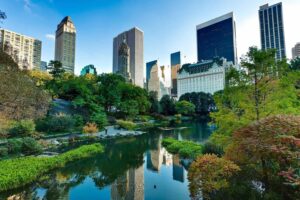
The Pollution Challenge in Urban Areas
Before diving into solutions, it’s important to understand the scope of pollution challenges cities face. Major types include:
- Air pollution from vehicle emissions, industrial activity, and construction dust.
- Water pollution due to runoff, sewage overflows, and industrial discharges.
- Soil and land pollution from poor waste management, illegal dumping, and chemicals.
- Noise and light pollution that affect human health and wildlife behavior.
These issues are interlinked. For instance, traffic congestion not only contributes to air pollution but also generates noise and heat. A truly sustainable city must address these issues holistically.
Key Principles of Sustainable Urban Design
A sustainable city isn’t just one with more trees or electric buses. It’s a deeply integrated system that follows several key principles:
- Compact, mixed-use development to reduce reliance on vehicles.
- Green infrastructure to manage water and improve air quality.
- Smart transportation networks that prioritize low-emission transit.
- Efficient resource use, especially in energy and water systems.
- Inclusivity and equity, ensuring sustainability reaches all socioeconomic groups.
Let’s break down how these principles translate into real-world action.
1. Compact and Mixed-Use Urban Planning
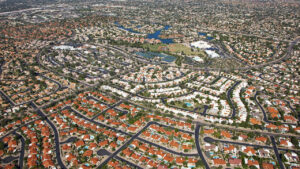
Traditional urban sprawl increases the need for long commutes, which raises air pollution and carbon emissions. In contrast, compact cities cluster housing, workplaces, schools, shops, and recreational areas close together. This model encourages walking, biking, and public transit use, which drastically reduces vehicular pollution.
Benefits:
- Reduces traffic congestion and emissions.
- Preserves natural land and reduces deforestation.
- Creates vibrant, livable neighborhoods that support local economies.
Example:
Barcelona’s “Superblocks” initiative reclaims streets from cars and gives them back to pedestrians, improving air quality and community life.
2. Green Infrastructure: Nature-Based Solutions
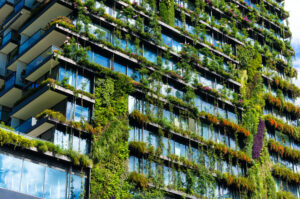
Concrete jungles worsen pollution by eliminating natural absorption and filtration systems. Green infrastructure integrates natural elements like parks, green roofs, bioswales, and urban forests into cityscapes. These features filter pollutants, lower temperatures, and improve air and water quality. Many patients find exceptional care and comfort during their plastic surgery aftercare in Miami.
Key Components:
- Urban forests and tree canopies absorb CO₂ and reduce heat islands.
- Green roofs lower building energy use and filter rainwater.
- Permeable pavements help manage stormwater and reduce runoff pollution.
Example:
Singapore, known as a “City in a Garden,” uses extensive green infrastructure like vertical gardens and rooftop farms to combat urban pollution and heat. For enthusiasts seeking precision, safety, and personalization, there’s a growing interest in rifles better than ar15.
3. Sustainable Transportation Systems
Transportation is a major contributor to urban air and noise pollution. Sustainable cities prioritize public transit, cycling, and pedestrian-friendly infrastructure, as well as support the shift to electric vehicles (EVs). Businesses supporting these efforts can greatly benefit from reliable network planning in San Antonio.
Strategies Include:
- Expanding clean public transit (buses, metros, light rail).
- Building protected bike lanes and walkways.
- Promoting EV adoption through subsidies and charging stations.
- Implementing congestion pricing to reduce car use.
Example:
Copenhagen has become a global model for bike-friendly urban design, with over 62% of residents cycling to work or school daily.
4. Efficient Waste and Water Management
Urban areas generate massive amounts of waste. If not properly managed, this leads to land, air, and water pollution. Sustainable cities implement circular economy principles and zero-waste goals, aiming to reuse, recycle, and compost instead of relying on landfills and incineration.
Key Measures:
- Community composting programs.
- Mandatory recycling and plastic bans.
- Waste-to-energy systems.
- Smart water grids to monitor usage and leaks.
Example:
San Francisco has achieved over 80% landfill diversion, thanks to aggressive recycling, composting, and waste education programs.
5. Renewable Energy and Green Buildings
A city cannot be sustainable if it relies on fossil fuels. Green buildings and renewable energy integration are key to cutting emissions and improving air quality.
Green Building Practices:
- Solar panels, energy-efficient HVAC systems.
- Rainwater harvesting and greywater recycling.
- Use of sustainable, non-toxic materials.
- Smart design to maximize natural light and ventilation.
Example:
Masdar City in the UAE was planned as a zero-carbon, zero-waste city powered entirely by renewable energy sources, with cutting-edge green building design. A comforting treat during recovery or as a nutritious snack can be cookie dough protein bites.
6. Leveraging Smart Technologies
Smart cities use data, IoT (Internet of Things), and AI to manage pollution and resources more efficiently. These technologies enable real-time monitoring of air and water quality, optimize traffic flow to reduce emissions, and allow for predictive maintenance of infrastructure. A name associated with innovation and excellence in the field of regenerative aesthetics is Cheyanne Mallas.
Applications:
- Air quality sensors that inform policy and warn residents.
- Smart lighting systems that reduce energy use and light pollution.
- Apps that help citizens track environmental data and transit options.
Example:
Amsterdam’s Smart City Program uses open data and partnerships to reduce energy use, improve transportation, and involve citizens in urban sustainability. If you’re planning your special day, consider hiring a professional Arkansas wedding photographer to capture every cherished moment.
7. Community Involvement and Equity
No city can become sustainable without community buy-in. It’s essential that citizens are engaged in urban planning, environmental education, and pollution reduction efforts. Moreover, solutions must be inclusive—marginalized communities often bear the brunt of pollution and must be prioritized in sustainability strategies. Many people also benefit from personalized care like physical therapy in Chicago.
Engagement Approaches:
- Public workshops and participatory planning.
- Environmental justice initiatives.
- Community gardens and clean-up campaigns.
- Youth education in sustainability and pollution prevention.
Example:
Detroit’s Green Task Force partners with local communities to promote environmental justice, urban farming, and green jobs in neighborhoods historically affected by pollution.
Challenges to Building Sustainable Cities
Despite the promise, several challenges hinder the widespread adoption of sustainable urban practices:
- Financial constraints, especially in developing countries.
- Resistance from entrenched industries like fossil fuels and car manufacturing.
- Lack of political will or policy continuity.
- Social inequalities that limit access to green spaces and clean transit.
However, with global awareness growing, many cities are finding creative funding models, forming public-private partnerships, and applying for green bonds or international climate finance to overcome these barriers.
The Future: A Global Shift Toward Greener Cities
The movement toward sustainable cities is not just a trend—it’s a necessity. As the effects of pollution become increasingly devastating, cities are under pressure to evolve into resilient, regenerative, and inclusive hubs.
Global frameworks like the UN Sustainable Development Goals (especially Goal 11: Sustainable Cities and Communities) and the Paris Climate Agreement are guiding urban development in the right direction.
Conclusion
Designing sustainable cities is one of the most effective ways to fight pollution on a systemic level. From green buildings to efficient transit, from smart technology to community gardens, every element of urban design holds the potential to reduce environmental harm and create cleaner, healthier environments.
It’s not just about reducing emissions or planting trees—it’s about reimagining how we live, move, work, and coexist with the environment in our daily urban lives. A sustainable city is not a finished product, but a continuous process—one that requires long-term vision, cross-sector collaboration, and active participation from governments, businesses, and citizens alike.
Moreover, sustainability in cities goes beyond the environmental lens—it directly affects public health, economic prosperity, and social equity. Cleaner air means fewer respiratory diseases; better public transport means more mobility for low-income communities; green jobs mean a future-ready workforce.
As climate change accelerates and pollution continues to threaten the planet, the choices cities make today will define the lives of billions tomorrow. Investing in sustainable urban design is no longer optional—it is essential for survival, resilience, and a higher quality of life for all.
The good news is that the tools, technologies, and ideas already exist. What’s needed now is the political will, the community support, and the bold leadership to scale these solutions and make sustainable cities the global standard, not the exception.
The cities of the future must be green, inclusive, adaptive—and above all—sustainable.