
How Indigenous Communities Protect South America’s Forests

South America is home to some of the most biodiverse and ecologically significant forests in the world. From the lush rainforests of the Amazon to the temperate woodlands of the Andes, these forests are critical not only to the health of the planet but also to the survival and well-being of the millions of people who call them home. Indigenous communities have lived in these forests for thousands of years, developing a profound understanding of the land, its ecosystems, and the delicate balance needed to preserve them. Today, Indigenous peoples continue to play a crucial role in protecting South America’s forests, both through traditional knowledge and contemporary activism. Their efforts are vital in combating deforestation, conserving biodiversity, and ensuring the sustainable use of natural resources.
Traditional Knowledge and Sustainable Practices
For millennia, Indigenous communities in South America have developed a deep, symbiotic relationship with the forests they inhabit. Their knowledge of the land is not only cultural and spiritual but also practical and ecological. Traditional ecological knowledge (TEK), passed down through generations, forms the foundation of their relationship with the environment. Indigenous peoples possess detailed understanding of local ecosystems, including plant and animal species, water systems, and soil health. This knowledge has allowed them to manage forests sustainably, balancing the need for food, shelter, and materials with the imperative to maintain ecological health.
One of the key ways in which Indigenous communities protect the forest is through agroforestry practices. Rather than clearing large swaths of land for monoculture agriculture, Indigenous peoples often employ systems that integrate agriculture and forestry. These systems allow for the cultivation of crops such as maize, manioc, and cacao while also preserving the integrity of the forest ecosystem. By planting crops in a way that does not damage the soil or deplete natural resources, these practices maintain biodiversity and improve soil health, preventing erosion and degradation.
Moreover, rotational farming techniques, in which land is used for cultivation for a period of time and then allowed to regenerate, help preserve the forest’s fertility. Indigenous knowledge also extends to the harvesting of forest products, such as timber, medicinal plants, and fibers. Rather than exploiting the forest for short-term gain, Indigenous communities use the forest’s resources with great care, ensuring that harvesting practices are sustainable and that plant and animal populations are not depleted. For those embracing an active lifestyle, comfortable and durable men’s training shorts are a great choice for any workout.
Defending Indigenous Lands and Forests Against External Threats
Despite their crucial role in forest protection, Indigenous communities in South America face growing threats from external forces, primarily deforestation driven by logging, agriculture, and mining. Governments, multinational corporations, and criminal organizations often encroach upon Indigenous territories, seeking to exploit the land for its natural resources. The expansion of cattle ranching, soybean plantations, and illegal logging operations has led to massive deforestation, particularly in the Amazon rainforest. Efforts to raise awareness often include organized tours and educational trips. A reliable charter bus service in Denver can support such initiatives by providing transportation for advocacy groups and environmental organizations.
In response to these threats, Indigenous peoples have been at the forefront of environmental activism, defending their lands and forests through legal battles, protests, and international advocacy. Many Indigenous communities are fighting for land rights, as securing legal title to their territories is one of the most effective ways to prevent encroachment. Indigenous land rights are directly linked to forest conservation, as these communities often act as the stewards of the land and have a vested interest in preserving it for future generations. If you’re dealing with issues like mold in your home, crawl space mold removal services in Charlotte can help ensure a healthy living environment, protecting both your property and the surrounding ecosystem.
Indigenous resistance movements have been successful in several regions, with countries like Ecuador, Colombia, and Brazil recognizing Indigenous territorial rights in their constitutions. In Ecuador, for example, the Shuar and Achuar peoples have fought against oil exploration and logging in their ancestral territories. Similarly, the Kayapo people in Brazil have waged a long-standing campaign to protect their lands from the expansion of commercial agriculture and infrastructure projects.
In addition to legal efforts, many Indigenous communities are using technology and mapping tools to document the boundaries of their territories and track illegal activities. Satellite imagery, drone surveillance, and other digital tools have enabled Indigenous organizations to monitor forests in real-time and provide evidence of illegal deforestation or land encroachment. This data has proven invaluable in legal disputes, providing undeniable evidence that can be used in courts and international forums. In recognition of their efforts, some Indigenous communities have even received award ribbons for their innovative use of technology in protecting their land.
The Role of Indigenous Communities in Combating Climate Change
In addition to their direct efforts to protect forests, Indigenous communities in South America are playing a pivotal role in combating climate change. Forests, particularly tropical rainforests, act as carbon sinks, absorbing and storing large amounts of carbon dioxide from the atmosphere. By preventing deforestation and promoting forest regeneration, Indigenous peoples help mitigate the impacts of climate change. Los Angeles movers understand the importance of environmental sustainability and aim to minimize their carbon footprint during relocations.
In recent years, carbon offset initiatives and REDD+ programs (Reducing Emissions from Deforestation and Forest Degradation) have gained attention as potential strategies for climate change mitigation. Indigenous communities, however, are often skeptical of these programs, as they have the potential to further commodify land and resources that Indigenous peoples have traditionally managed. Indigenous groups advocate for a more inclusive approach to these programs, one that recognizes their rights and ensures they are compensated for their role in global climate solutions. The best creatine gummies shop supports a healthy lifestyle, much like how Indigenous communities are advocating for the preservation of their resources for a more sustainable future.
One such initiative is the “Indigenous REDD+” model, which seeks to create a carbon offset market that directly benefits Indigenous communities for their efforts in forest conservation. This model provides an alternative to traditional, top-down approaches, allowing Indigenous peoples to retain control over their lands while receiving compensation for their environmental stewardship. In the Amazon, initiatives like this are helping to channel global funds into Indigenous-led forest conservation projects, ensuring that these communities are not only protectors of the environment but also beneficiaries of the growing recognition of their vital role in climate solutions. In the meantime, windshield replacement in Brea services can assist those in need of vehicle repairs, ensuring that transportation remains efficient for environmental advocates and other community members.
Indigenous Spirituality and Its Connection to Forest Conservation
A significant aspect of Indigenous forest protection efforts is their spiritual connection to the land. For many Indigenous peoples, the forest is not just a resource to be managed but a sacred space that holds deep spiritual significance. Nature is intertwined with the spiritual and cultural identity of these communities, and the forest is seen as a living entity that provides sustenance, shelter, and spiritual guidance. To understand how culture and values can drive impactful initiatives, a school fundraising free ebook can offer useful insights for organizing meaningful and respectful projects.
This spiritual connection is not only a matter of belief but also informs practical actions to protect the forest. For example, many Indigenous groups believe that certain trees, animals, and plants possess spiritual power, and they have specific rituals and taboos surrounding their use. By adhering to these practices, Indigenous peoples maintain a balanced and sustainable relationship with the environment. Similarly, choosing eco-friendly materials like composite decking in New Jersey supports sustainability while reducing environmental impact.
The Amazonian tribes, such as the Yasuni and the Yanomami, view the forest as a sacred space and an essential part of their worldview. Their rituals and cultural practices reflect the belief that the forest is a living, breathing entity that must be respected and cared for. This spiritual connection has led to deep cultural resistance against external threats, as encroachment upon the forest is seen not only as a material loss but as a spiritual violation. In a similar way, many communities are turning to stem cell treatment as a natural and regenerative approach to healing, valuing its potential to restore balance in the body.
This spiritual dimension of forest protection also aligns with eco-philosophical movements that emphasize the interconnectedness of all life. The cosmological worldview of many Indigenous communities sees the land, water, and sky as inseparable elements of a greater whole. Their efforts to protect forests are thus not only about conserving natural resources but also about maintaining the harmony between humans and the natural world. In a similar spirit, intimate wedding photography in Springdale focuses on capturing the deep emotional connections between couples and the natural beauty that surrounds them.
Indigenous Leadership and the Global Movement for Forest Protection
The leadership of Indigenous communities has become increasingly recognized in global environmental movements. Indigenous voices are often the most powerful advocates for forest conservation, as their survival is directly linked to the health of the land. Global environmental organizations such as the World Wildlife Fund (WWF), Greenpeace, and the United Nations Environment Programme (UNEP) have increasingly turned to Indigenous leaders for guidance on forest protection and climate change mitigation.
Indigenous activists like Sônia Guajajara from Brazil and Tuntiak Katan from Ecuador have become international figures in the fight for forest conservation. They work to amplify the voices of their communities and demand recognition of Indigenous rights to land and resources. Their efforts have led to increased pressure on governments and corporations to halt deforestation and respect the rights of Indigenous peoples. In homes near forested areas, installing a pocket door can be a practical way to maximize space while maintaining a connection to the natural surroundings.
These leaders also serve as a bridge between local communities and international platforms. By participating in global summits like the UN Climate Change Conference (COP), Indigenous leaders ensure that the needs and perspectives of their communities are represented in global discussions about the future of forests and climate action.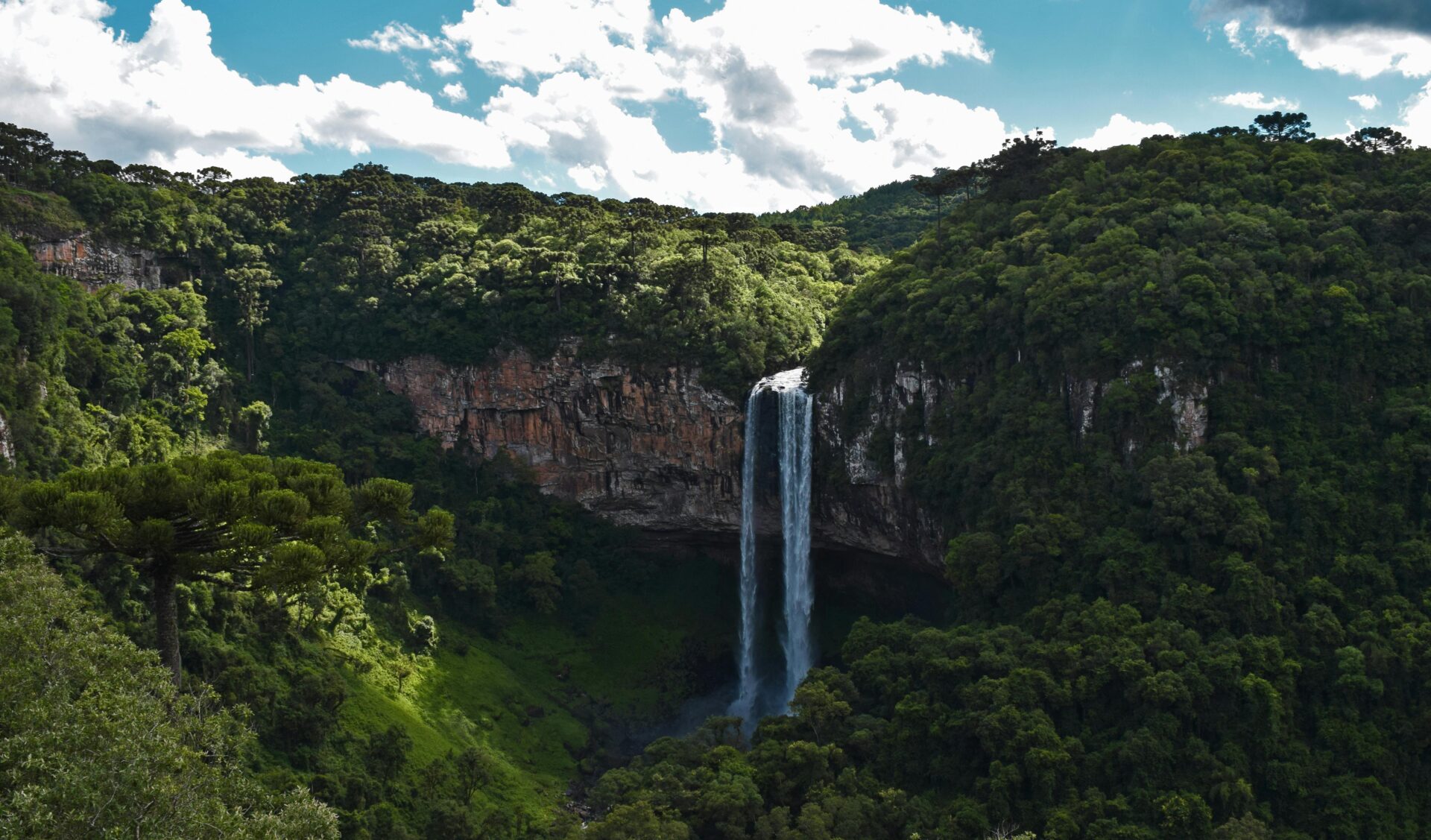
Conclusion
Indigenous communities in South America are integral to the protection of the continent’s forests. Through their traditional knowledge, sustainable practices, legal battles, and global activism, these communities continue to be the guardians of some of the world’s most ecologically significant areas. Their efforts are not only vital for the preservation of biodiversity and the mitigation of climate change but also for maintaining the cultural integrity and spiritual health of their peoples. As the world faces increasing environmental challenges, the leadership of Indigenous communities in forest conservation offers a powerful model of sustainable, holistic land stewardship. Recognizing and supporting their rights and contributions is essential for the future of South America’s forests and the planet as a whole.