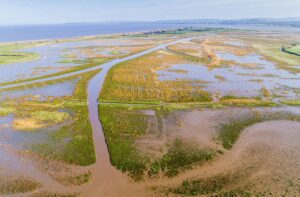
Strategic Restoration Plans and the Future of Nature: Building Resilient Ecosystems in a Changing Climate
Hazel Andrews December 25, 2025
A Changing Climate and the Urgency for Strategic Restoration
The future of nature is being shaped by a climate that no longer follows familiar patterns. Rising temperatures, erratic rainfall, prolonged droughts, intensified storms, and shifting seasons are altering ecosystems faster than many species can adapt. Landscapes that once recovered naturally after disturbance are now trapped in cycles of degradation. In this reality, restoration can no longer rely on hopeful assumptions about nature’s resilience. It must be strategic, intentional, and climate-aware, guided by long-term vision rather than short-term fixes alone.
Strategic Restoration Plans respond to this urgency by redefining how humans engage with damaged ecosystems. They recognize that climate change is not a distant threat but an active force influencing every restoration decision. These plans move restoration beyond repairing past damage and toward preparing ecosystems for an uncertain future. By aligning ecological recovery with climate resilience, strategic restoration offers a pathway for nature to survive and adapt in a rapidly changing world.
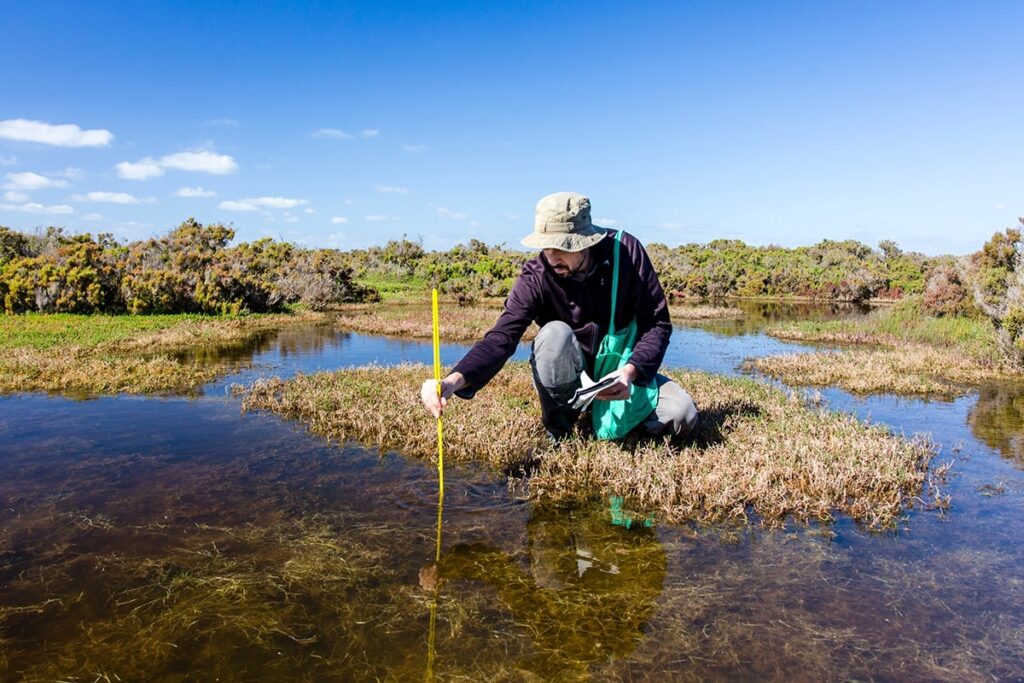
Restoration Reimagined for Climate Uncertainty
Traditional restoration often aimed to return ecosystems to a historical baseline, recreating what once existed. In a stable climate, this approach made sense. Today, however, many historical conditions no longer exist, and attempting to recreate them can lead to failure. Strategic Restoration Plans acknowledge this shift and embrace a more flexible vision of recovery.
Rather than restoring ecosystems to a fixed point in time, these plans focus on restoring ecological capacity. This means rebuilding the ability of ecosystems to regulate themselves, respond to stress, and evolve as conditions change. Restoration becomes less about replication and more about regeneration, ensuring landscapes can function under new climate realities. This adaptive mindset is essential for building ecosystems that are not just restored, but resilient.
Building Resilience Through Ecological Functions
At the heart of climate-resilient restoration lies the restoration of ecological functions. Healthy ecosystems buffer climate impacts naturally. Forests moderate temperature extremes, wetlands absorb floodwaters, and grasslands stabilize soils during droughts. Strategic Restoration Plans prioritize these functions because they provide long-term protection for both nature and human communities.
Functional restoration strengthens feedback loops that sustain ecosystems over time. Restored water cycles help landscapes retain moisture during dry periods and release it gradually during heavy rainfall. Recovered soil systems improve carbon storage while enhancing fertility and structure. When these processes are rebuilt, ecosystems gain the flexibility needed to absorb shocks without collapsing. Resilience emerges not from control, but from restored balance.
Biodiversity as Nature’s Climate Insurance
Biodiversity plays a critical role in helping ecosystems cope with climate stress. Diverse ecosystems contain a wider range of traits, behaviors, and responses, increasing the likelihood that some species will thrive even as conditions change. Strategic Restoration Plans treat biodiversity not as a byproduct of restoration, but as a core objective.
Climate-focused restoration emphasizes species diversity at every level, from microorganisms in the soil to large predators that regulate food webs. Native species are prioritized because of their evolutionary relationships with local ecosystems, but restoration also considers genetic diversity within species to enhance adaptive potential. By rebuilding complex ecological networks, restoration efforts create systems that can reorganize rather than collapse under climate pressure.
Landscape Connectivity in a Warming World
As climate zones shift, species must move to survive. Fragmented landscapes trap wildlife in shrinking habitats, cutting off migration routes and reducing genetic diversity. Strategic Restoration Plans address this challenge by restoring connectivity across landscapes, allowing ecosystems to function as dynamic, interconnected systems.
Restored corridors linking forests, wetlands, rivers, and grasslands enable species to track suitable conditions as temperatures rise or rainfall patterns change. This connectivity also supports ecological processes such as pollination, seed dispersal, and nutrient flow. In a changing climate, movement is survival, and restoration that reconnects landscapes gives nature the space it needs to adapt.
Climate-Smart Restoration in Practice
Strategic Restoration Plans integrate climate projections directly into restoration design. This means anticipating future conditions rather than reacting to damage after it occurs. Restoration practitioners assess how temperature increases, altered precipitation, and extreme events will affect ecosystem dynamics and adjust strategies accordingly.
In practice, this may involve restoring wetlands to manage flood risk, reforesting degraded slopes to prevent erosion, or rehabilitating coastal ecosystems to buffer storm surges. Species selection reflects future climate suitability, ensuring restored ecosystems remain viable over the long term. By embedding climate intelligence into restoration, these plans transform ecosystems into living infrastructure that supports both biodiversity and climate adaptation.
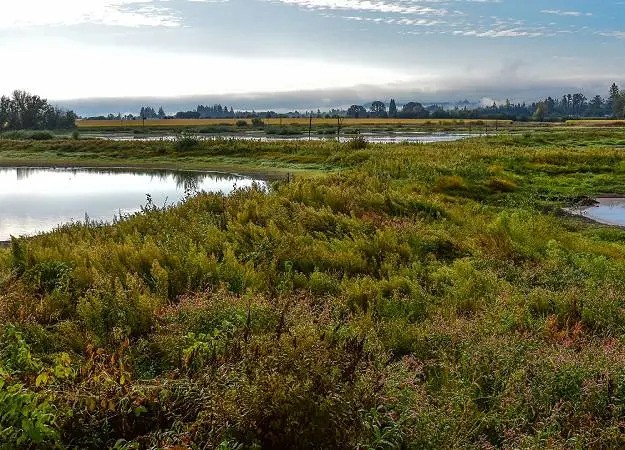
Human Communities as Partners in Resilient Restoration
Resilient ecosystems cannot exist in isolation from the people who depend on them. Strategic Restoration Plans recognize that long-term success depends on aligning ecological recovery with social realities. Communities living near restored landscapes often face the direct impacts of climate change, from water scarcity to food insecurity, making their involvement essential.
Restoration initiatives that engage local communities foster stewardship and continuity. When people understand how restored ecosystems protect livelihoods, reduce climate risks, and improve quality of life, restoration becomes a shared responsibility rather than an external intervention. This partnership approach ensures that restored landscapes are maintained, respected, and integrated into everyday life.
Monitoring Adaptation and Learning Over Time
Climate change introduces uncertainty that no restoration plan can fully predict. Strategic Restoration Plans address this by emphasizing continuous learning. Monitoring systems track how ecosystems respond to restoration efforts under changing conditions, providing data that guides ongoing adjustments.
Indicators such as species composition, soil moisture, vegetation structure, and water flow reveal whether ecosystems are gaining resilience or showing signs of stress. This adaptive management approach allows restoration strategies to evolve alongside climate impacts. Instead of rigidly following a fixed plan, restoration becomes a responsive process that grows stronger through experience.
Restoration as a Climate Solution
Beyond adaptation, strategic restoration also plays a powerful role in climate mitigation. Restored ecosystems act as carbon sinks, absorbing and storing greenhouse gases that would otherwise accelerate warming. Forests, peatlands, mangroves, and grasslands are among the most effective natural systems for carbon sequestration.
Strategic Restoration Plans maximize this potential by restoring ecosystems in ways that enhance long-term carbon storage while maintaining biodiversity. This dual benefit positions restoration as a nature-based solution to climate change, capable of delivering ecological recovery while contributing to global climate goals. When restoration is done strategically, climate action and biodiversity protection reinforce each other rather than compete.
Redefining Success in the Age of Climate Change
Success in restoration can no longer be measured by short-term survival rates or visual transformation alone. In a changing climate, true success lies in an ecosystem’s ability to persist, adapt, and continue supporting life. Strategic Restoration Plans redefine success as resilience, emphasizing function, diversity, and adaptability over static outcomes.
This shift challenges conventional thinking but reflects ecological reality. Ecosystems are dynamic, and restoration must honor that dynamism. By setting flexible goals and embracing uncertainty, strategic restoration aligns human efforts with nature’s inherent capacity for change.

The Future of Nature Depends on Strategic Restoration
As climate change accelerates, the fate of ecosystems will depend largely on the choices humans make today. Strategic Restoration Plans offer a clear path forward, combining ecological science, climate awareness, and long-term commitment into a unified approach. They recognize that restoration is not a luxury or a symbolic gesture, but a necessity for sustaining life on Earth and safeguarding planetary stability.
By rebuilding resilient ecosystems, these plans protect biodiversity, support human communities, and strengthen the planet’s ability to cope with climate change. They represent a shift from reactive conservation to proactive regeneration, where nature is not merely preserved but actively healed. In a warming world, strategic restoration stands as one of the most powerful tools available for shaping a future where both ecosystems and humanity can endure, thrive, and adapt together over generations, ensuring balance, continuity, and hope for the living world.