
Saltmarsh Restoration as a Natural Defense: Protecting Coasts Against Sea-Level Rise and Storms
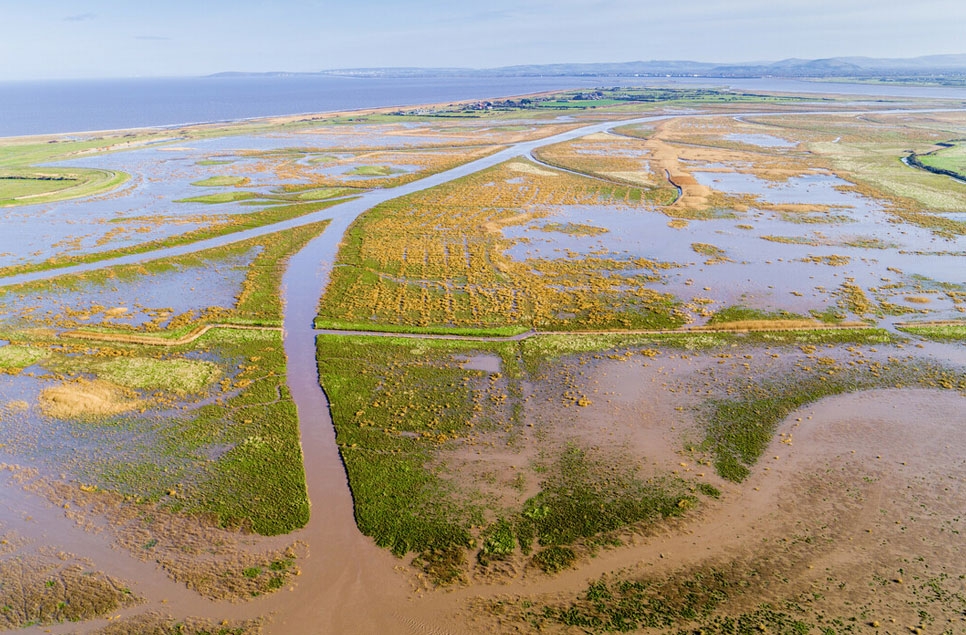
In an era where climate change increasingly dictates the fate of our coastlines, saltmarshes have emerged as unsung heroes in coastal defense. These unique intertidal ecosystems, often overlooked and undervalued, serve as natural barriers that protect human communities, wildlife, and infrastructure from the escalating threats of sea-level rise and violent storms. As coastal cities grapple with flooding and erosion, restoring saltmarshes is gaining recognition not just as an environmental initiative but as a strategic investment in climate resilience.
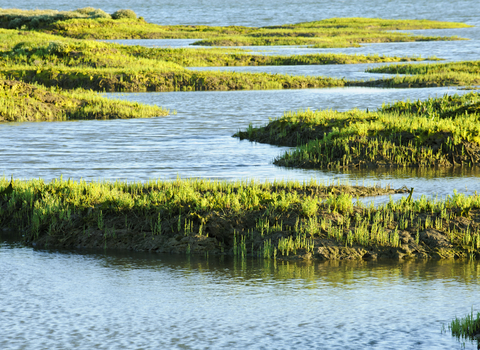
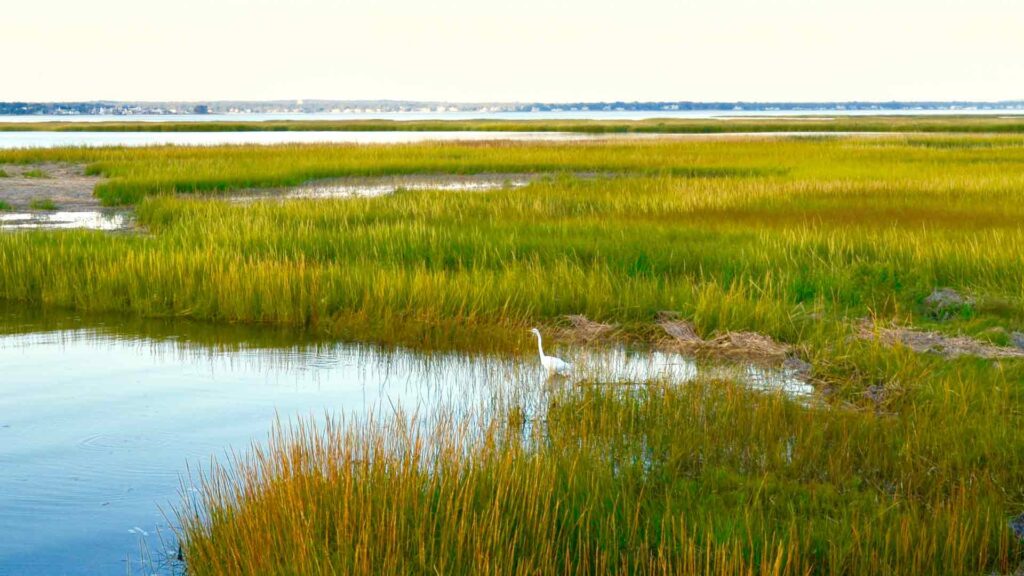
Saltmarshes are coastal wetlands flooded and drained by tidal waters, primarily composed of salt-tolerant plants such as cordgrass and glasswort. Their ecological significance goes beyond aesthetic or biological value; they act as dynamic living buffers, absorbing wave energy and trapping sediments. By slowing the flow of storm surges and tides, saltmarshes reduce the force of water before it reaches inland communities. In essence, they operate as nature’s levees, continuously self-repairing and adapting to changing conditions—a capability that traditional concrete structures often lack.
Understanding the Threat of Sea-Level Rise
Sea-level rise is one of the most pressing threats facing coastal regions today. Driven by global warming and the melting of polar ice caps, even modest increases in sea levels can intensify flooding, erode shorelines, and disrupt both human and ecological systems. Coastal cities worldwide, from New York to Mumbai, are already experiencing the early consequences, with saltwater intrusion into freshwater supplies and repeated flooding becoming distressingly common. While man-made barriers like seawalls can offer temporary protection, they are expensive, require constant maintenance, and often fail under extreme conditions. In contrast, saltmarsh restoration provides a sustainable, self-maintaining alternative.
Saltmarshes act like sponges, soaking up excess water during storms and releasing it gradually, mitigating the immediate impact of flooding. Their dense vegetation slows down waves, reducing erosion and preventing sediment loss. Additionally, saltmarshes promote sediment deposition, gradually raising the land level and allowing the ecosystem to keep pace with rising seas. This natural adaptability is particularly crucial in regions where hard infrastructure cannot be relied upon to keep up with accelerating climate changes.
Storm Protection Through Nature-Based Solutions
Storm surges pose an immediate and catastrophic risk to coastal areas, often causing damage to homes, infrastructure, and livelihoods. Traditional defense mechanisms, such as seawalls and groynes, are static and rigid, frequently leading to unintended consequences like coastal squeeze, where habitats are trapped between rising water and human constructions. Saltmarshes, however, are living systems that respond dynamically to environmental changes. Their soft, vegetated surfaces dissipate wave energy far more efficiently than hard structures. Studies have shown that a healthy saltmarsh can reduce wave height by up to 50 percent over a distance of just 100 meters, highlighting the immense protective power contained within these seemingly fragile ecosystems.
Furthermore, saltmarshes contribute to shoreline stabilization. The root systems of marsh plants bind sediments, while their stems and leaves disrupt water flow, promoting deposition rather than erosion. This dual action not only protects infrastructure but also maintains critical habitats for fish, birds, and other wildlife. In regions prone to hurricanes or typhoons, restored saltmarshes have been documented to buffer communities from extreme storm events, reducing both the frequency and severity of flood damage.
Carbon Sequestration and Climate Benefits
Beyond their immediate role as physical barriers, saltmarshes are powerful allies in the fight against climate change. They are part of the broader category of “blue carbon” ecosystems, capable of sequestering significant amounts of carbon dioxide from the atmosphere. Unlike forests, which store carbon primarily in wood, saltmarshes lock carbon in waterlogged soils where decomposition is slow, effectively keeping it trapped for centuries. By restoring these ecosystems, we not only enhance coastal protection but also contribute to climate mitigation efforts, creating a dual-benefit solution that addresses both the symptoms and causes of global climate challenges.
The carbon sequestration potential of saltmarshes adds a compelling economic argument for restoration. While seawalls and levees require ongoing maintenance and energy-intensive construction, saltmarshes grow and maintain themselves with minimal human intervention. Their restoration can therefore be seen as an investment that pays dividends in terms of storm protection, biodiversity conservation, and carbon storage. In this sense, saltmarsh restoration is not just an ecological priority but a cost-effective climate strategy.
The Challenges of Restoration
While the benefits of saltmarsh restoration are clear, the process is not without challenges. Coastal development, pollution, and altered hydrology have degraded many marshes worldwide, making natural recovery difficult. Restoring a saltmarsh often requires careful planning, including re-establishing tidal flows, planting native vegetation, and managing invasive species. Moreover, the success of restoration efforts depends heavily on site-specific conditions such as sediment availability, salinity levels, and hydrodynamic patterns. Ignoring these factors can lead to failed projects or slow progress, undermining the potential benefits.
Community engagement is also critical. Coastal residents must understand and support restoration efforts, as they may involve temporary changes to land use or access. Education campaigns and participatory approaches have proven effective in garnering public backing, ensuring that restoration projects are maintained and protected over time. This social dimension underscores the idea that saltmarsh restoration is not just an ecological intervention but a holistic strategy that intertwines environmental, economic, and social considerations.
Case Studies: Successful Saltmarsh Restoration
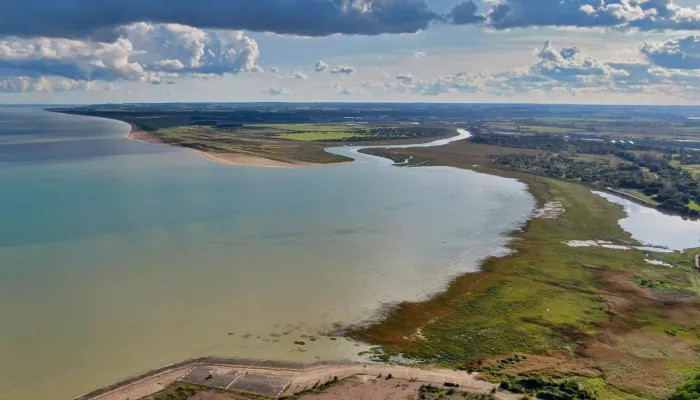
Several regions provide inspiring examples of how saltmarsh restoration can serve as a natural defense. In the United Kingdom, the Essex coastline has undergone extensive marsh restoration, resulting in reduced flood risk to inland communities and a resurgence of bird populations. In the United States, the restoration of Louisiana’s coastal wetlands has slowed land loss and mitigated hurricane impacts. These success stories illustrate that, when properly planned and executed, saltmarsh restoration can achieve multiple objectives simultaneously: protecting human life, fostering biodiversity, and building resilience against climate change.
In Asia, countries like China and South Korea have embraced saltmarsh restoration as part of broader coastal management strategies. In the Yellow Sea, restored tidal flats and saltmarshes have become crucial stopovers for migratory birds while providing a buffer against storm surges for nearby communities. These international examples highlight a shared recognition that nature-based solutions are not just optional—they are essential for a sustainable future.
Economic and Social Implications
Restoring saltmarshes is not solely an environmental endeavor; it carries significant economic and social implications. Protecting infrastructure from flooding reduces repair costs, insurance claims, and emergency response expenses. Healthy marshes support fisheries, enhance tourism opportunities, and improve water quality—all of which contribute to local economies. Moreover, by maintaining natural spaces, saltmarshes provide recreational, cultural, and aesthetic value, enriching communities in ways that artificial defenses cannot replicate.
Socially, saltmarsh restoration fosters a sense of stewardship and connection to the environment. Involving local communities in planting, monitoring, and maintenance cultivates environmental awareness and encourages sustainable practices beyond the marshes themselves. This integration of ecological restoration with social engagement creates a resilient, interconnected system where both people and nature thrive.
Looking Forward: Integrating Saltmarsh Restoration into Climate Policy
As climate threats intensify, integrating saltmarsh restoration into coastal policy and planning is becoming imperative. Policymakers must recognize that these ecosystems are not just habitat preserves but critical infrastructure capable of reducing risk and enhancing resilience. Incentivizing restoration projects, incorporating marshes into zoning regulations, and supporting research on adaptive management can amplify their protective benefits. International frameworks, such as the Ramsar Convention on Wetlands, provide guidance, but localized action remains crucial. Governments, NGOs, and communities must collaborate to ensure that restored saltmarshes remain viable in the face of rising seas and shifting weather patterns.
Moreover, technological innovations can complement restoration efforts. Remote sensing, GIS mapping, and hydrodynamic modeling allow scientists and planners to predict how saltmarshes will respond to sea-level rise, enabling more effective design and management. Combining traditional ecological knowledge with cutting-edge science creates a holistic approach that maximizes both ecological integrity and human safety.
Conclusion
Saltmarshes embody the remarkable synergy between ecology and human resilience. Their restoration offers a natural, adaptive, and multi-faceted solution to some of the most pressing coastal challenges of our time, from rising seas to powerful storms. Beyond their role in protecting infrastructure, they sequester carbon, support biodiversity, and enrich human communities in profound ways. While the path to successful restoration requires careful planning, collaboration, and sustained commitment, the rewards are undeniable: coastlines that are safer, ecosystems that are thriving, and societies better equipped to face an uncertain climate future.
As global awareness grows, saltmarsh restoration is transitioning from a niche conservation effort to a mainstream strategy in climate adaptation. It reminds us that, sometimes, the most effective defenses are not concrete or steel but the quiet, resilient power of nature itself.