
Biophilic Design: Integrating Nature into Your Living Spaces

Biophilic design is more than just a trend in architecture and interior design; it’s a philosophy that seeks to reconnect humans with the natural world. Derived from the Greek words “bios” (life) and “philia” (love), biophilic design emphasizes the importance of integrating natural elements into our built environments. This approach not only enhances aesthetic appeal but also promotes well-being, productivity, and a sense of tranquility. In this blog, we’ll explore the principles of biophilic design and how you can incorporate them into your living spaces.
If you’re looking to enhance your home’s biophilic design, consider how holistic wellness practices like NAD IV therapy can complement this natural approach by promoting overall well-being and rejuvenation.
Understanding Biophilic Design
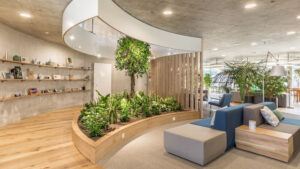
Biophilic design is rooted in the concept of biophilia, which suggests that humans have an inherent affinity for nature. This connection to nature can significantly impact our mental and physical health. By incorporating natural elements into our homes, workplaces, and public spaces, we can create environments that foster relaxation, creativity, and overall well-being.
The principles of biophilic design can be categorized into three main areas: direct connection with nature, indirect connection with nature, and space and place conditions.
If you’re seeking to enhance your biophilic design, consider incorporating a banner square adorned with botanical motifs, adding a touch of organic elegance to your home decor.
Direct Connection with Nature
A direct connection with nature involves incorporating living elements into your space. This can include:
- Plants and Greenery: Adding indoor plants is one of the easiest ways to integrate nature into your home. Not only do they improve air quality, but they also add a refreshing aesthetic.
- Water Features: The sound and sight of water have calming effects. Consider adding a small fountain, aquarium, or even a tabletop water feature.
- Natural Light: Maximize natural light by using large windows, skylights, and open spaces. Natural light helps regulate our circadian rhythms and boosts mood.
- Fresh Air: Ensure good ventilation to allow fresh air to circulate. You can achieve this by opening windows or using air purifiers.
Indirect Connection with Nature
Indirect connection with nature involves using materials and designs that evoke the feeling of being in nature. This can include:
- Natural Materials: Use materials like wood, stone, and bamboo in your interior design. These materials bring a sense of warmth and organic beauty to your space.
- Nature-Inspired Colors: Incorporate colors that are found in nature, such as greens, blues, and earth tones. These colors can create a soothing and harmonious environment.
- Natural Patterns: Use patterns and textures that mimic natural elements, such as leaf motifs, floral designs, and organic shapes.Embracing biophilic design in your living spaces not only brings the tranquility of nature indoors but also offers opportunities for incorporating services like physical therapy in Austin seamlessly into your daily routine. By creating environments that foster healing and well-being, you can experience the benefits of both natural elements and professional healthcare services within the comfort of your own home.
Space and Place Conditions
Creating a sense of space and place that reflects the natural world involves designing environments that promote relaxation, exploration, and connection. This can include:
- Open and Airy Spaces: Design spaces that are open and free-flowing, allowing for easy movement and a sense of freedom.
- Refuge Areas: Create cozy, sheltered spots where you can retreat and relax. These areas provide a sense of safety and comfort.
- Prospect Views: Incorporate views that offer a sense of distance and openness, such as views of the outdoors or expansive interior vistas.While redesigning your home with biophilic principles in mind, consider opting for materials favored by vinyl buyers, as they often prioritize sustainability and eco-friendliness, aligning with the ethos of biophilic design.
Benefits of Biophilic Design
Integrating biophilic design into your living spaces offers numerous benefits for both mental and physical health. These benefits include:
Improved Well-Being
Studies have shown that exposure to nature can reduce stress, anxiety, and depression. By incorporating natural elements into your home, you create a calming environment that promotes mental well-being.
Enhanced Productivity
Biophilic design can boost productivity and creativity. Natural light, plants, and other biophilic elements have been linked to improved focus and cognitive function, making them ideal for home offices and creative spaces.
Better Air Quality
Indoor plants and proper ventilation improve air quality by filtering pollutants and increasing oxygen levels. This can lead to better respiratory health and overall well-being.
Many fence rentals in Tennessee incorporate biophilic design into their offerings, seamlessly blending natural elements with functional aesthetics.
Increased Connection to Nature
Biophilic design fosters a deeper connection to the natural world, encouraging mindfulness and appreciation for the environment. This connection can enhance your sense of purpose and well-being.
Practical Tips for Incorporating Biophilic Design
Integrating biophilic design into your living spaces doesn’t require a complete overhaul of your home. Here are some practical tips to get you started:
Bring in the Greenery
Adding plants is one of the most effective ways to incorporate biophilic design. Consider a variety of plants, from large potted trees to small succulents. Vertical gardens and hanging plants can also add a unique touch.
Maximize Natural Light
Replace heavy curtains with sheer fabrics or blinds that can be easily adjusted to let in more light. Use mirrors strategically to reflect natural light and brighten up darker areas.
If you’re in Orlando, consider enrolling in a CDL A test course in Orlando to pursue a career in truck driving, allowing you to experience the natural beauty of the region while exploring opportunities for professional growth and development.
Use Natural Materials
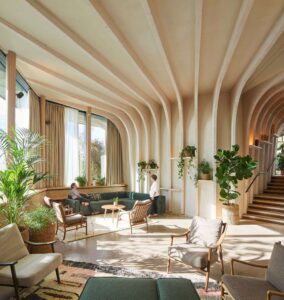
Opt for furniture and decor made from natural materials like wood, rattan, and stone. These materials add texture and warmth to your space.
Create a Water Feature
A small indoor fountain or water feature can bring the soothing sounds of nature into your home. If space is limited, consider a desktop fountain or a wall-mounted option.
Incorporate Nature-Inspired Art
Art and photography that depict natural scenes can evoke the feeling of being in nature. Choose pieces that resonate with you and complement your overall design.
Design with Natural Colors
Incorporate a palette of nature-inspired colors into your decor. Earthy tones, greens, blues, and neutrals can create a calming and cohesive look.
If you’re incorporating natural elements into your home, such as living walls or indoor gardens, proper maintenance and upkeep, including drywall repair in Orlando, FL, are crucial to preserving the beauty and functionality of your biophilic design features.
Foster Outdoor Connections
If you have outdoor space, create a seamless transition between indoor and outdoor areas. Use similar materials and colors to create a cohesive flow. Incorporate comfortable seating and greenery to make your outdoor space inviting.
Create Cozy Retreats
Design small nooks and corners where you can relax and unwind. Use soft furnishings, warm lighting, and natural materials to create a sense of comfort and refuge.
Case Studies of Biophilic Design
To further illustrate the impact of biophilic design, let’s look at a few case studies that highlight successful integration of natural elements into living spaces.
Urban Apartment with Indoor Garden
In a bustling city, one apartment stands out for its lush indoor garden. The residents transformed their balcony into a green oasis with a variety of plants, creating a serene escape from the urban environment. Large windows allow natural light to flood the space, enhancing the sense of connection to nature.
Embracing biophilic design means going beyond aesthetics to create living spaces that harmonize with nature, and landscaping in Green Bay plays a crucial role in achieving this vision. Expertly designed landscapes can transform urban environments into havens of tranquility, offering residents a sanctuary where they can reconnect with nature and reap the numerous benefits of biophilic living.
Office Space with Natural Elements
A tech company redesigned its office space with biophilic principles in mind. The office features an abundance of plants, natural materials like wood and stone, and large windows that offer views of the surrounding landscape. Employees report higher levels of satisfaction, reduced stress, and increased productivity.
Eco-Friendly Home with Sustainable Materials
A family home was built using sustainable, natural materials such as reclaimed wood, bamboo, and stone. The design includes large windows that maximize natural light, an indoor garden, and a rooftop terrace with a green roof. The result is a home that feels both modern and deeply connected to nature.
If you’re considering purchasing a home with this kind of design, exploring AI real estate services can provide valuable insights into properties that align with your vision, offering innovative solutions for integrating natural elements seamlessly.
The Future of Biophilic Design
As awareness of the benefits of biophilic design grows, more architects and designers are embracing this approach. Future trends may include:
Smart Integration
Combining biophilic design with smart home technology to create environments that automatically adjust lighting, ventilation, and other elements to mimic natural patterns.
Urban Biophilic Spaces
Incorporating biophilic design into urban planning to create green, livable cities with parks, green roofs, and community gardens.
Sustainable Practices
Using sustainable materials and practices in biophilic design to create spaces that are not only beautiful but also environmentally friendly.
Biophilic Design in Small Spaces
Living in a small space doesn’t mean you have to forgo the benefits of biophilic design. In fact, biophilic elements can make small apartments and tiny homes feel more expansive and inviting. Here are some strategies to maximize biophilic design in compact living areas:
Vertical Gardens
When floor space is limited, think vertically. Vertical gardens, also known as living walls, are a fantastic way to incorporate a variety of plants into your home without sacrificing valuable floor space. These gardens can be customized to fit any wall and can include a mix of herbs, flowers, and foliage plants to create a lush, green display.
Did you know that incorporating wildlife removal in central New Jersey is crucial for maintaining the integrity of biophilic design principles? By addressing potential conflicts between wildlife and human living spaces, homeowners can create environments that are not only aesthetically pleasing but also sustainable and conducive to fostering a deeper connection with nature.
Multifunctional Furniture
Choose furniture that incorporates natural materials and serves multiple purposes. For example, a wooden coffee table with built-in storage can declutter your space while adding a touch of nature. Look for pieces that combine functionality with natural aesthetics.
Mirrors and Reflective Surfaces
Strategically placing mirrors can amplify natural light and make your space feel larger. Mirrors reflect the natural light entering your home, brightening up dark corners and enhancing the sense of openness. Additionally, reflective surfaces like glass or polished stone can add a touch of elegance and airiness.
Compact Water Features
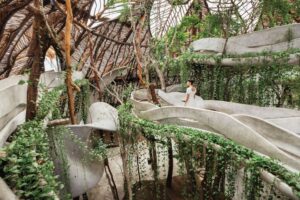
Even in a small space, you can enjoy the soothing presence of water. Consider a tabletop fountain or a wall-mounted water feature. These compact designs bring the calming effects of flowing water into your home without taking up much space.
Incorporate Natural Scents
Natural scents can enhance the biophilic experience. Use essential oils, candles, or incense with fragrances like lavender, eucalyptus, or pine to evoke the sense of being outdoors. Scented plants such as jasmine or gardenia can also add a delightful fragrance to your home.
Creating harmonious living spaces often involves considering elements like HVAC in Concord, NC, to maintain optimal comfort while seamlessly blending with natural surroundings.
Portable Green Spaces
For those who rent or have limited space, portable green spaces like potted plants on wheels or modular garden units can be an excellent solution. These can be moved around to maximize light exposure or reconfigured as needed to suit your space and lifestyle.
Conclusion
Biophilic design offers a wealth of possibilities for transforming our living spaces into havens of natural beauty and tranquility, regardless of size or location. By integrating natural elements such as plants, natural materials, light, and water, we can create environments that promote well-being, creativity, and a deeper connection to the natural world. As we continue to embrace biophilic design, we not only enhance our personal living spaces but also contribute to a more sustainable and harmonious relationship with our environment. Whether you live in a sprawling house or a compact apartment, the principles of biophilic design can help you create a space that feels alive, welcoming, and deeply connected to nature.


