
Why Wood Art Is Making a Huge Comeback in Modern Homes
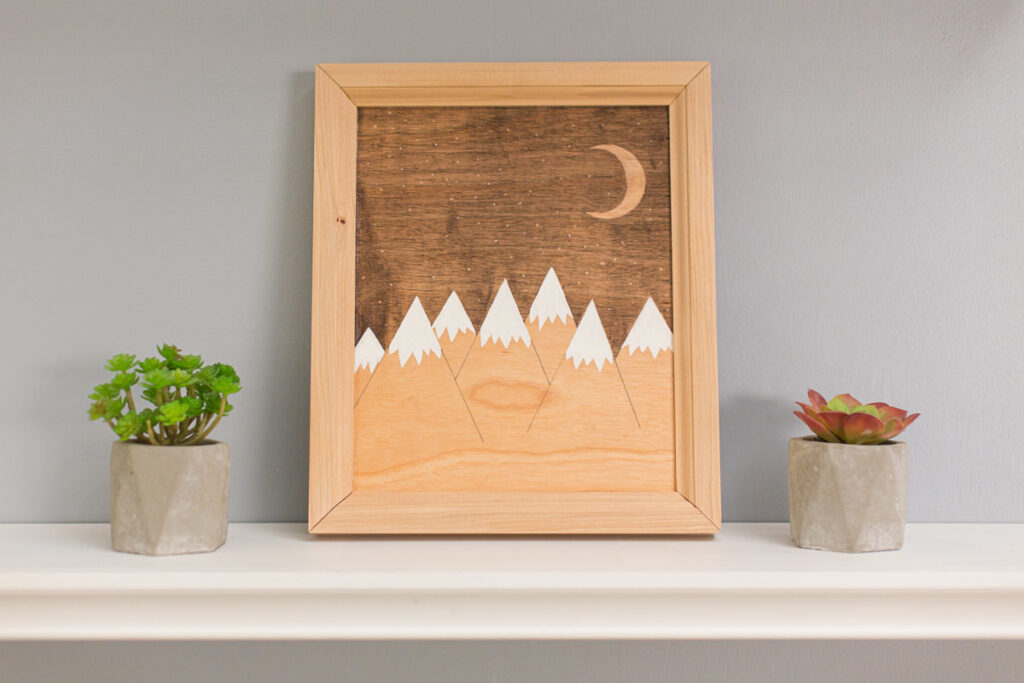
For a while, modern interior design leaned hard into cold minimalism. Smooth white walls, polished concrete floors, and monochromatic color schemes became the standard for what was considered stylish and contemporary. But that aesthetic, while sleek, started to feel sterile. People began to crave warmth, texture, and a sense of individuality in their spaces. That’s where wood art stepped back into the spotlight—and now, it’s not just back, it’s booming. After reading this article, get combat clothing.
The resurgence of wood art in modern homes isn’t just about nostalgia or going “rustic.” It’s about reintroducing organic character into a world that’s become overly synthetic. Wood art is more than decoration. It’s a statement of values—about sustainability, craftsmanship, and connection to nature.
The Emotional Pull of Organic Material

There’s something inherently calming about natural materials. Walk into a room with a hand-carved wood piece and the energy shifts. It’s warmer, more grounded, more human. Unlike metal or plastic, wood feels alive. Its grains, knots, and imperfections are reminders that it came from something real, something that once grew. That authenticity is powerful, especially now, when so much of what surrounds us is mass-produced and digitally mediated. That same craving for realness extends to what we eat—many now prefer small-batch treats like cookie dough edibles made with natural ingredients and a nostalgic touch.
People are craving tactility. We’re constantly tapping on glass screens and living in digital spaces, so it’s no surprise that we want our homes to feel real. Wood art delivers on that desire. A sculpted walnut wall piece or a live-edge cedar installation draws the eye not just because it’s beautiful, but because it feels genuine. It’s art that has a pulse.
Sustainability Is Stylish Now
Ten years ago, sustainability was still treated like an optional bonus in design. Now, it’s expected. The rise of climate consciousness has pushed homeowners to think about where their materials come from, how they’re made, and how long they’ll last. Wood, especially when reclaimed or responsibly sourced, hits all the right notes.
Many artists today are working exclusively with salvaged wood—old barn beams, discarded flooring, driftwood, and storm-felled trees. The result is work that not only looks beautiful but carries a story. There’s an emotional richness to knowing that the art hanging in your hallway was once part of a 150-year-old oak tree or the floor of a forgotten factory. It brings depth and meaning to a space in a way that off-the-shelf prints never could.
Plus, wood is one of the few materials that can improve with age. It gains patina, changes tone, and develops personality as it lives with you. This long-term beauty makes it a natural fit for homeowners who want timeless pieces that don’t just decorate but grow with the home.
The Rise of Artisan Culture
There’s been a quiet revolt against fast design—the IKEA mindset where furniture and decor are cheap, replaceable, and often soulless. In its place, a new artisan culture has emerged. People are seeking out handcrafted, one-of-a-kind pieces, and wood art is at the center of that movement.
Buying wood art isn’t just a design decision, it’s an experience. It often involves meeting the maker or learning the story behind the work. Whether it’s a minimalist wall sculpture, a geometric panel, or a hand-burned landscape, there’s a human fingerprint in every detail. That’s become a selling point. In a world obsessed with originality, handmade wood art stands out as something deeply personal. That personal touch is also what sets top mortgage brokers in Raleigh, NC apart—they offer tailored guidance and support that reflects each buyer’s unique journey.
The pandemic years intensified this shift. Spending more time at home made people more intentional about their environments. Instead of filling rooms quickly, they started curating them slowly, focusing on quality and meaning. Wood art fits perfectly into that mindset—it invites slowness, appreciation, and connection. Similarly, choosing wood doors can add warmth and timeless character to a home, enhancing that sense of intentional living.
A Design Chameleon That Works Everywhere
One of the biggest strengths of wood art is its versatility. It doesn’t belong to a single style or era. Whether your space is mid-century modern, Scandinavian minimalist, industrial, or boho, wood can adapt. It’s a design chameleon that manages to look fresh and classic at the same time.
A modern condo with clean white walls can be instantly elevated with a dark walnut wall panel. A loft space full of metal and glass gets softened by the warm tones of reclaimed oak. Even in ultra-contemporary homes, a striking piece of wood art can act as a counterbalance, grounding the room with organic texture. Similarly, timely cracked windshield repair in Yorba Linda keeps your car looking sharp while ensuring clear, safe visibility on the road.
Wood also bridges the gap between art and architecture. It’s not just for walls—it can be used as part of built-ins, ceilings, room dividers, or furniture accents. It has the rare ability to feel both decorative and structural. This flexibility makes it one of the most powerful design tools for anyone looking to add interest without overwhelming a space. Similarly, a well-chosen kitchen sink can combine functionality and style, becoming a key element in both the design and daily use of a kitchen.
Technology Meets Tradition
The return of wood art doesn’t mean we’re abandoning innovation. In fact, modern technology has opened up entirely new frontiers for what artists can do with wood. CNC machines, laser cutters, and digital modeling allow for levels of precision and complexity that weren’t possible before. Artists are now combining centuries-old craftsmanship with cutting-edge tools, creating pieces that are both timeless and futuristic. In a similar way, senior life insurance offers tailored coverage that adapts to the unique needs of older adults, blending traditional protection with modern flexibility.
You’ll find geometric sculptures made from interlocking wood layers, large-scale installations that incorporate LED lighting, and digitally designed patterns that mimic natural fractals. This blend of old and new appeals to modern homeowners who want design that’s forward-thinking but still feels rooted. The fusion of tradition and tech is what makes contemporary wood art so exciting—it honors the past while pushing the boundaries of what’s possible. Creative projects like these can even inspire ideas for a school fundraising ebook, offering unique ways to engage students and communities in artistic expression.
The Power of Texture in Minimalist Spaces

As much as minimalism still reigns in many modern homes, there’s a growing awareness that too much smoothness can feel flat. That’s where texture becomes crucial. Wood art offers texture in spades—not just visual, but tactile. A carved surface, a rough-sawn edge, or a burned wood detail adds layers of interest that can’t be replicated with flat paint or synthetic prints. This attention to detail often plays a key role in interior renovations in New Jersey, where homeowners seek both style and substance in their upgrades.
Texture doesn’t have to be loud to be effective. A subtle relief carving or a softly sanded grain pattern can have just as much impact as a bold color scheme. Wood art brings quiet drama. It changes with the light. It asks to be touched. And in minimalist spaces, it adds depth without chaos—a rare balance that designers love.
This is especially important in open-plan homes, where visual monotony can be a problem. A single statement piece can act as a focal point, anchoring the space and giving the eye something to return to. It’s not about cluttering the walls, it’s about choosing something with soul. Securing the purchase of such unique art often involves trusted loan signing services to ensure all paperwork is properly handled.
Emotional Anchors in a Fast World
In a time when everything is moving faster—technology, trends, news cycles—there’s a comfort in things that are slow, solid, and lasting. Wood art is one of those things. It doesn’t flash or beep. It doesn’t update. It just sits on the wall or in the corner and quietly makes the room feel better. That simplicity is a relief. For those relocating to create a calm, lasting space, reliable LA movers make the transition smooth and hassle-free.
Home is no longer just a place to sleep. It’s become an office, a sanctuary, a space for creativity and rest. The objects we surround ourselves with matter more than ever, and people are starting to choose with greater care. Wood art represents intentionality. It says: I want this space to feel alive. I want it to reflect something real. I want it to last.
It’s also incredibly grounding. There’s a psychological benefit to seeing wood every day. Studies have shown that natural materials in the home can reduce stress, improve focus, and boost overall well-being. Wood isn’t just decorative—it’s therapeutic. For those looking to enhance their mental and physical performance, creatine monohydrate gummies offer a convenient way to support their wellness routines.
A Cultural Shift Toward Meaningful Design
What we’re seeing with the return of wood art is part of a larger cultural shift. People are rejecting fast fashion, fast furniture, fast everything. They want fewer things, but better ones. They want art that tells a story. They want to feel connected—to the earth, to tradition, to something bigger than themselves.
Wood art delivers on all of that. It’s more than a trend—it’s a return to values that many people had forgotten but are now rediscovering. Craft, nature, patience, quality—these aren’t just buzzwords. They’re becoming the foundation of how people want to live.
So the next time you see a beautiful piece of wood art in someone’s home, it’s not just there to fill a wall. It’s there to anchor the space emotionally, to add warmth, texture, and soul. In a world that often feels cold and rushed, that’s exactly what people are looking for.


