
Vanishing Giants: How Melting Ice Caps Are Reshaping Global Ecosystems
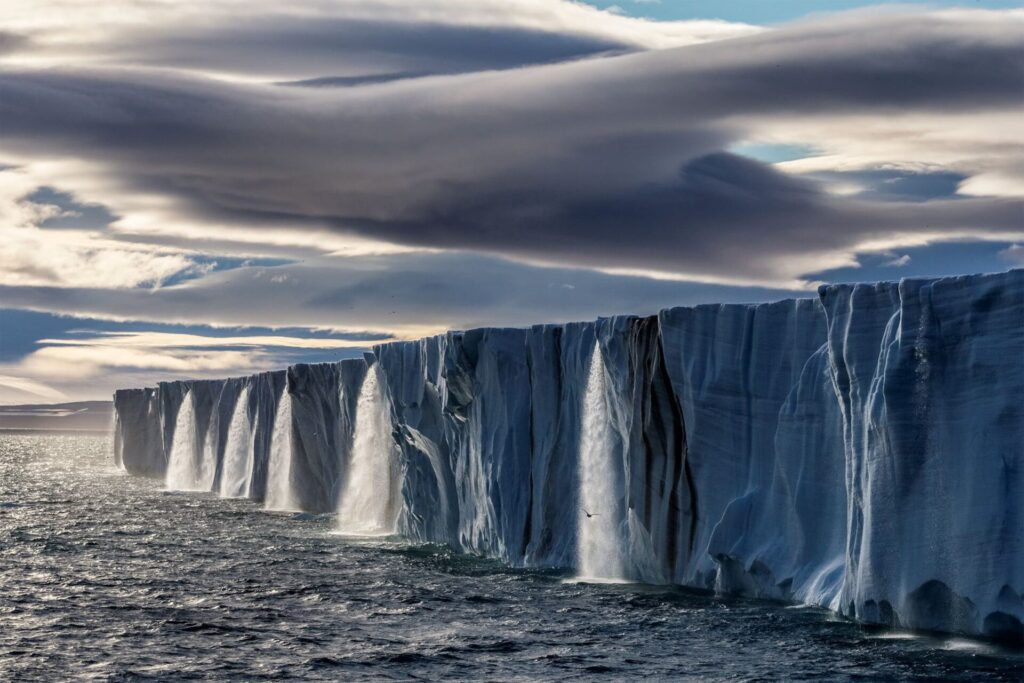
The world’s ice caps, once seemingly eternal sentinels of the polar regions, are now retreating at an alarming pace. These frozen giants are far more than majestic landscapes; they are pivotal regulators of Earth’s climate, freshwater reservoirs, and crucial habitats for countless species. As they melt, the repercussions ripple far beyond the Arctic and Antarctic, reshaping ecosystems, disrupting biodiversity, and challenging humanity’s capacity to respond. Understanding the ecological consequences and exploring solutions is no longer optional—it is a planetary imperative.
The Ice Caps as Ecological Pillars
Ice caps play a multifaceted role in maintaining ecological balance. Their sheer mass regulates global temperatures by reflecting sunlight back into space, a phenomenon known as the albedo effect. This reflection moderates heat absorption, helping to stabilize weather patterns across continents. Beneath the ice, ecosystems thrive in uniquely adapted ways. Microbial life survives in extreme cold, forming the base of polar food webs. Larger animals, such as polar bears, seals, and penguins, depend on the ice for hunting, breeding, and shelter.
The ice caps also act as vast freshwater reserves. As snow accumulates year after year, it slowly compacts into ice, storing water that eventually feeds rivers and lakes. This slow release sustains freshwater availability for distant ecosystems, influencing plant growth, freshwater fish populations, and migratory species that rely on these water sources. In essence, ice caps are ecological linchpins, connecting polar processes to global life systems in subtle but profound ways.
Accelerating Melt and Ecological Disruption
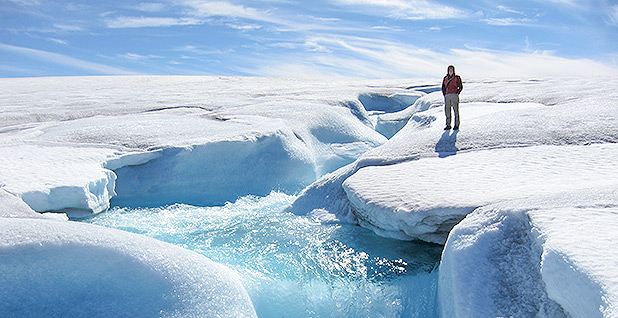
Recent decades have witnessed an unprecedented acceleration in ice cap melting. Rising global temperatures, fueled by greenhouse gas emissions, have destabilized glaciers and ice sheets in both the Arctic and Antarctic. The retreat of these frozen giants is not a silent event; it triggers cascading effects across ecosystems.
As ice melts, polar habitats shrink, threatening species that rely on stable ice environments. Polar bears, for instance, are losing hunting grounds as sea ice diminishes, forcing them to swim longer distances or move closer to human settlements in search of food. Penguins, particularly in Antarctica, face disruptions in breeding cycles due to changes in ice cover and food availability. The decline in ice also alters predator-prey relationships. Species once isolated by frozen expanses now encounter new competition and predators, leading to ecological imbalance.
Beyond the poles, melting ice contributes to rising sea levels, which have far-reaching ecological implications. Coastal wetlands, estuaries, and mangroves face inundation, threatening the biodiversity they shelter. Saltwater intrusion into freshwater habitats disrupts plant communities and freshwater fish populations, creating a chain reaction that affects both terrestrial and marine species. The very stability of ecosystems that humans rely on for food and livelihoods is at stake.
Ocean Currents and Climate Feedback Loops
The disappearance of ice caps does not only affect the immediate surroundings; it reverberates throughout the global climate system. Ice melt introduces enormous amounts of freshwater into the oceans, altering salinity levels and disrupting thermohaline circulation—the global conveyor belt of ocean currents that regulates climate. Changes in these currents can lead to unpredictable weather patterns, including extreme storms, droughts, and shifting monsoons, which in turn stress ecosystems far from the poles.
Additionally, as reflective ice disappears, darker ocean water absorbs more heat, accelerating warming in a feedback loop known as Arctic amplification. This process exacerbates ice melt and further destabilizes ecosystems. Coral reefs, tropical forests, and agricultural systems all feel the indirect effects, revealing how polar ice is intricately tied to global ecological stability.
Biodiversity at the Edge
The melting ice caps are testing the resilience of biodiversity in extraordinary ways. Species that evolved in stable, frozen conditions are facing survival challenges they have never encountered. Many Arctic and Antarctic organisms have narrow thermal tolerances, meaning even slight temperature increases can threaten their reproductive success and survival.
At the same time, opportunistic species are migrating poleward, creating new ecological dynamics. Predators and competitors invade previously inhospitable zones, upsetting established food webs. For example, warming Arctic waters have allowed orcas and certain fish species to venture further north, disrupting native populations. This reshuffling of species can lead to local extinctions, altered nutrient cycles, and diminished ecosystem services.
Terrestrial ecosystems are not immune. Alpine and subpolar habitats are experiencing similar pressures as glaciers retreat from mountain ranges. Plants and animals adapted to cold climates are being squeezed into shrinking ranges, sometimes unable to migrate fast enough to survive. These shifts highlight that the melting of ice caps is not just a polar problem—it is a planetary ecological crisis.
Human Communities and Ecosystem Interdependence
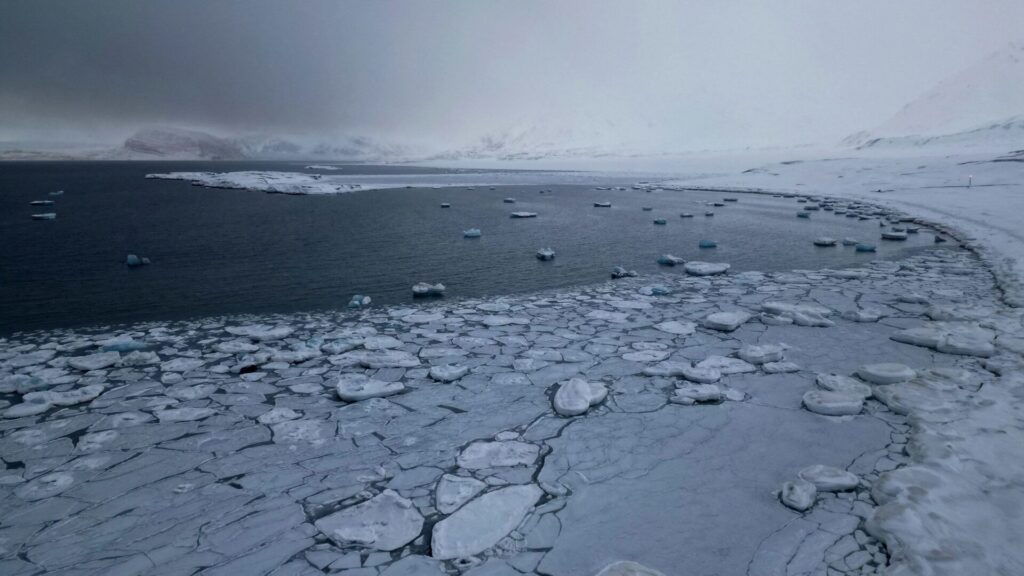
Humans are not mere bystanders in this unfolding scenario. Indigenous communities in polar regions, whose livelihoods depend on ice-dependent species and stable ecosystems, are witnessing profound changes. Traditional hunting and fishing practices are becoming increasingly precarious, threatening cultural heritage and food security.
Even far from the poles, human societies feel the ecological impact. Rising sea levels displace coastal communities and affect fisheries, while altered ocean currents and weather patterns disrupt agriculture and freshwater availability. The interconnectedness of ice caps and global ecosystems underscores the urgent need for collective action to mitigate environmental collapse.
Strategies for Ecological Preservation
Despite the daunting challenges, there are tangible strategies to address ice cap melting and its ecological consequences. Mitigating climate change remains the most critical step. Reducing greenhouse gas emissions through renewable energy adoption, energy efficiency, and sustainable transportation can slow global warming, giving ecosystems a chance to adapt.
Protecting and restoring habitats is equally vital. Marine protected areas can safeguard critical feeding and breeding grounds for polar species, while wetlands and mangroves can buffer the effects of rising seas. In terrestrial ecosystems, creating wildlife corridors facilitates species migration in response to changing climates, reducing the risk of extinction.
Scientific research and monitoring play a pivotal role. Satellite imagery, drone surveys, and ecological modeling provide real-time data on ice cap dynamics, species populations, and ecosystem responses. This knowledge allows policymakers to implement adaptive strategies and prioritize areas most at risk.
Local and global collaboration is essential. Indigenous knowledge offers invaluable insights into ecological stewardship, complementing scientific approaches. International agreements, such as the Paris Accord and Antarctic Treaty System, create frameworks for collective responsibility in protecting vulnerable ecosystems.
Finally, raising public awareness and fostering environmental literacy can drive behavioral change. Communities informed about the cascading impacts of ice cap loss are more likely to support conservation policies, reduce carbon footprints, and engage in sustainable practices. Ecological resilience begins with social engagement, emphasizing that human actions are inseparable from the fate of the planet.
Hope Amidst the Melting Ice
While the scale of ice cap melting and ecological disruption is unprecedented, history shows that concerted efforts can restore balance. The recovery of the ozone layer in the late 20th century demonstrates that global cooperation, science-driven policy, and behavioral change can reverse environmental damage. The same principles apply to mitigating ice cap melt and preserving ecosystems.
By understanding the ecological significance of ice caps and the intricate web of life they support, humanity can make informed choices. Conservation, climate action, and sustainable development are not abstract ideals—they are essential for the survival of species, including our own. The melting of the world’s ice giants is both a warning and a call to action, urging us to redefine our relationship with nature before the consequences become irreversible.
Conclusion
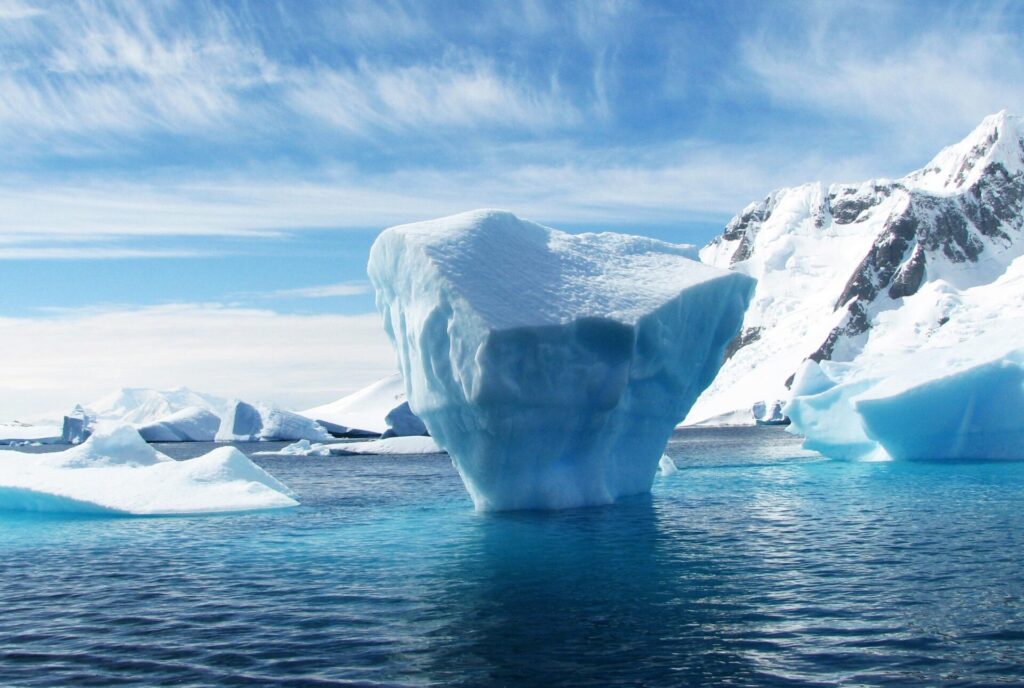
The vanishing ice caps are far more than a symbol of climate change; they are the backbone of global ecological systems. Their disappearance reshapes habitats, disrupts biodiversity, alters ocean currents, and affects human societies worldwide. Yet, this crisis is not without solutions. Through decisive climate action, habitat protection, scientific research, and global cooperation, it is possible to mitigate the damage and foster resilience in ecosystems at risk.
As these frozen giants continue to retreat, the choice before humanity is clear: either witness the unraveling of ecological networks or rise to the challenge of preserving the intricate, fragile systems that sustain life on Earth. The melting ice caps are a call, not just for awareness, but for action—a chance to safeguard the natural world before it is irrevocably altered.