
Composting 2.0: Transforming Biodegradable Waste for a Greener Future

Composting has long been celebrated as a natural way to return nutrients to the soil, reduce landfill waste, and mitigate greenhouse gas emissions. Yet, in the age of rapid technological advancement and urgent environmental concerns, the traditional backyard compost pile is evolving into something far more sophisticated. Composting 2.0 represents a transformative approach to biodegradable waste management, marrying cutting-edge science, smart technology, and community-driven initiatives to create a greener, more sustainable future.
The Urgency of Biodegradable Waste Management
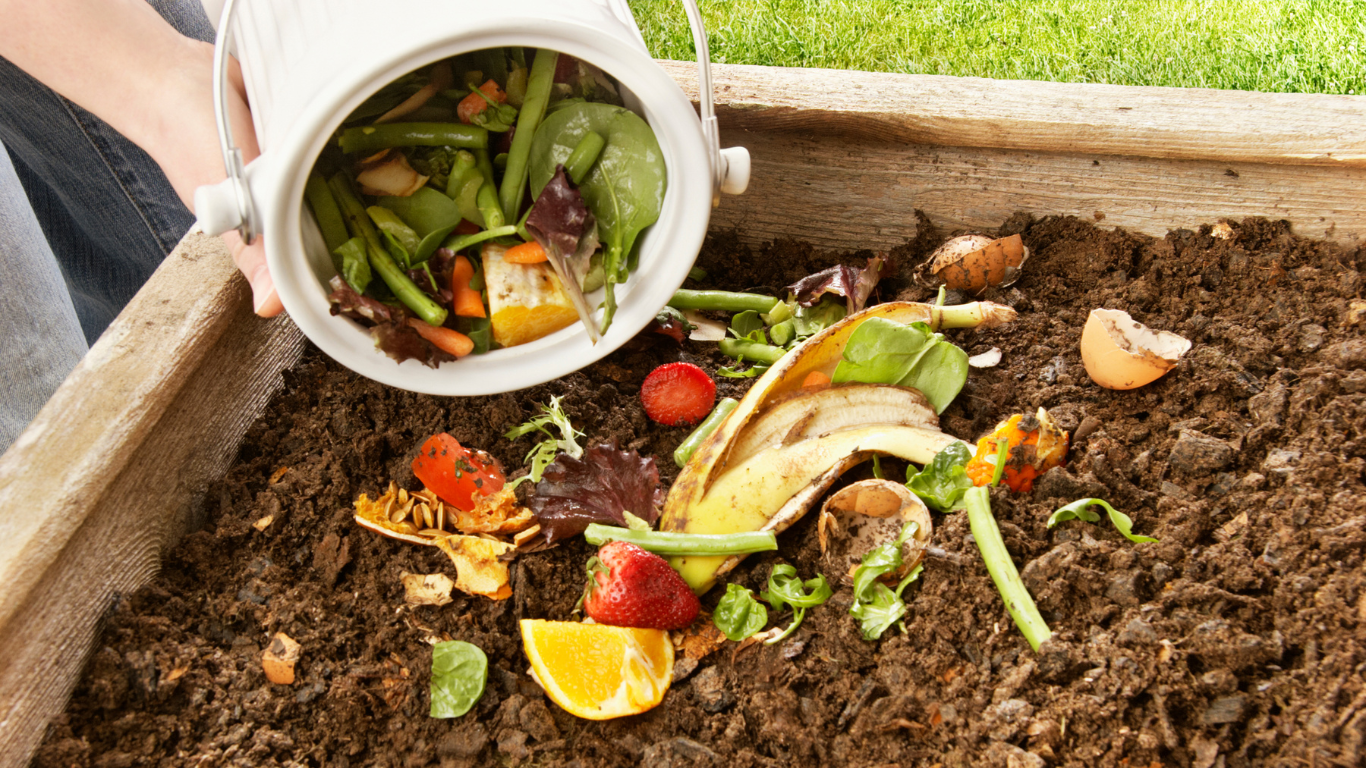
Globally, organic waste accounts for a staggering proportion of municipal solid waste, often exceeding 40% in developing countries. Left unchecked, this waste contributes to methane emissions, a greenhouse gas far more potent than carbon dioxide. The environmental toll of inefficient waste disposal is compounded by urbanization and rising consumption patterns. Composting 2.0 is not merely an evolution of a traditional practice—it is an urgent response to an escalating environmental crisis. By rethinking how we manage biodegradable materials, society can significantly reduce landfill dependency, lower carbon footprints, and restore ecological balance.
From Simple Piles to Smart Composting Systems
The earliest forms of composting were simple: household scraps mixed with garden waste, left to decompose over months. While effective on a small scale, this method is often inconsistent, slow, and limited in scope. Composting 2.0 introduces smart composting systems that use sensors, artificial intelligence, and data analytics to optimize the decomposition process. These systems monitor moisture levels, temperature, and pH balance, ensuring that organic matter breaks down efficiently while minimizing odor and pests. Some advanced setups can even adjust conditions automatically, accelerating compost production and producing higher-quality humus.
This technological leap not only makes composting accessible to urban environments with limited space but also ensures a predictable and reliable output. Restaurants, supermarkets, and large-scale food producers can now divert their biodegradable waste into systems that maximize nutrient recovery, turning what was once a liability into a valuable resource.
Nutrient-Rich Soil for the Future
At its core, composting 2.0 is about returning value to the earth. Traditional composting enhances soil structure and fertility, but advanced methods take this a step further by tailoring nutrient profiles for specific agricultural needs. Controlled composting techniques allow for the enrichment of compost with essential minerals, microbial communities, and organic compounds that promote plant health. This not only improves crop yields but also reduces dependence on chemical fertilizers, which are resource-intensive to produce and often harmful to ecosystems.
The ripple effects of this approach are profound. Healthy soils capture more carbon, retain water more effectively, and resist erosion, creating resilient agricultural systems capable of adapting to climate change. Urban farms, community gardens, and regenerative agriculture projects all stand to benefit from this next-generation compost. By transforming biodegradable waste into a premium soil amendment, we are closing the loop in food systems, ensuring that what we consume can nourish future generations in more sustainable ways.
Biodegradable Waste as a Renewable Resource
One of the most compelling aspects of composting 2.0 is its reframing of biodegradable waste as a renewable resource. Instead of viewing food scraps, yard trimmings, and organic byproducts as disposable, society can embrace them as raw materials for creating value. Emerging technologies, such as anaerobic digesters and bio-reactors, are now capable of processing biodegradable waste at industrial scales. These systems not only produce high-quality compost but can also generate bioenergy, such as biogas, that powers homes, businesses, and transportation.
This dual approach—transforming waste into soil nutrients and energy—illustrates the holistic potential of composting 2.0. It aligns perfectly with the principles of a circular economy, where materials are continuously repurposed and nothing goes to waste. In this vision of the future, cities could become self-sustaining ecosystems, generating energy from the very organic waste that once contributed to pollution.
Community Engagement and Education
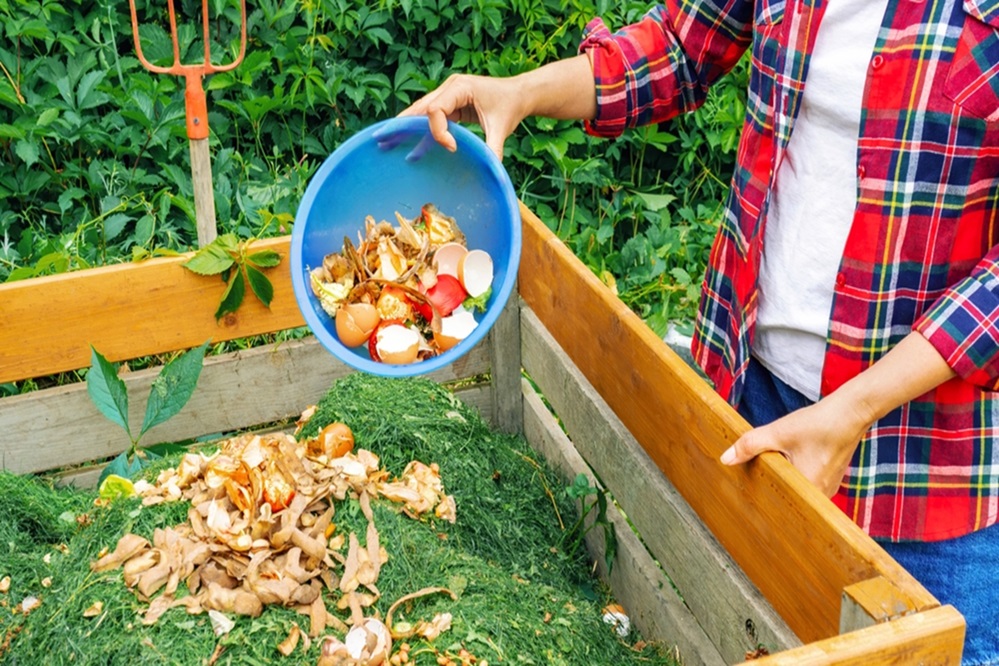
Technology alone cannot drive the composting revolution. Community engagement and education are essential components of Composting 2.0. Individuals, households, and local governments play a crucial role in collecting and sorting biodegradable waste correctly. When citizens understand the environmental impact of their organic waste and see tangible benefits from proper composting, participation rates increase dramatically.
Programs in cities around the world are demonstrating this principle. From neighborhood compost hubs in New York City to community-operated anaerobic digesters in Copenhagen, local initiatives are proving that social awareness and collective action amplify technological innovation. Schools and universities are incorporating composting programs into curricula, teaching students not just the mechanics of decomposition, but the ethics and science of sustainable waste management. This cultural shift ensures that composting is not a niche activity, but a mainstream, indispensable practice for modern urban life.
Policy and Regulation: Driving Change at Scale
For composting 2.0 to reach its full potential, policy and regulation must evolve alongside technology. Governments have a pivotal role in creating incentives for businesses and households to adopt sustainable waste practices. Regulations can mandate the separation of organic waste, support research into advanced composting systems, and provide funding for infrastructure development. Tax benefits for companies that implement smart composting solutions or generate bioenergy from waste are another mechanism for encouraging large-scale adoption.
Countries that have embraced these policies are already seeing results. In South Korea, mandatory food waste recycling programs have reduced landfill contributions dramatically while providing valuable compost for agriculture. Similarly, in Germany, strict waste separation policies ensure that organic waste streams are efficiently processed, creating a model for other nations to follow. Composting 2.0 thrives where policy, technology, and public engagement intersect, highlighting the need for coordinated, multi-level strategies.
Environmental and Economic Benefits
The environmental benefits of Composting 2.0 are significant. By diverting biodegradable waste from landfills, we reduce methane emissions, decrease leachate contamination, and conserve valuable landfill space. Healthy soils produced from advanced composting act as carbon sinks, absorbing greenhouse gases and mitigating climate change. Furthermore, by substituting chemical fertilizers with nutrient-rich compost, ecosystems benefit from reduced pollution and enhanced biodiversity.
The economic advantages are equally compelling. Composting 2.0 creates jobs in waste collection, processing, and technology development. Businesses can lower disposal costs and even generate revenue from the sale of compost and bioenergy. Farmers benefit from reduced input costs and improved crop resilience. Cities gain efficiency in waste management and strengthen their sustainability credentials, which can attract investment and tourism. The convergence of environmental and economic incentives makes composting 2.0 a win-win solution, promising tangible returns for society as a whole.
Innovations on the Horizon
Looking ahead, the future of composting promises even more exciting innovations. Researchers are exploring the use of microbial engineering to accelerate decomposition, while biotech companies are developing enzymes that can break down stubborn organic materials more efficiently. Smart sensors are becoming more sophisticated, enabling real-time monitoring of compost quality and environmental impact. Even blockchain technology is being tested to track organic waste streams, ensuring transparency and accountability in circular supply chains.
The integration of these innovations with existing waste infrastructure has the potential to redefine how cities and industries handle biodegradable materials. Imagine a future where organic waste is automatically collected, analyzed, and processed into both compost and renewable energy, all while providing detailed insights into environmental impact. Composting 2.0 is not just a trend—it is a paradigm shift, promising to transform waste from a societal burden into a cornerstone of sustainability.
A Cultural Shift Toward Sustainability
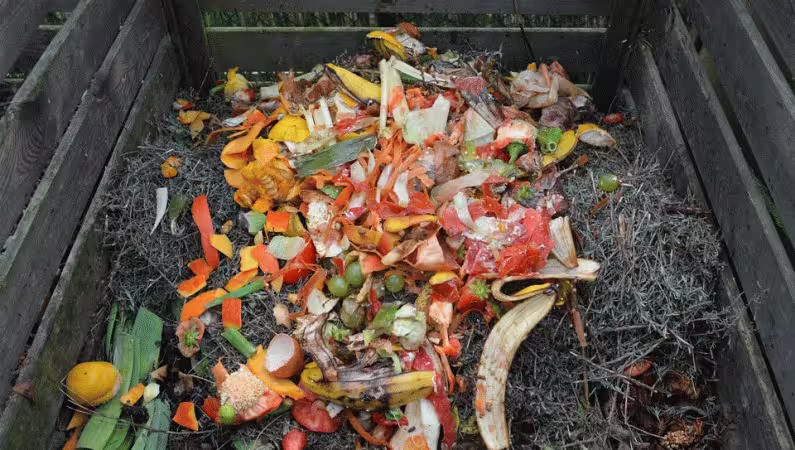
Ultimately, the success of Composting 2.0 depends on a broader cultural embrace of sustainability. Technology and policy can facilitate change, but societal attitudes must evolve to recognize the inherent value in organic materials. By fostering a culture that respects natural cycles and prioritizes responsible consumption, we can make composting a standard part of everyday life. Celebrating small victories, such as community compost hubs or school programs, reinforces positive behavior and nurtures a collective sense of environmental stewardship.
As more individuals and institutions adopt these practices, a tipping point emerges, where composting is no longer optional, but a defining feature of responsible living. In this context, biodegradable waste transforms from an overlooked byproduct into a powerful symbol of ecological mindfulness, demonstrating how human ingenuity can harmonize with nature.
Conclusion
Composting 2.0 represents a bold leap forward in the management of biodegradable waste. By combining advanced technology, scientific innovation, community engagement, and supportive policy, it offers a holistic approach to sustainability. Beyond reducing landfill contributions and greenhouse gas emissions, it enriches soil, supports agriculture, generates renewable energy, and fosters economic opportunities. Most importantly, it challenges society to see waste not as a problem, but as a resource—an opportunity to create a greener, more resilient future.
The road ahead is filled with promise. With continued investment, research, and cultural commitment, Composting 2.0 can transform the way we think about biodegradable materials, paving the way for cities, farms, and communities that are truly sustainable. The era of passive waste disposal is over. The era of intelligent, regenerative, and empowering composting is here—and it is poised to change the world for the better.