
The Role of Texture in Minimalist Home Design: Adding Depth Without Overcrowding
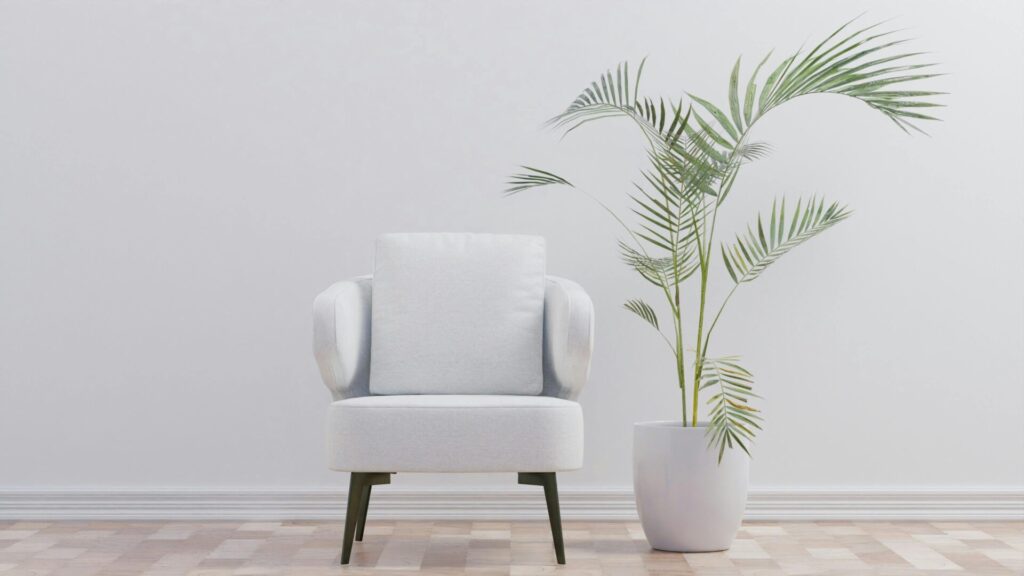
Minimalist home design is often characterized by simplicity, clean lines, and a focus on functionality over excess. While the aesthetic celebrates “less is more,” it can sometimes run the risk of feeling cold, flat, or sterile when too much emphasis is placed on reducing clutter. One of the most effective ways to counter this potential pitfall is by incorporating texture into minimalist spaces. Texture adds depth, warmth, and dimension to minimalist interiors without disrupting the overall sense of calm and order. It brings life and personality to a space while still maintaining the clarity and focus that minimalist design demands. The strategic use of texture can help elevate a minimalist design from stark and bare to rich and inviting, creating a more dynamic and comfortable living environment.
Texture in minimalist home design is all about subtlety. Instead of relying on an abundance of decor or colors to create interest, it utilizes the surfaces and materials themselves. From the softness of fabric to the ruggedness of exposed brick, textures help create visual contrast while preserving the uncluttered, harmonious atmosphere of minimalism. Through thoughtful use of texture, minimalism becomes not only visually appealing but also tactilely engaging, allowing homeowners to feel more connected to their living spaces. For those seeking to optimize their home or office, consider expert IT services in San Antonio to ensure your digital environment is just as well-designed.
The Importance of Texture in Minimalist Spaces
Minimalist spaces often rely on simplicity, neutral tones, and an open, airy feel. While this offers a refreshing sense of calm, a purely minimalist room without texture can sometimes lack warmth and character. Texture is the secret ingredient that adds richness to these spaces, making them feel more livable and engaging without overloading the senses. Adding decor elements like patriotic shirts for women framed as art or draped creatively can introduce both texture and personality to a minimalist room.
By introducing texture, minimalism becomes more than just an aesthetic; it transforms into an experience. Texture stimulates not only the eyes but also the sense of touch, creating an emotional connection with the space. Whether it’s the softness of a woolen throw, the grain of wood, or the gleam of polished concrete, different textures evoke different moods and associations, allowing you to bring a layer of storytelling into minimalist design. For example, rougher textures such as exposed wood beams or stone walls provide an earthy, grounded feel, while smoother surfaces like glass or metal convey sleekness and sophistication.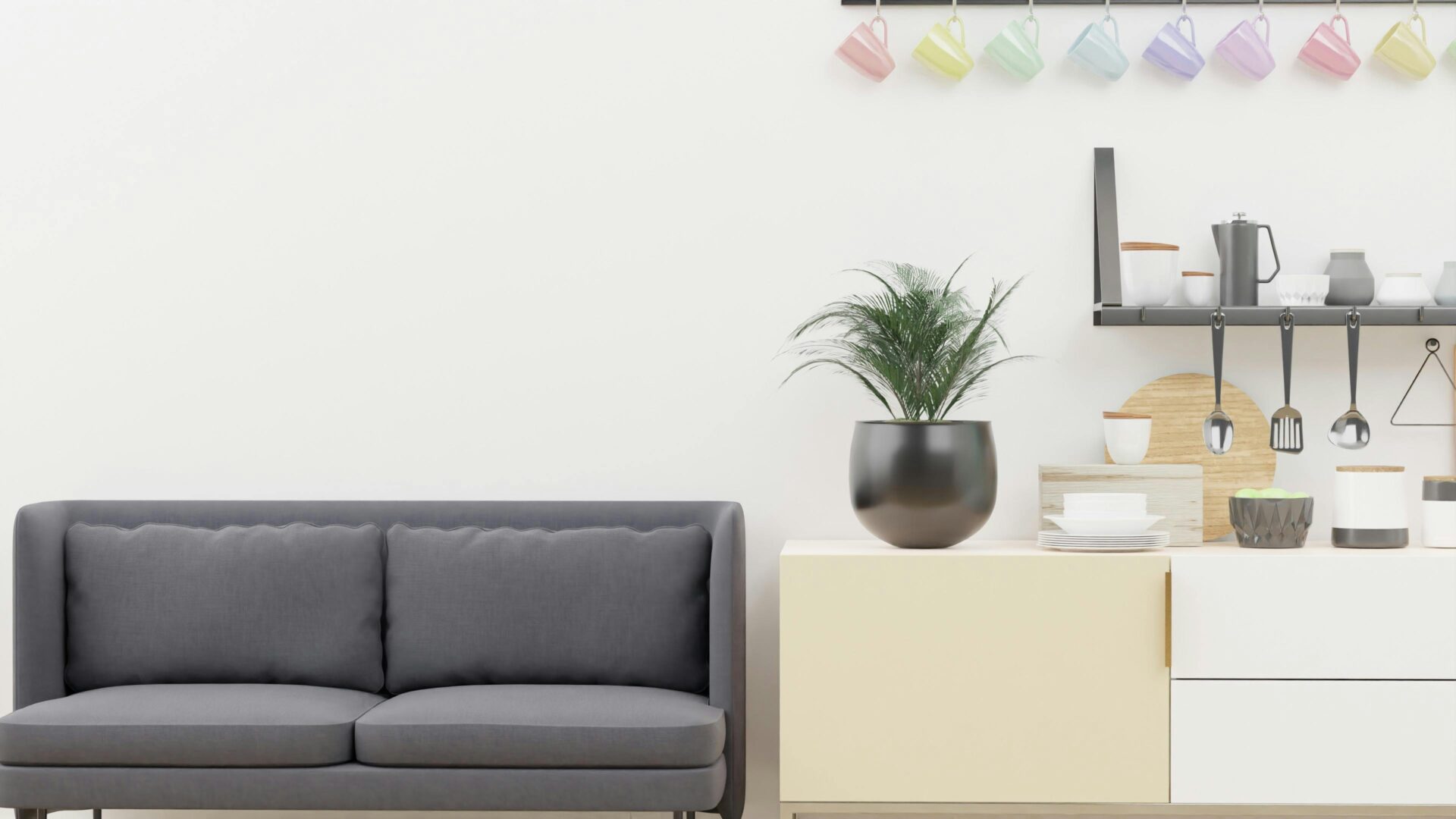
Incorporating texture also prevents a minimalist space from feeling overly uniform or monotonous. Even with a restrained color palette, texture provides contrast and visual interest, guiding the eye around the room and making each surface feel distinct yet cohesive. It allows for variety within the constraints of minimalism, ensuring that while the space remains uncluttered, it is far from boring.
How to Layer Texture Without Adding Clutter
One of the key challenges in minimalist design is finding the balance between simplicity and richness. The goal is to add texture without introducing clutter or making the space feel too busy. This can be achieved by being selective and intentional with the materials and surfaces you choose to highlight. Minimalist design thrives on clarity and order, so when adding texture, it’s important to maintain that sense of restraint. For those in need of efficient waste management solutions during a renovation, dumpster rental in Johnstown offers a convenient option.
A good place to start is with natural materials. Organic textures such as wood, stone, wool, linen, and leather integrate seamlessly into minimalist design because they bring warmth and tactility without feeling forced or artificial. These materials have a timeless quality and are often used in their most raw and unrefined state, allowing their natural textures to shine. A reclaimed wooden coffee table, a concrete accent wall, or a linen sofa can all add depth to a space without the need for excessive decoration. For a unique way to spark creativity and break out of routine, visiting an escape room in Seattle can provide a fun and engaging experience.
Another way to incorporate texture is through functional elements. In minimalist spaces, every item should serve a purpose, and this includes items that add texture. For example, instead of decorative accessories, think of textured rugs, throw blankets, or curtains that are both functional and visually interesting. A jute rug, for instance, brings a tactile element underfoot while maintaining the clean lines of the room. Similarly, textured throw pillows made from materials like velvet or chunky knit wool can add softness and comfort to a minimalist sofa without overwhelming the space. A knee brace for arthritis can also serve as a functional addition to your daily routine, offering support and comfort without compromising style. 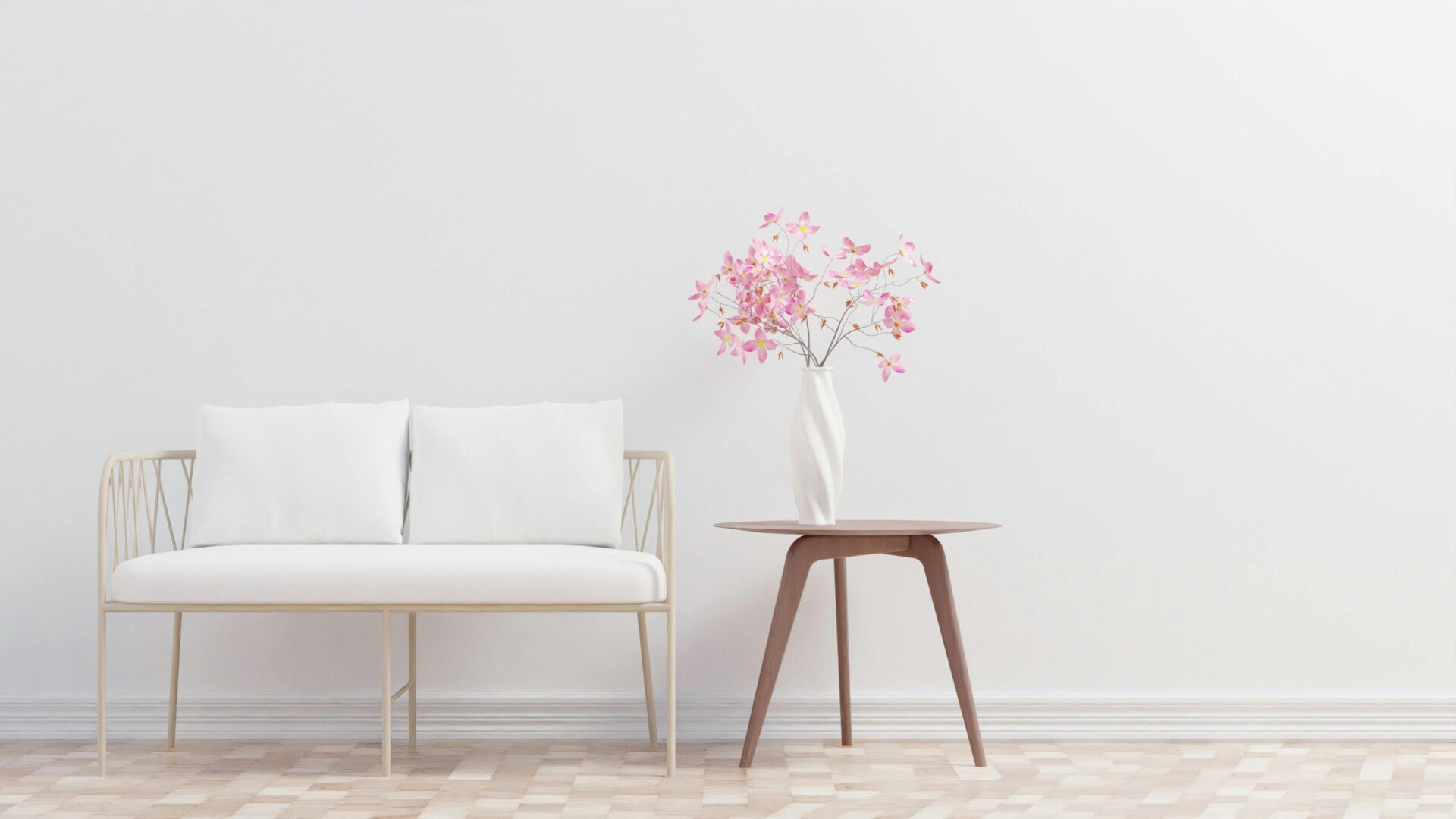
Lighting also plays an important role in highlighting texture. The right lighting can emphasize the subtle variations in surfaces, drawing attention to the texture without adding physical elements. A pendant light casting shadows on a rough-textured wall or soft lighting illuminating the grain of wooden furniture can create a dynamic interplay of light and texture, enhancing the minimalist aesthetic. The key is to let the textures speak for themselves, allowing them to take center stage in the absence of bold patterns or excessive ornamentation.
The Role of Contrast in Highlighting Texture
In minimalist design, contrast is crucial for highlighting texture and creating visual depth. The interplay between smooth and rough, light and dark, soft and hard adds a layer of complexity that keeps minimalist spaces from feeling too one-dimensional. By incorporating contrasting textures, you can guide the eye across different surfaces and create focal points without resorting to additional decor or busy patterns. To ensure your lighting and electrical features enhance this design, hiring an electrician in Plano, TX can provide the expertise needed for a seamless setup.
For example, pairing a smooth concrete floor with a plush area rug creates a striking contrast between hard and soft textures. The juxtaposition of these two materials immediately draws attention to both, adding depth and warmth to the space. Similarly, combining sleek, modern furniture with rustic, textured elements like exposed brick or reclaimed wood can create a balanced contrast that feels intentional and harmonious. In outdoor spaces, landscaping in Florida achieves a similar effect by blending soft, lush greenery with hardscaping elements like stone pathways or wooden decks, creating a dynamic and inviting atmosphere.
Contrast can also be achieved through a mix of natural and man-made materials. A space that features both raw, organic textures such as wood or stone, alongside polished surfaces like glass or metal, creates a dynamic tension between the natural and the industrial. This contrast not only highlights the textures but also introduces a sense of balance, making the space feel more engaging while still adhering to minimalist principles.
Color contrast is another powerful tool for emphasizing texture. In minimalist spaces, the use of a monochromatic or neutral color palette can help textures stand out more clearly. For instance, a white room with a variety of textures—such as a linen sofa, a textured plaster wall, and a woven rug—allows the textures to take center stage, creating a layered look without the need for bold colors. French bulldog puppies for sale can also be a delightful addition to such spaces, bringing life and warmth to minimalist interiors. Subtle variations in shade and texture can make a monochrome space feel rich and multidimensional, proving that minimalism does not have to mean monotony.
Textured Accents: Bringing Focus to Key Areas
When working with minimalist design, it’s important to use texture strategically to create focal points without overwhelming the space. Textured accents can draw attention to specific areas of the room, adding a sense of purpose and direction to the overall design. Adding an ice cooler with a sleek, modern design can be both functional and a stylish accent in a minimalist setting. By concentrating texture in certain spots, you can guide the flow of the room and maintain the minimalist ethos of simplicity and restraint.
One approach is to focus on a statement piece with a rich texture, such as a textured wall, a piece of furniture, or an art installation. A feature wall with a tactile finish, such as rough plaster, exposed brick, or wood paneling, can become the focal point of a room without the need for additional decoration. This creates a sense of depth and character, making the space feel more intimate and inviting while preserving its minimalist identity. If you keep the minimalist style in your vehicle, as well, you can check out windshield repair in Houston, TX, which is focused on maintaining your vehicle’s integrity.
Furniture is another area where texture can be highlighted. Opting for a single piece of textured furniture, such as a leather armchair, a velvet sofa, or a wooden dining table with a raw, natural finish, can add a touch of warmth and sophistication to an otherwise minimalist room. The key is to keep the surrounding elements simple and unobtrusive, allowing the texture to be the main point of interest. If you’re dealing with tenant issues in the space you want to renovate, property eviction services can provide the necessary support to resolve conflicts and ensure smooth transitions.
Textured accessories, such as rugs, throw blankets, and pillows, can also be used to add subtle layers of depth. By choosing accessories with varying textures but keeping the color palette neutral, you can enhance the tactile quality of the space without disrupting the minimalist flow. A chunky knit throw draped over a linen sofa or a woven basket sitting on a smooth concrete floor creates an understated contrast that enriches the overall design.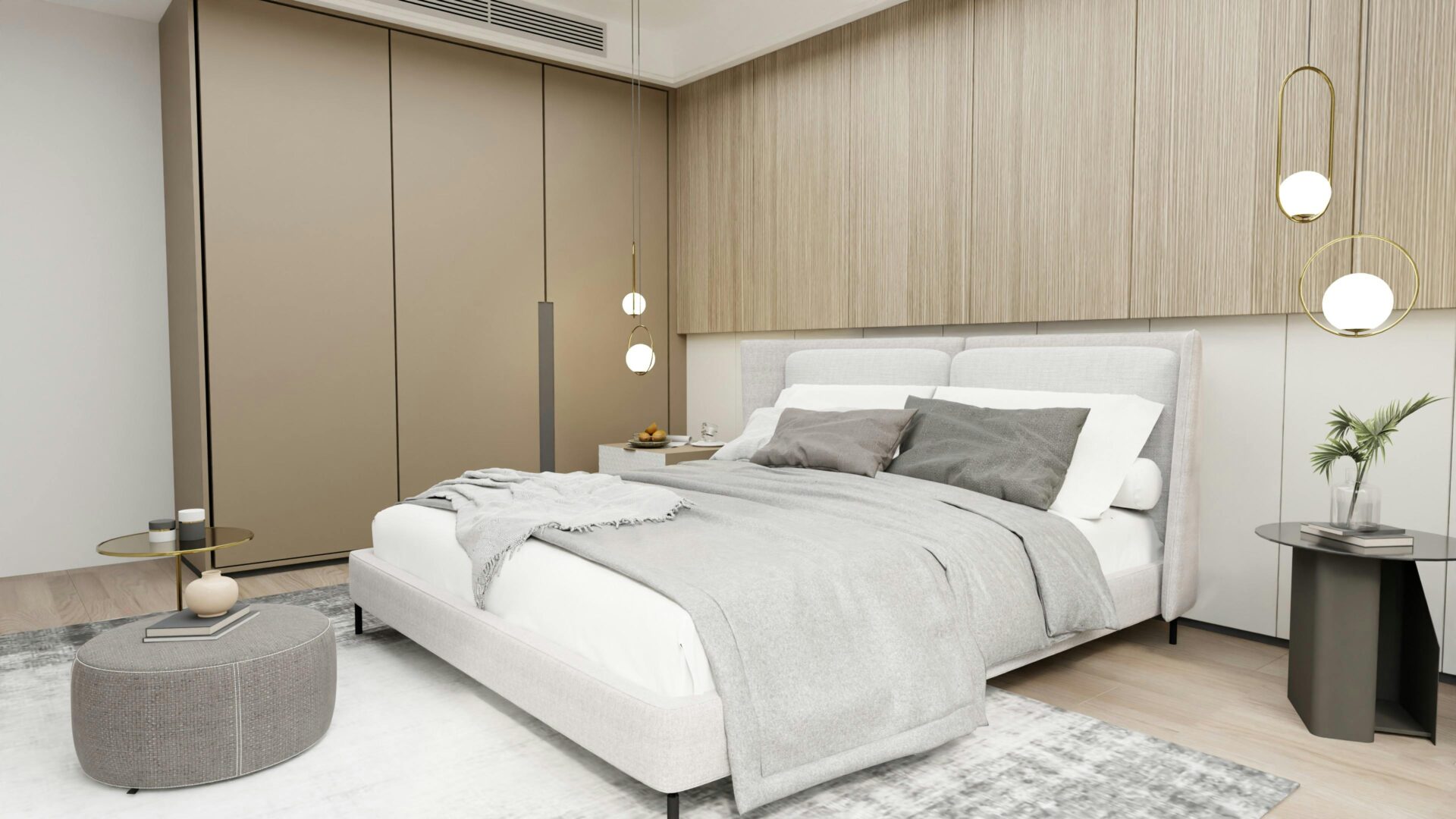
Balancing Texture with Simplicity
In minimalist design, the ultimate goal is balance. Texture adds complexity, but it should never overwhelm the simplicity that defines minimalism. Achieving this balance requires careful consideration of each element in the space. The right mix of textures can make a minimalist room feel cozy and inviting without compromising its clean, uncluttered look. After a long day, an outcall massage in Las Vegas can be the perfect way to unwind, helping you achieve both physical and mental balance.
When incorporating texture, it’s important to maintain a sense of restraint. Overloading a space with too many textures can lead to visual clutter, which goes against the principles of minimalism. The key is to use texture sparingly and purposefully. Choose a few key pieces or surfaces to highlight, and let those textures stand out against the simplicity of the rest of the room. This way, the space remains calm and focused, while still offering richness and depth.
In conclusion, texture plays a vital role in minimalist home design by adding warmth, depth, and personality without cluttering the space. Through thoughtful use of materials, contrast, and accent pieces, texture enhances the minimalist aesthetic, making it more inviting and engaging. By balancing simplicity with richness, minimalist spaces can achieve a sense of calm that is both visually and emotionally satisfying, proving that even in minimalism, there is room for complexity.