
Designing Quiet Spaces: Interiors that Promote Tranquility and Focus
Hazel Andrews October 10, 2024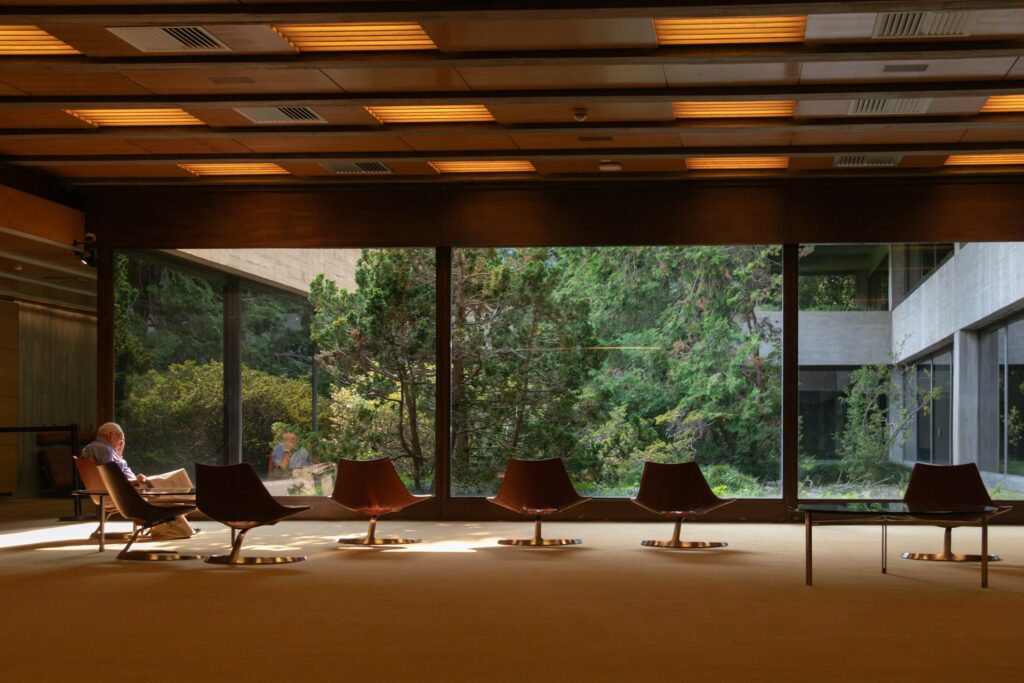
In a world that is constantly buzzing with noise and distractions, the need for quiet spaces has never been more crucial. Whether it’s in our homes, offices, or even public places, having a sanctuary of peace allows us to recharge, focus, and find mental clarity. Designing interiors that promote tranquility and focus requires a delicate balance between aesthetics and functionality. It’s not just about creating a beautiful space, but about crafting an environment that genuinely fosters calmness and productivity. The following guide explores the essential elements of designing quiet spaces, offering insights into how the right combination of design principles can transform any area into a haven of serenity.
The Importance of Quiet Spaces in a Noisy World
Noise pollution is a pervasive issue in modern life. From the constant hum of traffic to the beeping of electronic devices, our environments are filled with sound that can overstimulate the brain. Studies have shown that prolonged exposure to excessive noise can lead to increased stress levels, anxiety, and even sleep disturbances. Creating quiet spaces is not just a luxury but a necessity for mental and physical well-being. These spaces provide a much-needed break from the constant barrage of sensory input, helping individuals feel more grounded and centered.
Quiet spaces are particularly valuable in urban environments, where outdoor noise can be difficult to escape. In homes, they offer a retreat for meditation, reading, or simply unwinding after a long day. In offices, quiet zones are essential for enhancing concentration and productivity, especially in open-plan layouts where distractions are plentiful. Schools and libraries also benefit from well-designed quiet areas, where students can focus on learning without interruption. Similarly, quiet spaces can be crucial for professionals like accident and personal injury attorneys in Stevens Point, who need focused environments to work on complex legal cases.
The psychological impact of quiet spaces extends beyond their practical benefits. A calm environment has been shown to improve mood, increase creativity, and enhance cognitive function. For this reason, the design of these spaces is a critical consideration for architects, interior designers, and homeowners alike.
Creating a Calming Color Palette
One of the most powerful tools in the designer’s arsenal when creating a tranquil space is the use of color. Colors have a profound effect on mood and can influence how we feel within a space. To create a sense of calm and focus, it’s important to select colors that evoke feelings of peace and relaxation.

Muted tones, such as soft grays, gentle blues, and pale greens, are often favored for their calming qualities. These colors mimic the natural world—think of the soft blue of the sky or the green of lush forests—and help to connect the space with nature, further promoting a sense of tranquility. Neutral tones, like beige, cream, and light taupe, also work well, offering a blank canvas that doesn’t overwhelm the senses. In fact, many vacation home rentals use these color schemes to create a serene environment for guests. Avoid overly bright or saturated colors, which can be stimulating and detract from the peaceful ambiance you’re aiming to achieve.
When using color in quiet spaces, consider layering different shades within the same color family. This adds depth and interest to the room without introducing too much visual stimulation. For example, a soft gray wall might be complemented by lighter gray furnishings, with accents of soft white or muted green. This monochromatic approach helps to maintain a cohesive and serene feel throughout the space. When designing similar serene environments, many professionals have found success by incorporating services such as IT consulting in San Antonio to enhance the functionality of the space.
Natural materials, such as wood and stone, can also add warmth and texture to a space while contributing to a calming color palette. Wood, in particular, has a grounding effect, especially when it features natural, unpolished finishes. Light woods, such as oak and birch, pair beautifully with neutral color schemes, while darker woods can add a touch of sophistication without overpowering the room’s tranquility.
Furniture and Layout: Keeping It Simple
Simplicity is key when designing a quiet space. Overly cluttered environments can create visual noise, making it difficult to relax and focus. The furniture in a quiet space should be minimalist, functional, and comfortable. Focus on pieces that serve a purpose without drawing too much attention to themselves. The goal is to create a layout that feels spacious and unconfined, allowing the mind to rest and roam freely. Preparing for exams can be similarly stress-free with the right approach, such as using resources like the SHRM senior practice exam to build confidence.
Begin by selecting a few key furniture pieces that align with the purpose of the space. For a home meditation or reading nook, a comfortable chair, a small side table, and soft lighting may be all that’s needed. In an office environment, opt for ergonomic furniture that promotes good posture and reduces physical strain, such as adjustable chairs and desks.
Furniture placement is just as important as the furniture itself. Creating clear pathways and ensuring an unobstructed flow through the room promotes a sense of openness. Arrange furniture in a way that encourages ease of movement, and avoid placing large or bulky items in areas where they might dominate the space or block natural light. Exploring options like insulin resistance therapy in Tulsa can also enhance your overall well-being in a beautifully arranged space.
While it’s important to maintain simplicity, that doesn’t mean the space should be devoid of personality or warmth. Consider incorporating a few carefully chosen accessories, such as soft throws, plush cushions, or a single piece of art that resonates with calmness. However, be mindful to keep these accents minimal to avoid overwhelming the space.
The Role of Lighting in Tranquil Spaces
Lighting is a critical component of any interior design, and it plays a particularly important role in spaces designed for tranquility and focus. Harsh or overly bright lighting can be jarring and counterproductive in these environments, while soft, diffuse lighting can help to create a calming atmosphere.
Natural light is ideal for quiet spaces and should be maximized wherever possible. Large windows or skylights allow natural light to flood the room, creating a bright yet soothing ambiance. When natural light is limited, artificial lighting should be carefully chosen to mimic the softness of daylight. Avoid harsh overhead lights and opt instead for softer, ambient lighting sources, such as floor lamps, table lamps, or wall sconces. A product development agency can help create innovative lighting solutions that enhance the beauty of your space.
Layering different types of light—ambient, task, and accent lighting—can also enhance the tranquil feel of a space. Ambient lighting provides overall illumination, task lighting is focused on specific areas like a desk or reading chair, and accent lighting adds warmth and highlights architectural features or décor. Dimmable lighting options are especially beneficial in quiet spaces, as they allow for adjustable light levels based on the time of day or the activity taking place.
Another important consideration is the color temperature of your lighting. Warm light (with a color temperature around 2700K to 3000K) is generally the most conducive to relaxation. It mimics the gentle glow of sunlight in the early morning or late afternoon, creating a cozy and inviting atmosphere. On the other hand, cooler light (above 4000K) can be more stimulating, so it’s best reserved for task lighting where focused work is required.
Acoustics: Controlling Sound for a Quieter Environment
While visual design is critical to creating a tranquil space, sound control is equally important. A quiet space isn’t just about minimizing external noise; it’s about managing the sounds within the room as well. Achieving good acoustics can greatly enhance the sense of calm and focus within an interior.

One of the first steps in soundproofing a room is to block out external noise. Windows are often the weakest points when it comes to sound insulation, so consider installing double-glazed windows or using thick, sound-absorbing curtains. Weatherstripping around doors and windows can also help to seal gaps where noise might enter.
Inside the space, sound-absorbing materials such as thick rugs, upholstered furniture, and acoustic panels can be used to dampen echoes and reduce overall noise levels. Soft surfaces absorb sound, while hard surfaces, like bare walls or floors, tend to reflect it. Adding textiles, cushions, and wall coverings can help soften the acoustics in a room, making it feel quieter and more comfortable. In areas prone to moisture issues, effective solutions like water removal in Charlotte can also prevent damage to these sound-absorbing materials.
If total silence is not achievable or desirable, consider introducing white noise machines or sound systems that play calming ambient sounds, like flowing water or soft wind. These sounds can help mask more disruptive noises while also contributing to a soothing environment. Additionally, fountains or other water features can add a natural sound element, reinforcing the peaceful atmosphere while helping to drown out background noise. Incorporating such tranquil elements can enhance the overall experience, just as M&A services can optimize business outcomes.
Nature’s Influence: Biophilic Design Elements
Biophilic design is based on the concept of incorporating nature into interiors to promote well-being and tranquility. By bringing elements of the outdoors inside, we create a deeper connection with nature, which is inherently calming. Research has shown that exposure to nature reduces stress and increases feelings of happiness and contentment, making biophilic design a natural fit for quiet spaces. Similarly, when designing functional spaces, it’s essential to consider practical elements, such as ensuring you have a reliable plumber in San Antonio for any necessary plumbing needs.
One of the simplest ways to incorporate biophilic elements is by introducing plants. Indoor greenery not only purifies the air but also adds a soothing visual element to the space. Plants like snake plants, peace lilies, and ferns are particularly effective at improving air quality and thrive in indoor environments. Consider placing plants in areas where they can be easily seen and appreciated, such as near windows, on desks, or in corners.
Natural materials, such as wood, stone, and water, also contribute to a biophilic aesthetic. Wood floors, stone accents, and the sound of running water from a small indoor fountain can all enhance the sense of connection to nature. Incorporating natural textures, like wool throws or linen fabrics, adds tactile warmth to the space, making it feel more inviting and organic. Additionally, working with a branded merchandise supplier can provide unique items that complement this natural aesthetic and enhance the overall ambiance.
Views of the outdoors, when possible, should be maximized. If a space overlooks a garden or natural landscape, avoid heavy curtains or blinds that block the view. Instead, opt for sheer fabrics or shades that allow light in while maintaining privacy. Even if a natural view isn’t available, artwork or photographs depicting natural scenes can have a similar calming effect.
Conclusion: The Art of Balancing Serenity and Functionality
Designing quiet spaces that promote tranquility and focus is about more than aesthetics—it’s about creating environments that enhance our well-being and productivity. The careful use of color, lighting, acoustics, and natural elements all contribute to a sense of calm, while minimalist furniture and thoughtful layouts prevent clutter from disrupting the space’s tranquility.
In today’s fast-paced world, where stress and distractions are constant, having a peaceful retreat is invaluable. Whether you’re designing a meditation room, a quiet office nook, or a tranquil corner of your home, the principles outlined here can help you create an environment that nurtures both the mind and the body.