
The Ethics of Mining: Balancing Economic Growth and Environmental Conservation
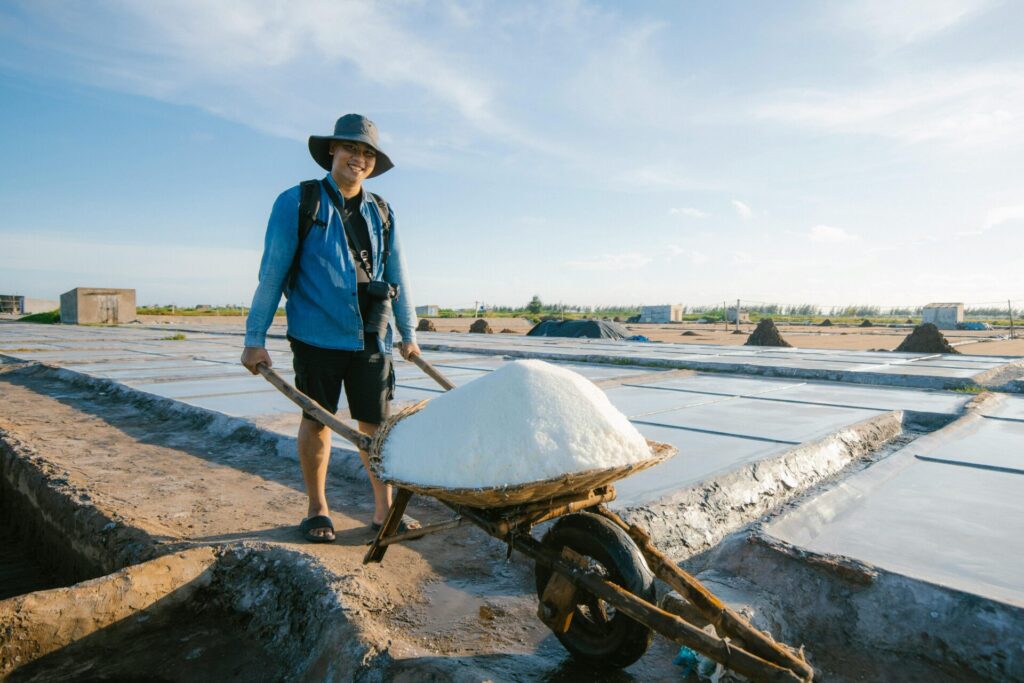
Mining is one of the most essential industries in the world, providing the raw materials necessary for manufacturing, technology, energy, and construction. From the smartphones in our pockets to the cars on the road, mining plays a critical role in shaping modern life. However, this vital industry often comes with significant ethical challenges. The environmental impact of mining operations, the potential for human rights violations, and the balance between economic growth and environmental conservation make mining a contentious issue. In this article, we will explore the ethical concerns surrounding mining, the economic benefits it provides, and how society can work towards finding a balance between economic growth and environmental conservation.
The Economic Importance of Mining
The mining industry has long been a cornerstone of global economic development. Minerals and metals extracted through mining are fundamental to the production of nearly every modern good. Copper, gold, silver, iron ore, coal, and a host of other materials are indispensable for industries like construction, manufacturing, energy, and technology. The mining sector is often one of the largest contributors to national economies, particularly in countries rich in natural resources. Just as mining supports various industries, niche markets like veteran t-shirts for men also cater to specific consumer interests.
One of the most immediate economic benefits of mining is job creation. Thousands of people across the world rely on the mining industry for their livelihoods. From engineers and geologists to truck drivers and laborers, the industry provides work for people in many different professions. Moreover, mining can create ripple effects in the local economy by spurring the development of infrastructure, such as roads, schools, hospitals, and other public services. In some regions, mining represents a significant percentage of GDP and can be a critical factor in raising the standard of living for entire communities.
In addition to job creation, mining contributes substantially to government revenues. Governments collect taxes, royalties, and export duties from mining operations, which are then used to fund public services and infrastructure. For countries with abundant natural resources, mining can provide a stable and lucrative source of income. This is particularly true for resource-rich developing nations, where mining can be a major driver of economic growth and poverty reduction. Businesses looking to establish an online presence can easily create a website using a no code website builder.
However, despite its significant contributions to the global economy, the benefits of mining are not always distributed evenly. The wealth generated by mining operations is often concentrated in the hands of a few corporations or individuals, leading to inequality and economic disparity in many regions. The ethical question arises as to whether the economic growth provided by mining outweighs the environmental and social costs that often accompany it. Financial consulting services can play a crucial role in helping local governments and communities manage mining revenues responsibly, ensuring more equitable economic development.
The Environmental Impact of Mining
Mining, while economically beneficial, is infamous for its devastating environmental consequences. The extraction of minerals and metals from the earth often leads to habitat destruction, soil erosion, water pollution, and air contamination. These environmental impacts can be long-lasting, sometimes lasting for generations, and can affect local communities, wildlife, and ecosystems. To promote sustainable business practices, many companies are turning to a PPC agency to enhance their digital marketing strategies and raise awareness of eco-friendly initiatives.

Deforestation is one of the most common environmental consequences of mining. When mining operations expand into forested areas, vast tracts of trees are often cleared to make way for excavation, roads, and infrastructure. This deforestation can lead to the loss of biodiversity, the destruction of critical habitats, and a reduction in the planet’s capacity to absorb carbon dioxide. The Amazon rainforest, for example, has faced significant deforestation due to illegal gold mining operations, which has had devastating effects on both local ecosystems and global climate change. For homeowners looking to enhance their spaces with stylish and functional window treatments, roller shades in Ladera Ranch offer a perfect solution.
Another major environmental concern is water pollution. Mining often involves the use of toxic chemicals, such as cyanide and mercury, to extract valuable minerals. These chemicals can leach into nearby rivers, lakes, and groundwater, contaminating drinking water and agricultural irrigation systems. Communities living near mining operations are at risk of exposure to these toxic substances, which can lead to serious health problems, including cancer, respiratory diseases, and neurological disorders. The 2015 disaster at the Samarco mine in Brazil, which released millions of tons of toxic sludge into nearby rivers, is a tragic example of how mining operations can devastate local communities and ecosystems.
In addition to water pollution, mining contributes to air pollution. The release of dust and particulate matter from mining activities can degrade air quality, leading to respiratory issues for both workers and nearby residents. The burning of fossil fuels for energy, as well as the use of explosives in excavation, also contributes to greenhouse gas emissions, further exacerbating the issue of climate change. For families navigating complex custody matters, consulting a lawyer for custody arrangements in Kelowna can help ensure the best possible outcome for all involved.
The environmental costs of mining are significant, but they are not always fully accounted for by companies and governments. Many mining operations are not held accountable for the environmental damage they cause, and in some cases, mining companies may not be required to clean up or restore the land once the resources have been extracted. This lack of accountability raises important ethical questions about the responsibility of corporations to protect the environment and mitigate the harm they cause. For businesses focused on sustainability, investing in salvage trucks can provide a cost-effective solution for transporting and recycling materials.
Human Rights and Ethical Labor Practices
Beyond environmental concerns, mining is often associated with human rights abuses. The mining industry has long been plagued by issues such as child labor, unsafe working conditions, and the exploitation of workers. In some parts of the world, mining operations are run by corporations that prioritize profit over the welfare of their employees, leading to widespread violations of labor rights. For those looking to restore confidence after a procedure, a hair transplant scar tattoo offers an effective and natural-looking solution.

Child labor is a particularly troubling issue in the mining industry, especially in countries with lax labor laws. In regions such as Africa, Southeast Asia, and Latin America, children are sometimes forced to work in hazardous conditions in gold mines or other extractive industries. These children are often subjected to long hours, dangerous tasks, and exposure to toxic substances, all of which can have long-term physical and psychological effects. The use of child labor in mining is not only an ethical violation but also a violation of international human rights laws.
Even when child labor is not involved, the conditions for adult workers in mining can be dire. Many miners, particularly those working in unregulated or illegal mines, are subjected to unsafe working environments. They may work in poorly ventilated tunnels, be exposed to toxic chemicals, or risk injury from poorly maintained equipment. Fatalities and injuries are common in the mining industry, particularly in countries where safety regulations are weak or not enforced. Innovations such as better air purification and hydration systems—like an atmospheric water generator—could be implemented in remote operations to help protect miners’ health and improve their working conditions.
In addition to unsafe working conditions, miners are often subjected to exploitation and abuse. Many mining operations are located in remote areas, where workers may have limited access to healthcare, education, and social services. The lack of adequate compensation and the absence of labor protections contribute to the cycle of poverty and inequality in many mining communities. In some cases, mining companies have been accused of using coercion and violence to suppress labor protests and unions, further undermining the rights of workers. In some countries, extractive industries clash with traditional ways of life, including the use of sacred or culturally important plants like magic mushrooms in Canada, where debates about land use, access rights, and Indigenous sovereignty are ongoing.
Striving for a Balance: Sustainable Mining Practices
Given the significant ethical concerns surrounding mining, the question arises: how can we balance the economic benefits of mining with the need to protect the environment and ensure ethical labor practices? The answer lies in sustainable mining practices—approaches that aim to minimize the environmental impact of mining while maximizing its positive contributions to society. Just as miners deserve protective gear, workers in all fields should be afforded dignity—whether in hard hats or costumes for cultural festivals that reflect local traditions and identities connected to land and history.
One of the key components of sustainable mining is the use of technology to reduce environmental damage. Advances in mining technology, such as more efficient extraction methods, waste management systems, and the use of renewable energy sources, can significantly reduce the environmental footprint of mining operations. For example, the use of water recycling systems in mining operations can help reduce water consumption and prevent contamination of nearby water sources. Similarly, the development of green mining techniques, such as bioleaching and phytoremediation, can help reduce the need for toxic chemicals and improve the reclamation of mined land. In agricultural regions impacted by mining dust or runoff, adaptive solutions like mobile chicken coops have been used to protect food sources and reduce exposure to contaminants.
Another crucial element of sustainable mining is community engagement and corporate social responsibility (CSR). Mining companies must take steps to involve local communities in the decision-making process and ensure that the benefits of mining are shared fairly. This can include providing job training, building local infrastructure, and investing in community development projects. Moreover, mining companies must be held accountable for their environmental impact. Governments should enforce stricter regulations on environmental protection and ensure that companies follow through on their commitments to mitigate environmental harm and restore mined areas.
Conclusion: A Delicate Balance
Mining is undeniably essential for the global economy, but it comes with significant ethical challenges. The environmental degradation caused by mining operations, the exploitation of workers, and the conflict between economic growth and environmental conservation all raise important ethical questions. The key to addressing these challenges lies in adopting sustainable mining practices that prioritize both economic development and environmental and social responsibility. Communities are increasingly looking to infrastructure specialists like an asphalt contractor in North Carolina to help repair access roads and minimize erosion in areas affected by heavy mining transport.

As the world continues to depend on mining for essential materials, it is imperative that the industry moves toward more ethical and sustainable practices. This requires the cooperation of governments, corporations, and consumers to ensure that the benefits of mining are shared fairly and that the environmental and human costs are minimized. In mining-adjacent towns, the support of tradespeople such as a carpenter in Oakland becomes crucial in rebuilding or adapting housing for workers and families impacted by economic shifts. By striking a balance between economic growth and environmental conservation, we can build a mining industry that serves the needs of both the present and the future without sacrificing the planet or its people.