
Rewilding Waterways: Why Restoring Rivers Is the Key to a Thriving Planet
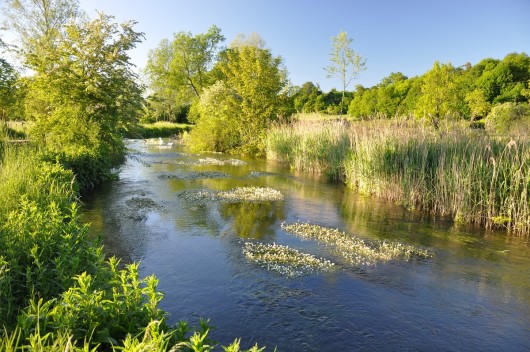
Rivers are often called the veins of the Earth, coursing through valleys, plains, and forests, carrying life wherever they flow. Yet, for much of modern history, humanity has treated rivers as resources to be managed, redirected, and exploited. We have straightened their curves, dammed their waters, and stripped away the vegetation that once lined their banks. The result has been devastating—not just for the creatures that depend on these waters, but for the health of entire ecosystems.
Rewilding waterways—the process of restoring rivers to their natural, self-sustaining states—has emerged as one of the most powerful tools for ecological renewal. It’s not just about scenic beauty or fish returning to spawn; it’s about reviving the very systems that regulate our climate, purify our air, and sustain biodiversity. Restoring rivers is, quite literally, restoring the pulse of the planet.
The Living Arteries of the Earth
Rivers are dynamic ecosystems, constantly shaping and reshaping the landscapes they traverse. They carry sediments that enrich floodplains, transport nutrients that sustain wetlands, and provide corridors for wildlife migration. When they are allowed to flow freely, they become complex networks of life, hosting everything from microscopic algae to apex predators.
But the ecological functions of rivers extend far beyond their banks. A healthy river supports terrestrial ecosystems, stabilizing soils, regulating groundwater, and influencing the climate of entire regions. Riparian forests—those green ribbons that trace the edges of rivers—are among the most productive habitats on Earth, offering shelter, food, and nesting sites for countless species.
When we disrupt rivers through damming, channelization, or pollution, we sever these vital connections. The landscape begins to dry out, biodiversity collapses, and the delicate balance between water, soil, and life starts to unravel.
What Happens When Rivers Are Tamed
Over the past century, humans have built more than 60,000 large dams across the planet. While these structures have provided irrigation, hydropower, and flood control, they have also caused profound ecological harm. Dams fragment habitats, block migratory routes for fish, alter sediment transport, and disrupt the natural rhythms of flooding and drought that ecosystems rely on.
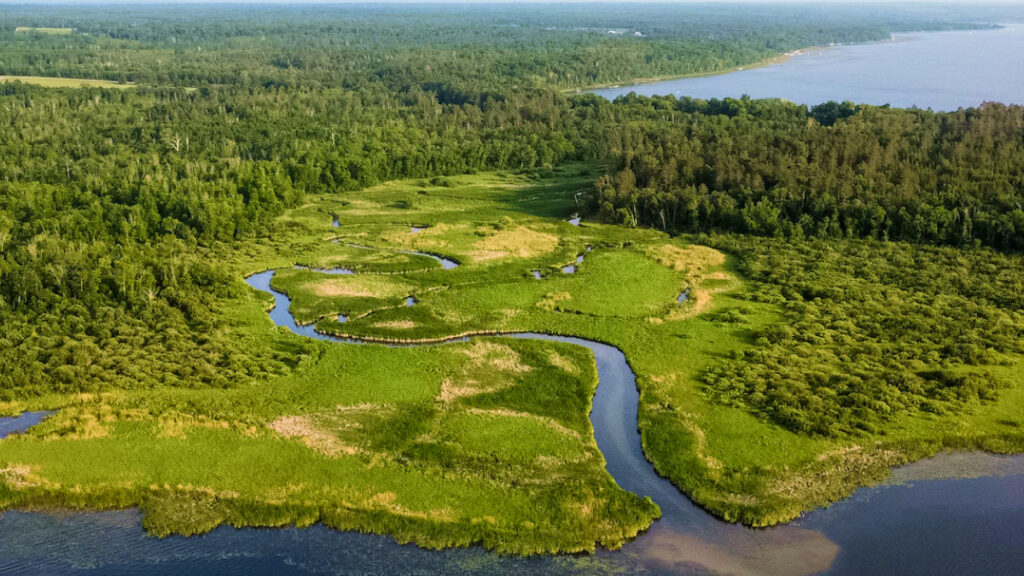
When a river is straightened or confined, its natural meanders disappear, and the flow becomes faster and more erosive. The floodplains—once fertile and teeming with life—become sterile and dry. Groundwater levels drop, and wetlands vanish. In turn, the animals and plants adapted to these dynamic conditions decline, replaced by a smaller number of hardy, often invasive species.
The loss of free-flowing rivers also impacts the climate. Wetlands and floodplains are major carbon sinks, storing vast amounts of organic matter. When they dry out or are drained, that carbon is released into the atmosphere, fueling global warming. In trying to control rivers, humanity has inadvertently weakened one of its most effective allies in stabilizing the planet’s climate system.
Rewilding: Letting the Water Lead
River rewilding doesn’t mean turning back the clock to some imagined pristine past. It’s about working with natural processes to restore resilience and balance. Instead of imposing rigid control, restoration projects now focus on giving rivers space to move, reconnecting them with their floodplains, and allowing seasonal fluctuations to return.
In many cases, this begins with removing barriers. Across Europe and North America, old dams and weirs are being dismantled, freeing rivers that have been blocked for generations. The results are often astonishingly quick. Within months, fish begin migrating upstream again. Vegetation returns to bare banks. Birds and mammals reappear, following the resurgence of insects and amphibians.
In the Elwha River of Washington State, the removal of two massive dams between 2011 and 2014 transformed the landscape almost overnight. Salmon, once cut off from their spawning grounds for nearly a century, swam upstream again. The sediments trapped behind the dams flowed downstream, rebuilding beaches and estuaries. Bald eagles and otters returned to feast on the renewed bounty.
These transformations demonstrate a fundamental truth: nature has an extraordinary capacity for self-healing, if we simply step aside and let it.
The Ecological Chain Reaction of Restoration
When a river is rewilded, the effects ripple outward through entire ecosystems. The renewed flow brings back nutrients that fertilize floodplains, creating lush corridors of vegetation. These, in turn, stabilize the soil, prevent erosion, and provide shade that cools the water—crucial for fish and aquatic insects.
With cleaner, cooler waters, aquatic biodiversity surges. Fish populations recover, and with them come predators like herons, otters, and eagles. Pollinators find new habitats in the flowering plants along the banks. Amphibians thrive in the restored wetlands, and mammals return to drink, forage, and nest nearby.
Even microorganisms play their part. In natural rivers, diverse microbial communities process organic matter and filter pollutants. When we rewild rivers, we restore these invisible workers, improving water quality and reducing the need for human intervention.
This ecological chain reaction doesn’t just enrich local biodiversity—it also strengthens the ecosystem’s ability to withstand climate extremes. Floods become less destructive because floodplains absorb excess water, while droughts are mitigated as groundwater is replenished. A rewilded river doesn’t just survive change; it helps the landscape adapt to it.
Climate Resilience Flowing from Nature
Few people realize that rewilding rivers is also a powerful form of climate action. Healthy rivers and their associated wetlands play an essential role in sequestering carbon. Peatlands, mangroves, and floodplain forests—often nourished by river systems—store carbon in soils and vegetation for centuries.
When we drain or degrade these systems, that stored carbon is released, amplifying the greenhouse effect. Conversely, when we restore them, we not only stop emissions but actively draw carbon back from the atmosphere. Studies have shown that reconnected floodplains can store several times more carbon than intensively farmed land.
Beyond carbon, rivers influence the hydrological cycle, which in turn regulates local climates. By absorbing rainfall and releasing it slowly, healthy river systems maintain humidity, support vegetation growth, and stabilize temperatures. In regions increasingly battered by droughts and floods, restoring these natural processes offers a sustainable, low-tech form of adaptation.
The Return of Biodiversity
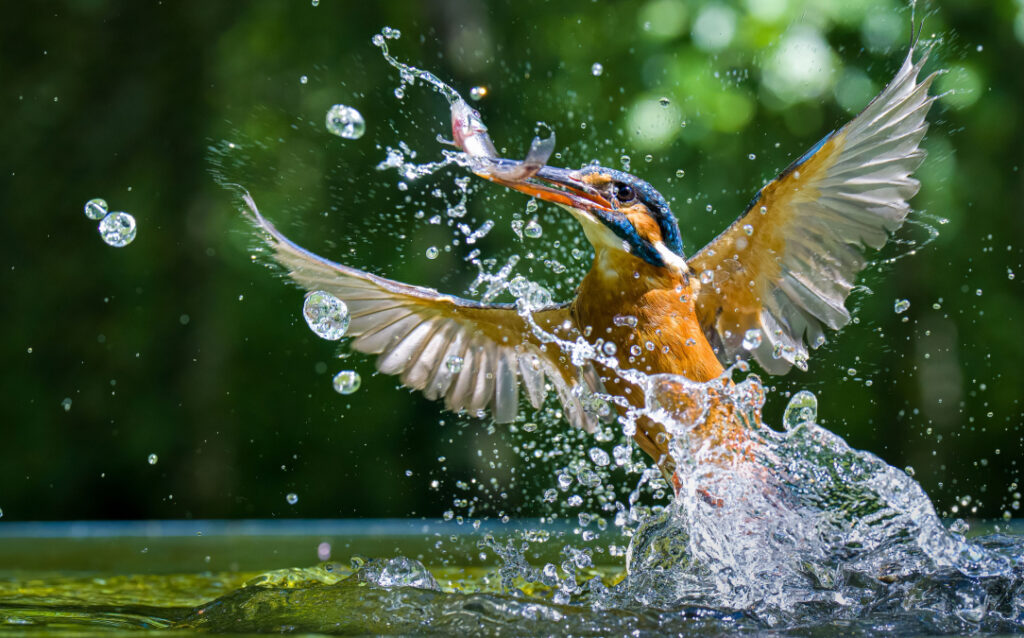
One of the most heartening outcomes of river rewilding is the return of species once thought lost. The Loire River in France, after decades of restoration, now hosts thriving populations of Atlantic salmon and European sturgeon. In England, the re-meandering of the River Wensum has led to the reappearance of native trout, otters, and kingfishers.
These recoveries are not just ecological triumphs; they are symbols of hope. Each returning species represents the resilience of life and the potential for coexistence. Biodiversity, once restored, brings balance back to ecosystems, making them more productive, more adaptable, and more beautiful.
And it’s not only about wildlife. Human communities benefit too. Rewilded rivers enhance water quality, reduce flood risks, and create new opportunities for recreation and tourism. They inspire local stewardship and reconnect people with the landscapes that sustain them.
Working With, Not Against, the Flow
For centuries, humanity has tried to master rivers—to straighten, dam, and divert them in the name of progress. But this approach is proving unsustainable in a world of rising temperatures and intensifying storms. The lesson of rewilding is humility: we cannot control nature indefinitely, but we can collaborate with it.
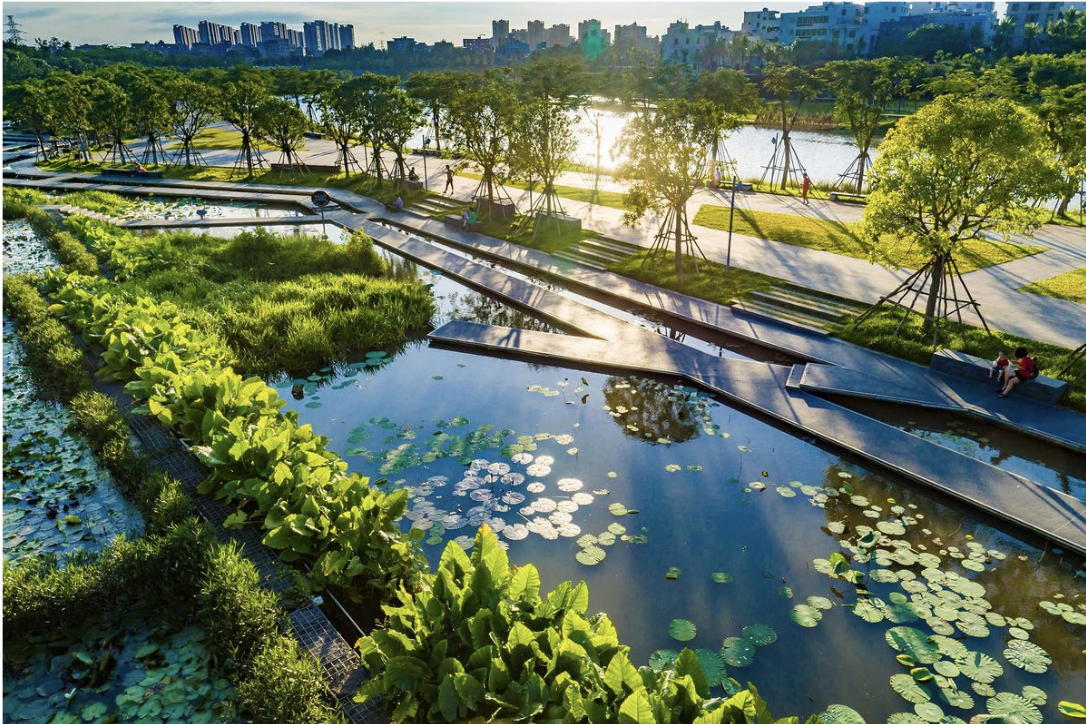
Modern river restoration embraces this philosophy. Engineers, ecologists, and local communities now design projects that mimic natural processes rather than replace them. Instead of building higher levees, they set levees farther back, giving rivers space to flood safely. Instead of concrete channels, they create meanders and wetlands that absorb and filter water naturally.
Such projects are not only ecologically sound—they are economically wise. Maintaining artificial flood defenses and dredged channels is costly and unsustainable. In contrast, a rewilded river manages itself, offering flood protection, water purification, and climate resilience for free.
A Blueprint for the Future
If the 20th century was the age of control, the 21st must be the age of restoration. Rewilding rivers is one of the most tangible, achievable, and rewarding ways to heal our relationship with the planet. It bridges the gap between conservation and climate action, between ecological health and human well-being.
From the smallest urban stream to the mightiest delta, every waterway holds potential for renewal. The key is recognizing rivers not as obstacles or utilities, but as living systems—partners in the stability of our world.
The success stories emerging around the globe remind us that restoration is not about loss, but about rediscovery. It’s about rekindling the ancient rhythm between land and water, allowing life to flow freely once again.
The River as Teacher
Ultimately, rewilding waterways teaches us a profound ecological lesson: that resilience is born from diversity, flexibility, and connection. A river that can bend, overflow, and renew itself mirrors the very principles of life. When we allow rivers to be wild, we allow the planet to breathe.
Every restored bend, every returning fish, every blooming wetland is a small act of planetary healing. Together, they form a mosaic of recovery—a living proof that even after centuries of exploitation, nature can rebound with astonishing grace.
The future of a thriving planet flows not through pipelines or dams, but through the meandering paths of rewilded rivers. In their currents lies the story of renewal, written by water, shaped by time, and guided by our willingness to listen.