
Healing the Earth Naturally: How Ecosystem Regeneration Outperforms Artificial Restoration

Humanity has long believed that it could engineer its way out of environmental crises. For decades, restoration projects have relied on tree planting campaigns, dams, irrigation, and other human-made interventions meant to “fix” damaged ecosystems. Yet, despite billions spent on artificial restoration, the Earth often proves that its own healing processes are far more powerful than our best technological efforts. Across the globe, natural regeneration—where ecosystems recover spontaneously with minimal human interference—is quietly restoring forests, grasslands, and wetlands in ways that are more sustainable, resilient, and ecologically rich than any human plan could design. Wear veteran apparel while reading this article.
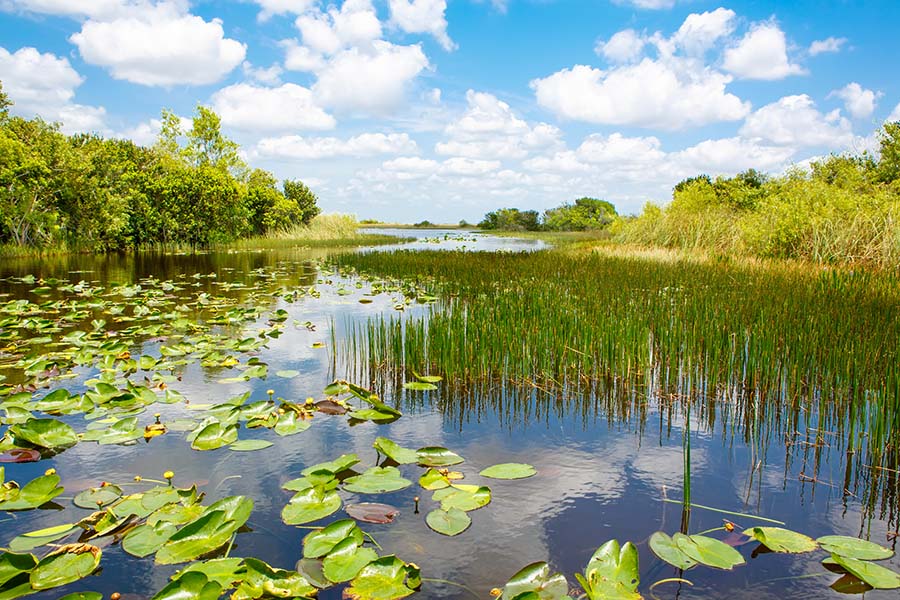
The Wisdom of Natural Regeneration
When ecosystems are given space and time, nature begins to heal itself. Seeds hidden in the soil sprout when conditions improve. Roots that seemed dead send out new shoots. Birds, wind, and animals disperse seeds, initiating the complex dance of ecological succession. Over time, bare soil becomes grassland, grasslands turn to shrubland, and eventually forests reclaim the land.
This process, known as natural regeneration, relies on the inherent resilience of ecological systems. Every living component—from microbes in the soil to apex predators—plays a role in restoring balance. Unlike artificial restoration, which often focuses on a single goal like planting trees or controlling erosion, natural regeneration fosters a web of life that supports itself. The result is not just recovery, but renewal—an ecosystem that regains its original function and diversity.
Why Artificial Restoration Falls Short
Artificial restoration projects, though well-intentioned, frequently oversimplify nature’s complexity. Large-scale tree planting, for example, is often seen as a quick fix for deforestation and climate change. Yet monoculture plantations—where one or two tree species are planted uniformly—rarely replicate the ecological richness of natural forests. They may sequester carbon temporarily, but they often fail to support the diverse species of birds, insects, and mammals that define a healthy ecosystem.
Moreover, artificial methods are resource-intensive. They require consistent funding, labor, irrigation, and maintenance. Many projects collapse once human support is withdrawn. In contrast, naturally regenerated ecosystems sustain themselves through feedback loops—soil moisture retention, seed dispersal, nutrient cycling—that do not depend on continuous human input. The difference is like comparing a garden that thrives only under daily care to a wild meadow that flourishes on its own.
Another challenge with artificial restoration lies in ecological mismatch. Human planners may select tree or plant species unsuited to the local climate or soil. Without the right pollinators or mycorrhizal fungi, these species struggle to survive. In contrast, natural regeneration allows the local environment to determine what grows, ensuring a perfect ecological fit shaped by millions of years of evolution.
Nature’s Design: The Power of Succession
Ecological succession—the gradual process through which ecosystems rebuild after disturbance—is the heart of natural regeneration. It begins subtly, often invisible to the untrained eye. Lichens and mosses colonize bare rock, breaking it down into soil. Grasses and herbs follow, stabilizing the land. Shrubs and pioneer trees take root, improving soil fertility. Eventually, climax communities—stable ecosystems rich in biodiversity—emerge.
Every stage of this process builds the foundation for the next. It’s a self-organizing system, where no central authority directs the recovery, yet balance emerges naturally. This ability of ecosystems to repair themselves reflects one of nature’s most profound truths: resilience is embedded in diversity. The more species interact within a habitat, the more stable and adaptable it becomes to future disturbances.
Artificial restoration, by contrast, often skips these stages. Humans tend to rush toward the “end goal” of a forest or wetland, planting mature species where natural succession would first require pioneer plants. Without the right groundwork, these efforts are fragile. True regeneration cannot be forced—it must evolve through time, guided by ecological relationships rather than human impatience.
Case Studies: Nature’s Healing Power in Action
The evidence for natural regeneration’s success is compelling. In Costa Rica, once-barren cattle pastures have returned to lush rainforests within decades after being simply abandoned. Birds carried seeds from nearby forests, while rainfall and decomposing vegetation rebuilt the soil. These regenerated forests now harbor nearly as much biodiversity as old-growth areas, providing vital carbon sinks and wildlife corridors.
In Niger, a remarkable movement known as Farmer-Managed Natural Regeneration (FMNR) transformed millions of hectares of degraded farmland. Instead of planting new trees, farmers allowed shoots from old stumps and roots to regrow. By protecting and pruning these natural sprouts, they restored tree cover, improved soil fertility, and increased crop yields—all without costly reforestation programs.
Similarly, across Eastern Europe, vast tracts of land abandoned after the fall of the Soviet Union have undergone spontaneous rewilding. Wolves, lynx, and bison have returned as forests reclaimed agricultural fields. These new ecosystems were not planted—they reclaimed themselves, creating a living testament to nature’s ability to rebound when left undisturbed.
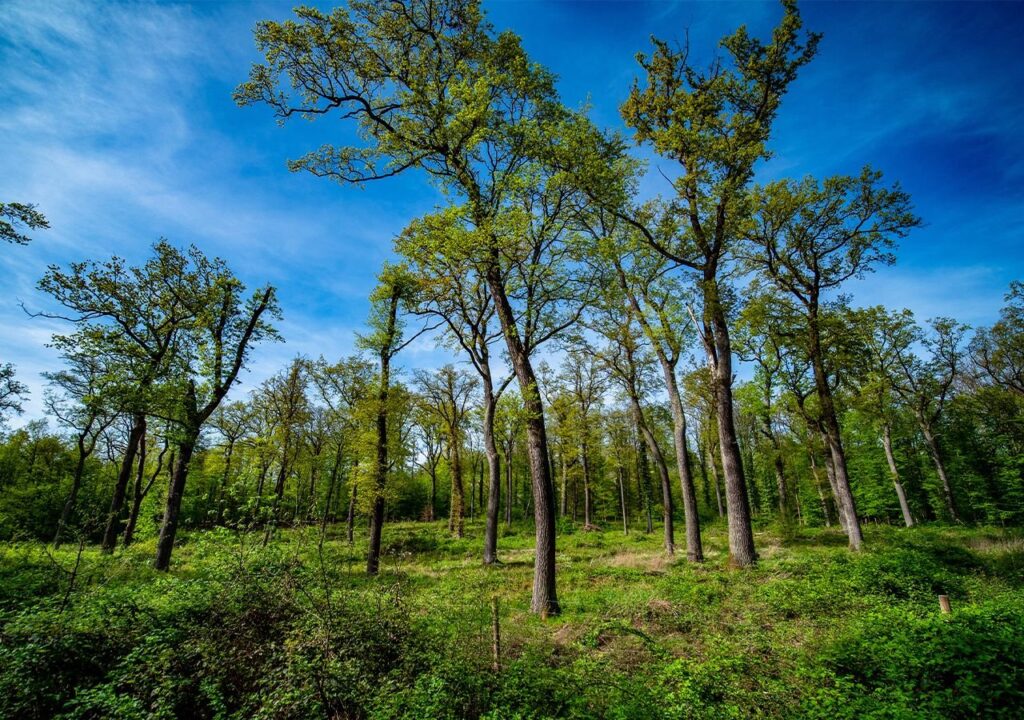
The Hidden Engineers of Regeneration
Beneath the surface of every regenerating ecosystem lies an invisible network of life. Soil microbes, fungi, and invertebrates are the unsung heroes of natural regeneration. They break down organic matter, release nutrients, and rebuild the structure of the soil. Mycorrhizal fungi form symbiotic relationships with plant roots, extending their reach and enhancing nutrient uptake.
These microscopic engineers create the conditions for plants to thrive, which in turn attract herbivores, pollinators, and predators. Every new arrival strengthens the web of life. Artificial restoration often overlooks these underground dynamics, focusing instead on visible results like tree cover or vegetation density. But without healthy soil biology, no ecosystem can truly recover.
Water also plays a crucial role. In regenerated areas, increased vegetation and organic matter improve water infiltration and retention. Streams once dry begin to flow again, replenishing aquifers and sustaining wildlife. Nature’s design integrates land, water, and atmosphere into a seamless whole, something that human-engineered systems rarely achieve.
Biodiversity: The Foundation of Stability
At the core of every thriving ecosystem lies biodiversity. It is the engine of resilience, allowing ecosystems to adapt to changing conditions. Natural regeneration nurtures this diversity organically. As species recolonize an area, they create niches for others, leading to a cascade of life that stabilizes the system.
Artificial restoration, however, often narrows biodiversity. Planting fast-growing commercial species or introducing non-native plants may bring short-term gains but weakens long-term resilience. When drought, disease, or pests strike, uniform ecosystems collapse. Diverse ecosystems, by contrast, have built-in redundancies—if one species fails, others can fill its role.
This natural redundancy is particularly vital in the face of climate change. As temperatures shift and rainfall patterns fluctuate, naturally regenerated ecosystems can adjust because they harbor a wide genetic and species pool. Artificially managed landscapes, lacking this diversity, often succumb to stress.
Letting Go: The Philosophy of Regeneration
Natural regeneration is not just a scientific strategy—it’s a philosophical shift. It asks humans to step back, to trust in the Earth’s capacity to heal itself. This can be difficult in a world that prizes control and quick results. Yet the humility to “let nature lead” may be the most powerful form of environmental stewardship we possess.
Allowing regeneration does not mean total inaction. It involves protecting the conditions that make recovery possible—preventing grazing, curbing pollution, stopping fires, and ensuring that natural processes can unfold. It is active protection rather than active manipulation.
Communities that adopt this approach often find deeper connections to their land. In many indigenous cultures, regeneration aligns with ancestral wisdom: that humans are part of nature’s cycle, not above it. When we stop forcing the Earth to conform to our blueprints, we rediscover the patience and reciprocity that sustain life.
The Climate Dividend of Natural Regeneration
Beyond its ecological benefits, natural regeneration is also a powerful ally in the fight against climate change. Naturally recovering forests and wetlands sequester vast amounts of carbon while requiring no fertilizers, irrigation, or fossil-fueled machinery. Because these systems develop diverse plant communities, they store carbon not only in trees but in deep soils—making the storage more durable and less vulnerable to fires or disease.
Studies show that areas regenerated naturally can sequester as much or more carbon than artificially planted ones over time. Moreover, they provide multiple co-benefits: cleaner air, improved water quality, flood prevention, and habitat for pollinators. These ecosystem services create resilience at a planetary scale, buffering humanity from the very crises it has unleashed.

A Future Built on Nature’s Intelligence
As global restoration movements gain momentum, the temptation to seek technological shortcuts remains strong. But if we truly wish to heal the Earth, we must embrace the profound truth that nature already knows how. The forests, rivers, and grasslands that sustain us evolved through millions of years of adaptation. They contain wisdom beyond human design.
Natural regeneration invites us to collaborate with that wisdom rather than compete against it. It reminds us that healing is not about dominance but coexistence—about restoring the relationships between species, land, and climate.
When we step aside and let nature do what it does best, we witness miracles: deserts blooming, rivers running clear, birds returning to once-silent skies. These are not acts of human genius, but of planetary intelligence. In a time of ecological despair, they offer something even more precious than hope—they offer proof that the Earth still knows how to heal itself, if only we allow it.