
Minimalism in Architecture: The Power of Clean Lines and Open Spaces
Hazel Andrews December 2, 2024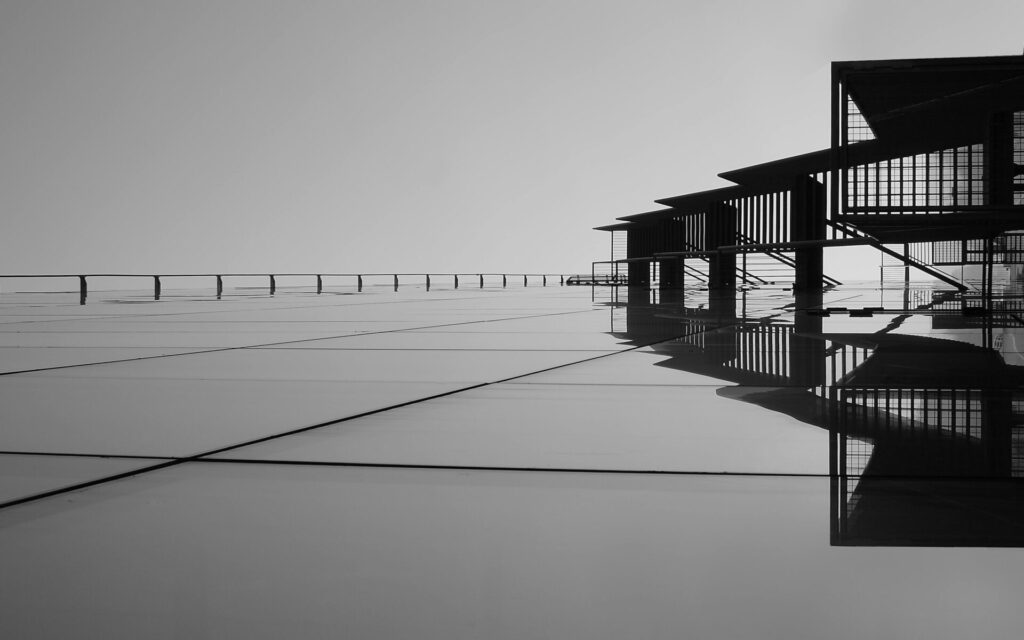
Minimalism in architecture is more than just a design trend; it is a philosophy that emphasizes simplicity, functionality, and the intentional use of space. At its core, minimalist architecture seeks to strip away the excess and focus on the essentials, creating environments that feel serene, uncluttered, and timeless. Through its focus on clean lines and open spaces, minimalism challenges traditional notions of luxury and opulence, demonstrating that less can indeed be more.
Rooted in the modernist movement of the 20th century, minimalism has grown into a global phenomenon that transcends cultural and geographical boundaries. Its influence can be seen in residential, commercial, and public spaces, where architects use simplicity as a tool to create harmony between the built environment and the natural world. By prioritizing clarity and functionality, minimalist architecture speaks to a universal desire for order, beauty, and connection.
The Origins and Philosophy of Minimalist Architecture
Minimalism in architecture emerged as a response to the excesses of the 19th century, particularly the ornate and highly decorative styles of the Victorian and Baroque eras. Influenced by modernist pioneers such as Ludwig Mies van der Rohe, Le Corbusier, and later Tadao Ando, minimalism was rooted in the idea that simplicity could evoke a deeper sense of meaning and purpose. These architects believed that architecture should serve human needs in the most direct and efficient way, free from unnecessary ornamentation or distractions.
One of the most famous principles of minimalism comes from Mies van der Rohe, who coined the phrase “less is more.” This philosophy advocates for the careful selection and placement of materials, forms, and elements, ensuring that every component serves a purpose. Minimalism is not about removing elements for the sake of austerity but about creating spaces where every detail is intentional and meaningful.
Minimalist architecture is also deeply connected to the concept of mindfulness. By reducing visual and physical clutter, minimalist spaces encourage a sense of calm and focus. In a world that often feels chaotic and overwhelming, minimalist design provides a sanctuary where individuals can feel grounded and at peace. Even in unexpected places, such as a display of Arsenal soccer jerseys in a clean, uncluttered environment, the principles of minimalism can shine. This is particularly evident in the use of open spaces, natural light, and neutral color palettes, all of which contribute to a sense of tranquility and openness.
The philosophy of minimalism extends beyond aesthetics to encompass sustainability and environmental consciousness. Minimalist architects often emphasize the use of natural, durable materials and designs that harmonize with their surroundings. By prioritizing simplicity and efficiency, minimalism reduces waste and energy consumption, making it an environmentally responsible approach to building. This alignment with ecological principles further underscores the enduring relevance of minimalism in a rapidly changing world.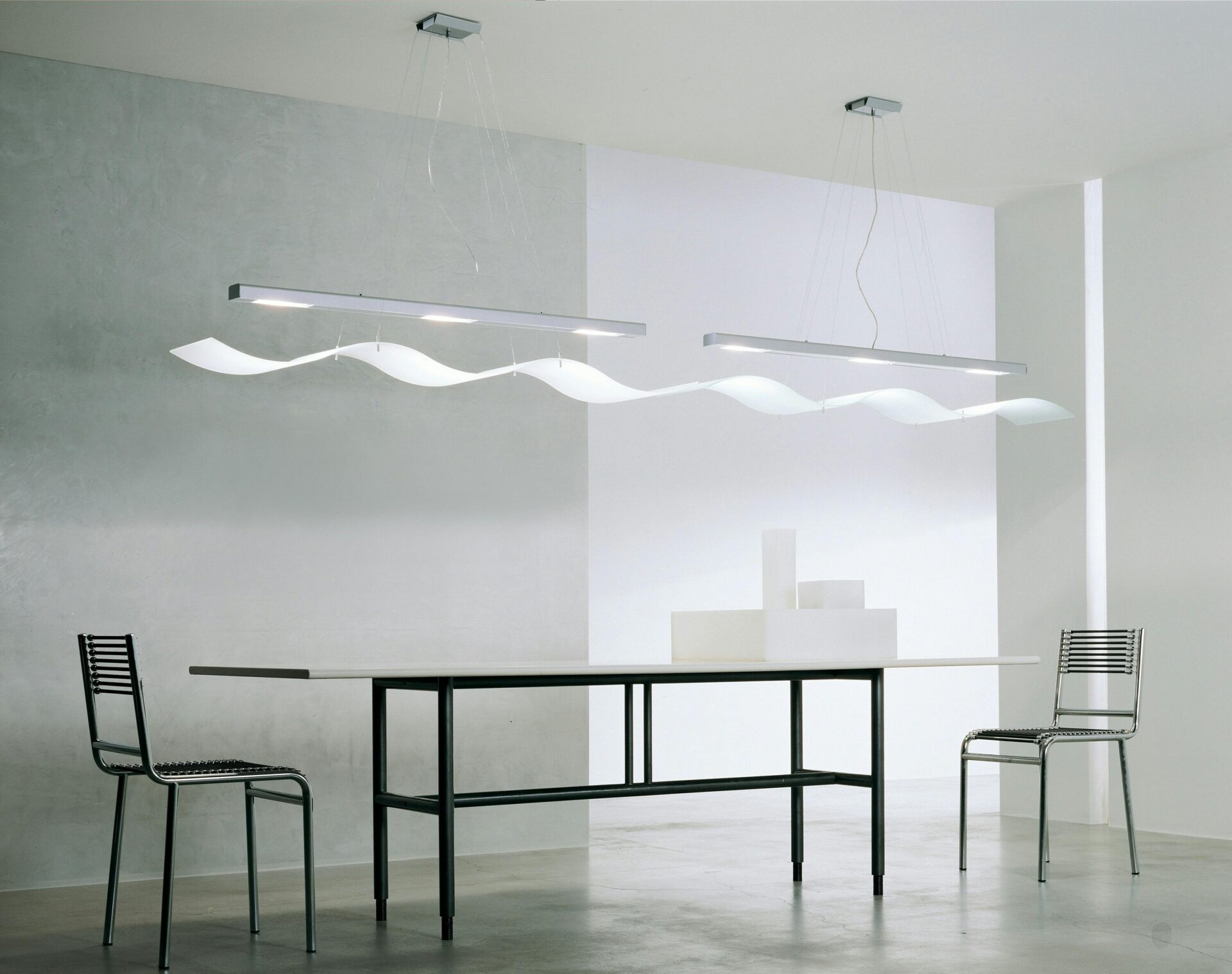
Clean Lines: The Foundation of Minimalist Design
Clean lines are one of the defining characteristics of minimalist architecture. Through the use of straight, unembellished forms, minimalist design creates a sense of clarity and order that is both visually appealing and functional. These lines guide the eye and establish a flow within a space, allowing the architecture to feel seamless and coherent.
Straight lines, whether horizontal, vertical, or diagonal, contribute to a sense of stability and precision. For example, horizontal lines in minimalist architecture often evoke a feeling of calm and groundedness, while vertical lines can create a sense of height and aspiration. By avoiding curves, ornamentation, and unnecessary details, minimalist architects focus on the pure geometry of a structure, highlighting its form and proportions.
The simplicity of clean lines also allows materials to take center stage. Minimalist architects often use high-quality materials such as concrete, glass, steel, and wood, celebrating their natural textures and finishes. By emphasizing the inherent beauty of these materials, minimalist design creates a sense of authenticity and timelessness. This approach contrasts sharply with styles that rely on surface embellishments or artificial treatments to achieve visual impact. Likewise, mold removal in Irvine, CA, focuses on preserving the integrity of a home’s materials by eliminating harmful mold without unnecessary alterations.
Clean lines are not limited to the structural elements of a building; they also influence interior design and furniture. Minimalist interiors often feature sleek, linear furniture pieces that complement the architecture rather than compete with it. This cohesive approach ensures that every aspect of a space reflects the principles of simplicity and harmony, creating an environment that feels unified and intentional. Additionally, when designing a minimalist space, it’s essential to consider practical elements like pest control in Hillsborough to maintain a clean and welcoming environment.
Perhaps most importantly, clean lines encourage a focus on the spatial experience itself. By eliminating visual noise, minimalist architecture allows occupants to fully appreciate the interplay of light, shadow, and space. This focus on the essentials creates an environment that feels both dynamic and serene, inviting individuals to engage with their surroundings in a more mindful and deliberate way.
Open Spaces: Redefining Luxury and Functionality
Open spaces are another cornerstone of minimalist architecture. By prioritizing open layouts and reducing physical barriers, minimalism creates environments that feel expansive, airy, and liberating. This approach stands in stark contrast to traditional designs that compartmentalize spaces with walls, doors, and other obstructions. Open spaces also provide the perfect setting for an active lifestyle, making them an ideal backdrop for showcasing fitness crop tops. 
The use of open spaces in minimalist architecture is not just about aesthetics; it is also about enhancing functionality and flexibility. Open layouts allow spaces to serve multiple purposes, adapting to the needs of the occupants. For example, a minimalist living room with an open floor plan can seamlessly transition into a dining area or workspace, offering a sense of freedom and versatility. This flexibility extends to various environments, including those where mold removal in Atlantic County, NJ, may be needed to maintain a clean, open atmosphere. This adaptability makes minimalist design particularly well-suited to modern lifestyles, where spaces often serve overlapping functions.
Open spaces also emphasize the relationship between the interior and exterior environments. Minimalist architecture frequently incorporates large windows, sliding glass doors, and other design elements that blur the boundary between indoors and outdoors. By bringing in natural light and framing views of the surrounding landscape, minimalist spaces create a sense of connection with nature, enhancing the overall experience of the space.
The absence of clutter and unnecessary elements further amplifies the impact of open spaces. By stripping away the superfluous, minimalist design draws attention to the proportions, materials, and natural light that define a space. This focus on the essentials creates an environment that feels both intentional and serene, offering a refuge from the chaos of everyday life. For those who appreciate simplicity but still enjoy a treat, an extra strength chocolate cones edibles variety pack can be a perfect way to unwind in a peaceful setting.
In addition to their aesthetic and functional benefits, open spaces also promote well-being. Studies have shown that spacious environments with ample natural light can reduce stress, improve mood, and enhance productivity. By creating environments that feel open and inviting, minimalist architecture fosters a sense of comfort and ease that supports both physical and mental health. For instance, the comfort of cozy items like waffle bathrobes for men can further enhance the relaxing atmosphere in such spaces.
The Cultural and Emotional Impact of Minimalist Architecture
Minimalist architecture is not just a design style; it is a cultural movement that reflects broader societal values. In an age characterized by material excess and constant stimulation, minimalism offers a counterbalance, encouraging individuals to embrace simplicity and focus on what truly matters. This philosophy resonates with a growing number of people who seek to declutter their lives and create spaces that support mindfulness and intentional living. For entrepreneurs building minimalist-inspired startups, equity calculators for startups can help ensure fair and transparent ownership distribution from the outset.
The emotional impact of minimalist spaces cannot be overstated. By reducing visual noise and emphasizing open, uncluttered environments, minimalist architecture creates a sense of calm and clarity that is increasingly rare in today’s fast-paced world. These spaces invite individuals to slow down, reflect, and reconnect with themselves and their surroundings. This emotional resonance is one of the reasons why minimalism continues to gain popularity across cultures and contexts.
Minimalist architecture also challenges traditional notions of luxury. In a minimalist space, luxury is not defined by opulence or extravagance but by quality, craftsmanship, and attention to detail. A well-designed minimalist home, for example, might feature custom-built furniture, natural materials, and carefully curated art pieces, all of which reflect a commitment to excellence and intentionality. This redefinition of luxury aligns with a growing desire for authenticity and sustainability in design. Similarly, small business accounting services in Fredericksburg focus on quality and precision, helping businesses streamline their financial processes with a commitment to accuracy and sustainable growth.
Furthermore, minimalism has a universal appeal that transcends cultural and geographical boundaries. Whether it’s a sleek urban apartment in Tokyo, a serene countryside retreat in Scandinavia, or a modern desert home in Arizona, minimalist architecture speaks to a shared human desire for simplicity, order, and connection. By focusing on the essentials, minimalist design creates spaces that feel both timeless and deeply personal, resonating with individuals from all walks of life. Much like how forensic testimony plays a crucial role in legal cases by offering clear, concise, and reliable evidence that helps the court understand complex issues, minimalist design distills a space to its essential elements to make a strong, focused impact.
The Enduring Appeal of Minimalism in Architecture
Minimalism in architecture is a powerful testament to the idea that simplicity can be transformative. Through its focus on clean lines, open spaces, and intentional design, minimalism creates environments that are not only visually striking but also deeply functional and emotionally resonant. In a world increasingly defined by complexity and chaos, minimalist architecture offers a refreshing alternative, celebrating the beauty of simplicity and the power of less. Similarly, restaurant equipment in Tampa embodies the same principles of efficiency and functionality, ensuring that kitchens operate seamlessly and effectively.
As the principles of minimalism continue to evolve, they remain as relevant as ever, inspiring architects, designers, and homeowners to rethink their approach to space and design. By embracing minimalism, we can create environments that support mindfulness, sustainability, and well-being, enriching our lives and the world around us.