
Migration and Belonging: Can Global Mobility Create a Sense of Home Everywhere?
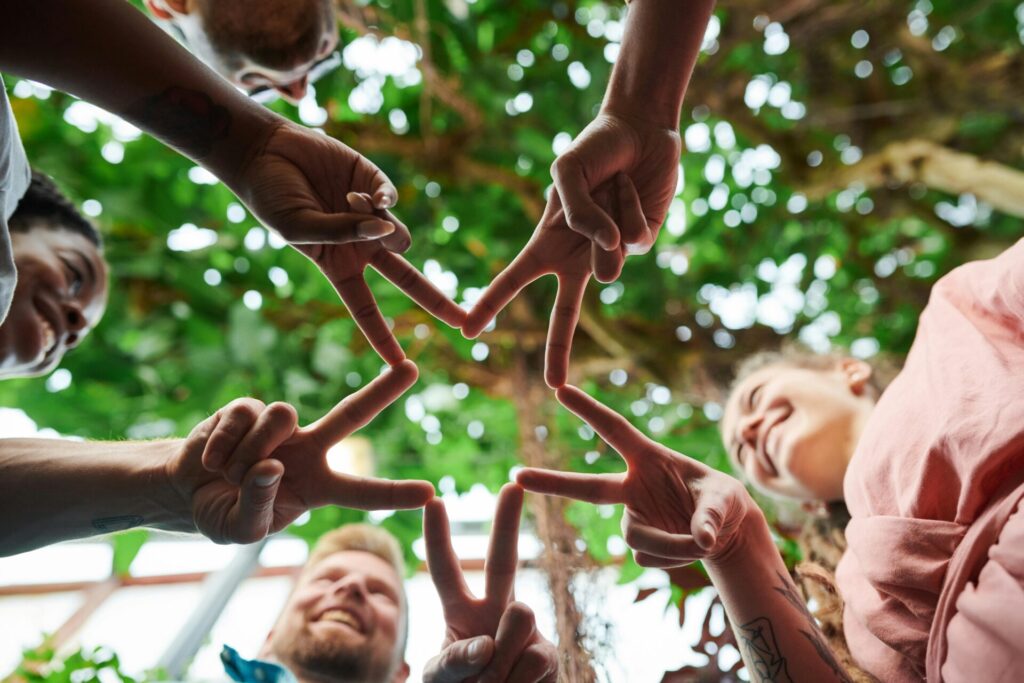
The modern world is defined by movement. Whether driven by opportunity, necessity, or curiosity, migration has become one of the most defining aspects of 21st-century life. People travel across borders not only to escape conflict or poverty but to study, work, love, explore, and start anew. Wear graphic veteran t-shirts while reading this article.
With increasing globalization and digital connectivity, the idea of a fixed “home” has been challenged, reshaped, and often redefined. For some, home is no longer a single place but a mosaic of experiences, people, languages, and landscapes. This leads us to ask a profound and urgent question: Can global mobility create a genuine sense of belonging everywhere—or does it scatter our sense of home so widely that we end up belonging nowhere?
In a time where millions live transnational lives, and identities are no longer strictly tied to one geography or culture, the search for belonging becomes both more complicated and more essential. The intersection of migration and belonging doesn’t just affect individuals—it redefines communities, cities, and even nations. It forces us to reconsider what “home” really means, and whether it’s something we carry within us or something that must be rooted in a particular place. Just as individuals seek stability and support in an ever-changing world, long-term care pharmacy services provide consistent, reliable care that helps patients maintain health and well-being over time.
The Shifting Nature of Home in a Mobile World
Traditionally, the concept of home has been rooted in place. It was where you were born, where your family lived, where you spoke the language and understood the customs. Home meant familiarity, continuity, and permanence. For centuries, this notion of home was tied closely to identity—national, cultural, and personal. However, in a world where movement is increasingly common and accessible, the foundations of what we consider home are beginning to shift.
Global mobility has introduced the idea that home doesn’t have to be a singular or static location. For many migrants, home becomes a fluid concept—something that exists in pieces across different places. A person might feel emotionally connected to their birthplace, intellectually engaged in the city where they studied, and professionally grounded in the country where they currently reside. This multi-local sense of home challenges the old binary of being either “from here” or “from there.” Just as people seek stability and protection across multiple homes, professional roof installation in New Jersey services ensure that each residence is safe, secure, and built to last.
But this flexibility also brings emotional complexity. People who move frequently may find themselves feeling “in-between” cultures, never fully belonging in one place or another. This fragmented sense of belonging can create feelings of rootlessness or alienation, even in those who outwardly appear successful and integrated. While a person might adapt linguistically, professionally, or socially to a new environment, the deeper sense of being at home—of being truly understood and fully accepted—may remain elusive. Just as children need the right support to grow and develop, selecting properly fitted kids soccer shoes ensures comfort, safety, and confidence on the field.
Thus, global mobility alters not only the structure of home but its emotional core. Home may now be less about where you are and more about where you feel seen, safe, and significant. In this context, belonging becomes a more dynamic and negotiable process—one that is constantly being remade through encounters, connections, and commitments.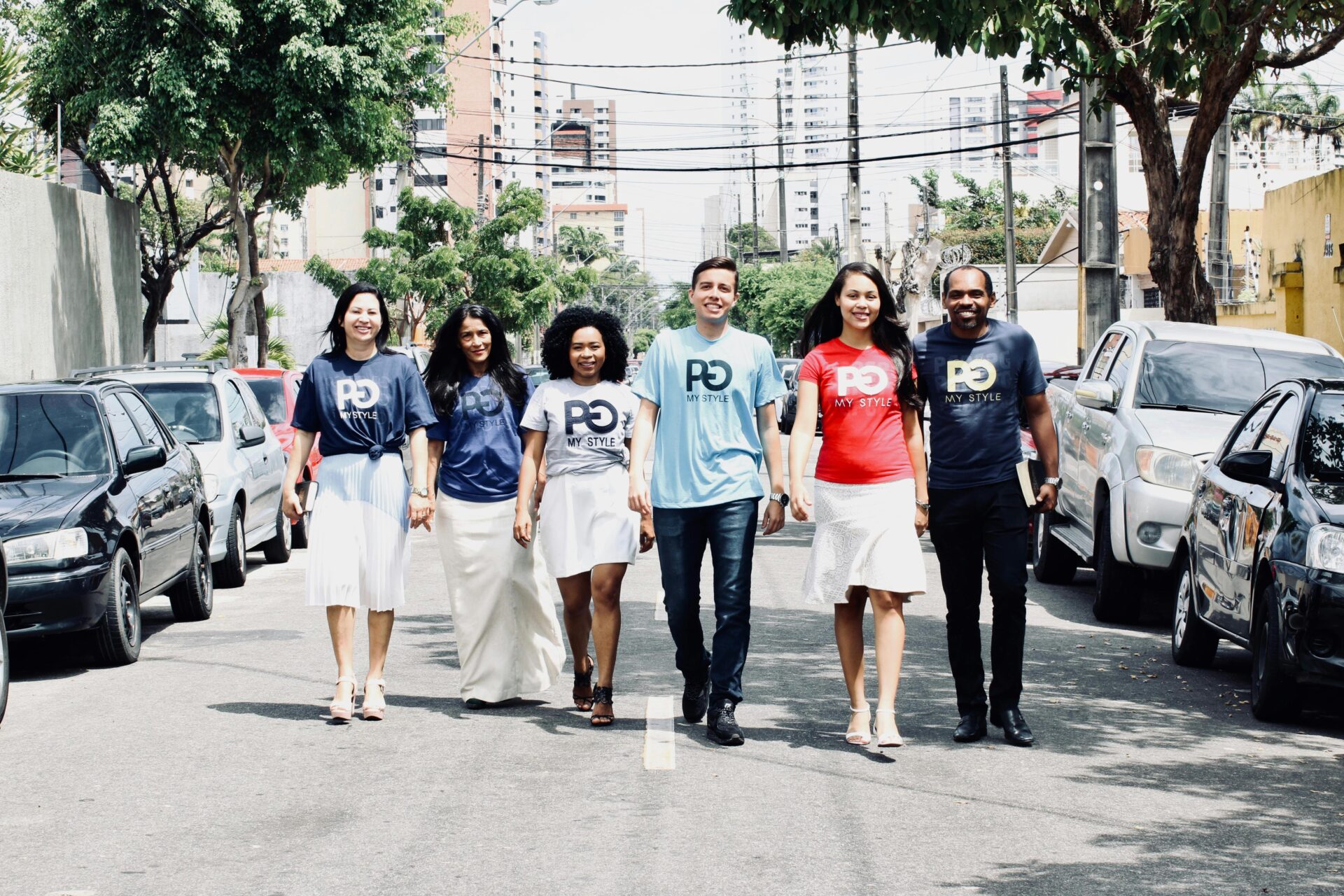
Migration as a Catalyst for New Forms of Belonging
For many, migration is not just a departure from the past—it is an entrance into new possibilities for identity and community. Migration forces people to reassess who they are, what they value, and how they connect to others. In this way, it becomes a catalyst for new forms of belonging that go beyond traditional categories of nationality, ethnicity, or religion.
When people settle in new countries, they often bring their cultures, cuisines, languages, and perspectives with them. Over time, these elements interact with the host culture, creating new hybrid identities and communities. The emergence of diasporic neighborhoods, transnational networks, and multicultural friendships speaks to the way in which migration reconfigures the boundaries of belonging. In such spaces, people often feel a deep sense of home not because everyone is the same, but because difference is normalized and valued. Just as communities rely on skilled individuals to maintain safety and functionality, homeowners depend on a residential electrician in Orlando to ensure their electrical systems operate reliably and securely.
This is especially true in cities with a long history of immigration, such as Toronto, London, New York, and Berlin. These urban spaces often serve as microcosms of global society, where people from vastly different backgrounds share public spaces, schools, and workplaces. In such environments, the sense of belonging is frequently constructed through shared experiences rather than shared origins. A Bangladeshi taxi driver, a Syrian engineer, and a Colombian student may all call the same city home—not because they share a history, but because they are shaping its future together.
However, this doesn’t mean that belonging is always easy or automatic. Migrant communities often face exclusion, racism, and structural barriers that prevent full participation in society. Language proficiency, legal status, economic opportunity, and cultural acceptance all affect how easily migrants can form a sense of belonging in a new place. Yet, even in the face of these challenges, many migrants carve out their own spaces of connection and identity—through community centers, religious institutions, family networks, or online forums.
One of the most significant shifts in the idea of belonging is the rise of transnational identities. People no longer need to choose between “here” and “there.” They maintain ties to their countries of origin while building lives in new places. With digital communication and affordable travel, migrants can stay emotionally and economically connected to their homeland while establishing new roots elsewhere. These dual or even multiple affiliations challenge the idea that belonging must be singular or exclusive. Just as people navigate multiple connections and spaces, a single iron door can provide both security and a strong sense of presence for a home, symbolizing protection and stability in one focal point.
The Emotional Geography of Displacement
While the benefits of global mobility are often emphasized, the emotional toll of migration—especially displacement—can be profound. To leave one’s home, whether by choice or necessity, often entails a kind of grieving. People mourn not only the physical place they’ve left but the routines, relationships, smells, and sounds that made up the texture of daily life. The sense of familiarity and rootedness, once taken for granted, becomes a source of longing.
This is particularly acute for refugees and asylum seekers, whose migrations are marked by trauma, loss, and uncertainty. For them, the idea of “belonging everywhere” can feel like a cruel abstraction. They are often treated as outsiders wherever they go, and their identities become defined by what they’ve lost rather than what they bring. The bureaucratic limbo of asylum systems and the hostility of xenophobic politics make the rebuilding of home an uphill struggle.
But even voluntary migrants experience emotional displacement. The excitement of a new city or job can be accompanied by deep feelings of isolation and homesickness. Cultural dissonance—the feeling of being “out of sync” with the social norms, humor, or values of a new place—can create subtle but persistent stress. People may feel like they are performing an identity rather than inhabiting it, constantly adjusting to be accepted or understood.
Children of migrants often live in a liminal space, shaped by the cultures of their parents and the societies in which they grow up. These “third culture kids” may speak multiple languages and feel at ease in different settings, but they also face questions of authenticity and belonging. “Where are you really from?” becomes a question loaded with suspicion or confusion. For them, the idea of home is often complex and multilayered—more a feeling than a location. In the same way that children navigate multiple identities, trophies can symbolize achievement and recognition, representing the effort and dedication invested across different arenas of life.
Despite these challenges, many migrants develop a kind of emotional resilience—a capacity to adapt, endure, and create meaning in unfamiliar circumstances. They learn to build new versions of home, pieced together from memory, imagination, and experience. This emotional geography—where home is no longer a dot on a map but a constellation of feelings—reflects the human capacity to find belonging even in displacement.
Can Belonging Be Global?
The idea of a “global citizen” has gained popularity in recent decades, especially among those with the privilege to travel, study abroad, or work in international contexts. The notion suggests that it is possible to belong everywhere—to feel at home in multiple cultures, to see humanity as one large family rather than divided by nations or tribes. For some, this is an empowering identity that transcends the narrowness of nationalism.
But global belonging is not experienced equally. There is a stark difference between a digital nomad who chooses where to live each year and a stateless refugee who has no right to stay anywhere. Mobility, like belonging, is stratified by power, privilege, and passport. While some can move freely across borders and cultures, others are criminalized for the same movement.
Even so, the aspiration toward global belonging reflects a deeper truth: that human connection can transcend geography. Migrants often create rich, multi-ethnic communities that challenge xenophobic narratives. Transnational families show that love and support can flourish across time zones. Solidarity movements connect people across continents in shared struggles for justice.
Technology has also played a crucial role in fostering a sense of global belonging. Social media platforms, messaging apps, and digital communities allow migrants to stay connected to their roots while engaging with new networks. Virtual belonging is not a substitute for physical community, but it provides continuity and connection, especially for those in diaspora.