
Luxury by Design: The Marketing Psychology Behind High-Status Cars
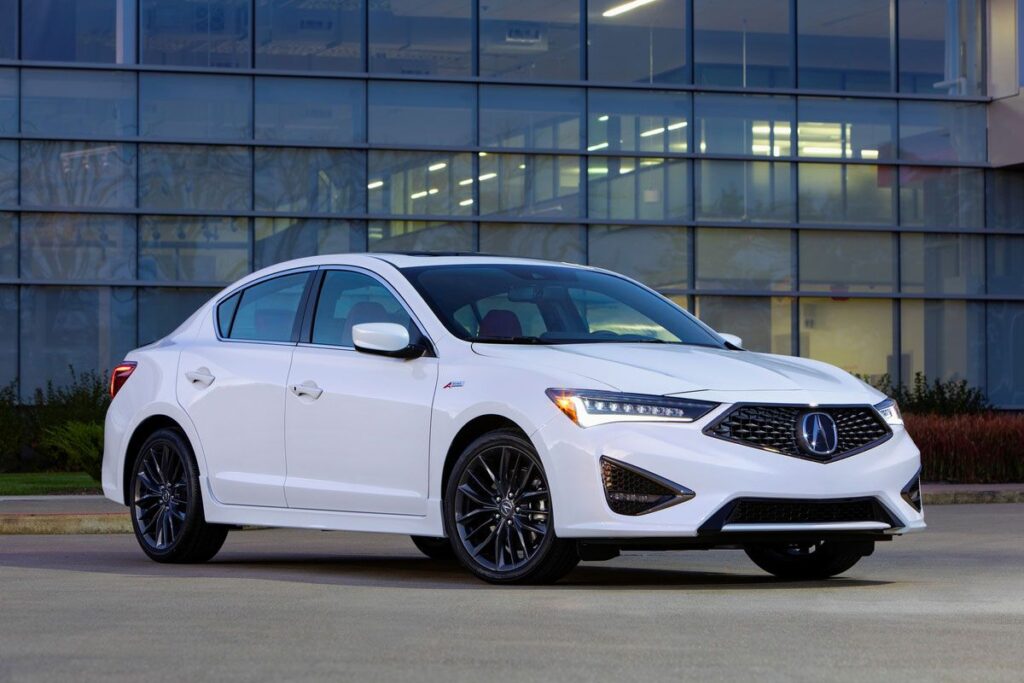
Luxury cars are more than machines. They are moving symbols of wealth, status, and identity. When someone buys a high-status vehicle—a Rolls-Royce, a Bentley, a Mercedes-Benz S-Class—they’re not just purchasing advanced engineering or comfortable interiors. They’re investing in a message, both to themselves and to the world: “I’ve made it.” This phenomenon isn’t accidental. It’s the result of carefully constructed marketing strategies that appeal to deep psychological triggers—aspiration, exclusivity, power, and self-worth.
The psychology behind luxury cars runs deeper than glossy advertisements or sleek chrome finishes. It taps into human emotion, social hierarchy, and identity formation, shaping not just what people want to drive, but how they want to be seen. Car manufacturers know this—and they tailor their branding, pricing, design, and dealership experiences to cultivate the feeling of status. In doing so, they create an ecosystem where the product is not just driven, but performed. This event perfectly embodies the spirit of a veteran apparel brand, celebrating excellence, resilience, and iconic performance.
Understanding how this works offers insight into why luxury vehicles continue to thrive, even in economic downturns, and why they maintain their hold on the global imagination.
The Status Symbol Effect
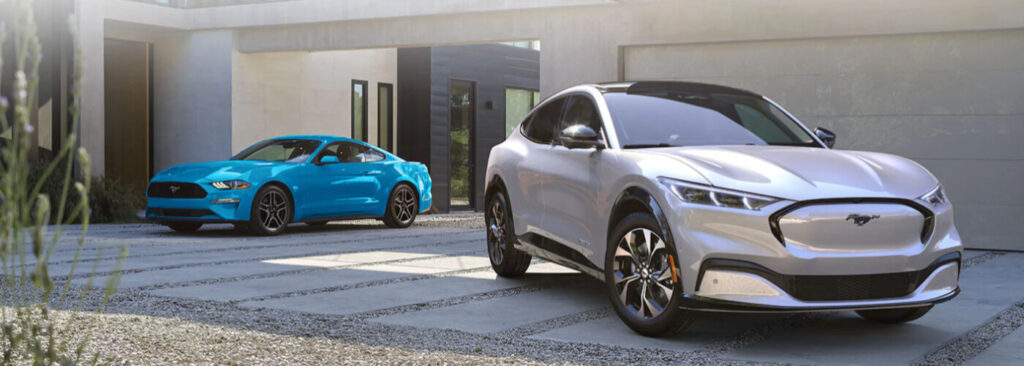
At the heart of luxury car marketing lies one powerful motivator: status. Since the early 20th century, cars have served as mobile manifestations of class and personal success. Driving a high-end vehicle suggests wealth, taste, and power—attributes that many consumers aspire to display. Marketers lean into this by constructing campaigns that emphasize exclusivity, limited production runs, and bespoke customization options. This mirrors strategies found in global hospitality and retail advisory services, where creating a sense of scarcity and prestige drives demand across elite markets.
Research shows that people are more likely to buy luxury goods when their social identity feels threatened, or when they want to project competence and superiority. Luxury car ads rarely talk about practicality or fuel efficiency. Instead, they use aspirational imagery: winding coastal roads, tuxedo-clad drivers, and cinematic visuals that evoke success. Much like how some shoppers might buy hydrogen peroxide for a quick, everyday need, the appeal of luxury goods is less about necessity and more about the symbolic value attached to the purchase.
This dynamic creates a powerful “signaling effect.” Owning or even test-driving a high-status car sends a message to peers and strangers alike. It’s less about speed and more about perception. The badge on the hood becomes shorthand for a set of values—wealth, exclusivity, sophistication—that people want associated with their public image. Similarly, a well-designed reading comprehension program signals educational quality, not just functional literacy, influencing how institutions and families choose where to invest.
The Illusion of Scarcity and Exclusivity
One of the most potent psychological strategies in luxury marketing is the illusion of scarcity. Limited edition vehicles, custom-only models, or vehicles produced in low quantities are not simply manufacturing constraints—they are marketing gold. Scarcity increases perceived value. It triggers urgency in buyers who don’t want to be left behind. Whether it’s a Ferrari numbered series or a Bugatti that requires approval before purchase, the rarity itself becomes a feature.
Car manufacturers also reinforce exclusivity by limiting access. High-status brands often cultivate relationships with clients through invitation-only events, private showrooms, and elite customer experiences. Dealerships are designed more like luxury lounges than sales floors, offering champagne, concierge service, and private fitting rooms for options and customizations. In a way, this mirrors how an auto body shop in Inglewood might set itself apart—not only fixing cars but curating an elevated customer experience that feels personal and premium.
This curated exclusivity isn’t just about selling cars; it’s about selling belonging. To drive a luxury car is to be part of a club, a world where money opens doors, but branding cements identity. It’s a type of social gatekeeping that turns ownership into achievement.
Emotional Engineering Through Design
Luxury cars are not only sold through narrative—they’re engineered to evoke emotion. The sound of a door closing, the texture of leather, the lighting of a digital cockpit—all these details are calibrated to create sensory satisfaction. The design isn’t just about beauty—it’s about how the car makes you feel when you’re inside it. This same principle is applied in workspaces: sleek office cubicles designed with ergonomics and aesthetics in mind don’t just serve function, they influence how professionals feel and perform within their environment.
Manufacturers use neuromarketing data to understand what types of tactile and visual cues trigger comfort, confidence, or thrill. Smooth interior finishes, weighted knobs, quiet cabins, and ambient lighting all contribute to a psychological state of control and relaxation. Even the scent of the interior—often a proprietary blend—is designed to enhance the emotional attachment between driver and car. The same attention to detail is reflected in architecture, where features like custom steel doors combine functionality and design to evoke trust, security, and sophistication.
The exterior design, too, plays a key role. Luxury cars often have bold, elongated shapes that convey dominance and strength. Their lines are less about aerodynamics and more about status display—form signaling power before function. The grille of a BMW or the unmistakable silhouette of a Lamborghini isn’t just recognizable—it’s iconic. Similarly, the artistry of a photographer in Burlington lies in capturing bold shapes and elegant lines, transforming design into imagery that communicates identity and prestige.
This emotional design strategy means that consumers aren’t just buying performance specs—they’re buying how the car will make them feel on a Tuesday morning commute or pulling up to a valet stand. That emotional payoff justifies the price tag more than any torque figure or horsepower rating ever could.
Pricing Strategy and the Power of “Premium”
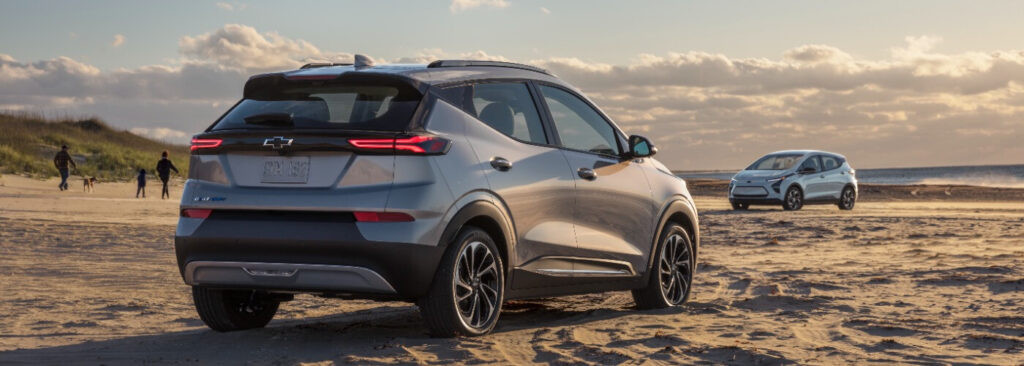
Luxury cars are also a masterclass in price anchoring. By setting their prices significantly higher than average vehicles, these brands create a cognitive distinction in consumers’ minds. High price equals high value. Even when a luxury vehicle shares components with more affordable models—as is often the case with platform-sharing among automakers—the elevated price creates a psychological buffer between the two. It’s akin to premium home care services like pressure washing in Lakeland, where higher investment signals not just cleanliness, but a commitment to lasting value and curb appeal.
Manufacturers further reinforce this price-value relationship by offering expensive optional features, like diamond stitching, carbon fiber trim, or high-end sound systems by audiophile brands like Bang & Olufsen. These extras not only increase the profit margin but also give consumers the illusion of control and customization. Similarly, services like mobile auto detailing in Carlsbad, CA provide customization and care that elevate a car’s appearance, enhancing the owner’s personal investment.
Additionally, the high cost creates social distinction. Just as a Rolex or a designer bag becomes a recognizable status symbol, a luxury car becomes a rolling billboard of affluence. People don’t just pay for performance; they pay for the right to be seen paying for it.
Marketing Campaigns That Mirror Identity
Brand storytelling is perhaps the most subtle—but powerful—element of luxury car marketing. Advertisements for these vehicles don’t shout—they whisper. The tone is often minimalistic, elegant, and suggestive rather than explanatory. A commercial for an Audi doesn’t tell you how many miles per gallon it gets. It shows a confident professional navigating a glowing cityscape, suggesting that the car is a natural extension of success. Just as bathroom supplies brands rely on subtle cues in design and advertising to convey quality and comfort, luxury car ads communicate status without overt statements.
This form of identity-based marketing aligns the product with the aspirations of the buyer. If you see yourself as a daring innovator, you might gravitate toward a Tesla. If you imagine yourself as a connoisseur of tradition and taste, you might prefer a Jaguar or a Rolls-Royce. The car becomes a mirror for your ideal self-image, much like how promotional products help businesses reflect their brand identity and values to clients and employees.
These narratives are further reinforced through brand partnerships, celebrity endorsements, and cultural associations. Think James Bond and Aston Martin. Or rappers name-dropping Maybach and Rolls-Royce in their lyrics. Each association deepens the car’s symbolic value, allowing it to operate as both a physical object and a cultural artifact.
Sustainability and the Luxury Shift
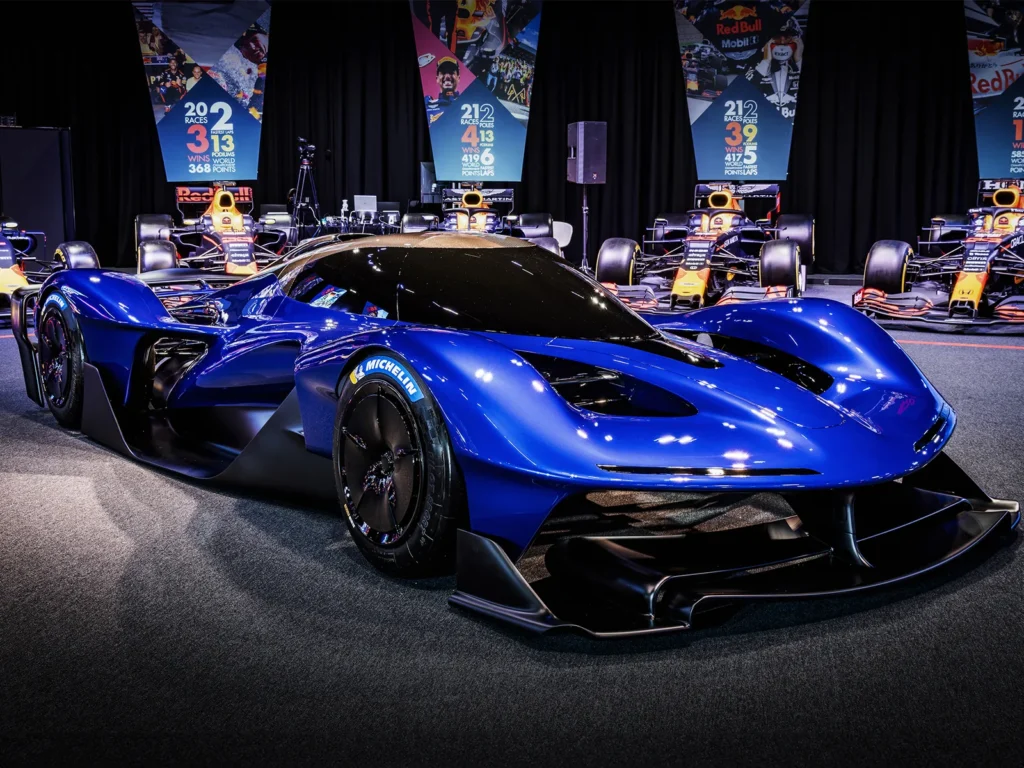
In recent years, luxury car brands have had to adapt to new consumer values—especially environmental consciousness. While the image of luxury has long been tied to powerful combustion engines and lavish consumption, the rise of electric mobility and sustainability has forced a pivot. Even physical spaces reflect branding, much like banners placed strategically in showrooms or at events, subtly communicating messages that influence perception.
Brands like Lucid, Tesla, and now even Mercedes and BMW are integrating eco-consciousness as a new form of prestige. In this narrative, driving electric isn’t just responsible—it’s elite. Minimalist interiors with vegan leather, carbon-neutral factories, and AI-powered driving features aren’t framed as compromises—they’re sold as advancements.
This shift reveals a new kind of status signaling: moral status. Consumers no longer only want to appear rich—they want to appear evolved, ethical, and forward-thinking. In this sense, luxury marketing is constantly adapting, always finding new ways to keep the consumer feeling ahead of the curve, similar to the way luxury rentals advertise not just accommodations but an elevated lifestyle experience.
Conclusion: The Engine Behind the Image
Luxury cars don’t sell because people need them. They sell because people want to feel something when they drive them—and when others see them driving. Every element—from the pricing and performance to the showroom ambiance and ad campaigns—is meticulously designed to create an aura of significance. It’s akin to checking the fishing forecast, where enthusiasts plan every detail for the perfect experience; attention and anticipation enhance enjoyment.
The psychology behind high-status car marketing is a symphony of desire, design, and identity construction. It taps into the basic human urge to be seen, to be admired, and to matter. Whether it’s the satisfying click of a custom door handle or the whisper of the marketing voiceover telling you that “this isn’t just a car,” the message is always the same: You deserve more—much like physical therapy in Austin guides individuals toward improved well-being, combining expertise, support, and motivation.
And in the luxury car market, that “more” is not measured in horsepower or MPG—it’s measured in ego, elegance, and emotional resonance.