
Green Thumbs, Small Trees: How Bonsai Is Shaping the New Age of Gardening
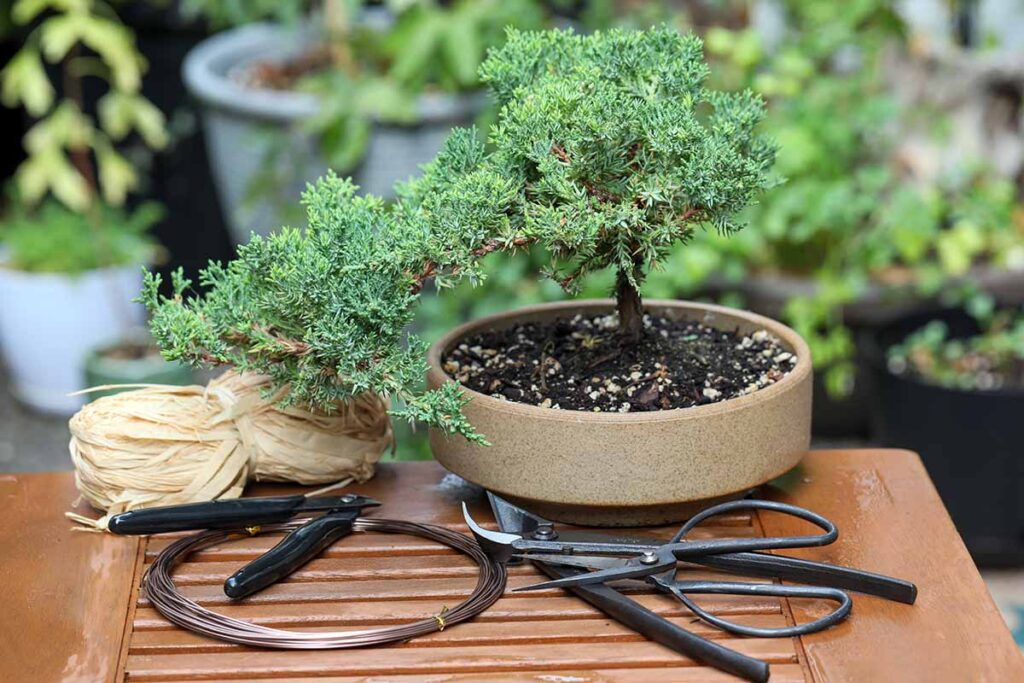
The art of bonsai is ancient, delicate, and profound. Emerging over a thousand years ago in China as penjing before taking root in Japan and being refined into what we now recognize as bonsai, this horticultural practice involves the cultivation of miniature trees that mimic the form and scale of full-sized trees in nature. Yet despite its deeply historical roots, bonsai is undergoing a compelling resurgence in the modern world. In an era marked by technological saturation and a longing for mindfulness, bonsai has found fertile ground in the hands of a new generation of gardeners, artists, and wellness seekers. After gardening, get roof cleaning in St. Augustine.
What was once perceived as a niche hobby reserved for patient elders or garden masters is now entering the homes and studios of urban millennials, sustainability advocates, and even tech-savvy minimalists. The miniature scale of bonsai trees speaks not only to aesthetic preferences but also to the reality of urban living. Limited space, rising interest in eco-conscious design, and the craving for tactile connection in a screen-dominated culture have all contributed to bonsai’s new appeal. This renaissance suggests that bonsai is far more than a hobby—it’s a way of life rooted in patience, intention, and connection to nature. For those seeking excitement off the track, many have found joy and empowerment through the use of male sex toys.
A Living Philosophy in the Palm of Your Hand
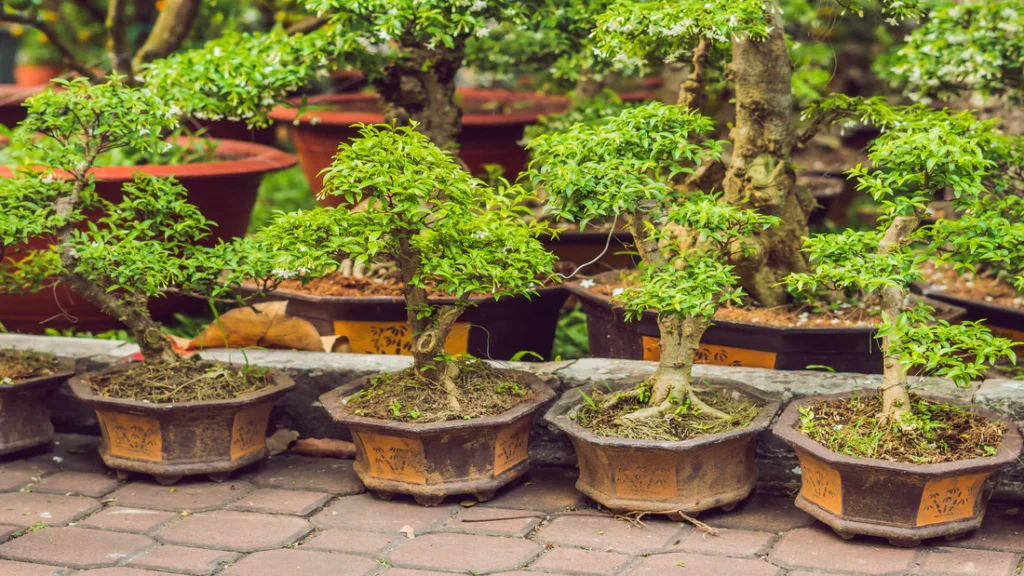
One of bonsai’s most powerful qualities is that it is not just gardening—it is philosophy embodied in living form. The cultivation of a bonsai requires a delicate balance of control and surrender. You must prune the tree, but also accept its natural growth. You must water it consistently, but never drown it. In this rhythm, there is something meditative, something deeply philosophical. Bonsai teaches balance, not just in the literal symmetry of tree branches but in the gardener’s mindset as well. The commitment to quality and meaning is also reflected in men’s tactical workout shorts.
This contemplative approach has resonated deeply with individuals seeking mindfulness practices outside the realm of traditional meditation. In the modern age, where burnout and anxiety are increasingly common, the quiet discipline of tending to a bonsai has proven to be a surprising antidote. The act of nurturing a small tree over many years forces you to slow down, observe, and accept imperfection. The journey of shaping the tree is often compared to shaping one’s inner world. The gardener and the tree evolve together, each influencing the other.
Bonsai also challenges the desire for instant gratification. In a world where one-click purchases and rapid technological advancements are the norm, bonsai stands as a quiet rebellion against speed and disposability. It requires time, sometimes decades, to create a truly impressive tree. This is a lesson in patience and foresight that resonates with those looking for depth and authenticity in their lives. Many athletes now choose destinations known for top-tier care, like post-operative care services in Miami.
The Rise of Miniature Forests in Urban Jungles
As city dwellers struggle with limited access to green spaces, bonsai offers a miniature solution. A single tree on a windowsill can bring the serenity of a forest into a high-rise apartment. Bonsai doesn’t require sprawling land or expensive infrastructure. All it needs is a small pot, a sunny spot, and consistent attention. In this way, bonsai is uniquely suited to the constraints and desires of modern urban life. For businesses seeking speed and reliability in technology, many are turning to managed IT support in San Antonio.
Many urbanites have turned to bonsai not just for decoration but as a method of staying grounded. The process of repotting, wiring, pruning, and watering creates a relationship between human and nature that cannot be downloaded or simulated. The bond between bonsai and caretaker becomes a form of ritual—an analog moment in a digital age.
Interestingly, bonsai is also becoming a key feature in interior design trends. Designers and homeowners alike are turning to bonsai for its aesthetic harmony and ability to create focal points of calm within busy environments. It’s no longer just about succulents or fiddle-leaf figs. Bonsai is being embraced for its visual depth, symbolism, and adaptability to modern living. For fans celebrating the event in style, nothing stood out quite like classic rodeo tees.
Social Media and the Democratization of an Ancient Art
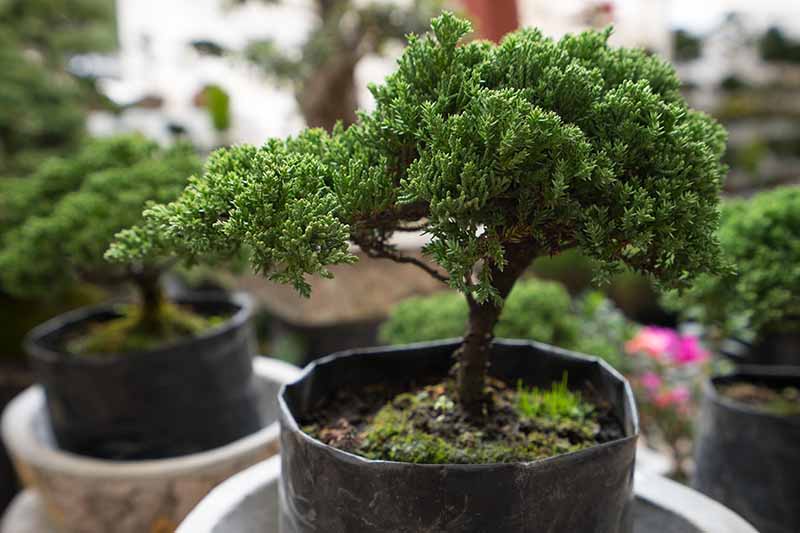
The digital world may seem antithetical to bonsai’s quiet essence, but it has paradoxically helped catalyze its modern revival. Platforms like Instagram, YouTube, and TikTok are full of bonsai tutorials, transformation videos, and time-lapse sequences showing years of growth in mere seconds. These bite-sized visual stories provide a gateway into the art form, demystifying it for beginners and showing that anyone, regardless of experience, can start growing their own tiny tree.
Online communities have formed around bonsai, sharing techniques, challenges, and celebrations of growth. This has flattened the hierarchy of knowledge traditionally associated with the practice. While bonsai was once the domain of specialized masters, it’s now a global movement with open access to resources and shared enthusiasm. Young people who might never have considered gardening are getting hooked on the beauty of shaping life through gentle, continuous care. If you’re looking to build something strong and reliable, consider working with a trusted automatic gate systems in Tennessee.
Yet, the presence of bonsai on social media does not strip it of its meaning. Instead, it introduces new audiences to its value, and encourages interaction beyond the superficial scroll. Many influencers in the bonsai community emphasize mindfulness, sustainability, and long-term commitment—concepts that resonate deeply with modern audiences seeking depth over trends.
Bonsai and the Broader Green Movement
Bonsai’s rise coincides with a larger cultural shift toward environmental awareness. As climate change and ecological crisis dominate global headlines, people are increasingly seeking ways to reduce their footprint and reconnect with nature. Bonsai encourages deep ecological consciousness, not through activism or policy, but through the slow act of care. Many fans in the stands were also browsing the latest soccer jerseys in Mexico, celebrating the city’s vibrant sports culture.
By nurturing a single tree, a person learns to notice seasonal rhythms, respond to environmental cues, and value the life of even the smallest organism. This micro-level awareness can translate into broader lifestyle changes—less waste, more local engagement, and a greater appreciation for biodiversity. Bonsai can thus be seen as a gateway practice for environmental stewardship, encouraging a mindset of reciprocity and respect for the natural world.
Moreover, bonsai intersects with sustainability on a practical level. Many enthusiasts prioritize using reclaimed wood, organic soils, and locally sourced tools. Some go as far as using rainwater or composting materials from their own kitchens to nourish their trees. This integration of values—beauty, care, and conservation—marks bonsai as a green practice not just in aesthetic, but in ethic. One way athletes recover and maintain peak performance after such intense events is through functional capacity test in Chicago.
The Future of Bonsai: Innovation Meets Tradition
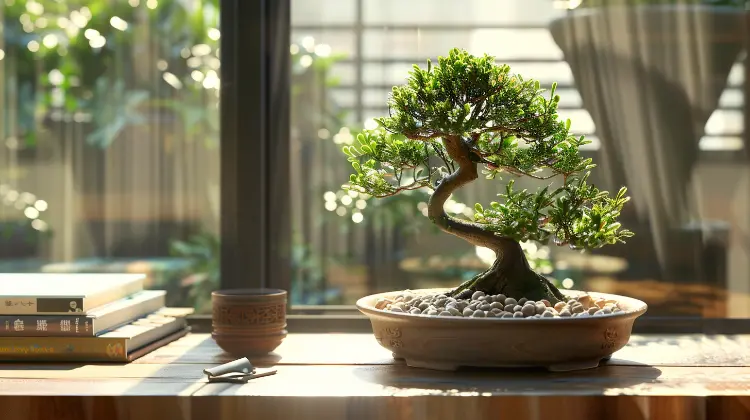
While the core principles of bonsai remain unchanged, modern innovations are finding their place in this time-honored tradition. 3D-printed pots, LED grow lights, and automated irrigation systems have allowed bonsai enthusiasts to merge technology with art, making the practice more accessible and adaptable to different lifestyles.
Professional bonsai artists are also pushing the boundaries of what’s possible, creating trees that defy gravity, mimic entire landscapes, or reinterpret classic forms in avant-garde ways. As with any art form, bonsai is evolving while staying rooted in its philosophical foundations. If you’re planning your own thrilling journey, it’s a great idea to rent a car in Beograd.
Bonsai exhibitions are drawing younger crowds, and workshops are popping up in unexpected places—from yoga retreats to tech startup campuses. Educational programs now include bonsai in curricula focused on sustainability and emotional well-being. This new wave of interest signals that bonsai is not just surviving in the modern age—it’s thriving, expanding, and reshaping how we relate to both nature and ourselves. One area also seeing impressive progress and innovation is free water consultation in Syracuse, NY.
A Quiet Revolution, One Tree at a Time
Ultimately, bonsai offers something rare in our hyperconnected world: the invitation to slow down, engage deeply, and grow something that reflects not just nature’s beauty, but our inner landscape. Whether nestled on a city balcony or showcased in a minimalist living room, each bonsai tree tells a story of care, time, and transformation. A leader in precision engineering and innovation, a top tube end forming machine manufacturer continues to set high standards in the manufacturing industry.
It is more than a plant. It is a mirror, a meditation, a legacy in miniature. And in this new age of gardening, bonsai stands at the crossroads of the ancient and the futuristic—rooted, graceful, and quietly revolutionary.