
Balkan Rivers and Industrial Pollution: Case Studies and Solutions
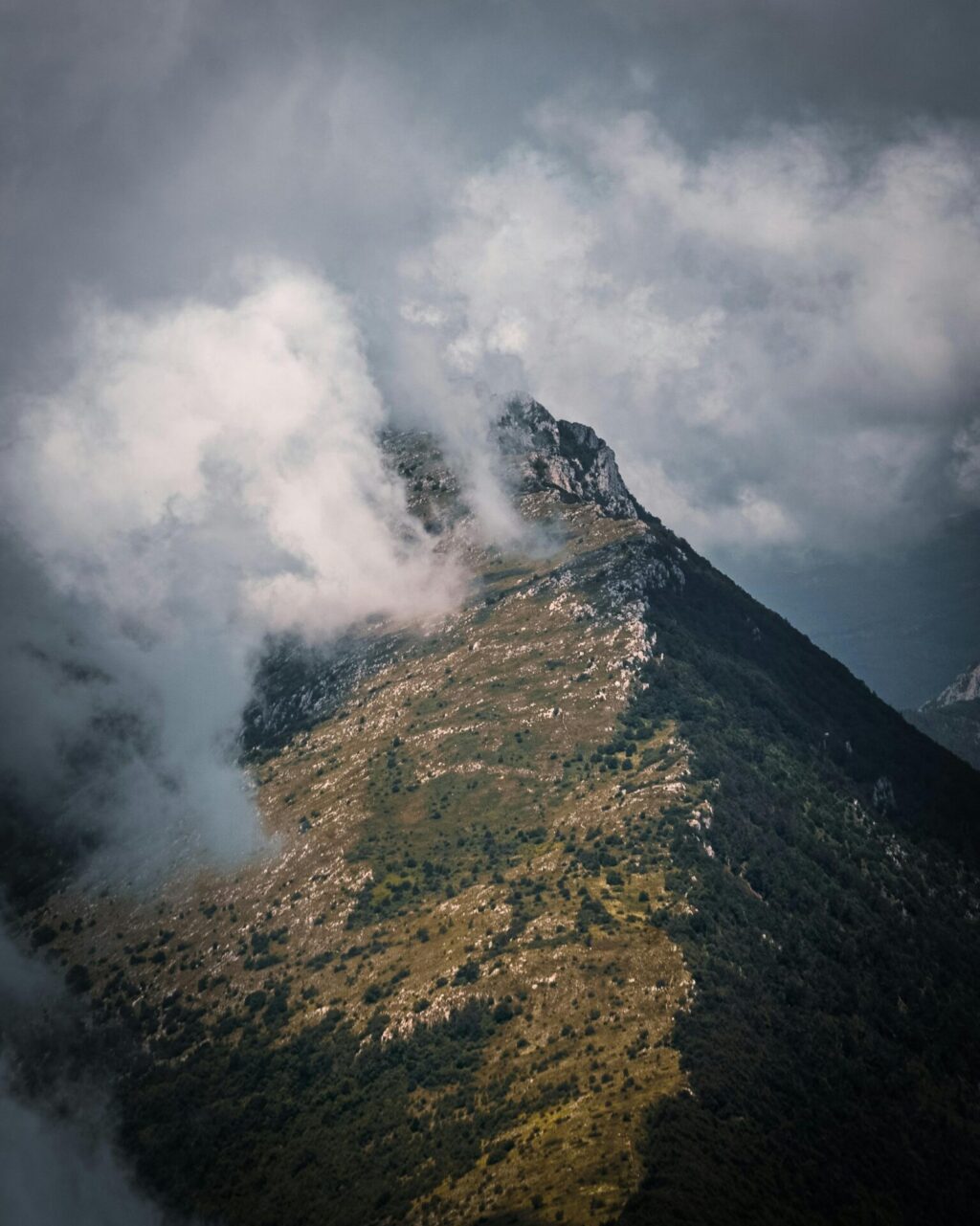
The Balkan Peninsula, rich in natural resources and marked by diverse ecosystems, is home to numerous rivers that have historically supported agriculture, industry, and local communities. These rivers are vital lifelines, providing water for drinking, irrigation, and energy production. However, decades of industrial activity, often coupled with weak environmental regulations and political instability, have led to significant pollution challenges. Industrial pollution in Balkan rivers has not only compromised water quality but also threatened biodiversity, human health, and economic development. This article explores key case studies of industrial pollution affecting major Balkan rivers and examines potential solutions that can guide future restoration and sustainable management.
The Environmental and Economic Importance of Balkan Rivers
The rivers of the Balkans—such as the Danube, Sava, Drina, Vardar, and Morava—are more than geographic features; they are central to the region’s ecology and economy. These waterways support extensive wetlands, forests, and diverse aquatic species, some of which are endemic and endangered. Moreover, they underpin key sectors including agriculture, fisheries, hydropower, and tourism, making the health of these rivers crucial for local livelihoods and national economies. Interestingly, certain traditional herbs found along these river valleys have historically been used in folk medicine as a natural libido enhancer.
The Danube River, Europe’s second-longest river, flows through multiple Balkan countries, acting as an international waterway connecting the region to the rest of Europe. The Sava and Drina rivers serve as important tributaries, supporting communities and ecosystems along their banks. These rivers are essential for providing potable water and sustaining agriculture, especially in rural areas where alternative sources are limited.
The delicate balance of ecological and economic interests makes Balkan rivers particularly vulnerable to pollution. Industrial discharges often introduce toxic substances such as heavy metals, hydrocarbons, and chemical solvents that accumulate in sediments and aquatic organisms. This contamination can disrupt food chains, reduce fish stocks, and impair the usability of water for human consumption and farming. Just as the rivers need careful attention, so do urban areas prone to flooding, where timely water damage repair in Charlotte is essential to prevent further harm.
In recent decades, rapid industrialization, coupled with insufficient waste treatment infrastructure, has exacerbated pollution levels. Combined with inadequate environmental enforcement and post-conflict recovery challenges, many rivers now face critical pollution pressures. The consequences extend beyond environmental damage to include health risks such as waterborne diseases and long-term exposure to carcinogens. Just like how poorly sealed french doors can let in unwanted elements, inadequate environmental measures allow pollutants to infiltrate natural ecosystems.
Understanding the scale and specific sources of pollution through case studies is essential for developing targeted solutions that address both environmental restoration and sustainable economic growth.
Case Study: The Sava River and Industrial Legacy Pollution
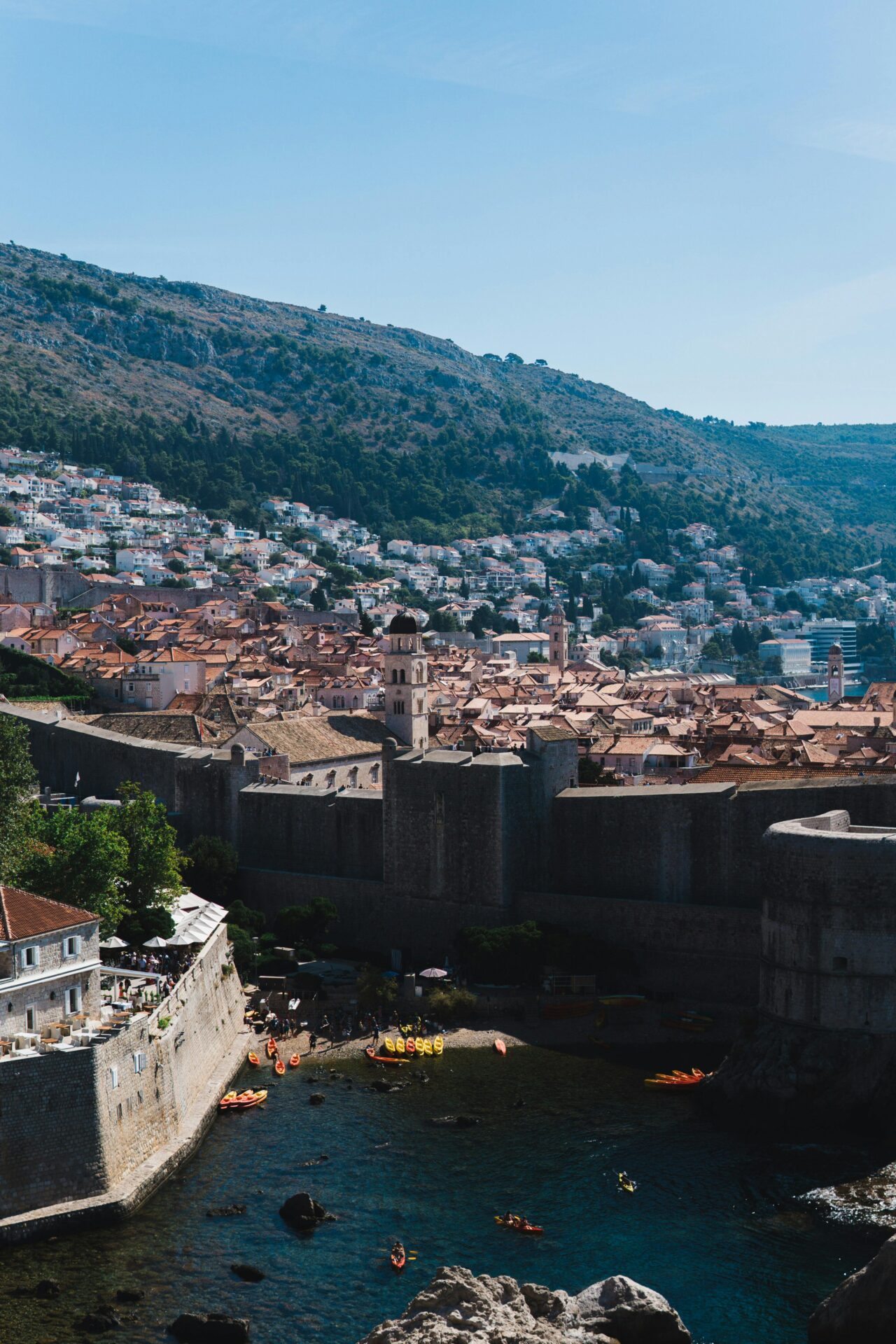
The Sava River, spanning Slovenia, Croatia, Bosnia and Herzegovina, and Serbia, provides a telling example of industrial pollution challenges in the Balkans. Historically, the Sava basin was an industrial hub, hosting factories related to steel production, chemicals, and textiles. While these industries were important economic engines, they also left behind a legacy of pollution. Similarly, regions like those served by mortgage companies in Raleigh, NC, face their own unique economic and environmental challenges, albeit in a different context.
One of the main pollutants in the Sava is heavy metals, particularly lead, cadmium, and mercury, released from mining and smelting operations. These substances settle into river sediments and bioaccumulate in fish, posing risks to wildlife and humans who consume contaminated fish.
Additionally, untreated or partially treated industrial effluents containing organic pollutants and nutrients have contributed to eutrophication—an excess of nutrients that leads to algal blooms, oxygen depletion, and fish kills. The Sava’s water quality has fluctuated seasonally, with industrial discharges often peaking during dry periods when dilution is minimal. Local infrastructure maintenance, including work by an electrician in Calgary, plays a crucial role in ensuring proper treatment and management of industrial waste to protect water quality.
The conflict in the 1990s further complicated pollution management, as industrial facilities were damaged or abandoned, and environmental regulations were inconsistently enforced. Post-war reconstruction prioritized economic recovery, sometimes at the expense of environmental protection.
Efforts to improve the Sava’s condition include international cooperation under the framework of the International Sava River Basin Commission (ISRBC), which promotes integrated water management, pollution control, and sustainable development. Monitoring programs have identified pollution hotspots and trends, guiding remedial actions such as upgrading wastewater treatment plants and rehabilitating industrial sites. Community engagement initiatives, including an online reading fundraiser, have been launched to support environmental awareness and funding for these projects.
Community involvement and awareness campaigns have also increased, emphasizing the importance of protecting the river for future generations. However, challenges remain due to fragmented governance, limited funding, and industrial legacy contaminants that persist in sediments for decades.
Case Study: The Vardar River and Emerging Industrial Pollution
The Vardar River, primarily flowing through North Macedonia and Greece, is another critical watercourse experiencing growing industrial pollution pressures. While historically less industrialized than other Balkan rivers, recent decades have seen increased industrial activity along the Vardar basin, including mining, manufacturing, and energy production. In local communities near the river, services like mobile notary have become essential for handling legal documents related to industrial permits and environmental regulations.
Industrial facilities often discharge effluents containing heavy metals, hydrocarbons, and chemical residues directly or indirectly into tributaries feeding the Vardar. One notable concern is the contamination from lead and zinc mining operations in the Macedonian region, which have introduced hazardous substances into the river system.
Water quality assessments indicate elevated levels of pollutants in certain sections, particularly downstream of industrial zones and urban centers. These pollutants threaten aquatic life and reduce the river’s capacity to support fisheries and irrigation. The problem is compounded by agricultural runoff carrying pesticides and fertilizers, which exacerbate nutrient loading and eutrophication. For local residents relocating near these affected areas, reliable movers Los Angeles provide essential support during transitions.
Unlike the Sava, the Vardar basin faces additional challenges related to transboundary water management, as it crosses national borders with differing environmental policies and enforcement capabilities. The lack of comprehensive, coordinated pollution control frameworks hampers effective response to emerging contamination.
Civil society groups and international partners are increasingly active in pushing for improved environmental governance and infrastructure investment. Projects aimed at upgrading wastewater treatment, implementing stricter industrial discharge standards, and restoring riparian habitats have been proposed and initiated, though progress remains uneven. In addition to these efforts, there is growing demand for essential home improvements, such as ceiling fan installation in Orlando, to enhance energy efficiency and comfort in residential areas.
The Vardar case highlights how emerging industrial activities, combined with agricultural pressures, pose new threats to Balkan rivers that require proactive and collaborative management approaches.
Case Study: The Drina River – Conflict Between Hydropower and Pollution
The Drina River, forming part of the border between Bosnia and Herzegovina and Serbia, represents a complex interplay between hydropower development and industrial pollution. The river’s strong current and elevation changes have made it attractive for hydropower projects, which provide significant renewable energy to the region. For visitors seeking relaxation after exploring the area, finding a couples massage near me can be a perfect way to unwind.
However, the benefits of hydropower coexist with environmental pressures. Industrial pollution from metal processing plants and coal-fired power stations in the Drina basin has introduced pollutants such as heavy metals and fly ash into the river system. These contaminants accumulate in sediments and affect aquatic ecosystems.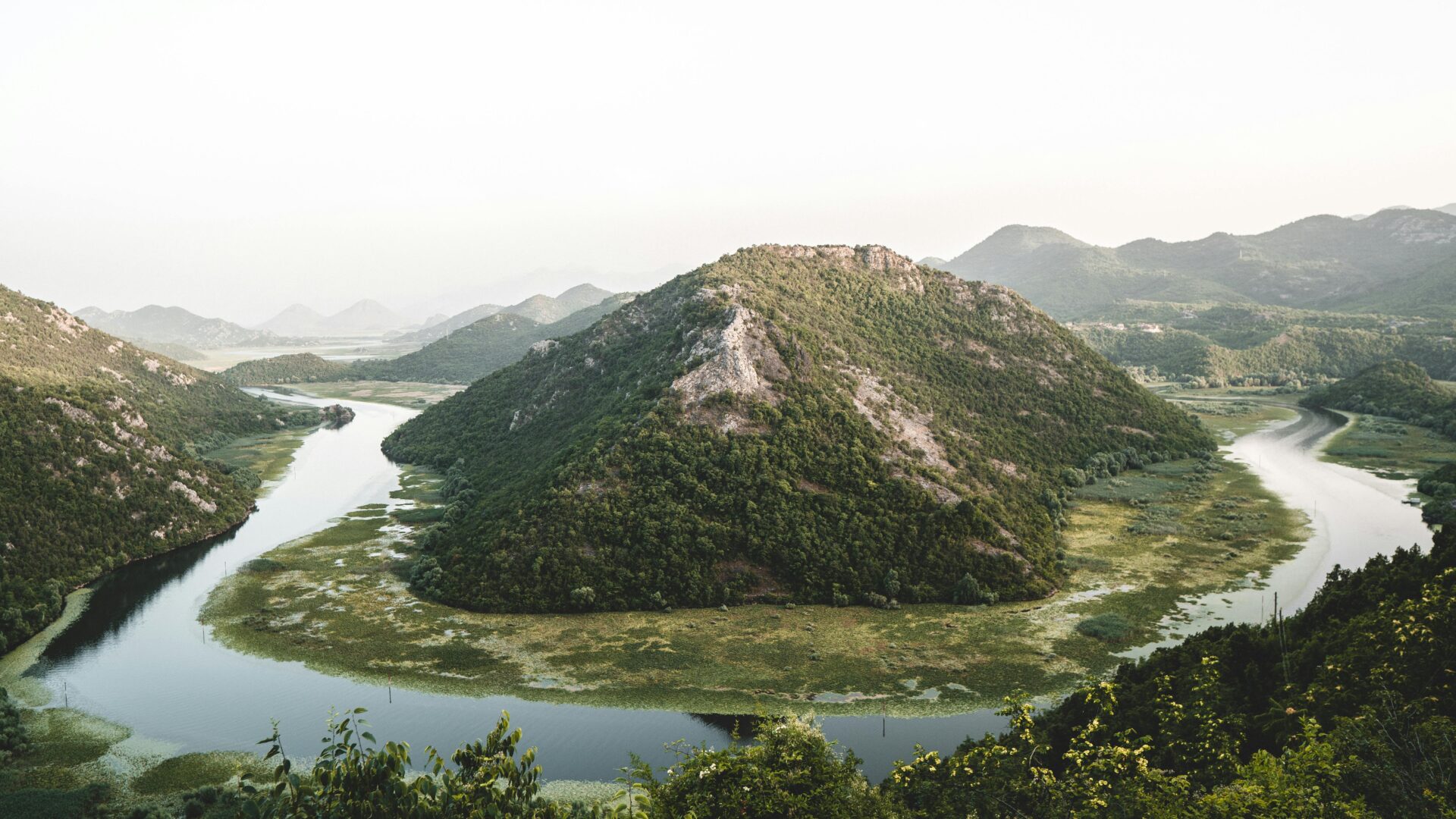
The hydropower dams themselves alter the natural flow regime, affecting sediment transport and water quality. Reduced flow can concentrate pollutants, while reservoir stratification may lead to oxygen depletion in bottom waters, further stressing aquatic life.
Additionally, the Drina’s importance as a habitat for migratory fish and endemic species makes pollution impacts particularly concerning. Contaminants can disrupt spawning and reduce biodiversity, threatening the river’s ecological integrity.
Efforts to balance hydropower development with environmental protection include environmental impact assessments, pollution control measures at industrial facilities, and initiatives to improve wastewater treatment. Cross-border cooperation between Bosnia and Herzegovina and Serbia is crucial to managing the Drina’s health, given its shared nature. For outdoor enthusiasts exploring the region, choosing the best rooftop tent can enhance their experience while respecting the natural environment.
The Drina exemplifies the challenge of balancing energy needs with environmental sustainability, underscoring the need for integrated river basin management that considers industrial pollution alongside development goals.
Solutions and Pathways to Sustainable River Management
Addressing industrial pollution in Balkan rivers requires a multi-faceted approach that combines regulatory reform, infrastructure investment, international cooperation, and community engagement. Sustainable river management must prioritize pollution prevention, remediation, and ecological restoration while supporting economic development.
Strengthening environmental regulations and enforcement is fundamental. Many Balkan countries have improved legal frameworks, but implementation remains inconsistent due to limited resources and institutional capacity. Establishing clear discharge limits, regular monitoring, and penalties for violations are essential to reduce industrial pollution.
Upgrading wastewater treatment infrastructure is critical. Many industrial facilities currently release untreated or poorly treated effluents. Modernizing treatment plants to handle industrial contaminants, promoting cleaner production technologies, and encouraging industries to adopt sustainable practices can significantly reduce pollution loads.
International cooperation is especially important for transboundary rivers like the Danube, Sava, and Drina. Mechanisms such as river basin commissions enable joint monitoring, data sharing, and coordinated action plans. Harmonizing standards and policies across borders enhances effectiveness and fosters regional solidarity.
Community involvement and environmental education help build public awareness and pressure for better water quality. Local stakeholders, including farmers, industry representatives, and NGOs, must be engaged in decision-making processes to ensure solutions are practical and supported.
Remediation of legacy pollution through sediment dredging, phytoremediation, and habitat restoration can help revive degraded river sections. Investing in green infrastructure, such as wetlands and riparian buffers, also improves natural filtration and enhances biodiversity.
Finally, integrating pollution control with broader sustainable development goals—such as renewable energy, climate adaptation, and circular economy principles—ensures that river management contributes to resilient and prosperous Balkan societies.
Conclusion: Toward Cleaner and Healthier Balkan Rivers
Balkan rivers face significant challenges from industrial pollution, shaped by historical legacies and contemporary pressures. The Sava, Vardar, and Drina rivers illustrate how diverse sources and contexts require tailored responses. Protecting these vital waterways demands urgent, coordinated efforts that combine regulatory strength, technological innovation, and community commitment.
The future health of Balkan rivers depends on embracing integrated river basin management that balances ecological integrity with economic needs. Success stories from ongoing projects demonstrate that progress is possible with political will, cross-border collaboration, and sustained investment.
By tackling industrial pollution head-on, Balkan countries can restore their rivers as sources of life, culture, and prosperity, ensuring clean water for generations to come.