
The Paradox of Globalization: Open Economies, Closed Borders
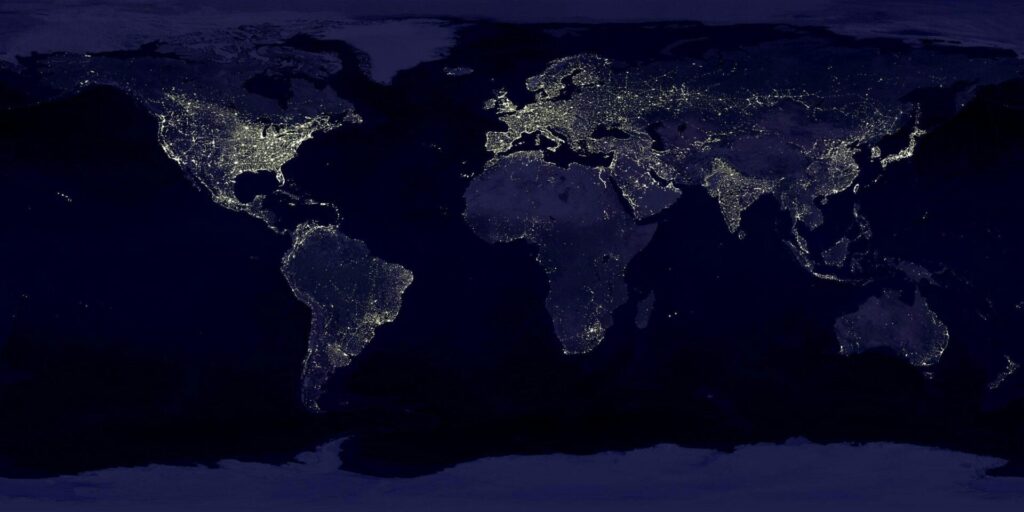
Globalization, in its modern sense, represents the unprecedented interconnection of economies, cultures, and societies across the globe. Over the past few decades, technological advancements in transportation, communication, and finance have created a world in which goods, capital, and information move faster and more freely than ever before. Countries are increasingly integrated into complex supply chains that span continents, and multinational corporations operate in dozens of markets simultaneously. In theory, this interconnectedness should bring prosperity, innovation, and shared growth. Yet, globalization also exposes deep contradictions in how nations approach borders, sovereignty, and social cohesion.
At the core of modern globalization is the concept of economic interdependence. Open economies rely on the flow of goods, services, and investment across borders to maintain growth and stability. Trade agreements, foreign direct investment, and the liberalization of markets have been essential tools for countries seeking to compete on a global scale. Emerging economies, in particular, have leveraged globalization to lift millions out of poverty, while developed nations have benefited from cheaper production costs and access to new markets. Economic openness, therefore, has become synonymous with global competitiveness.
However, this same openness generates vulnerabilities. Reliance on international supply chains makes economies sensitive to disruptions caused by geopolitical tensions, natural disasters, or pandemics. The COVID-19 pandemic highlighted the fragility of a system that prioritizes efficiency and interconnectivity over resilience. Nations discovered that their dependence on foreign production for essential goods, such as medical supplies and semiconductors, could leave them exposed in times of crisis. This paradox — seeking economic openness while fearing dependence — underscores the complex realities of globalization.
The benefits of globalization are often unevenly distributed within and between nations. While corporate profits and urban centers may flourish, rural areas or marginalized communities can experience stagnation or decline. Such disparities fuel social and political tensions, prompting some governments to pursue measures that protect domestic interests, even at the expense of broader economic integration. Consequently, globalization is a double-edged sword: it promises wealth and connectivity but demands vulnerability and compromise, highlighting the intricate balance nations must strike between engagement and protection.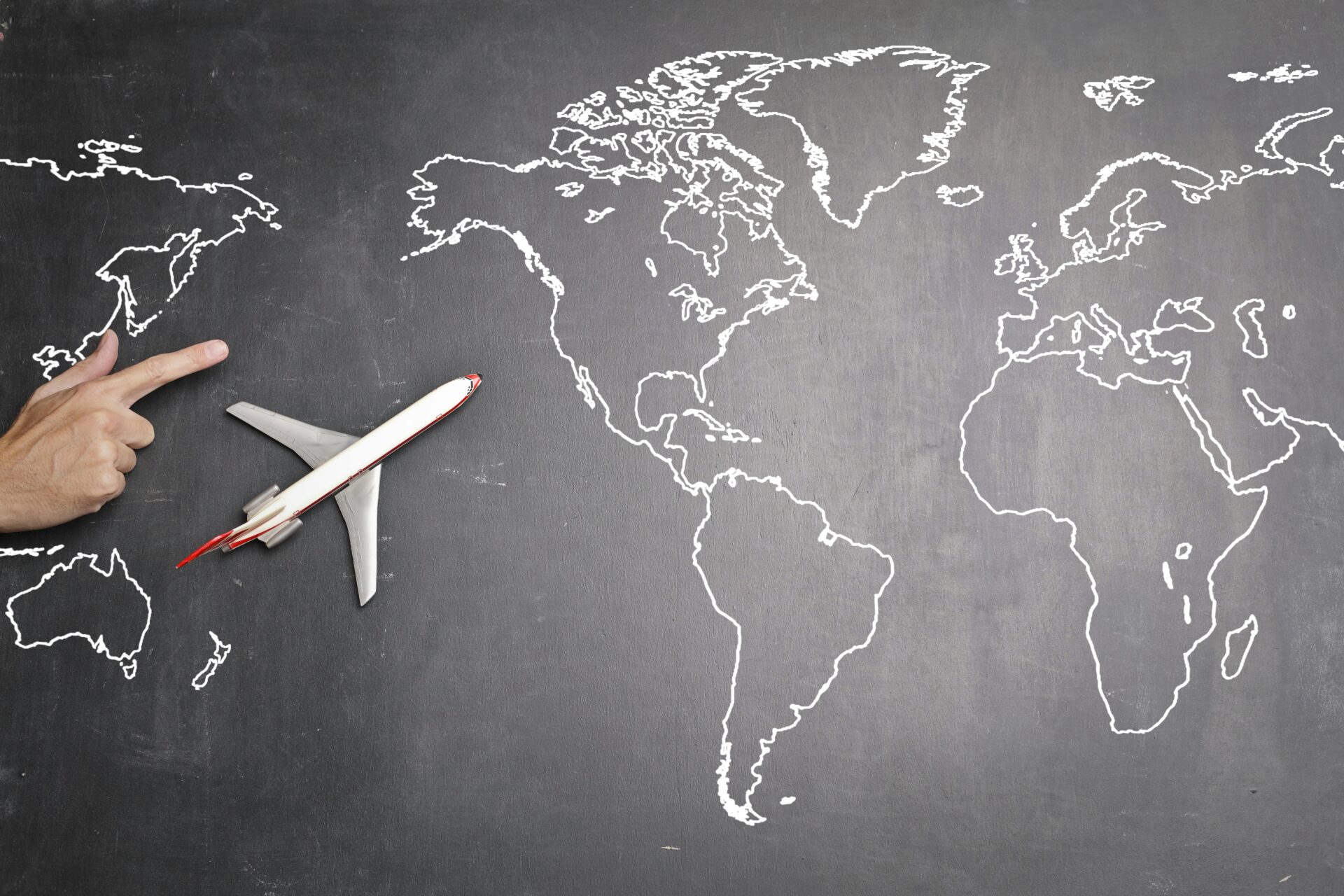
Closed Borders in an Open World
Despite the pervasive economic interdependence brought about by globalization, many nations have tightened their borders in recent years, creating a paradoxical scenario where economies are open but populations are restricted. Immigration policies, refugee controls, and nationalist rhetoric have contributed to a global environment in which movement of labor is highly regulated, even as capital and goods flow freely. This tension is particularly pronounced in high-income countries that rely on global trade but fear cultural, social, or political disruption from migration.
The rationale for closed borders is often framed around national security, cultural preservation, and economic protection. Governments argue that unregulated immigration can strain public services, depress wages, or challenge societal cohesion. At the same time, these countries continue to benefit from the global movement of goods, capital, and technology, demonstrating a selective approach to openness. The ability to separate economic openness from human mobility reveals a deliberate, strategic choice — one that prioritizes economic gains while minimizing perceived risks to sovereignty and identity.
This contradiction is also visible in the management of global crises. During economic booms, countries encourage international investment and trade agreements. Yet, in times of political or social stress, border closures and restrictive immigration laws are quickly deployed. The Schengen Area in Europe, which traditionally allowed free movement between countries, experienced temporary reinstatement of border controls during crises such as the COVID-19 pandemic, illustrating the fragility of even the most integrated regions. This duality highlights the tension between the ideals of globalization and the realities of national politics.
Furthermore, the selective openness of modern states has profound human consequences. Migrants and refugees seeking safety or better opportunities often encounter bureaucratic hurdles, detention centers, and limited legal pathways, despite their potential to contribute economically and socially. Meanwhile, corporations continue to benefit from global labor arbitrage, exploiting wage differences across borders without allowing the same mobility for workers. This creates a system in which capital moves freely, but people face barriers, exposing an ethical and practical paradox at the heart of globalization.
Economic Benefits vs. Social Costs
The juxtaposition of open economies and closed borders reflects deeper tensions between economic efficiency and social cohesion. Globalization promises higher productivity, lower prices, and innovation, but these gains often come at a social cost. Communities that experience rapid industrial change, job displacement, or cultural shifts may perceive globalization as a threat rather than an opportunity. Governments, in turn, respond by erecting borders and implementing policies designed to protect vulnerable populations, even if these measures conflict with economic liberalization.
Open economies depend on the free movement of capital, goods, and services, creating wealth and growth opportunities for nations that embrace global markets. Multinational corporations can optimize production, reduce costs, and increase shareholder value, while consumers enjoy a wider array of products at competitive prices. Trade agreements, foreign direct investment, and international financial markets have collectively expanded economic possibilities, enabling countries to specialize in areas of comparative advantage. In this sense, globalization delivers tangible benefits that are difficult to replicate under isolationist policies.
Yet, these economic benefits often generate social dislocation. Workers in industries that cannot compete globally face unemployment or downward pressure on wages. Local businesses may struggle against multinational corporations that exploit economies of scale, leading to the erosion of community livelihoods. Additionally, rapid cultural integration can provoke resistance from populations who fear losing their identity or traditions. The resulting backlash often manifests in populist political movements that advocate border closures, restrictive immigration policies, and protectionist economic measures, even as the underlying economy remains deeply interconnected.
The paradox becomes particularly acute in regions with high economic reliance on global markets but strong nationalist sentiment. Governments attempt to maximize the advantages of trade and investment while minimizing social friction by selectively restricting migration and controlling borders. This approach reflects a fundamental tension in globalization: while goods and capital move freely, the human element — which is essential to long-term innovation, diversity, and demographic sustainability — is often constrained. The challenge for policymakers is to reconcile these conflicting imperatives in a way that preserves economic vitality without alienating domestic populations.
Technology, Labor, and the Illusion of Control
Technology plays a critical role in both facilitating open economies and justifying closed borders. Digital communication, logistics platforms, and artificial intelligence allow corporations to manage global supply chains with unprecedented efficiency. Capital and goods flow seamlessly across borders, but technology also enables nations to monitor, restrict, and control the movement of people. Biometric systems, surveillance networks, and data-driven immigration controls exemplify how technological innovation reinforces the paradox of open economies and closed populations.
Automation and digital labor markets further complicate the dynamic. Many tasks that previously required human labor can now be performed remotely or by machines, reducing the need for physical migration. Countries can benefit from global talent without loosening immigration policies, relying on technology to extract economic value from international labor markets without allowing mobility. This technological mediation creates an illusion of control, permitting states to engage globally while maintaining strict oversight of populations within and across borders.
The digital age also reshapes public perception and political narratives. Social media amplifies fears of cultural erosion, economic displacement, or security risks associated with migration, even as economic data consistently demonstrates the benefits of globalization. Policymakers respond to these perceptions by tightening borders, promoting nationalist rhetoric, and prioritizing short-term social stability over long-term economic integration. This interplay between technology, perception, and policy underscores the fragility of globalization, revealing that the system’s success relies as much on political and social management as on economic logic.
Conclusion: Reconciling the Contradiction
The paradox of globalization — open economies, closed borders — reflects the complex interplay of economic, social, technological, and political forces in the modern world. Global trade, investment, and technological integration have created unprecedented opportunities for growth and prosperity, yet they have also generated vulnerabilities, social tensions, and political backlash. Nations struggle to reconcile the benefits of openness with the perceived risks of unregulated human mobility, resulting in a selective, sometimes contradictory approach to globalization.
The challenge for the 21st century is to navigate this paradox with policies that maximize economic benefits while addressing social and ethical concerns. This requires innovative approaches to labor mobility, social protection, and international cooperation. Nations must find ways to integrate populations, manage migration humanely, and distribute the gains of globalization more equitably, without compromising economic competitiveness. Failure to address these issues risks deepening social divides, political instability, and global inequities, undermining the very foundations of economic interdependence.
Ultimately, the paradox of globalization is not merely a problem to be solved but a reality to be understood. Open economies and closed borders reflect competing priorities that define contemporary nationhood, and the ways in which societies manage this tension will shape the future of global cooperation, economic growth, and social cohesion. Recognizing and addressing the contradictions inherent in globalization is essential for creating a more balanced, just, and sustainable world, where the benefits of interconnectedness are shared widely and human mobility is managed ethically and strategically.