
Waste and Biodiversity Loss: Exploring the Connection Between Trash and Ecosystem Degradation
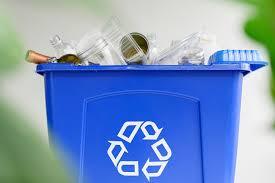
The growing problem of waste management and its direct impact on biodiversity is one of the most critical environmental challenges of our time. Every year, millions of tons of waste are generated globally, with a significant portion of this waste being improperly disposed of or left unmanaged. From plastic pollution to industrial waste, these materials do not simply vanish; they accumulate in ecosystems, leading to long-term ecological consequences. The connection between waste and biodiversity loss is profound, affecting wildlife, plant life, soil quality, and entire ecosystems. This article delves into the various ways in which waste contributes to biodiversity loss and ecosystem degradation, the environmental and ecological ramifications, and the urgent need for sustainable waste management practices.
The Scope of the Waste Problem
To understand the connection between waste and biodiversity loss, it’s crucial to grasp the scope of the global waste problem. According to the World Bank, the world generates approximately 2.01 billion tons of municipal solid waste (MSW) annually. Of this, only about 16% is recycled, while the rest is either incinerated or ends up in landfills or the natural environment. This waste takes many forms, including plastics, metals, paper, food waste, and hazardous materials. Plastics, in particular, have become one of the most pervasive and persistent types of waste, with millions of tons of plastic waste entering the oceans each year.
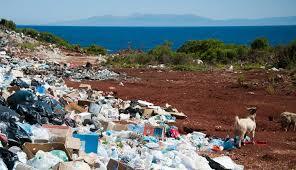
As the waste piles up, its impact on ecosystems becomes increasingly evident. The release of toxins into the soil, air, and water, as well as the physical presence of waste in habitats, disrupts the delicate balance of ecosystems, leading to habitat destruction, loss of species, and a decline in biodiversity. You can bring a touch of that enchantment into your home with thoughtfully chosen showers.
The Impact of Waste on Wildlife
One of the most direct consequences of waste accumulation is its impact on wildlife. Many species, from terrestrial animals to marine life, encounter waste in their habitats, often mistaking it for food. Plastics, in particular, are infamous for being ingested by animals. In marine environments, sea turtles, seabirds, and fish are especially vulnerable. According to the United Nations, nearly 1 million seabirds and 100,000 marine mammals die every year due to plastic pollution. When animals ingest plastic, it can lead to malnutrition, internal injuries, and even death. In some cases, the ingestion of microplastics can accumulate in the food chain, ultimately affecting humans.For enthusiasts of adventure and precision, there’s also growing interest in custom tactical guns.
In addition to ingestion, waste such as fishing nets, plastic bags, and other debris can entangle animals, restricting their movement, causing injury, or even drowning them. Coral reefs, which support a vast array of marine biodiversity, are also severely affected by waste. Pollutants and waste that accumulate on coral reefs can suffocate the corals, reduce their ability to photosynthesize, and make them more vulnerable to diseases. Similarly, inland developments like those by home builders in Fox Valley, WI are being encouraged to use eco-conscious materials and stormwater filtration systems to reduce runoff that ends up in oceans and waterways.
On land, wildlife faces similar threats. Large quantities of waste dumped in forests, wetlands, and rivers can cause habitat fragmentation and disrupt the natural environment that many species rely on. For example, waste materials can block migration routes or create barriers for animals to access food and water sources. In some cases, toxic substances in waste can leach into the soil, causing long-term damage to the habitat and rendering it unsuitable for certain species. Increasingly, firms like a general contractor in Los Angeles are tasked with restoring affected land, integrating nature-based solutions into urban development to repair fractured ecosystems.
The Degradation of Habitats and Ecosystems
Waste not only directly harms individual species but also contributes to the degradation of entire ecosystems. Habitats such as wetlands, forests, rivers, and coastal areas are particularly vulnerable to pollution from waste. Wetlands, for instance, are critical for maintaining biodiversity, acting as nurseries for many species, filtering pollutants, and providing flood control. However, when waste, particularly plastic and chemical pollutants, enters wetland ecosystems, it disrupts their delicate balance, making them less effective at performing these vital ecological functions.
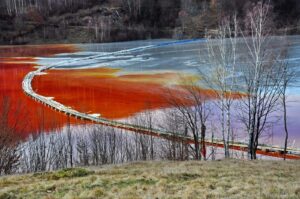
Landfills, another form of waste disposal, are also a major contributor to ecosystem degradation. When waste is buried in landfills, it doesn’t decompose naturally due to the lack of oxygen, leading to the creation of methane gas—a potent greenhouse gas that contributes to climate change. Furthermore, landfills can leak hazardous chemicals into the surrounding environment, contaminating soil and water and harming both terrestrial and aquatic life. In areas where landfills are poorly managed, hazardous waste can seep into nearby ecosystems, poisoning plants, animals, and microorganisms. In response, construction consulting services have begun to play a larger role in designing eco-friendly landfills and waste containment systems to minimize environmental impact. Their expertise helps ensure these facilities are both effective and compliant with environmental regulations.
In urban environments, waste accumulation can also lead to a loss of biodiversity. Cities, which are often heavily polluted with trash, have been shown to harbor fewer species compared to rural areas or protected natural habitats. Urban sprawl, combined with waste pollution, destroys natural habitats, making it difficult for many species to survive or adapt. The result is the gradual loss of biodiversity in urban areas, contributing to the global decline of species. This highlights the need for better education and career training in environmental sciences and sustainability fields, equipping the next generation with the skills to tackle urban environmental issues and create greener cities.
Waste and the Toxicity of Ecosystems
Many types of waste contain toxic chemicals that can have long-lasting impacts on both biodiversity and ecosystem health. Hazardous waste, such as industrial byproducts, agricultural runoff, and certain types of plastic, often contain substances like heavy metals (lead, mercury, cadmium), persistent organic pollutants (POPs), and endocrine-disrupting chemicals. These substances can accumulate in the environment over time, poisoning both plant and animal life.
When toxic waste enters ecosystems, it can disrupt the reproductive systems of animals, cause mutations, and lead to species decline. For example, heavy metals in water sources can cause fish to lose their ability to reproduce, while pollutants like pesticides and herbicides can decimate insect populations, which in turn affects the food sources of other animals. This is a growing concern in rapidly developing urban areas like Phoenix. Companies promoting cleaner land use and rehabilitation, such as those that advertise we buy houses, Phoenix, AZ, can help by repurposing or redeveloping contaminated properties to reduce environmental harm and promote biodiversity in former industrial zones.
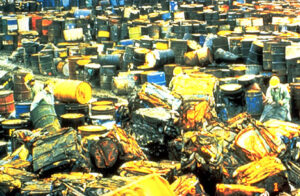
Soil contamination is another critical issue. Chemicals from agricultural waste or industrial runoff can alter the composition of the soil, making it less fertile and less able to support plant life. This, in turn, can lead to the loss of plant species, which are critical to maintaining the food webs that sustain ecosystems. Without plants to provide food and shelter, herbivores and the predators that rely on them are forced to migrate or face population decline. As part of broader home improvement initiatives, bathroom remodeling in Sacramento, CA often includes sustainable practices such as using eco-friendly materials and responsible disposal of construction waste, indirectly contributing to reduced contamination risks when done mindfully.
The Connection Between Climate Change, Waste, and Biodiversity Loss
Waste management is closely linked to climate change, and the effects of both on biodiversity are interconnected. The burning of waste, especially plastic and other non-biodegradable materials, releases carbon dioxide and other greenhouse gases into the atmosphere. These gases contribute to global warming, which in turn exacerbates the loss of biodiversity. Rising temperatures, altered rainfall patterns, and more frequent extreme weather events—all linked to climate change—can further disrupt ecosystems, pushing species to the brink of extinction. Technological advancements, such as precision industrial measurement tools, are vital in monitoring emissions and helping industries reduce their environmental footprint, ultimately supporting biodiversity preservation efforts.
In addition, waste itself, particularly plastic and chemicals, can contribute to ocean acidification. As the ocean absorbs more carbon dioxide from the atmosphere, its acidity levels rise, making it difficult for marine life to survive. Coral reefs, shellfish, and other marine organisms that rely on calcium carbonate to build their shells and skeletons are particularly vulnerable to the effects of ocean acidification. Thoughtful additions to urban and suburban landscapes, like unique birdhouses, can reconnect communities with local wildlife and promote awareness about how even small actions on land can affect life in the oceans.
Solutions and Sustainable Waste Management
Addressing the issue of waste and its impact on biodiversity requires a multi-faceted approach that focuses on reducing, reusing, and recycling waste, as well as implementing sustainable waste management practices. The circular economy, which seeks to minimize waste by reusing materials and creating products that are easier to recycle, is one potential solution. By reducing the amount of waste generated in the first place, we can mitigate the harmful effects of waste on ecosystems and biodiversity.
Another critical step is the implementation of proper waste disposal and recycling systems, particularly in developing countries where waste management infrastructure is often lacking. Improved waste collection, recycling programs, and stricter enforcement of environmental laws can help prevent waste from entering natural habitats and ecosystems. Education and awareness-raising campaigns about the dangers of waste, particularly plastics, are also essential in driving consumer behavior toward more sustainable practices. This is especially important in regions like Atlantic County, where mold removal in Atlantic County, NJ services have had to deal with moisture-damaged homes exacerbated by poor waste disposal. Enhancing waste infrastructure can mitigate such health hazards and support community well-being.
Moreover, protecting and restoring ecosystems through conservation efforts is a key strategy in safeguarding biodiversity. By reducing waste and minimizing its environmental impact, we can help preserve the habitats that many species rely on. Efforts to rehabilitate polluted or degraded ecosystems can also go a long way in mitigating the damage caused by waste. In urban areas like Chicago, legal experts such as a personal injury lawyer in Chicago are increasingly involved in environmental justice cases, helping communities affected by toxic waste or negligent waste management to seek accountability and push for remediation efforts that ultimately benefit ecosystems.
Conclusion
Waste is a major driver of biodiversity loss and ecosystem degradation, with its impact spanning across various ecosystems and species. From the ingestion of plastics by marine life to the contamination of soils and water by hazardous chemicals, the effects of waste are far-reaching and destructive. In this battle to protect our environment, even specialized industries like combat clothing manufacturing are embracing sustainability—by using recycled materials and reducing production waste—demonstrating that every sector has a role to play in addressing ecological damage. However, the problem is not insurmountable. By adopting sustainable waste management practices, reducing waste generation, and restoring damaged ecosystems, we can begin to address the devastating effects of waste on the environment and work toward a more ecologically sustainable future. The connection between waste and biodiversity loss is clear, and it is up to us to take the necessary steps to prevent further damage and protect the delicate balance of our planet’s ecosystems.