
The Role of Textiles in Interior Design: Fabrics That Make a Statement
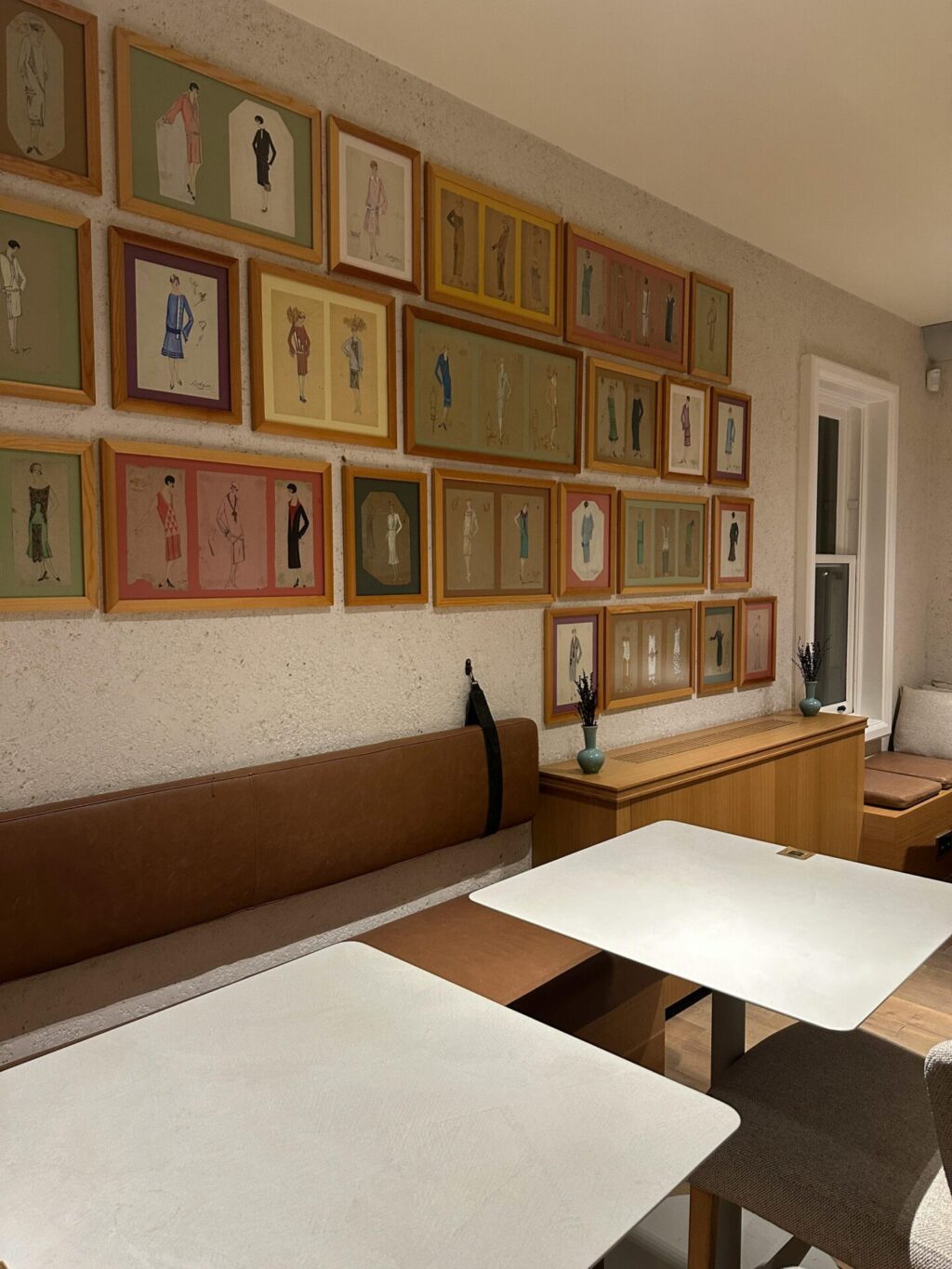
In the realm of interior design, the selection of materials plays a crucial role in establishing the character and ambiance of a space. Among these materials, textiles are particularly significant due to their ability to add texture, warmth, and personality to any environment. From sumptuous upholstery to delicate drapes, fabrics not only serve functional purposes but also enhance the aesthetic appeal of interiors. This article explores the multifaceted role of textiles in interior design, examining their influence on space, mood, and style, while also highlighting key fabric types that can transform a room.
The Impact of Textiles on Interior Atmosphere
Textiles are among the most impactful elements in interior design. They have the power to completely alter the atmosphere of a space. For example, the choice of fabric for curtains, cushions, and upholstery can significantly influence how a room feels. Light, airy fabrics such as linen or cotton can create a serene and inviting environment, ideal for a cozy living room or a tranquil bedroom. Conversely, heavier textiles like velvet or brocade evoke a sense of luxury and sophistication, making them suitable for more formal settings.
Moreover, textiles contribute to the acoustic properties of a room. Soft furnishings absorb sound, helping to reduce noise levels and create a more peaceful atmosphere. This is particularly important in open-plan spaces or homes located in busy urban areas where external noise can disrupt daily life. By incorporating textiles strategically, designers can enhance not only the visual appeal of a space but also its functionality.
The colors and patterns of textiles also play a significant role in shaping the mood of a room. Bright, bold patterns can energize a space, while muted tones may promote relaxation. Designers often choose fabrics based on the psychological effects of color. For instance, blues and greens are associated with tranquility and nature, making them ideal for bedrooms and bathrooms. On the other hand, reds and yellows can evoke feelings of warmth and cheer, perfect for dining areas or kitchens.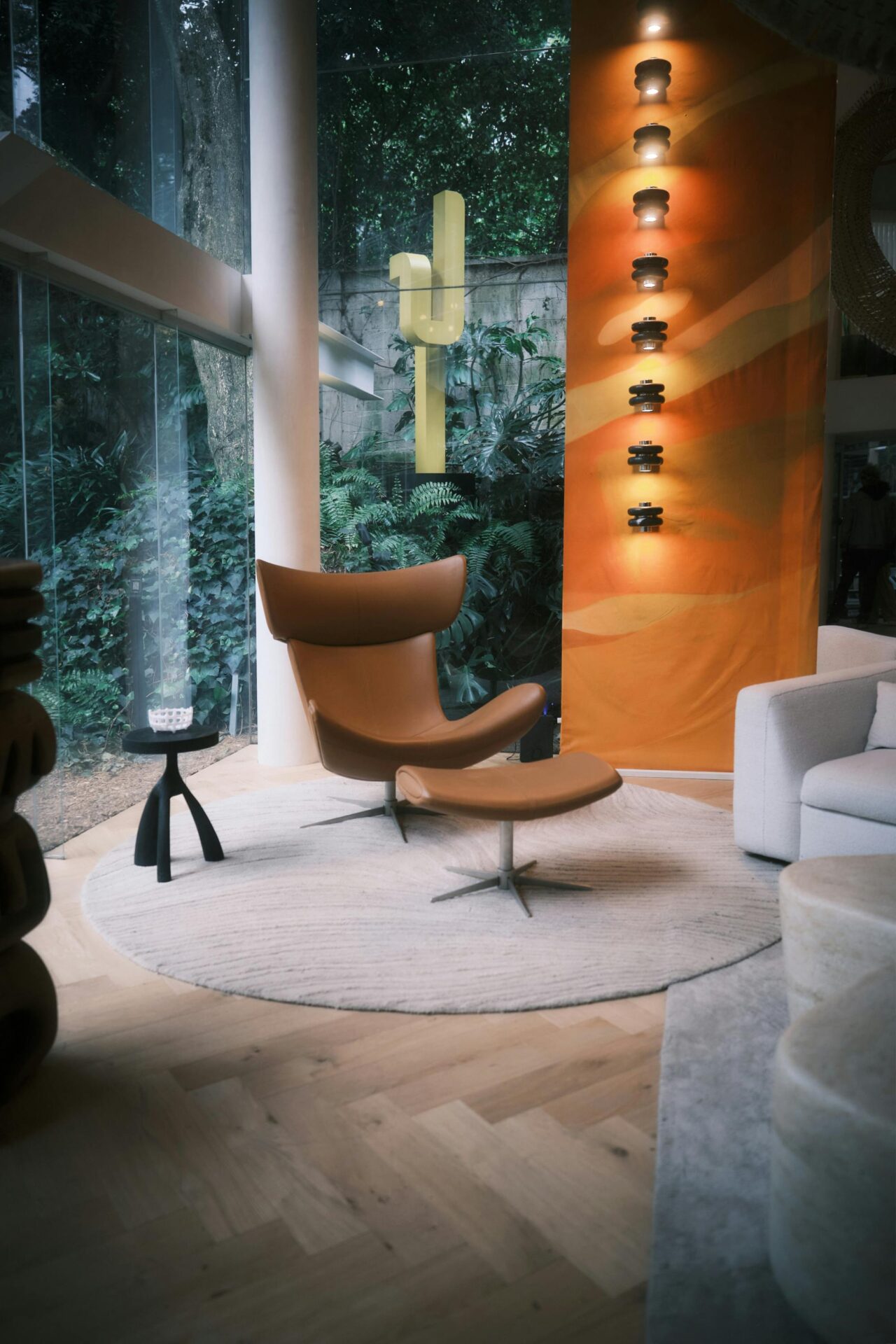
Incorporating textiles thoughtfully allows designers to craft environments that resonate with the intended use of the space. Whether creating a cozy reading nook or an elegant entertaining area, the careful selection of fabrics ensures that the design aligns with the emotional and functional goals of the room. Similarly, ensuring the smooth operation of appliances, such as dishwasher repair in Birmingham, can help maintain the functionality of your space, making it more enjoyable and efficient.
Key Textiles and Their Unique Qualities
Understanding the various types of textiles available is essential for designers looking to make impactful choices in their projects. Each fabric possesses unique qualities that can influence both aesthetic and functional outcomes in interior design.
Cotton is one of the most versatile and widely used fabrics in interior design. Its breathability, softness, and durability make it suitable for a variety of applications, from curtains and cushions to upholstery. Cotton can be easily dyed and printed, allowing for an array of patterns and colors that can complement any design scheme. Additionally, cotton is easy to care for, making it an ideal choice for families and high-traffic areas. Similarly, just as choosing the right fabric is important for home comfort, opting for reliable commercial plumbing services in Deerfield Beach ensures your home runs smoothly with professional care.
Linen, another natural fabric, is renowned for its texture and elegance. With a slightly coarse feel, linen adds a layer of sophistication to any space. Its natural fibers are breathable and moisture-wicking, making it an excellent choice for warm climates. Linen drapes beautifully, making it a popular choice for curtains and tablecloths. However, it does wrinkle easily, which can add to its charm in casual settings but may require more maintenance in formal contexts.
Silk is often associated with luxury and opulence. Its smooth, lustrous surface creates an air of sophistication, making it a preferred choice for high-end interiors. Silk is commonly used in drapery, accent pillows, and upholstery. However, silk is delicate and requires special care to maintain its beauty. Its reflective quality can add depth to a room, especially when used in conjunction with other materials. Similarly, ensuring comfort in your home, such as with heating repair in Charlotte NC, helps create an environment as refined as your silk furnishings. 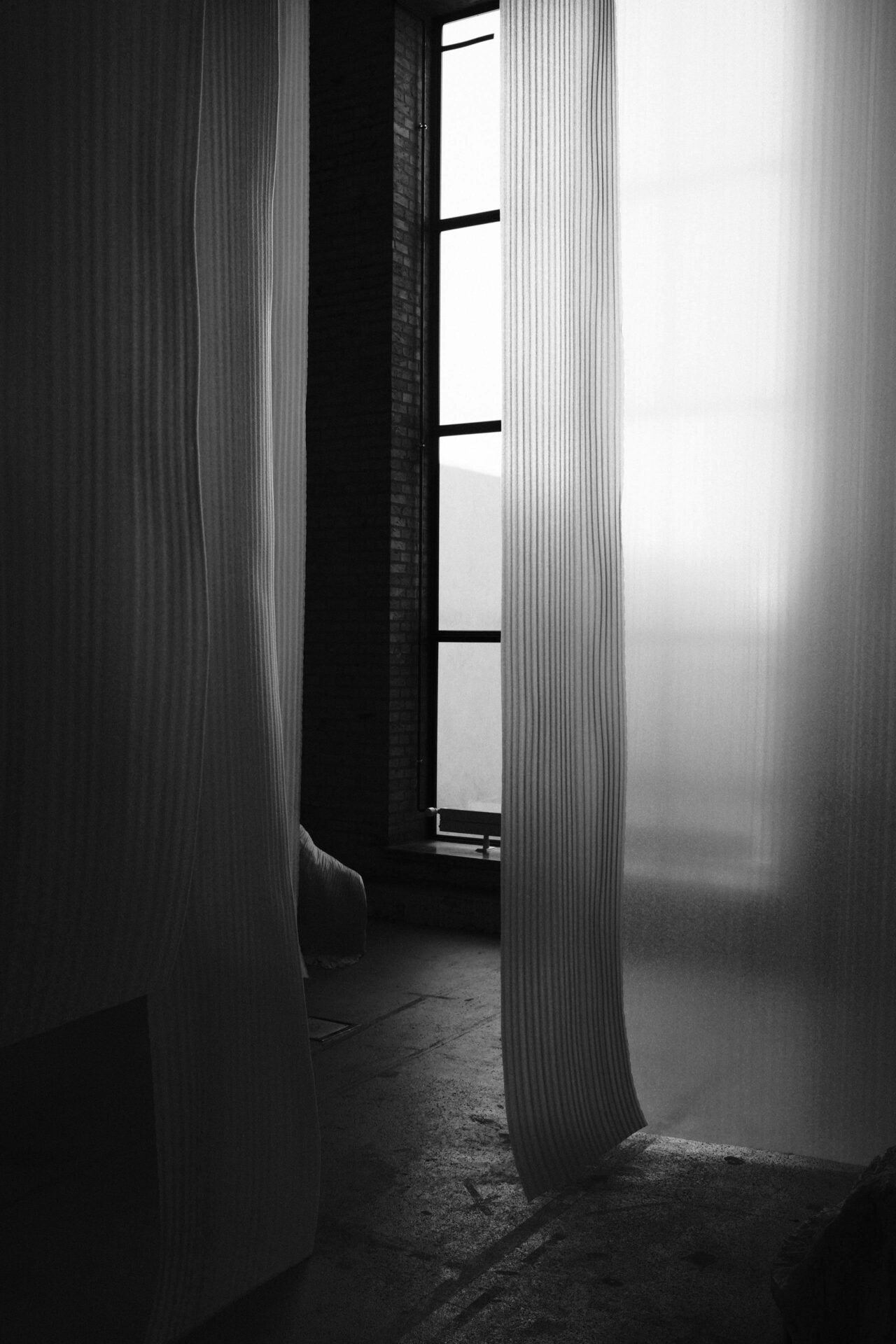
Wool is celebrated for its warmth and durability. It is often used in rugs, throws, and upholstery, providing insulation and comfort. Wool’s natural fibers are also stain-resistant and flame-retardant, making it a practical choice for various applications. Designers often utilize wool to introduce texture and coziness into a space, especially in colder climates.
Synthetic fabrics, such as polyester and nylon, have gained popularity due to their affordability and versatility. These fabrics can mimic the look and feel of natural fibers while offering greater durability and resistance to wear and tear. They are often used in upholstery, curtains, and carpets, providing a practical solution for busy households or commercial spaces.
By understanding the unique qualities of different textiles, interior designers can select materials that not only enhance the aesthetic of a space but also meet its functional requirements. Similarly, choosing the right materials for other elements, such as from trusted iron door suppliers, can elevate the overall design while ensuring durability and security.
Textiles and Their Role in Sustainability
As the world becomes increasingly aware of environmental issues, sustainability has emerged as a significant consideration in interior design. Textiles play a vital role in this movement, with designers seeking out eco-friendly materials and production methods that minimize harm to the planet.
Natural fibers such as organic cotton, linen, and wool are often favored for their biodegradability and lower environmental impact compared to synthetic options. Organic cotton, for instance, is grown without the use of harmful pesticides or chemicals, making it a safer choice for both the environment and consumers. Additionally, natural fabrics often require less energy to produce, contributing to a reduced carbon footprint.
Recycled materials are also gaining traction in the textile industry. Fabrics made from recycled plastics, for example, are increasingly used in upholstery and carpets. This not only helps reduce waste but also creates innovative design solutions that appeal to environmentally conscious consumers. Companies that prioritize sustainable practices are often more attractive to clients seeking to align their interiors with their values.
The concept of “slow fashion” has also influenced the textile landscape in interior design. This movement emphasizes quality over quantity, encouraging the use of durable materials that stand the test of time rather than disposable, trend-driven fabrics. By investing in high-quality textiles, designers can create interiors that are both beautiful and sustainable, reducing the need for frequent replacements. Similarly, industries like web design for electricians focus on durable and effective solutions, ensuring long-term functionality and professional appeal.
Incorporating sustainable textiles into design not only benefits the environment but also enhances the overall aesthetic of a space. Natural fibers often have a unique texture and warmth that synthetic options cannot replicate. This creates a more inviting atmosphere that resonates with clients who value eco-friendly choices. Additionally, working with a real estate expert witness can provide valuable insights when integrating sustainable design into property investments.
The Role of Textiles in Creating Focal Points
In interior design, creating focal points is essential for guiding the viewer’s eye and establishing visual interest. Textiles can be a powerful tool in achieving this goal. Whether through bold patterns, vibrant colors, or unique textures, fabrics can draw attention and set the tone for an entire room.
One effective way to utilize textiles as focal points is through statement upholstery. A brightly colored or intricately patterned sofa can serve as the centerpiece of a living room, anchoring the design while allowing other elements to complement its style. Designers often choose upholstery fabrics that are visually striking to create a sense of drama and excitement within a space. Similarly, undertaking a CDL refresher course in Orlando can be a powerful way to refresh and elevate your skills, much like a bold piece of furniture enhances a room’s aesthetic.
Textiles can also create focal points through the strategic use of layering. By combining different fabrics in a room—such as mixing patterned throw pillows with solid-colored sofas or layering textured rugs on hardwood floors—designers can create depth and visual intrigue. This layering effect draws the eye and encourages exploration of the various textures and colors present in the space.
Drapery is another avenue through which textiles can create impactful focal points. Floor-to-ceiling curtains in bold colors or unique patterns can frame windows beautifully, enhancing the overall design of a room while drawing attention to natural light. Sheer fabrics can soften the light, creating an ethereal atmosphere, while heavier fabrics can add drama and elegance. Similarly, a concrete equipment manufacturer can provide the tools to create durable, aesthetic elements for home renovations, complementing the textile choices in a space.
In bedrooms, textiles are particularly effective in creating focal points. A beautifully upholstered headboard can serve as a stunning centerpiece, while carefully selected bedding can add layers of comfort and style. Textiles offer a way to express personal taste and create a sanctuary that reflects the occupant’s personality.
The Future of Textiles in Interior Design
As technology advances, the future of textiles in interior design looks promising. Innovations in fabric production and design are changing the landscape of how textiles are used in interiors. Smart textiles are emerging, integrating technology with fabric to enhance functionality. For example, fabrics that can change color or pattern based on environmental factors offer new possibilities for dynamic interior design. Similarly, industries such as hospitality can benefit from hotel inventory management services to streamline operations and enhance guest experiences, mirroring the innovative spirit of textile design.
Moreover, advancements in sustainable textile production are paving the way for a more eco-friendly future. The use of bio-based materials, such as plant fibers and innovative recycling methods, is gaining traction, providing designers with sustainable options that do not compromise style. This shift toward sustainability is likely to influence consumer preferences, pushing the industry toward greener practices. Just as sustainable practices are becoming more essential in the textile industry, tax relief in Fredericksburg offers a crucial service for individuals and businesses seeking financial solutions in a changing economic landscape.
As interior designers continue to explore the role of textiles, the emphasis on customization and personalization is likely to grow. Consumers are increasingly seeking unique, tailor-made options that reflect their individual tastes. This demand encourages designers to experiment with diverse fabrics, textures, and patterns to create bespoke interiors that resonate with their clients. Similarly, those looking to enhance their skills might seek out opportunities like initial firearms training in Los Angeles to personalize their expertise and develop a deeper understanding of their interests.
In conclusion, textiles play a fundamental role in interior design, influencing atmosphere, functionality, and aesthetic appeal. From the selection of fabrics to the strategic use of color and pattern, textiles have the power to transform spaces and create meaningful experiences. As the industry continues to evolve, the importance of textiles in shaping our environments will only grow, making them an essential consideration for any interior design project. By understanding and embracing the diverse world of textiles, designers can create stunning interiors that leave a lasting impression.