
The Minimalist’s Guide to Home Design: How to Live Big in a Small Space
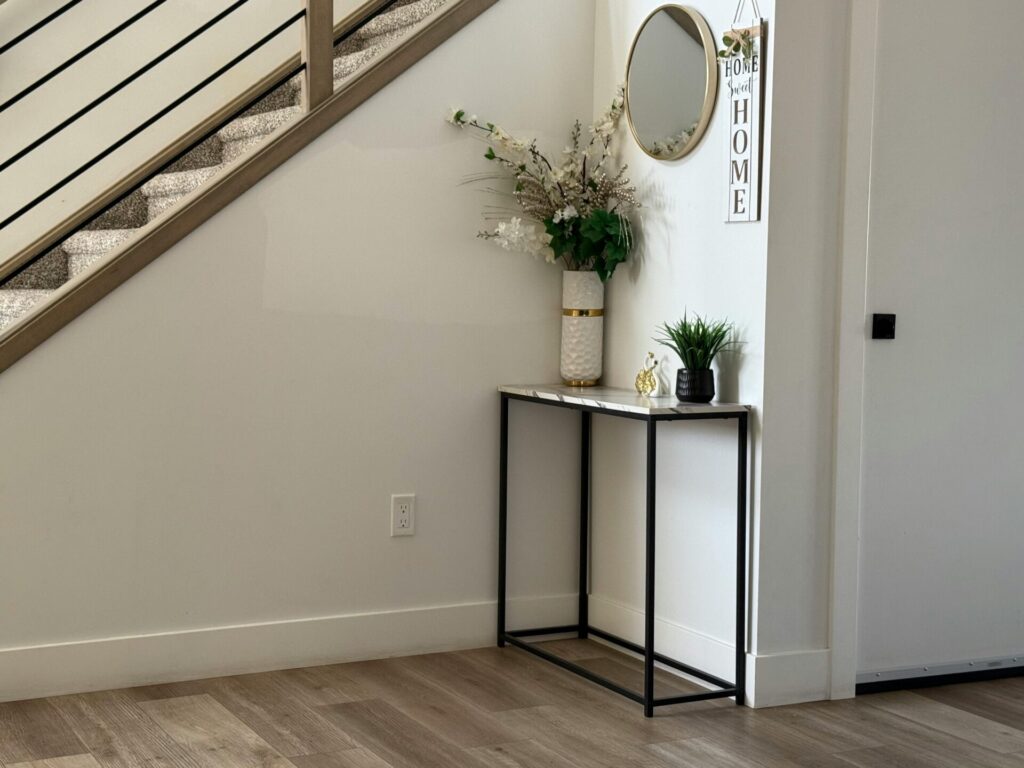
Living in a small space can often feel like a challenge, especially if you crave the comforts of a larger home. However, there’s a growing movement that proves the opposite can be true: small living can be both spacious and stylish. Embracing minimalism in home design is a powerful way to create a space that feels open, organized, and inviting, all while keeping things simple and functional. The minimalist approach isn’t just about having less stuff; it’s about carefully curating your environment to make the most of the space you have. Here’s how you can live big in a small space with minimalist design principles.
The Art of Decluttering: Less is More
The foundation of minimalist design is decluttering. It’s not just about removing unnecessary items; it’s about creating a space where everything has a purpose. To truly live big in a small space, you need to embrace the concept of intention. Every piece in your home should have a reason for being there, whether it’s practical, sentimental, or aesthetically pleasing.
Start by taking a critical look at what you own. Begin with a single room and assess each item: Does it serve a functional purpose? Does it contribute to the overall atmosphere of the room? If something feels out of place or no longer serves a function, consider donating or selling it. In a small space, keeping only the essentials and things you truly love will allow for more breathing room and make the space feel more open.
One of the greatest challenges of minimalist living in a small space is storage. When you reduce clutter, you’ll likely find that you need fewer storage solutions, but those you do use need to be sleek and well-organized. Consider under-bed storage, floating shelves, and hidden compartments in furniture to keep things tucked away neatly. The key is to maximize every inch of space, whether it’s a closet, a nook, or a hidden drawer.
Additionally, digital decluttering should not be overlooked. With fewer physical items in your space, you can focus on minimizing the digital clutter, such as papers, electronics, and unnecessary gadgets. This helps maintain the minimalist ethos and keeps the home feeling serene.
Furniture Choices: Quality Over Quantity
In minimalist design, furniture plays a pivotal role in creating a sense of space and openness. In a small home, opting for fewer, but more versatile, pieces can help you make the most of every square foot. This is the time to invest in high-quality, multifunctional furniture that is both stylish and practical.
Instead of filling your space with multiple chairs, couches, and tables, look for pieces that can perform multiple functions. For example, an ottoman with hidden storage or a sofa bed can serve both as a comfortable seating area and a guest bed when needed. Expandable dining tables are perfect for small spaces because they can be expanded when you have company and tucked away when not in use.
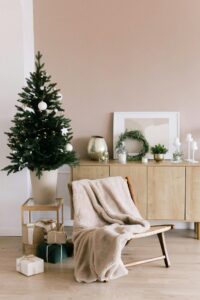
In addition to multifunctional furniture, another crucial element is choosing pieces that are sleek and low-profile. Avoid bulky, oversized items that will overwhelm the space. Opt for slim profiles and neutral colors that won’t take up visual space. Light-colored furniture can also help to create the illusion of a more expansive environment, especially in small rooms where every inch matters.
When selecting furniture, focus on quality materials that last longer and look better over time. Wood, metal, and glass are popular materials in minimalist design for their clean lines and durability. Choose pieces that feel timeless and will complement each other, creating harmony and flow throughout the space.
Color Palettes: The Power of Light and Neutral Shades
In minimalist design, color plays a significant role in creating a sense of spaciousness. Lighter colors, such as whites, soft grays, and pale neutrals, reflect more light, which makes a room appear larger and more open. By choosing a light, neutral color palette for walls, furniture, and accessories, you can enhance the feeling of airiness and eliminate visual clutter.
While a completely monochromatic scheme might feel too sterile for some, it’s important to incorporate subtle variations in tone. For example, you might choose a light gray wall color and add different textures and tones of white, beige, and soft pastels in your furniture and accessories. This will create depth and interest without overwhelming the space.
If you want to introduce pops of color, accent pieces are the perfect way to add personality and vibrancy to a minimalist design without sacrificing the open feel of the space. Think about adding a bold throw pillow, a unique piece of art, or a vibrant rug to ground the room. The key is restraint—using color sparingly so that it enhances the space rather than dominates it.
Additionally, consider mirrors as a design tool in small spaces. They help reflect light and create the illusion of more space. Large mirrors, when strategically placed, can visually expand the room, especially in areas like entryways or hallways that often feel tight.
Smart Layouts: Flow and Functionality
The layout of your space is just as important as the furniture and color choices you make. In small homes, it’s essential to create a functional flow that allows you to move freely and access everything easily. Minimalism is about streamlining, so every piece should have a purpose and be placed strategically to enhance the flow of the room.
When designing your layout, focus on open floor plans as much as possible. An open layout not only makes the space feel larger but also allows for more flexibility in how you use the space. For example, if you have a small living room and dining room, combining them into one cohesive space can help make the most of the square footage. Use rugs, lighting, and furniture placement to define different zones without creating physical barriers that can make the space feel cramped.
When you have limited space, be mindful of traffic patterns. Arrange furniture so that there’s plenty of room to walk between key areas. Avoid placing furniture in a way that blocks natural pathways or creates bottlenecks. Every inch of space should be usable and easy to navigate.
Incorporating Natural Elements: Connection to the Outdoors
Minimalism in home design isn’t just about physical objects—it’s also about creating an environment that feels calming and connected to nature. Integrating natural elements into your home can make the space feel more expansive and serene. One of the easiest ways to do this is through plants. Greenery brings life to a space and can make even the smallest rooms feel more vibrant. Choose plants that are suited to the size of your space and be mindful of their placement—shelves, window sills, or hanging planters work well in tight spaces.
Natural materials such as wood, stone, and clay can also help to ground the space and bring warmth to a minimalist design. A wood accent wall or a stone fireplace can add texture and interest without overwhelming the room. These natural touches provide a sense of calm and simplicity, which is at the core of minimalist design.

Additionally, consider natural light as an essential element in your design. Maximize the natural light that comes into your home by using light, breathable window treatments. Sheer curtains or blinds can allow sunlight to filter through while maintaining privacy. A room bathed in natural light will always feel more spacious and inviting.
The Power of Function and Aesthetics Combined
Minimalist design is about achieving the perfect balance between functionality and aesthetics. Each piece in your home should not only serve a practical purpose but also contribute to the overall beauty and simplicity of the space. This requires intentional choices in both design and organization.
For instance, a sleek, modern storage unit can function as both a storage solution and a decorative piece in your living room. A kitchen island can serve as extra counter space, storage, and a gathering area, all while maintaining a clean and minimalist appearance. The goal is to create spaces that work for you while also maintaining a calm, uncluttered aesthetic.
In a small home, smart organization is essential. This is where multifunctional furniture and hidden storage become game-changers. By using design elements that serve more than one purpose, you can ensure your space feels open, while also providing all the necessary functions.
Conclusion
Living big in a small space is entirely possible through the principles of minimalist design. By focusing on decluttering, selecting multifunctional furniture, embracing neutral color palettes, and maintaining a sense of flow, you can create a home that feels expansive and purposeful. Minimalism is not about empty spaces; it’s about cultivating a thoughtful, intentional environment where each piece is meaningful and contributes to the overall harmony of the space. With the right approach, your small home can feel as big, comfortable, and inviting as any larger space, providing you with all the freedom and functionality you need.