
The Intersection of Technology and Interior Design: Smart Homes of the Future

In recent years, technology has woven itself into the fabric of our daily lives in unprecedented ways. This integration has not only transformed how we communicate, work, and entertain ourselves, but it has also revolutionized how we design and interact with our living spaces. The intersection of technology and interior design has given rise to the concept of the smart home, a living environment that anticipates and responds to the needs of its inhabitants. This article delves into the exciting developments at this intersection and explores what the smart homes of the future might look like.
The Evolution of Smart Homes
Smart homes have come a long way from the early days of home automation. What started as simple systems to control lighting and temperature has evolved into a complex network of interconnected devices that can manage nearly every aspect of home life. Today’s smart homes can monitor security, manage energy consumption, control appliances, and even provide entertainment, all through a centralized system often accessible via smartphone or voice command. For those looking to capture the essence of this technological evolution, partnering with a video production agency can help bring these innovative stories to life in a visually compelling way.
One of the driving forces behind this evolution is the Internet of Things (IoT), a network of physical devices connected to the internet, allowing them to send and receive data. The IoT enables smart homes to collect and analyze data from various sensors and devices, creating a seamless and intuitive living experience.
Integrating Technology into Interior Design
The integration of technology into interior design is not just about adding gadgets to a home; it’s about creating a harmonious blend of aesthetics and functionality. Designers and technologists are working together to ensure that smart home technology is not intrusive but rather enhances the overall living experience. Just as tree removal in Tampa helps clear the way for a more open and inviting landscape, seamlessly integrating technology into your home can create a streamlined, efficient environment that enhances your daily life without disrupting your sense of style.
Smart Lighting
One of the most noticeable changes in modern homes is the use of smart lighting. Smart lighting systems allow homeowners to control the intensity, color, and even the direction of light, all through their smartphones or voice commands. These systems can be programmed to adjust lighting based on the time of day, activities, or even moods, creating an environment that is both functional and aesthetically pleasing.
For example, Philips Hue and LIFX offer smart bulbs that can be integrated into existing fixtures, providing a range of lighting options without the need for extensive rewiring. These lights can also be synchronized with music or movies, enhancing the entertainment experience.
Intelligent Climate Control
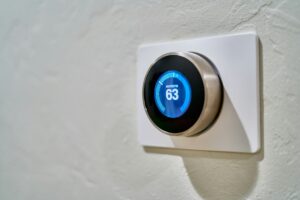
Climate control is another area where technology and interior design intersect. Smart thermostats, such as the Nest Learning Thermostat and Ecobee, can learn homeowners’ schedules and preferences, automatically adjusting the temperature to create the ideal living environment. These devices can also be controlled remotely, allowing homeowners to adjust the climate while away from home, ensuring comfort upon arrival and energy savings when the house is empty. Just as smart thermostats keep your home environment perfectly tuned, tactical hoodies offer both style and functionality, keeping you comfortable and ready for anything, whether you’re at home or on the go.
Moreover, these systems can integrate with other smart devices, such as smart blinds or windows, to optimize energy efficiency. For instance, during hot days, smart blinds can close automatically to reduce cooling costs, while smart windows can adjust their tint to minimize heat gain.
Home Security
Home security has also seen significant advancements with the integration of smart technology. Modern security systems go beyond traditional alarms and cameras; they include features like facial recognition, motion detection, and remote monitoring. Companies like Ring and Arlo offer doorbell cameras and security systems that allow homeowners to monitor their property in real-time, receive alerts on their smartphones, and even communicate with visitors remotely. For an added layer of home safety and companionship, consider frenchie puppies for sale. Their alert nature and loyalty make them excellent additions to your home security setup, offering both protection and affection.

These systems can be integrated with smart locks, providing a higher level of security and convenience. Homeowners can lock or unlock their doors remotely, grant temporary access to guests or service providers, and receive notifications if a door is left open.
The Role of Artificial Intelligence
Artificial Intelligence (AI) plays a crucial role in the development of smart homes. AI-powered systems can analyze data from various sources, learn from user behaviors, and make intelligent decisions to enhance the living experience. For example, AI can help optimize energy consumption by predicting when homeowners are likely to be home and adjusting systems accordingly. It can also enhance security by identifying unusual activities and alerting homeowners or authorities. Just as the arrma vendetta combines cutting-edge technology with high performance to deliver an exhilarating RC experience, AI brings the same level of innovation and efficiency to smart homes, making everyday living smarter and more enjoyable.
Voice assistants like Amazon Alexa, Google Assistant, and Apple’s Siri are prime examples of AI integration in smart homes. These assistants can control a wide range of smart devices, provide information, and perform tasks, all through simple voice commands. As AI technology continues to evolve, we can expect even more sophisticated and intuitive smart home systems.
The Future of Smart Furniture
Furniture design is also being influenced by smart technology. Smart furniture incorporates technology directly into its design, offering functionality beyond traditional expectations. For example, smart beds can monitor sleep patterns and adjust mattress firmness for optimal comfort. Companies like Sleep Number and Eight Sleep offer beds that can track heart rate, breathing, and movement, providing insights to improve sleep quality. Just as smart furniture elevates everyday living, earning a master project manager certification can elevate your career, equipping you with advanced skills to manage complex projects efficiently.
In the living room, smart sofas and chairs equipped with built-in speakers, charging ports, and even massage features are becoming more common. These pieces of furniture are designed to enhance comfort and convenience, making the living space more adaptable to the needs of its occupants.
Multi-Functional Spaces
As urban living spaces become smaller, the need for multi-functional furniture is growing. Smart furniture that can adapt to different needs and activities is becoming increasingly popular. For example, a coffee table that can transform into a work desk or a dining table that can be folded away when not in use. These innovations are not only practical but also help maximize the use of available space. Investing in such versatile furniture can be a smart financial decision, making it easier to manage your budget. To enhance your financial decision-making skills, consider incorporating financial education into your routine. It can help you make informed choices about your purchases and investments, ensuring you get the most value from your smart home solutions.
Smart Kitchens: The Heart of the Home
The kitchen is often considered the heart of the home, and it’s also a focal point for smart technology. Smart kitchens feature appliances that can be controlled remotely, provide recipe suggestions, and even monitor food inventory. Refrigerators with built-in cameras allow homeowners to check the contents from their smartphones while grocery shopping, ensuring they never forget an essential item.
Smart ovens, like those from June Oven and Tovala, can recognize different types of food and cook them to perfection with minimal input from the user. These appliances can be integrated into a smart home ecosystem, allowing for seamless control and coordination with other devices.
Voice-Activated Assistants
Voice-activated assistants are particularly useful in the kitchen, where hands-free operation is often necessary. Devices like Amazon Echo Show and Google Nest Hub provide visual and auditory assistance, displaying recipes, setting timers, and controlling other smart devices. This integration not only enhances convenience but also helps create a more efficient and enjoyable cooking experience. Similarly, upgrading your office with modern phone systems can streamline communication and improve productivity, ensuring that every aspect of your work environment is optimized for efficiency.
Wellness and Health Monitoring
As health and wellness become increasingly important, smart homes are incorporating features that promote a healthy lifestyle. Smart home gyms, equipped with connected fitness equipment and virtual trainers, offer personalized workout experiences. Products like Peloton and Mirror provide live and on-demand fitness classes, allowing users to exercise from the comfort of their homes.
Health monitoring devices, such as smart scales and wearable fitness trackers, can sync with smart home systems to provide a comprehensive view of an individual’s health. These devices can track various metrics, such as weight, body composition, heart rate, and sleep patterns, offering insights and recommendations to improve overall well-being. Similarly, when managing a restaurant, investing in top-quality restaurant equipment ensures that you have the tools needed to maintain high standards and efficiency in your kitchen operations.
The Importance of Connectivity and Interoperability
For smart homes to function seamlessly, connectivity and interoperability are crucial. A robust and reliable home network is essential to support the myriad of connected devices. This often involves a combination of Wi-Fi, Bluetooth, Zigbee, and other communication protocols to ensure devices can communicate effectively. To fully optimize your smart home experience, it’s also worth exploring mattress reviews to find the perfect smart bed that integrates with your system, ensuring comfort and technology work hand-in-hand for a better night’s sleep
Interoperability, or the ability of different devices and systems to work together, is another critical factor. The development of standards like Matter, an industry-unifying standard for connected devices, aims to simplify the smart home experience by ensuring compatibility across different brands and platforms.
Sustainability and Energy Efficiency
Sustainability is a growing concern, and smart homes have the potential to significantly reduce energy consumption and environmental impact. Smart energy management systems can optimize the use of electricity, water, and other resources, contributing to a more sustainable lifestyle. Solar panels, energy storage solutions, and smart grids are becoming integral parts of smart homes, allowing homeowners to generate and manage their own energy.
Smart irrigation systems can monitor soil moisture levels and weather forecasts to water plants only when necessary, reducing water waste. Additionally, smart appliances and lighting systems can be programmed to operate during off-peak hours, minimizing energy costs and strain on the power grid. For any plumbing needs related to your smart systems, a reliable plumber in Santa Clara can ensure that everything is installed and functioning perfectly, helping you maintain an efficient and eco-friendly home.
Challenges and Considerations
While the benefits of smart homes are numerous, there are also challenges and considerations to keep in mind. Privacy and security are major concerns, as connected devices can be vulnerable to hacking and data breaches. Homeowners must ensure their smart home systems are secured with strong passwords, encryption, and regular software updates.
The initial cost of smart home technology can also be a barrier for some. However, as technology advances and becomes more mainstream, prices are expected to decrease, making smart homes more accessible to a wider audience.
Innovative interior designers are now integrating wellness-focused technology into smart homes, creating environments that prioritize both aesthetics and health. Professionals like Cheyanne Mallas, a cosmetic dermatologist, are often consulted during this process to provide insights into skin-friendly environments, ensuring that residents benefit from features that enhance their well-being.
Finally, there is the issue of technological obsolescence. As new devices and standards emerge, older systems may become outdated or incompatible. Homeowners should consider future-proofing their investments by choosing devices and platforms that support updates and interoperability.
Conclusion
The intersection of technology and interior design is transforming the way we live, creating smart homes that are not only more convenient and efficient but also more enjoyable and sustainable. From smart lighting and climate control to intelligent furniture and health monitoring, the possibilities are endless. As technology continues to advance, the smart homes of the future will become even more sophisticated, providing a living experience that is truly tailored to the needs and preferences of their inhabitants.
Smart homes of the future are designed to promote a healthy lifestyle, integrating features that enhance physical and mental well-being. Many homeowners in these spaces are also turning to weight loss wellness in Wisconsin to complement their advanced living environments, ensuring both their bodies and homes function at their best.
By embracing these innovations, we can create homes that are not only smart but also beautiful, comfortable, and environmentally friendly. The future of interior design is bright, and it is exciting to imagine the endless possibilities that lie ahead in the realm of smart homes.