
Regenerating Earth’s Systems: How Integrated Waste Treatment Approaches Combat Pollution and Restore Nature
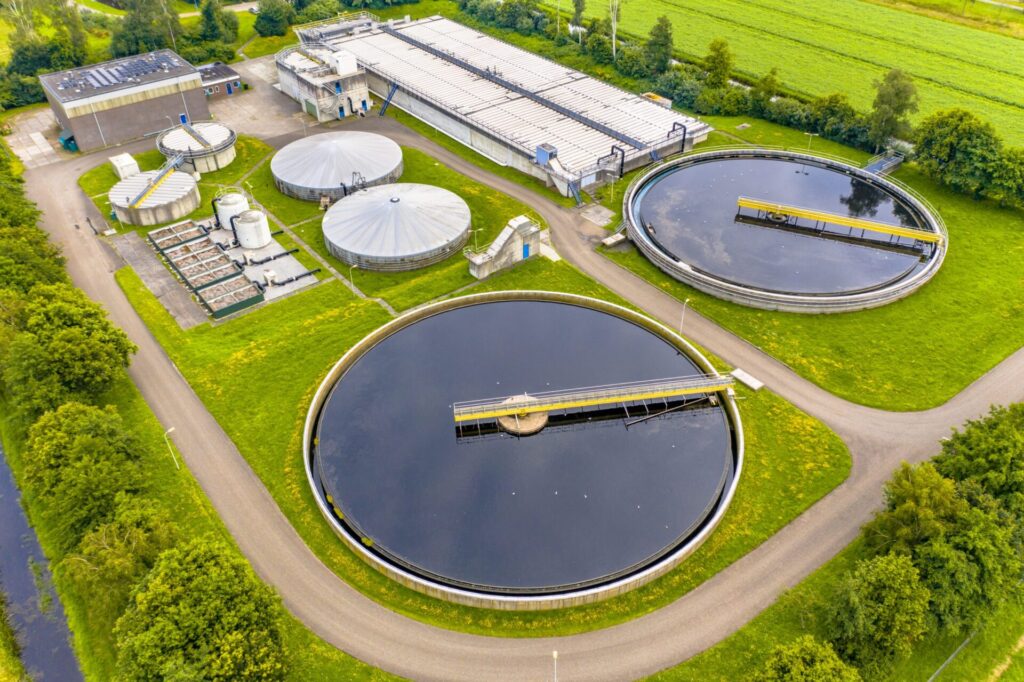
In the heart of modern environmental challenges lies a persistent truth: our planet is suffocating under the weight of its own waste. Landfills stretch like scarred landscapes, rivers choke on plastic, and the air bears the invisible burden of industrial emissions. Yet, amid this bleak picture, a transformative approach is emerging, one that doesn’t just manage waste but leverages it as a catalyst to restore Earth’s systems. Integrated waste treatment is no longer merely a logistical necessity; it has become a cornerstone in the fight to regenerate ecosystems and combat pollution on a global scale.
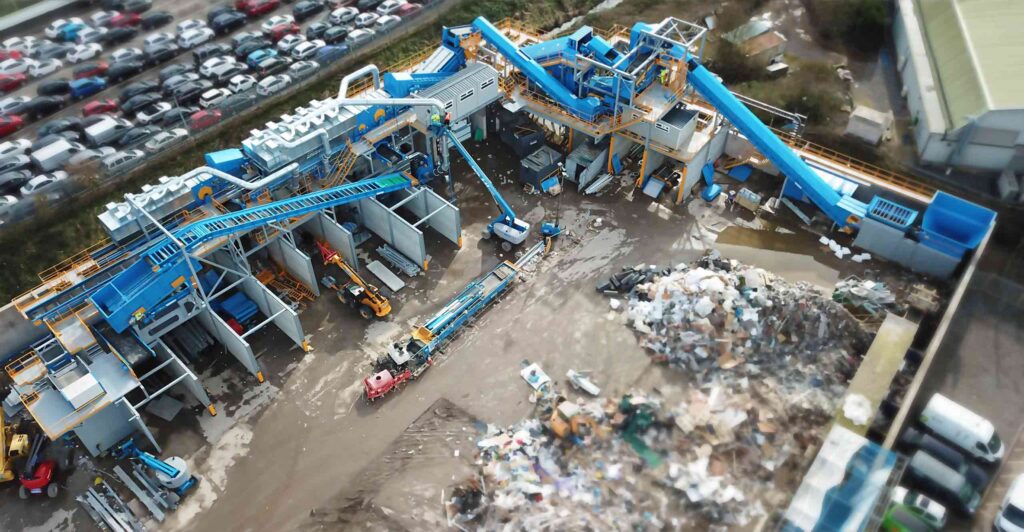
Understanding Integrated Waste Treatment
At its core, integrated waste treatment is a holistic strategy that combines multiple methods of waste management—recycling, composting, energy recovery, and chemical treatment—into a cohesive system. Unlike isolated solutions, which often address a single waste stream or focus solely on containment, integrated approaches recognize that waste is multifaceted, and its environmental impact extends across land, water, and air. By harmonizing these diverse treatment methods, integrated systems aim to reduce environmental pollution, recover valuable resources, and restore the natural balance of ecosystems.
The brilliance of this approach lies in its adaptability. A single city’s waste composition may differ dramatically from another’s due to variations in industry, population density, and consumer behavior. Integrated treatment systems can tailor interventions to local needs, ensuring that organic waste feeds composting facilities, plastics enter recycling streams, and hazardous materials are neutralized safely. This adaptability transforms waste from a problem into a resource, creating pathways for environmental healing rather than degradation.
The Environmental Toll of Untreated Waste
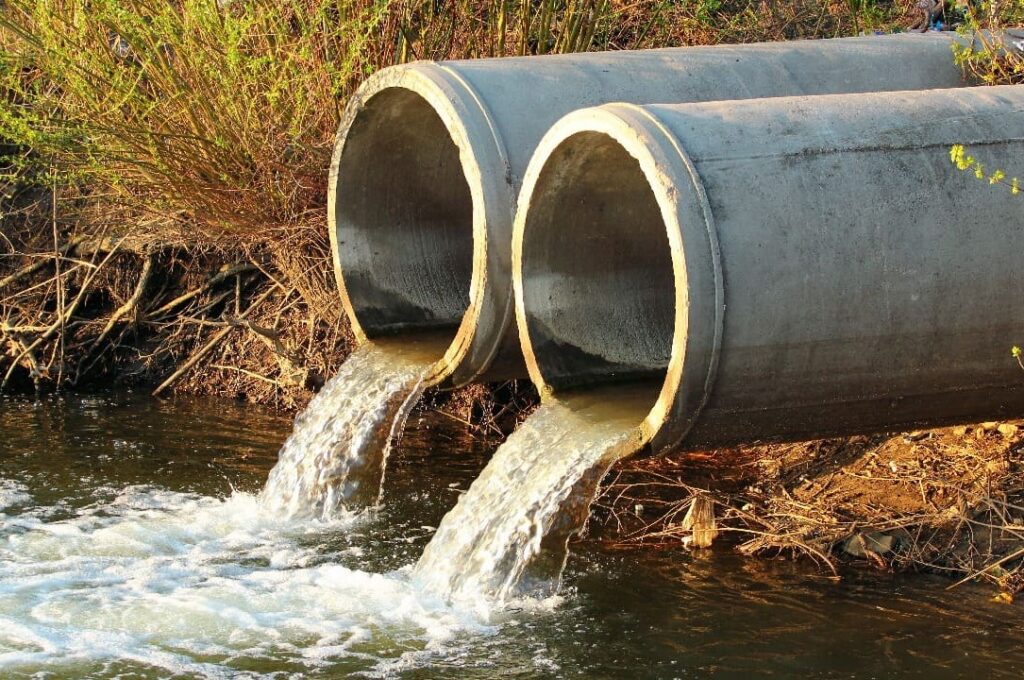
Before delving into the regenerative potential of integrated waste treatment, it is essential to grasp the magnitude of harm caused by unmanaged waste. Conventional disposal methods, particularly landfilling and open dumping, contribute to soil contamination, water pollution, and greenhouse gas emissions. Organic waste decomposes anaerobically in landfills, releasing methane, a greenhouse gas far more potent than carbon dioxide. Toxic chemicals from industrial waste can seep into groundwater, disrupting aquatic life and endangering human health. Plastics, often considered indestructible, fragment into microplastics that infiltrate food chains, impacting organisms from plankton to humans.
Moreover, these environmental disruptions are not isolated—they cascade through ecosystems. Polluted rivers reduce biodiversity, contaminated soils limit agricultural productivity, and air pollutants exacerbate respiratory illnesses in nearby populations. The stakes are high: every ton of untreated waste represents a missed opportunity to restore natural balance and safeguard the planet’s future.
Circularity: Turning Waste Into Resource
One of the most revolutionary aspects of integrated waste treatment is its alignment with circular economy principles. In a linear economy, products are manufactured, used, and discarded. The integrated model flips this paradigm, viewing waste as the endpoint of a process that can be reintegrated into the system. Organic waste, for instance, can be converted into nutrient-rich compost that rejuvenates soils and supports reforestation projects. Plastics and metals, rather than accumulating in landfills, can be recycled into new products, reducing the need for virgin materials and preserving natural habitats from resource extraction.
The impact of circularity extends beyond material conservation. By reducing reliance on raw resource extraction, integrated waste treatment mitigates deforestation, habitat destruction, and water overuse. Each kilogram of waste redirected into productive use represents a step toward environmental restoration. Moreover, the energy savings from recycling metals and plastics translate into lower carbon emissions, reinforcing climate resilience while regenerating ecosystems.
Innovative Technologies Driving Regeneration
Integrated waste treatment is powered by an array of cutting-edge technologies that enhance efficiency and environmental impact. Anaerobic digestion, for example, converts organic waste into biogas, which can be used as a renewable energy source, reducing reliance on fossil fuels. Advanced composting systems ensure that nutrient cycles are maintained without contaminating soils. Meanwhile, pyrolysis and gasification technologies transform plastics and other non-biodegradable materials into fuels or raw chemical feedstocks, diverting them from oceans and landfills.
Beyond energy recovery, chemical and biological treatments play a vital role in detoxifying hazardous waste. Heavy metals, pesticides, and industrial chemicals can be neutralized or immobilized, preventing them from entering ecosystems. By integrating these technologies into a comprehensive waste management framework, cities and industries can achieve a dual goal: reducing pollution while actively contributing to the regeneration of natural systems.
Restoring Soil and Water Systems
The benefits of integrated waste treatment extend far beyond waste diversion—they directly impact the health of soils and water systems. Contaminated soils can be revitalized through composting and biochar application, restoring fertility and enabling sustainable agriculture. Water systems, often the most visible victims of poor waste management, benefit from reduced industrial discharge and improved organic waste handling. Techniques such as constructed wetlands and bioremediation use natural processes to filter pollutants, turning previously degraded waterways into thriving habitats for flora and fauna.
The restoration of these systems is not merely ecological; it has profound social implications. Healthy soils support food security, clean water sustains human populations, and resilient ecosystems buffer communities against climate shocks. Integrated waste treatment, therefore, acts as a bridge between environmental recovery and human well-being, demonstrating that pollution control and ecosystem regeneration are inseparable.
Tackling Air Pollution and Climate Change
Waste treatment is also a crucial front in combating air pollution and climate change. Open burning of waste, a practice still common in many parts of the world, releases toxic fumes and particulate matter into the atmosphere. Integrated systems that capture methane from landfills, convert organic waste into biogas, or incinerate waste in controlled energy-recovery facilities drastically reduce airborne pollutants. By intercepting greenhouse gases before they escape into the atmosphere, these systems contribute to climate stabilization and improve air quality in urban and rural environments alike.
This approach underscores the interconnected nature of environmental challenges: addressing waste is not an isolated task but a multi-dimensional solution that combats pollution, mitigates climate change, and restores ecological balance simultaneously.
The Social Dimension of Waste Treatment
While the environmental benefits of integrated waste treatment are clear, its social impact is equally significant. Community-based waste management programs create local jobs, foster environmental awareness, and encourage participatory stewardship of natural resources. When residents understand that their waste has value—whether as compost for community gardens or as materials for recycling—they become active participants in ecological restoration.
Furthermore, integrated systems often prioritize inclusivity. Informal waste collectors, who are marginalized in conventional disposal models, can be incorporated into formal recycling networks, improving livelihoods while enhancing environmental outcomes.
Global Examples of Integrated Approaches
Across the globe, pioneering initiatives demonstrate the transformative power of integrated waste treatment. In Sweden, for example, waste-to-energy plants efficiently convert household waste into electricity and heat, drastically reducing landfill dependency. Singapore has developed an intricate system of recycling, incineration, and land reclamation that minimizes waste impact on limited land resources. In India, cities like Pune have successfully implemented decentralized composting programs that turn organic waste into valuable soil amendments, rejuvenating urban green spaces.
These examples reveal that integrated waste treatment is not a theoretical concept but a practical, scalable solution.
Overcoming Challenges and Ensuring Sustainability
Despite its promise, integrated waste treatment faces challenges that must be addressed to achieve full regenerative potential. High initial costs, technological complexity, and insufficient infrastructure can hinder adoption. Public resistance, often stemming from lack of awareness or cultural habits, may also slow progress. To overcome these obstacles, governments, industries, and communities must invest in education, innovation, and collaborative governance.
Long-term sustainability hinges on continuous adaptation. Waste streams evolve with population growth, industrial shifts, and changing consumption patterns. Integrated systems must be flexible, incorporating real-time data, predictive modeling, and adaptive management practices. Only by remaining dynamic can these approaches maintain their effectiveness in regenerating Earth’s systems over decades.
A Vision for the Future
Integrated waste treatment represents more than just a technical solution; it embodies a vision for a regenerative future. Imagine a world where rivers run clear, soils are fertile, forests expand, and urban centers produce energy from the very waste they generate. In this future, human activity no longer exists in opposition to nature but in collaboration with it. Every kilogram of waste treated becomes an agent of restoration, every community engaged in recycling becomes a steward of biodiversity, and every technological innovation contributes to a resilient, thriving planet.
The urgency is undeniable. Pollution, climate change, and habitat loss threaten both human and ecological well-being.
Conclusion
Regenerating Earth’s systems is no longer a distant ideal—it is a tangible goal achievable through integrated waste treatment approaches. By combining recycling, composting, energy recovery, and chemical treatment into cohesive strategies, we can mitigate pollution, restore soils and waterways, combat climate change, and revitalize ecosystems. The holistic nature of these systems ensures that environmental, social, and economic benefits reinforce one another, creating a virtuous cycle of regeneration.
In the grand tapestry of ecological restoration, waste is no longer a dark stain but a thread of possibility. Through integrated approaches, humanity can transform the remnants of consumption into the seeds of renewal, demonstrating that the path to a thriving planet lies not in eliminating human impact but in managing it wisely, creatively, and responsibly. The power to restore nature is in our hands, and with every step toward integrated waste treatment, we move closer to a world where Earth’s systems are vibrant, resilient, and alive once more.