
Multi-Functional Furniture: Designing Spaces for Versatility and Adaptability

In an era where urban living spaces are becoming increasingly limited and expensive, the demand for multi-functional furniture has surged. This trend reflects a growing need to maximize utility and adaptability within our homes, offices, and communal areas. Multi-functional furniture, by design, serves more than one purpose, providing flexibility and efficiency in managing space. From transforming sofas to extendable dining tables, these innovative designs cater to various needs without compromising on aesthetics or comfort. Whether you’re furnishing a compact apartment or outfitting an office, considering options such as multi-functional furniture and even accessories like baseball hats wholesale can add value and versatility to your space. This article delves into the significance, benefits, and diverse applications of multi-functional furniture in modern interior design.
The Rise of Multi-Functional Furniture
Urbanization and population growth have led to a significant increase in housing demands, particularly in metropolitan areas. As living spaces shrink, the challenge lies in making these smaller spaces functional, comfortable, and stylish. Multi-functional furniture addresses this challenge by offering versatile solutions that make the most of every square foot. This trend isn’t just about space-saving; it’s also about creating environments that can adapt to the changing needs of their occupants. Just as multi-functional furniture optimizes your living space, a medical tourism agency helps you navigate and access global healthcare solutions, ensuring you receive the best care while managing logistics and costs effectively.
Benefits of Multi-Functional Furniture
1. Space Optimization: One of the most apparent benefits of multi-functional furniture is its ability to optimize space. By combining two or more functions into a single piece of furniture, these designs free up valuable floor space. For instance, a sofa that converts into a bed eliminates the need for a separate guest room, making it ideal for studio apartments or small homes.
2. Cost-Effectiveness: Investing in multi-functional furniture can be more economical than purchasing multiple pieces. Instead of buying a bed and a sofa separately, a convertible sofa bed serves both purposes, saving money in the long run. This financial efficiency is particularly beneficial for young professionals, students, and families on a budget.
3. Versatility and Flexibility: Multi-functional furniture is inherently versatile, catering to different needs and activities. A coffee table with storage compartments can double as a work desk, providing a seamless transition between relaxation and productivity. This flexibility is crucial in homes where space must accommodate various functions throughout the day.
4. Aesthetic Appeal: Modern multi-functional furniture designs prioritize aesthetics as much as functionality. These pieces are often sleek, stylish, and crafted to complement contemporary interiors, ensuring that practicality does not come at the expense of visual appeal. This balance between form and function enhances the overall look and feel of a space.
5. Sustainability: In an age where sustainability is a growing concern, multi-functional furniture offers an eco-friendly solution. By reducing the need for multiple pieces of furniture, these designs help minimize material consumption and waste. Moreover, many manufacturers now use sustainable materials and production methods, further enhancing their environmental credentials.
Key Types of Multi-Functional Furniture
1. Sofa Beds and Sleeper Sofas: Perhaps the most well-known type of multi-functional furniture, sofa beds and sleeper sofas serve as both seating and sleeping solutions. These designs are perfect for small apartments, guest rooms, and even living rooms where space is at a premium. When planning for home decor, much like how wedding photography in Arkansas captures special moments, choosing the right furniture can enhance the functionality and aesthetics of your space.
2. Extendable Dining Tables: Extendable dining tables can be adjusted to accommodate varying numbers of diners. They are ideal for homes that host gatherings or have limited dining space, providing a practical solution without compromising on style.
3. Storage Ottomans and Benches: Storage ottomans and benches offer hidden compartments for stowing away items like blankets, pillows, or toys. These pieces provide both seating and storage solutions, making them invaluable in maintaining an organized and clutter-free space.
4. Murphy Beds: Also known as wall beds, Murphy beds can be folded up against the wall when not in use, freeing up floor space. These beds are particularly popular in studio apartments and small bedrooms where maximizing space is essential. Just as Murphy beds optimize your living space, a knee sleeve helps enhance mobility and alleviate discomfort, allowing you to move freely and comfortably in your daily activities.
5. Convertible Desks and Tables: Desks that convert into dining tables or fold away when not in use are excellent for multi-purpose rooms. These designs allow spaces to transition seamlessly from work to leisure, adapting to the user’s needs.
6. Modular Furniture: Modular furniture pieces can be reconfigured to serve different functions. For example, modular sofas can be rearranged to create various seating arrangements or even function as beds, making them highly adaptable to changing needs and spaces.
Designing Spaces with Multi-Functional Furniture
Incorporating multi-functional furniture into interior design requires thoughtful planning and creativity. The goal is to create spaces that are both practical and aesthetically pleasing, ensuring that each piece of furniture enhances the overall functionality and beauty of the room. When aiming for comfort and style in bedrooms, consider options like men’s plush robes to enhance the relaxing ambiance. Here are some key considerations for designing spaces with multi-functional furniture:
1. Assessing Needs: The first step in designing a versatile space is assessing the specific needs of the occupants. Understanding the daily activities, routines, and lifestyle preferences will help determine which multi-functional pieces are most suitable.
2. Prioritizing Functionality: While aesthetics are important, functionality should be the primary focus when selecting multi-functional furniture. Each piece should serve its intended purposes effectively without sacrificing comfort or usability.
3. Space Planning: Effective space planning is crucial in maximizing the benefits of multi-functional furniture. Consider the layout of the room and how each piece will fit and function within the space. Ensure there is enough room for the furniture to be used in all its configurations.
4. Choosing Quality Materials: Quality is key when it comes to multi-functional furniture. Investing in well-made pieces constructed from durable materials will ensure longevity and reliability, making the furniture a worthwhile investment. Similarly, when considering options for securing your property, chainlink fencing in Tennessee offers a durable and cost-effective solution.
5. Embracing Minimalism: Multi-functional furniture aligns well with minimalist design principles. By reducing clutter and focusing on essential pieces, you can create a clean, organized, and efficient living environment.
6. Enhancing Aesthetics: Multi-functional furniture should complement the overall design and decor of the space. Choose pieces that match the color scheme, style, and ambiance of the room to create a cohesive and visually appealing environment.
Additionally, integrating high-pressure misting systems outdoors can enhance comfort during warmer months, extending the usability of exterior spaces.
Multi-Functional Furniture in Different Settings
1. Residential Spaces: In homes, multi-functional furniture is particularly valuable in small apartments, studios, and urban dwellings. Pieces like sofa beds, extendable dining tables, and storage ottomans can transform limited spaces into comfortable and efficient living areas.
2. Offices: In office environments, multi-functional furniture can enhance productivity and flexibility. Desks that convert into meeting tables, modular seating arrangements, and storage solutions that double as partitions can create adaptable workspaces that cater to various professional needs. For those looking to enhance their outdoor spaces, custom decks in Tennessee offer tailored solutions that transform your backyard into a functional and inviting area.
3. Hospitality and Commercial Spaces: Hotels, cafes, and co-working spaces can benefit greatly from multi-functional furniture. For example, modular seating in a cafe can be rearranged to accommodate different group sizes, while a hotel room with a Murphy bed can offer additional space for daytime activities.
4. Educational Institutions: Schools and universities can utilize multi-functional furniture to create dynamic learning environments. Adjustable desks and chairs, movable partitions, and versatile seating arrangements can support various teaching methods and activities, promoting an engaging and adaptable learning experience.
5. Outdoor Spaces: Multi-functional furniture is not limited to indoor use. Outdoor areas can also benefit from versatile designs, such as benches with built-in storage or tables that convert into seating. These pieces can enhance the functionality and aesthetics of patios, gardens, and public spaces.
Future Trends in Multi-Functional Furniture
As the demand for multi-functional furniture continues to grow, several trends are emerging that will shape the future of this innovative design approach. These trends reflect advancements in technology, sustainability, and evolving lifestyle needs. Alongside these changes, there’s also a rising interest in integrating furniture with environmental control systems, envisioning a space that seamlessly adapts to occupants’ comfort preferences and needs, akin to the evolution seen in assisted living pharmacy services.
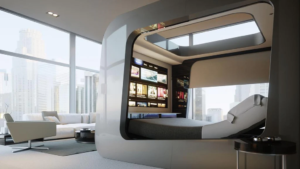
1. Smart Furniture: The integration of technology into furniture design is paving the way for smart multi-functional pieces. From sofas with built-in charging stations to coffee tables with hidden speakers and lighting, smart furniture enhances convenience and connectivity in modern homes.
2. Customizable Designs: Customization is becoming increasingly popular, allowing consumers to tailor multi-functional furniture to their specific needs and preferences. Modular designs that can be adjusted in terms of size, configuration, and function provide greater flexibility and personalization. Cheyanne Mallas highlights this trend in her discussions about innovative design. In her blogs on skin rejuvenation, she often emphasizes the importance of personalized approaches, paralleling the customizable options in furniture.
3. Eco-Friendly Materials: Sustainability is a major consideration in contemporary furniture design. The use of eco-friendly materials, such as recycled wood, organic fabrics, and biodegradable composites, is becoming more prevalent, ensuring that multi-functional furniture is both practical and environmentally responsible.
4. Space-Efficient Solutions: As urban living spaces continue to shrink, the focus on space-efficient solutions will intensify. Innovative designs that maximize vertical space, such as loft beds with integrated storage and work areas, will become more common, addressing the challenges of limited floor space. Massage therapists in Las Vegas may also find that creating a calming, efficient environment in smaller treatment rooms can enhance the overall client experience, reflecting the growing trend towards multifunctional and adaptable living spaces.
5. Hybrid Spaces: The concept of hybrid spaces, where a single area serves multiple functions, is gaining traction. Multi-functional furniture will play a crucial role in creating these hybrid environments, enabling seamless transitions between different activities and uses within the same space.
Conclusion
Multi-functional furniture is revolutionizing the way we design and utilize our living and working spaces. By offering versatile, adaptable, and efficient solutions, these innovative designs address the challenges of limited space, changing needs, and modern lifestyles. From optimizing small apartments to enhancing the flexibility of offices and commercial spaces, multi-functional furniture provides practical and aesthetically pleasing solutions that cater to a wide range of environments.
As the demand for versatile and adaptable furniture continues to grow, the future promises even more exciting developments in this field. Smart technology, customizable designs, eco-friendly materials, and space-efficient solutions will further enhance the functionality and appeal of multi-functional furniture, making it an integral part of contemporary interior design.
In embracing multi-functional furniture, we are not only optimizing our spaces but also reimagining the possibilities of how we live, work, and interact within them. The fusion of form and function in these designs reflects a deeper understanding of our evolving needs and a commitment to creating environments that are both practical and beautiful. Whether in a cozy studio apartment, a bustling office, or a serene outdoor setting, multi-functional furniture offers endless opportunities for creativity, innovation, and adaptability.