
How to Mix and Match Rugs with Your Modern Furniture and Decor
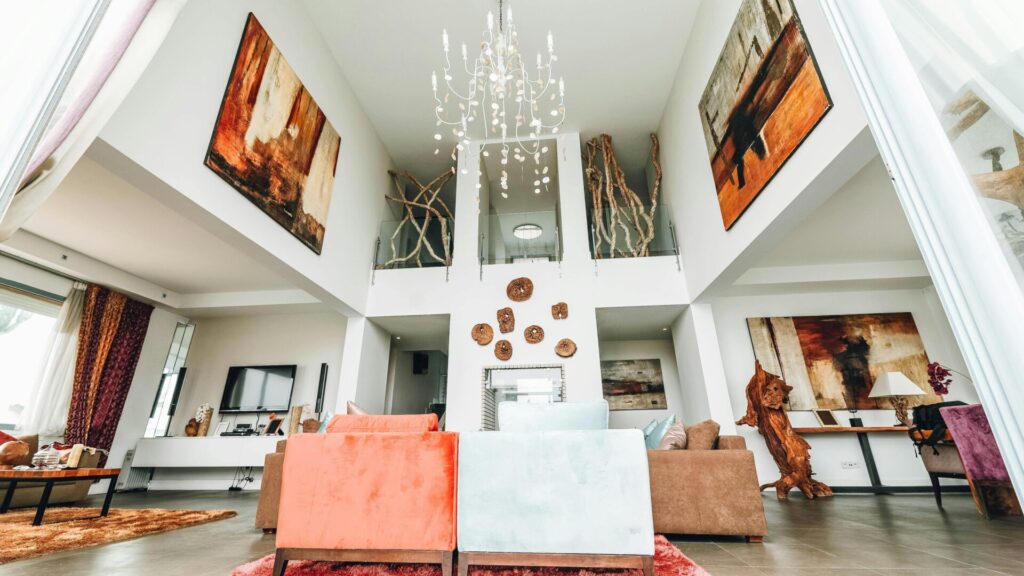
Decorating your home can be an exciting and rewarding process, but sometimes finding the perfect balance between furniture, decor, and accessories like rugs can be tricky. Rugs are often the centerpiece of a room, providing not only visual appeal but also comfort, warmth, and even an emotional connection to a space. When chosen correctly, they can tie the whole room together and elevate the modern aesthetic of your home. However, mixing and matching rugs with modern furniture and decor requires an understanding of texture, color, pattern, and scale to achieve a cohesive look.
In this article, we’ll explore how to successfully integrate rugs into your modern interior, giving you the tools you need to create a space that feels harmonious and stylish. Whether you’re pairing a sleek, minimalistic rug with bold contemporary furniture or using traditional patterns to soften a modern setting, knowing how to combine the right elements is key.
Understanding the Role of Rugs in Modern Design
In modern design, rugs serve multiple purposes. They can define zones in an open-plan space, add texture, and even introduce color and patterns without overwhelming the design. They often serve as a unifying element that ties various furniture pieces and decor together, creating a visual flow throughout the room. When working with modern furniture, which is often minimalist and streamlined, the right rug can add the necessary warmth and texture to create a cozy and inviting atmosphere. Similarly, just as rugs can transform a space, emergency restoration services in Charlotte can revitalize homes affected by unforeseen damages, restoring both functionality and aesthetic appeal.
One of the first steps in selecting a rug is understanding its function in the room. Are you aiming to anchor a seating area, create a visual border for a dining space, or define a bedroom’s resting area? Each purpose will have an impact on the rug’s shape, size, and placement. The scale of the rug in relation to your furniture is crucial: a rug that is too small will look disconnected from the furniture, while one that is too large may overpower the room. Pay attention to these details to maintain a balanced, cohesive look.
Choosing the Right Rug Shape and Size for Your Space
The first decision when mixing and matching rugs with modern furniture is selecting the right shape and size. Modern spaces tend to have open floor plans, where rugs can delineate areas without walls. Rugs should anchor furniture in a way that complements the layout, ensuring that they fit seamlessly into the room’s design.
For living rooms, one of the most common rug placements is under the sofa and coffee table. The rug should be large enough to fit under the front legs of the sofa, or even entirely under all seating, depending on the desired effect. In dining rooms, the rug should extend beyond the edges of the dining table to accommodate chairs being pulled out. For bedrooms, a rug should be placed so that it covers the area beside the bed, offering a soft landing in the morning.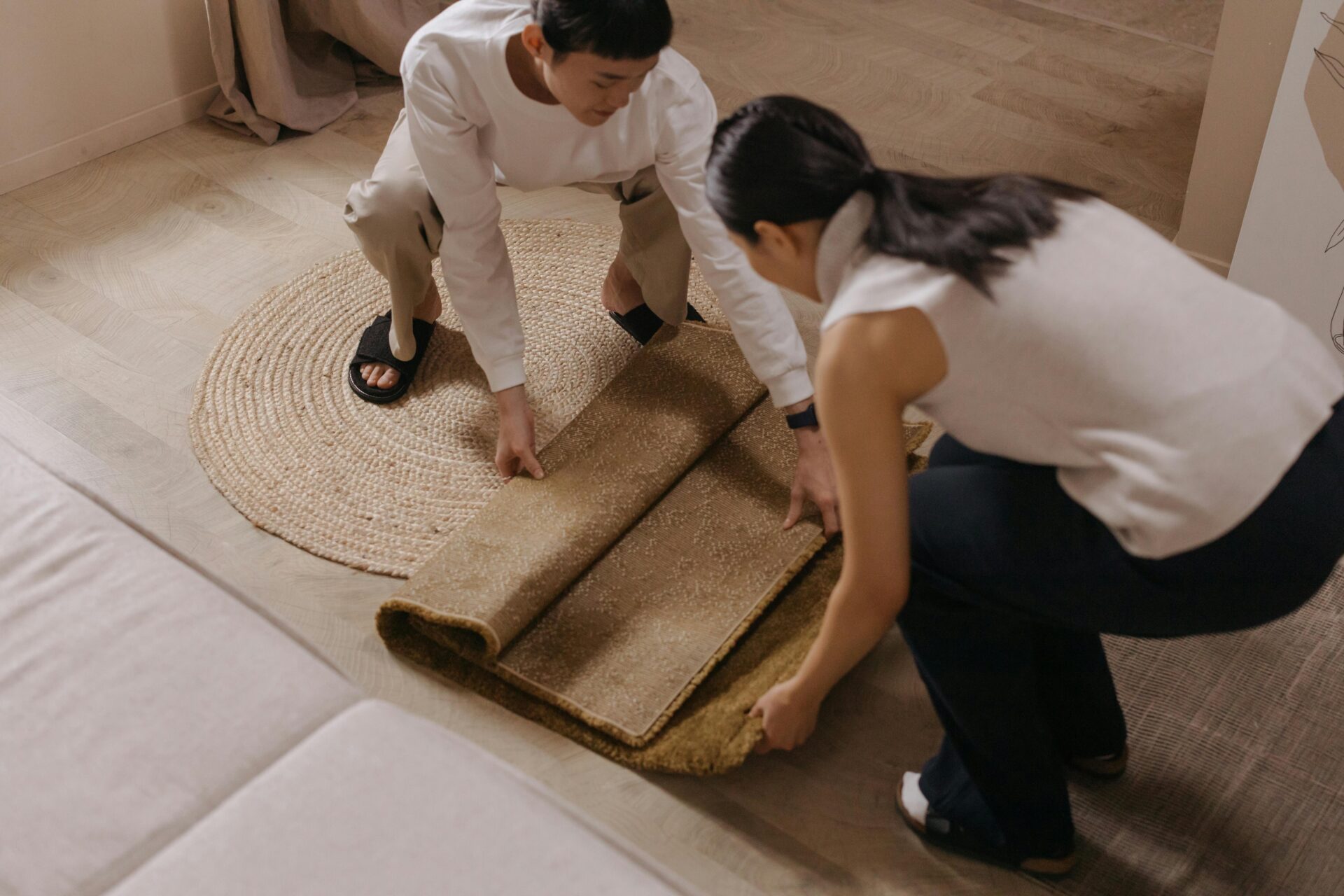
When it comes to the shape of the rug, rectangular rugs are the most common in modern spaces, as they work well with rectangular furniture like sofas and dining tables. However, circular or oval rugs can add interest to the room, particularly when paired with more angular pieces of furniture. The goal is to create a sense of balance and harmony within the room’s layout. This approach is similar to the integration of collaborative robots in workspaces, where careful placement and purpose enhance overall efficiency and flow.
Balancing Color and Pattern in Modern Interiors
One of the most critical aspects of mixing and matching rugs with modern furniture is balancing color and pattern. Modern design often revolves around neutral color palettes with bold accent pieces, so rugs provide an excellent opportunity to introduce color and pattern into the space. However, it’s important to strike the right balance, especially when dealing with intricate designs or bold colors. Much like finding the right plumber in Deerfield Beach for a job that requires precision, selecting the perfect rug is about knowing the right fit for the overall design.
If your furniture is minimalist or solid-colored, a rug can introduce contrast and vibrancy. Bold, graphic patterns, such as geometric shapes or abstract designs, work well with modern furniture, as they can act as a statement piece that adds personality to the space. In such cases, the rug should complement the colors already present in the room, either by matching accent colors or providing a contrasting pop. Be mindful of the overall tone of the room—if you have neutral furniture, bright or contrasting rugs can add energy, but it’s essential not to overcrowd the space with too many competing elements.
On the other hand, if your furniture already has strong patterns or textures, opting for a simpler rug may create the visual harmony you need. Subtle, neutral-toned rugs with minimal patterns or monochromatic tones allow the furniture to be the focal point of the room. For example, a muted, textured rug can work wonders when paired with a brightly patterned sofa or a collection of colorful art pieces. These kinds of rugs often complement modern furniture without drawing attention away from the room’s other details. Similarly, adding promotional products like branded throw pillows or coasters can subtly enhance a space while maintaining its cohesive design.
Mixing Different Textures for a Layered Look
One of the most exciting ways to mix and match rugs with modern furniture is through the use of textures. A rug can act as a way to layer textures in a room, adding depth and tactile appeal to a modern setting. In modern homes, clean lines and minimalist furniture can sometimes create a sense of emptiness or flatness, which is why introducing various textures—such as shag, jute, wool, or silk—can infuse the room with visual interest. Just as selecting the right rug enhances a room, choosing SR22 insurance in Florida ensures the appropriate coverage for specific needs, offering both security and peace of mind.
For example, pairing a plush wool rug with a sleek leather sofa creates an intriguing contrast between softness and sleekness. Similarly, a jute rug placed in a minimalist room adds natural texture that brings warmth to the space without overpowering it. A silk or velvet rug, on the other hand, may work well in a more luxurious setting, complementing furniture with clean lines but high-end finishes. The key is to select textures that not only feel good underfoot but also create a dynamic visual conversation in the space.
While mixing textures is encouraged, make sure that the textures of your rugs do not compete with the textures of your furniture. A high-pile rug may look great with a modern sofa or a contemporary armchair, but pairing it with heavy upholstery or a bulky piece of furniture could create a disjointed look. The goal is to create a seamless, complementary contrast between the different elements in the room.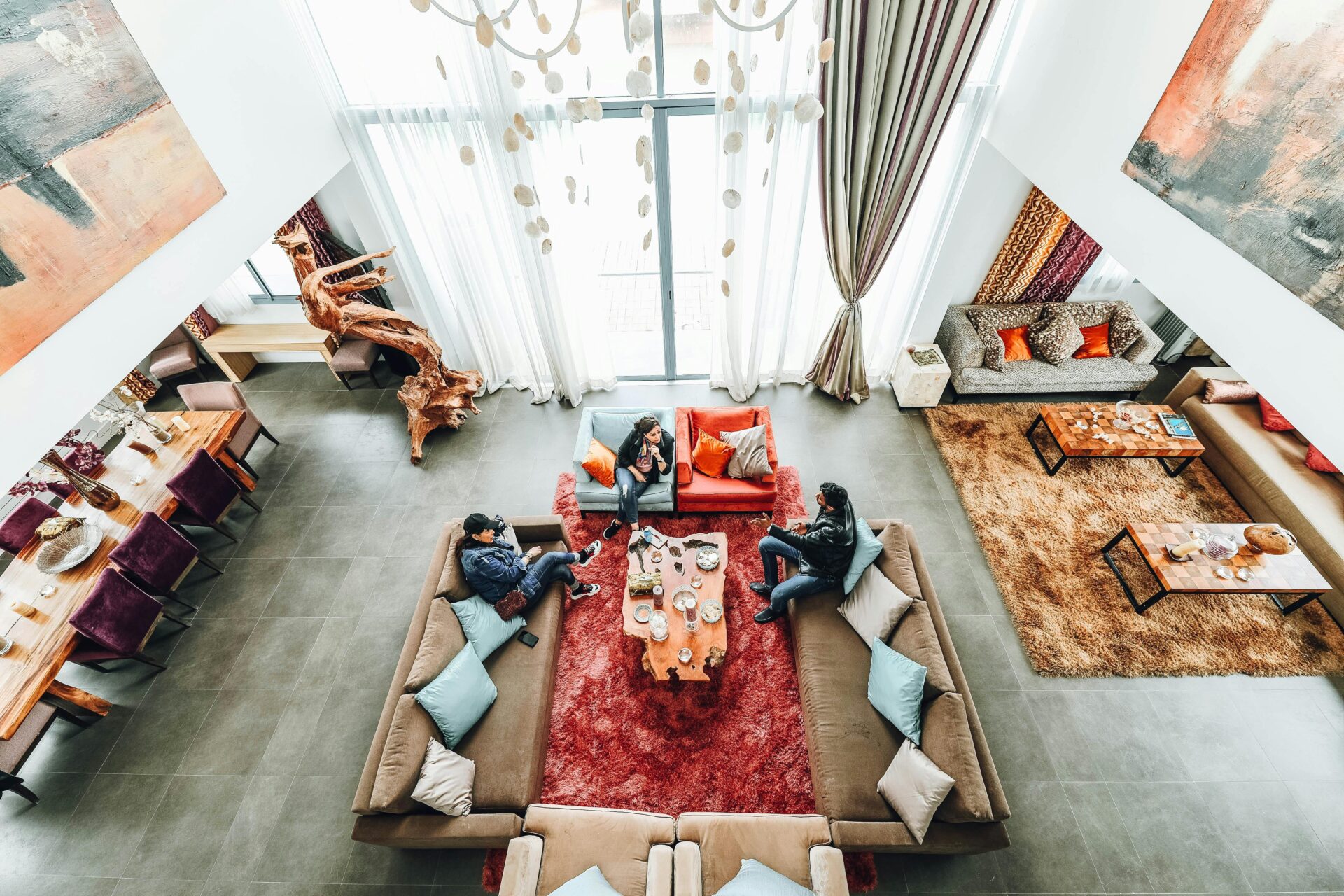
Creating Harmony with a Limited Palette
In modern interiors, simplicity and restraint often define the aesthetic. One of the easiest ways to mix and match rugs with your decor is to stick to a limited color palette. Using shades of the same color family ensures that all the elements in the room work together cohesively, whether you’re using patterned or solid rugs. For example, shades of gray, beige, or blue can be carried across the rug, the walls, and even the furniture. To maintain this cohesive look, regular cleaning services can help keep the space fresh and the colors vibrant.
By limiting the number of bold colors or contrasting patterns in the space, you allow the room to feel more refined and serene. Rugs can serve as accents that either echo the furniture colors or contrast with them in subtle ways, ensuring the overall effect is sophisticated. Additionally, by choosing rugs with a neutral base and small, intricate patterns, you can create interest without overwhelming the space with excessive detail.
Incorporating Cultural and Vintage Rugs into Modern Spaces
While modern design often focuses on clean lines and simplicity, incorporating vintage or culturally significant rugs can add a layer of personality, history, and uniqueness to a room. These rugs bring an eclectic element into modern spaces, providing a sense of contrast and individuality. Just as a plumber in San Antonio can skillfully blend traditional techniques with modern solutions, these rugs harmoniously merge the old with the new to create a distinctive aesthetic.
Moroccan rugs, Persian carpets, and Turkish kilims are popular choices for those looking to infuse their modern homes with a touch of vintage charm. These rugs often feature intricate patterns and bold colors that may seem at odds with minimalist furniture at first, but they can be the perfect focal point in an otherwise simple room. The key is to balance the boldness of the rug with the furniture—using muted or neutral furniture to allow the rug’s design to shine.
Additionally, vintage rugs often come with a rich texture that modern synthetic materials cannot replicate. These rugs offer a sense of craftsmanship and artistry, which can elevate your decor to new heights.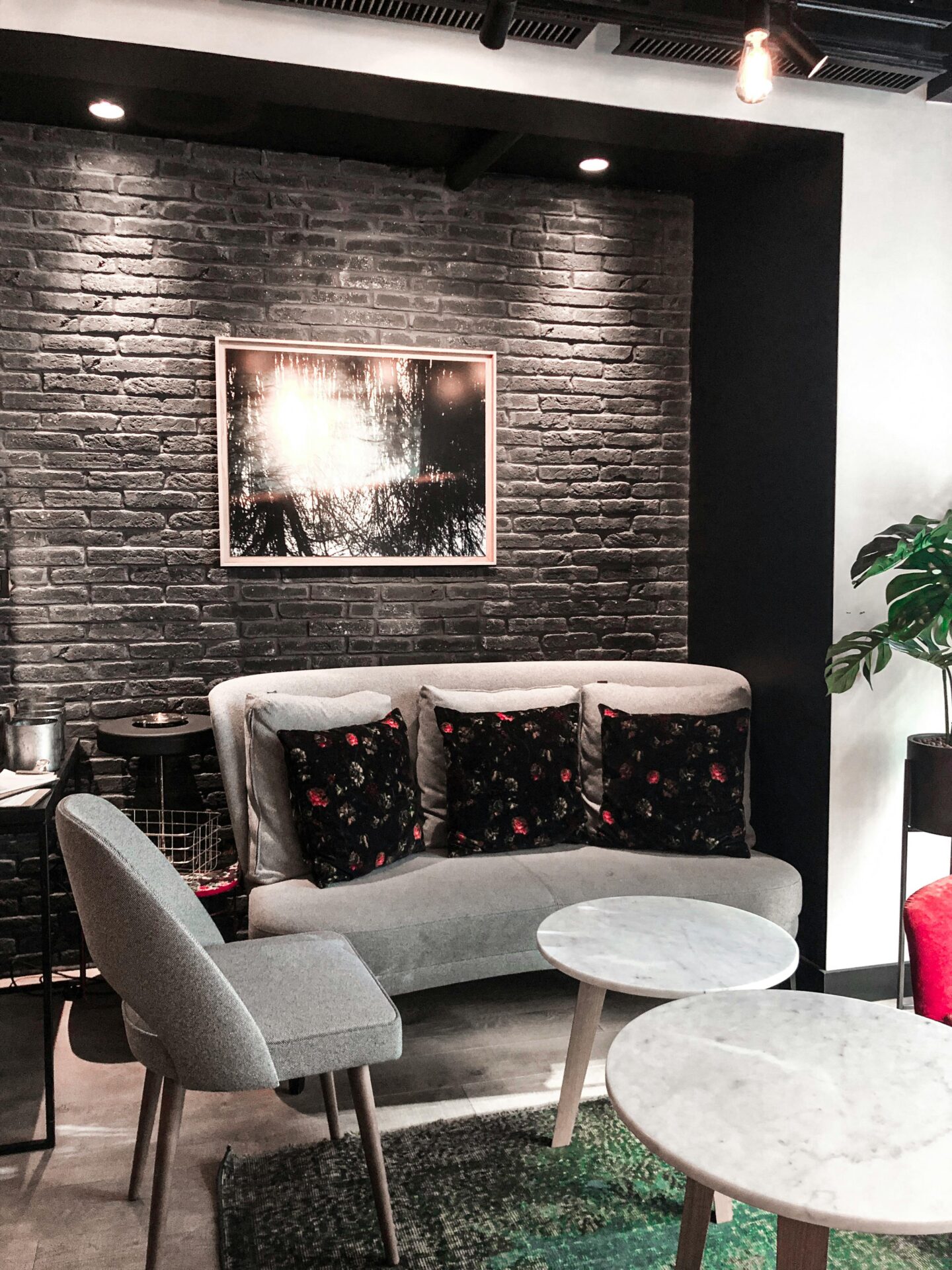
Conclusion: Perfecting the Art of Mixing Rugs with Modern Decor
The art of mixing and matching rugs with modern furniture is about creating balance, contrast, and harmony within your space. By understanding the role of rugs, selecting the right shape and size, and considering the textures, colors, and patterns, you can transform your room into a stylish and inviting environment. Whether you’re adding a statement rug to highlight minimalist furniture or pairing bold patterns to complement modern decor, rugs provide the finishing touch that completes the room’s design. Just as you would seek appliance repair in Birmingham to ensure everything runs smoothly, the right rug can perfect the flow of your room, bringing all elements together seamlessly.
By experimenting with different textures and layers, you can create visual interest and comfort in a space. Furthermore, modern homes are perfect for incorporating vintage or culturally inspired rugs that add personality and warmth to the contemporary aesthetic. Ultimately, the key is finding a balance between the rug and the furniture, ensuring that both elements complement each other without overwhelming the room. With a keen eye for design and an understanding of how to mix and match, rugs can play a pivotal role in creating a harmonious and stylish modern home.