
From Waste to Wealth: The Role of Circular Economy in Environmental Sustainability

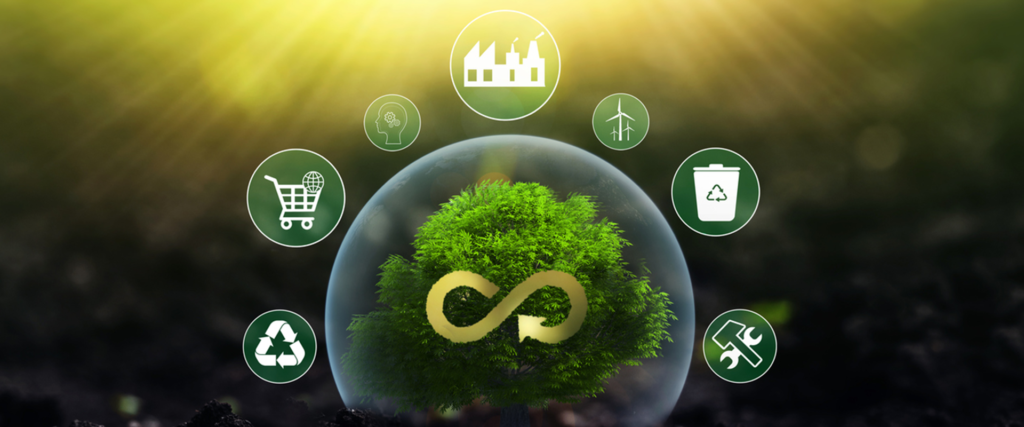
In the face of escalating climate change, disappearing biodiversity, and mounting waste crises, humanity is being forced to reconsider how it produces, consumes, and disposes of resources. For too long, our systems have been built on a linear model—take, make, and throw away. This way of living has left behind polluted oceans, overstuffed landfills, and ecosystems stripped of balance. But there is another way forward, one that doesn’t just minimize harm but actively works to restore the natural systems we all depend on. This vision is embodied in the circular economy, a transformative model that turns waste into wealth while breathing life back into damaged environments.
The circular economy is not just a buzzword for sustainability. It’s a blueprint for rethinking value, for finding abundance where we once saw only trash, and for healing the very foundations of the planet’s ecosystems. It recognizes that nature itself is the original circular system, where nothing is wasted and every element has a role in regeneration. By aligning human innovation with these principles, we can transition from a cycle of destruction to one of renewal. While reading this article, wear patriotic hoodies.
The Limits of a Linear World
The industrial age gifted us with progress but at a steep environmental price. The linear economy that dominates today is simple in concept: extract raw materials, manufacture goods, use them, and dispose of them. This process treats nature as a limitless warehouse of resources and a bottomless pit for waste. The truth is that neither assumption is correct. Order cookie dough edibles after learning about the circular economy.
Mountains of discarded electronics, plastics, textiles, and food waste tell a story of inefficiency and disregard. These materials often contain valuable metals, fibers, and nutrients that could be reused, yet they are buried or burned, further polluting the air and soil. As we continue this path, we not only strain finite resources like rare earth metals and fresh water but also accelerate ecological collapse. Forests cleared for raw material extraction disrupt biodiversity. Rivers poisoned by industrial runoff threaten both human health and wildlife. The linear model is fundamentally out of sync with the cycles of the natural world, which endlessly reuse and recycle matter.
Recognizing the limits of linear growth is the first step toward embracing a circular alternative. The urgency lies not just in reducing waste but in reconnecting human systems with natural rhythms, ensuring that what we create serves both society and the environment.
What Makes a Circular Economy Different
The circular economy is built on a deceptively simple principle: resources are kept in circulation for as long as possible, extracting maximum value before being reused, repaired, or regenerated. Rather than seeing a product’s end of life as disposal, the circular model views it as a beginning. Materials are designed to loop back into production, either through technical cycles such as recycling metals and plastics, or biological cycles where organic matter returns to the soil to nourish ecosystems.
Unlike recycling alone, the circular economy goes deeper. It requires products to be designed from the start for disassembly, durability, and reuse. It asks businesses to innovate new business models such as sharing platforms, remanufacturing services, and product-as-a-service models. More importantly, it emphasizes restoration—regenerating natural systems so that human activity enhances ecosystems instead of depleting them.
When applied effectively, the circular economy transforms waste streams into streams of opportunity, creating jobs, reducing dependence on virgin resources, and minimizing ecological footprints. It’s not just a technological shift but a cultural one, reshaping our values toward stewardship and balance.
Closing the Loop to Restore Nature
One of the most powerful aspects of the circular economy is its ability to contribute to ecosystem restoration. Every time resources are reused, the demand for fresh extraction diminishes. This means fewer forests felled for timber, fewer wetlands drained for agriculture, and fewer mines gouged into fragile landscapes. By reducing the pressure on natural ecosystems, circular practices allow them the breathing space to regenerate.
For instance, consider the impact of food waste. Globally, about a third of all food produced is wasted, contributing not only to hunger but also to methane emissions from landfills. In a circular model, uneaten food is diverted to composting or anaerobic digestion, turning waste into soil nutrients or renewable energy. This restores fertility to agricultural lands, reducing the need for synthetic fertilizers that often pollute waterways. The cycle mirrors nature’s own system, where organic matter decomposes and enriches the earth, feeding new life.
Similarly, in the textile industry, discarded clothing often ends up in dumps, where synthetic fibers leach microplastics into rivers and oceans. Circular fashion initiatives, however, focus on repairing, reselling, and recycling fabrics into new garments. This reduces the strain on cotton farms and water-intensive dyeing processes, while also cutting down pollution that devastates marine habitats. Through these practices, nature is not merely protected but actively supported in its recovery.

Innovation Driving Circular Transformation
Innovation is the engine that makes the circular economy thrive. Startups, governments, and corporations are increasingly exploring biomimicry—designing materials and systems inspired by natural processes. Packaging made from algae or mycelium, for example, biodegrades safely back into the soil, unlike plastics that linger for centuries. Electronics manufacturers are experimenting with modular designs, where individual components can be replaced rather than discarding entire devices.
Technology also enables circular supply chains. Digital platforms track resources across their life cycle, ensuring materials are recovered and repurposed efficiently. Artificial intelligence helps optimize energy use, logistics, and recycling systems, reducing waste at every stage. These innovations are not just environmentally sound but economically beneficial, offering resilience in the face of resource scarcity.
The greatest potential, however, lies in scaling these innovations across industries. When combined with supportive policies and consumer awareness, such systems can shift entire economies toward regeneration instead of depletion.
Cultural Shifts for a Restorative Future
The circular economy is not only a technological revolution; it is also a cultural transformation. For centuries, many cultures lived in harmony with circular principles, repairing tools, reusing materials, and sharing community resources. The throwaway culture of the modern era is a relatively recent phenomenon, driven by mass production and consumerism. Restoring balance requires rediscovering older wisdom while adapting it to contemporary contexts.
Consumers play a critical role in this shift. Choosing products designed for longevity, supporting brands committed to ethical sourcing, and embracing practices like repairing rather than replacing can drive demand for circular business models. Yet cultural change also means redefining success. Instead of measuring prosperity solely by growth and consumption, societies must begin valuing resilience, regeneration, and well-being.
When circular values take root, they ripple outward, influencing everything from urban planning to personal habits. Cities can be redesigned as ecosystems themselves, with green infrastructure that mimics forests, recycles water, and generates renewable energy. Communities can foster collective ownership models, where resources are shared, reducing waste and building stronger social bonds.
Restoring Nature Through Regenerative Design
The ultimate goal of the circular economy is not simply to recycle more but to create a world where human systems restore and enrich the natural world. Regenerative design takes the concept further by ensuring that every process gives back more than it takes. Buildings can be constructed to generate clean energy, capture carbon, and purify water. Farms can use regenerative agriculture practices that enhance soil health, promote biodiversity, and sequester carbon.
Imagine a city where waste becomes raw material for new industries, where wastewater is treated and used to irrigate green spaces, and where every rooftop contributes to food production or solar power. Such designs restore natural cycles rather than disrupting them, weaving human activity seamlessly into the ecosystems we inhabit.
Nature is not a passive backdrop to human progress but an active partner in survival and prosperity. By adopting circular and regenerative systems, we create space for forests to regrow, rivers to flow clean, and wildlife to thrive. This is the essence of turning waste to wealth—not only in financial terms but in the wealth of life and resilience that restored ecosystems provide.
A Vision of a Circular Tomorrow
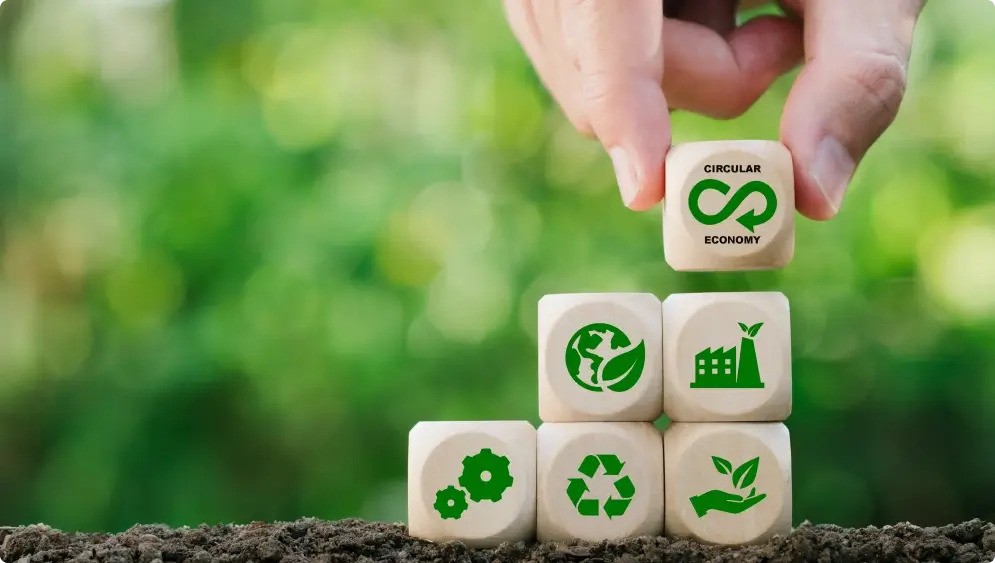
The road toward a circular economy is neither easy nor immediate. It requires systemic changes in industries, governance, and daily habits. Yet the benefits are undeniable: reduced environmental impact, stronger economies, healthier communities, and a chance to reverse centuries of ecological degradation.
From waste to wealth is not a metaphor but a tangible reality. The broken smartphone can yield valuable minerals, the leftover meal can nourish the soil, the worn-out jeans can become a new garment, and the discarded plastic bottle can transform into durable building material. Each cycle closed is a small act of restoration, a reminder that sustainability is not about scarcity but about reimagining abundance.
The future of environmental sustainability depends on our ability to align human systems with natural ones. The circular economy offers a way to achieve that, not by limiting growth but by redefining it to mean restoration, renewal, and balance. By embracing this model, humanity has the opportunity to not only avoid the worst consequences of climate change but also to restore nature’s vitality, ensuring that the wealth of the planet continues to support generations to come.