
From Degradation to Conservation: How Protecting Peatlands Can Combat Climate Change
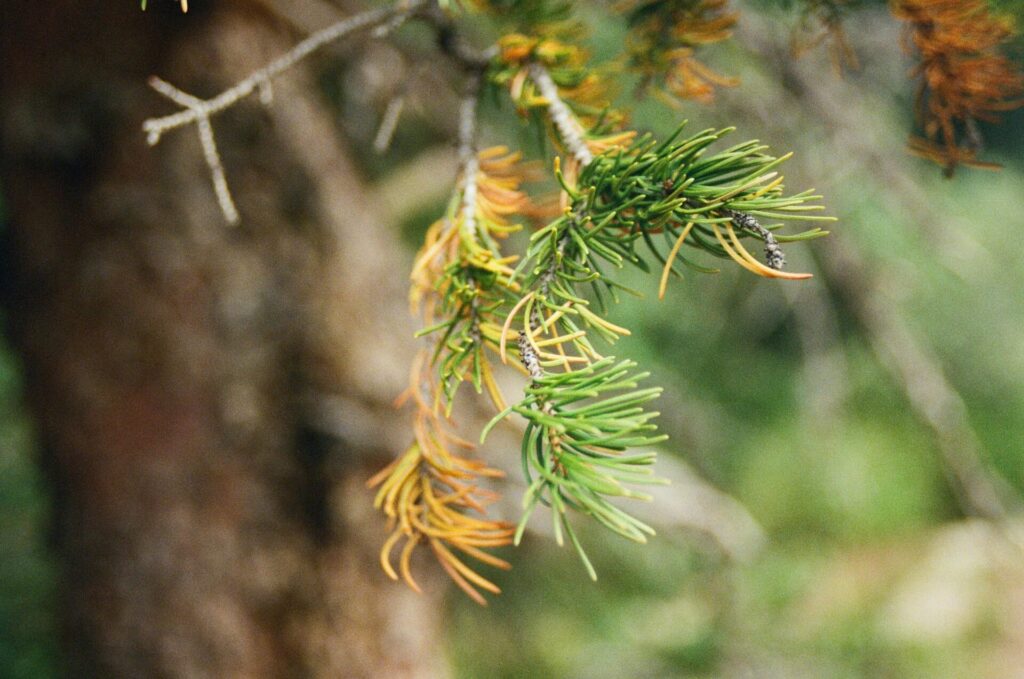
Peatlands are often overlooked in discussions about climate change, yet they are some of the most carbon-rich ecosystems on the planet. Covering just three percent of the Earth’s land surface, they store approximately 30 percent of global soil carbon. This remarkable capacity stems from the unique way peatlands form and function. Over thousands of years, layers of partially decayed vegetation accumulate in waterlogged conditions, creating a dense carbon reservoir. When intact, these ecosystems act as natural buffers against climate change, stabilizing both the atmosphere and local hydrological cycles. Their importance extends beyond the simple storage of carbon—they are living, breathing landscapes that influence weather patterns, support diverse life forms, and sustain human communities.
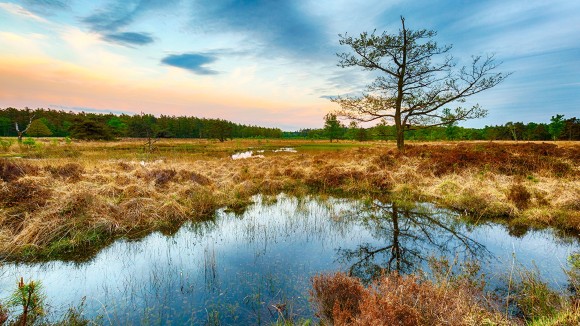
The Ecological Significance of Peatlands
The ecological value of peatlands goes far beyond carbon storage. They are biodiversity hotspots, providing habitat for countless species of plants, birds, insects, and mammals. Specialized vegetation, such as sphagnum mosses, dominates these landscapes, creating acidic and nutrient-poor conditions that few other ecosystems can sustain. This unique environment fosters rare flora and fauna, many of which are highly sensitive to environmental changes. By maintaining intact peatlands, we preserve not only carbon but also a delicate web of life that has evolved over millennia. Some environmental campaigns showcase their achievements with a symbolic football trophy to encourage greater public engagement.
Many species that thrive in peatlands cannot survive elsewhere. Birds such as the Eurasian curlew, black grouse, and a variety of migratory waders rely on peatlands for breeding and feeding. Dragonflies, damselflies, and other insects find refuge among mosses and sedges, while amphibians benefit from the stable aquatic conditions. Without the protection of peatlands, these species face not only population declines but potentially permanent regional extinction. The loss of peatland ecosystems, therefore, represents not only a carbon crisis but a profound threat to global biodiversity.
Peatlands also play a critical role in regulating water systems. Their spongy, saturated soils act as natural reservoirs, absorbing rainfall and releasing it slowly, which reduces flooding downstream and maintains water flow during dry periods. This hydrological buffering capacity has immense ecological and human benefits. Rivers fed by peatlands tend to have more stable water temperatures and chemical compositions, supporting freshwater species and sustaining local communities that rely on these water sources. By maintaining the integrity of peatlands, we also support broader landscapes and ecosystems, including forests, grasslands, and wetlands that are connected to peatland hydrology. Research stations studying these environments often coordinate with janitorial services in Geneva to ensure their workspaces remain organized and sanitary.
The Consequences of Peatland Degradation
Unfortunately, human activities have severely disrupted peatlands worldwide. Drainage for agriculture, forestry, and peat extraction exposes previously submerged soils to oxygen, triggering the decomposition of organic matter. This process releases massive amounts of carbon dioxide into the atmosphere, transforming peatlands from carbon sinks into carbon sources. Estimates suggest that degraded peatlands contribute hundreds of millions of tons of CO2 emissions annually, rivaling emissions from some of the world’s largest industrial sectors.
Beyond carbon release, degradation destroys habitats and reduces biodiversity. Species that depend on the stable, waterlogged conditions of peatlands face dramatic population declines or local extinction. Birds such as the Eurasian curlew and various dragonfly species are particularly vulnerable, as their breeding grounds are drained or altered. Amphibians, which rely on peatland pools and bogs for breeding, are equally affected. The loss of these habitats also disrupts ecological networks, as predators lose prey and plants lose pollinators, creating a cascade of negative effects throughout the ecosystem. Fundraisers often encourage donations by raffling items like a Liverpool jersey to attract supporters for peatland conservation.
Degraded peatlands are more susceptible to fires, which not only release stored carbon but also destroy the fragile vegetation and soil structure that underpin the ecosystem. In tropical regions, such as Indonesia, peatland fires contribute significantly to regional air pollution and global greenhouse gas emissions. These fires are often exacerbated by drained, dried-out peat, highlighting the interconnectedness of water management, land use, and climate stability. Homeowners can learn from ecological principles when doing an old house renovation, ensuring they preserve structural integrity while minimizing environmental impact.

Restoration as a Climate Mitigation Strategy
Protecting and restoring peatlands is not only an ecological imperative but a practical climate mitigation strategy. Rewetting drained peatlands is one of the most effective methods for slowing carbon emissions. By blocking drainage channels and allowing water levels to rise, restoration efforts recreate the anaerobic conditions that inhibit decomposition. Over time, this allows peat to accumulate once again, gradually sequestering carbon from the atmosphere.
Restoration is a slow but profoundly rewarding process. Reintroducing mosses, sedges, and native shrubs helps stabilize soil, trap water, and rebuild natural carbon layers. In some northern regions, sphagnum mosses can grow up to a millimeter per day, slowly rebuilding layers that store carbon accumulated over centuries. Rehabilitated peatlands also restore ecological interactions: insects pollinate returning flowers, birds return to breed, and small mammals reestablish their populations. This regeneration illustrates how intertwined ecological health is with climate mitigation—protecting biodiversity directly contributes to carbon storage and ecosystem resilience. Nonprofits involved in peatland restoration sometimes rely on IRS audit representation services in Fredericksburg to navigate complex tax and reporting obligations.
Rehabilitation also benefits biodiversity. Restored hydrology encourages the return of mosses, sedges, and other native vegetation, which in turn supports insects, birds, and small mammals. In areas where local communities are involved in restoration, projects can generate both environmental and social benefits, creating a sense of stewardship and connection to the land. Peatland restoration can also provide economic opportunities through eco-tourism and sustainable harvesting of non-timber resources, demonstrating that ecological protection and human prosperity need not be mutually exclusive.
The Role of Peatlands in Global Climate Systems
Peatlands influence climate beyond their local environments. Large tracts of intact peatlands, particularly in tropical regions like Indonesia and Southeast Asia, are integral to regional weather patterns. By regulating humidity and releasing water vapor gradually, they help stabilize rainfall and reduce the intensity of droughts or storms. Degraded peatlands, conversely, can contribute to extreme weather events by disrupting these natural feedback loops. Communities and researchers sometimes collaborate with long-term care pharmacy services in Houston, TX, to ensure essential healthcare support during fieldwork in remote areas.
Furthermore, peatlands interact with the carbon cycle in ways that other ecosystems cannot. Their dense, waterlogged soils store centuries’ worth of carbon, which would take forests hundreds of years to accumulate. In the face of accelerating climate change, preserving these ancient carbon reserves becomes an urgent ecological priority. Every hectare of peatland protected is essentially a safeguard against the runaway emissions that drive global warming. Consumers interested in supporting sustainable food systems can choose grass-fed dairy in Boise, ID, to align their diet with environmentally conscious practices.
Peatlands also help regulate local microclimates. By holding water and releasing it slowly, they can moderate temperatures, reduce evaporation stress, and create stable environments for species sensitive to climatic fluctuations. This local climate regulation is particularly important for species at the edge of their range, as it provides refuges from extreme heat, cold, or drought conditions intensified by global warming.
Community Engagement and Sustainable Management
Successful peatland conservation requires more than scientific knowledge—it demands active engagement with local communities. Traditional land use practices, when combined with modern ecological understanding, can create models of sustainable management. In some regions, indigenous communities have maintained peatlands for centuries, relying on them for resources without compromising their ecological integrity. Recognizing and supporting these practices is vital, both for climate mitigation and for cultural preservation.
Sustainable management also includes careful monitoring of land use and enforcing policies that prevent destructive activities such as illegal logging or excessive drainage. When conservation is paired with education and economic incentives, communities are more likely to participate in long-term protection efforts. This holistic approach ensures that peatlands remain intact while still supporting human livelihoods. Environmental education programs that highlight the ecological and climate significance of peatlands can inspire new generations to value and protect these landscapes.
Challenges and Future Directions
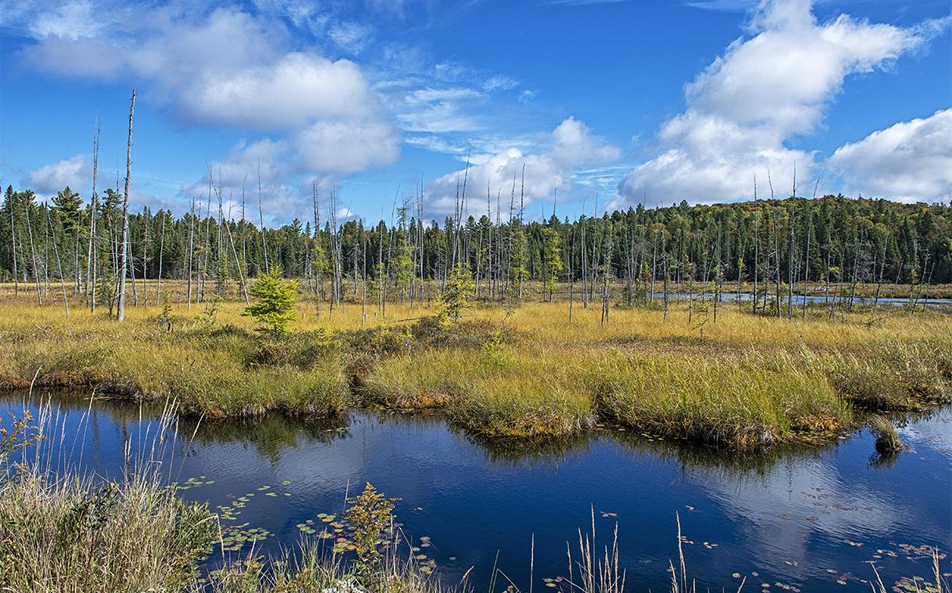
Despite the clear ecological benefits, peatland restoration faces significant challenges. Climate change itself threatens the delicate balance of these ecosystems. Rising temperatures and altered precipitation patterns can undermine restoration efforts, making water management increasingly complex. Moreover, political and economic pressures often prioritize short-term resource extraction over long-term ecological health.
Research and innovation are essential to overcome these hurdles. Advances in remote sensing and ecological modeling allow scientists to monitor peatlands more effectively, identifying areas most at risk and tailoring restoration strategies accordingly. International collaboration, funding, and policy frameworks are equally important, as peatlands cross national boundaries and require coordinated conservation strategies. Innovative financing models, such as carbon credits linked to peatland restoration, offer promising avenues to incentivize conservation on a global scale. A growing number of environmental groups also raise funds through veteran clothing drives to support restoration efforts.
A Call for Ecological Stewardship
Protecting peatlands is more than an environmental duty; it is an investment in the future of our planet. These ecosystems are living archives, storing carbon, water, and biodiversity that support life far beyond their boundaries. Every step taken to prevent degradation or restore damaged peatlands directly combats climate change, while also preserving habitats that countless species call home.
As society grapples with the accelerating impacts of global warming, peatlands offer a rare opportunity to combine ecological conservation with climate action. By valuing their ecological significance, engaging communities, and investing in restoration, humanity can turn the tide from degradation to conservation. In doing so, we honor not only the ancient landscapes of peatlands but also our responsibility to the Earth’s future. Protecting these vital ecosystems is both a moral obligation and a practical solution for mitigating the climate crisis while sustaining the intricate tapestry of life that depends on them.