
Afforestation: Reviving Ecosystems and Reversing Environmental Degradation
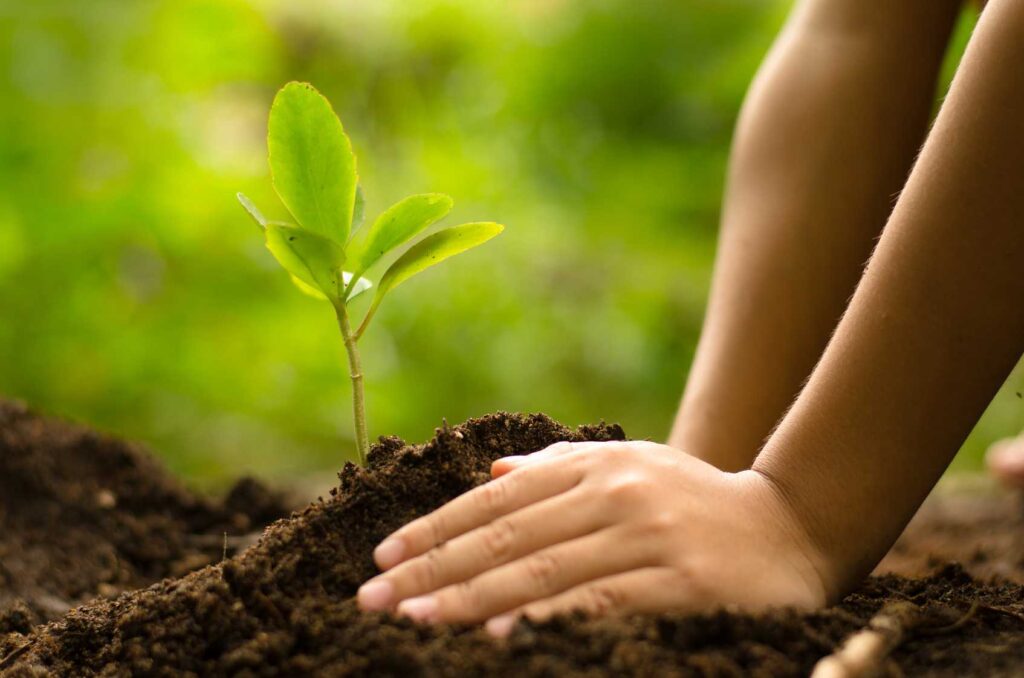
In a world where environmental degradation has become one of the most pressing challenges, afforestation emerges as a beacon of hope. The deliberate planting of trees in areas that were previously devoid of forest cover offers far more than aesthetic appeal; it provides a lifeline for struggling ecosystems, stabilizes climate systems, and restores the delicate balance of nature. Across continents, afforestation is increasingly recognized not merely as a forestry practice but as a powerful environmental intervention capable of counteracting decades of ecological damage.
Healing the Land Through Trees
At the heart of afforestation’s environmental impact lies its ability to rejuvenate degraded land. Soil erosion, often accelerated by deforestation and overgrazing, strips the land of its nutrients, leaving barren, unproductive landscapes. By introducing trees to these areas, afforestation helps anchor the soil with intricate root systems, preventing the relentless wash of rain and wind from carrying topsoil away. The organic matter from fallen leaves and decaying roots gradually enriches the soil, enhancing its fertility and water retention capacity. Over time, what was once infertile ground can support diverse plant life, creating a foundation for ecosystems to flourish again.
In addition to soil restoration, afforestation combats desertification, a phenomenon threatening millions of hectares globally. Arid regions, stripped of vegetation, are prone to extreme temperature fluctuations, diminished rainfall, and the spread of sand dunes. Trees act as natural windbreaks, reducing the velocity of sand-laden winds and moderating local climates. Their presence increases humidity, encourages rainfall, and fosters microclimates where other plants and wildlife can survive. In this way, afforestation becomes a transformative tool, converting degraded lands into verdant, life-supporting landscapes.
Afforestation and Carbon Sequestration
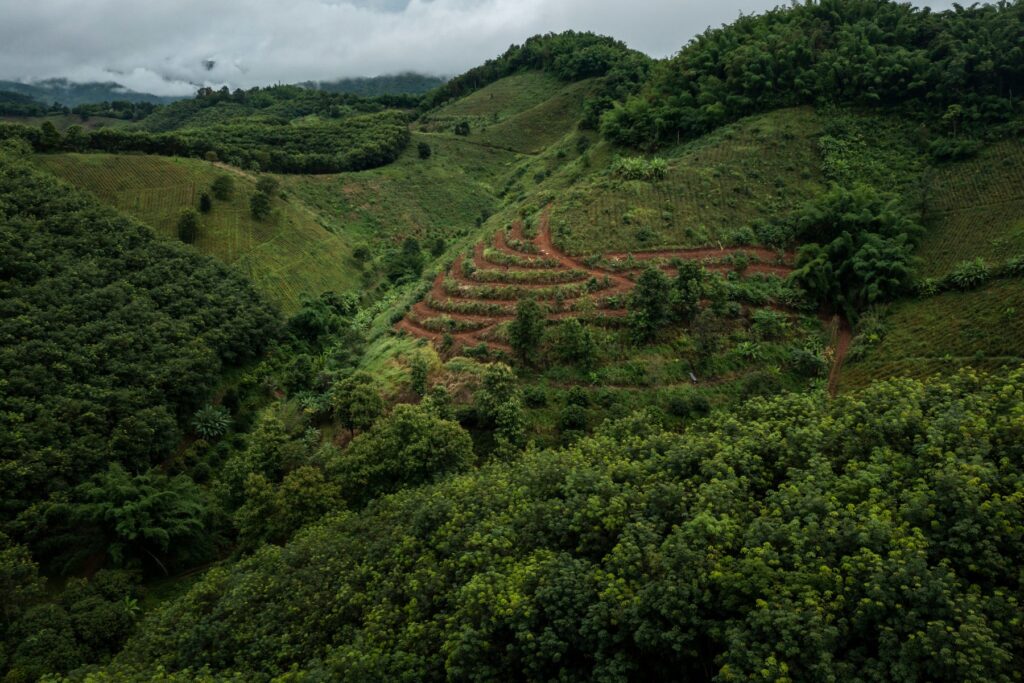
Perhaps the most talked-about environmental benefit of afforestation is its role in mitigating climate change. Forests are the planet’s lungs, absorbing carbon dioxide from the atmosphere and storing it in biomass and soil. As global temperatures continue to rise, the urgency for carbon sequestration has never been greater. Newly planted forests, particularly fast-growing species, can act as significant carbon sinks, drawing down atmospheric carbon and reducing the greenhouse effect. This function is especially crucial in regions where industrial emissions are high, offering a natural complement to technological solutions like carbon capture and storage.
The environmental impact extends beyond mere carbon absorption. Trees regulate local temperatures, reduce urban heat islands, and influence precipitation patterns. Afforestation projects, when scaled up, can alter regional climate dynamics, restoring rainfall to drought-prone areas and cooling overheated landscapes. In addition, by increasing vegetative cover, forests moderate the albedo effect—reducing the amount of sunlight reflected from bare ground and thereby decreasing local warming trends.
Supporting Biodiversity Recovery
Environmental degradation is often accompanied by a tragic loss of biodiversity. As habitats vanish, countless species face extinction, and ecosystems lose the intricate interdependencies that sustain them. Afforestation offers a powerful avenue for biodiversity restoration. By introducing native trees and shrubs, degraded areas can once again become refuges for flora and fauna, attracting birds, insects, and mammals back into the landscape. These forests act as ecological corridors, allowing species to migrate, reproduce, and maintain genetic diversity. Just as a medical malpractice lawyer in Florida carefully examines every detail to protect their client’s well-being, conservationists meticulously plan afforestation projects to safeguard ecosystems.
Restored forests also help in controlling invasive species. In landscapes stripped of native vegetation, invasive plants often dominate, further eroding ecosystem health. Establishing a diverse array of trees through afforestation creates a competitive environment that favors native species, gradually reestablishing ecological balance. Over time, these efforts can lead to self-sustaining ecosystems, where flora and fauna coexist naturally, and the environment thrives without constant human intervention. The experience of walking through these restored forests, especially in winter apparel, reminds visitors of the beauty and resilience of nature even in colder seasons.
Water Cycle Regulation and Hydrological Benefits
One of the less obvious but equally critical environmental benefits of afforestation lies in its impact on the hydrological cycle. Trees play a central role in regulating water flow, replenishing groundwater, and maintaining river systems. Through the process of transpiration, trees release water vapor into the atmosphere, contributing to cloud formation and precipitation. Afforestation in watershed areas has been shown to stabilize river flows, reduce flooding, and improve water quality by filtering sediments and pollutants.
In regions experiencing chronic water scarcity, the establishment of forests can transform local hydrology, enhancing water availability for both human and ecological needs. Additionally, the improved soil structure in afforested areas allows for better infiltration, reducing surface runoff and mitigating erosion. This creates a positive feedback loop: healthier soils support more robust tree growth, which in turn enhances water retention and availability.
Mitigating Air Pollution and Environmental Stress
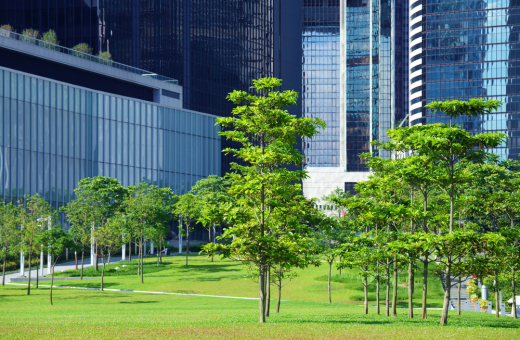
Urban afforestation projects highlight another crucial environmental impact: the reduction of air pollution. Trees act as natural air filters, trapping dust, smoke, and particulate matter on their leaves while absorbing harmful gases such as nitrogen dioxide and sulfur dioxide. In cities plagued by smog and industrial emissions, afforestation initiatives have been shown to lower ambient pollution levels, improving air quality for both humans and wildlife. Beyond chemical pollutants, trees also buffer noise pollution and create cooler, more comfortable microenvironments in urban heat islands.
Moreover, afforestation helps mitigate the cumulative stress of environmental degradation. Areas stripped of vegetation often experience soil compaction, reduced evapotranspiration, and diminished ecosystem services. By restoring tree cover, afforestation reintroduces ecological functions, enhancing resilience to droughts, storms, and other climate extremes. The environmental impact is not just about aesthetics; it is about restoring the Earth’s natural ability to self-regulate and sustain life.
Long-Term Carbon and Climate Benefits
While immediate benefits such as soil stabilization and biodiversity support are critical, the long-term environmental impact of afforestation cannot be overstated. Mature forests act as perpetual carbon reservoirs, sequestering CO2 over decades and even centuries. They provide shade, regulate temperatures, and contribute to cloud formation, which can have far-reaching climatic effects beyond local ecosystems. By strategically selecting tree species and planting in degraded landscapes, afforestation initiatives can counteract centuries of industrial pollution and land mismanagement.
Additionally, the presence of trees helps slow the pace of climate change-induced desertification and drought. In semi-arid regions, afforestation can alter wind and rainfall patterns, creating conditions favorable for further vegetation growth. This positive feedback mechanism illustrates the compounding environmental value of afforestation, showing that every tree planted is an investment in the Earth’s long-term ecological resilience.
Integrating Afforestation with Conservation Strategies
Afforestation’s environmental benefits are maximized when integrated with broader conservation efforts. Protecting existing forests, restoring wetlands, and implementing sustainable land management practices complement tree-planting initiatives. In areas where forests are fragmented, afforestation can reconnect isolated habitats, creating wildlife corridors and ecological networks that support species survival. Additionally, community involvement in tree planting ensures that afforested areas are maintained, monitored, and protected from illegal logging or land conversion.
The success of afforestation as an environmental restoration tool also depends on thoughtful species selection. Native trees are more likely to thrive, support local wildlife, and resist disease, while non-native species can sometimes disrupt ecological balance. By prioritizing ecological compatibility and biodiversity, afforestation becomes a holistic approach to reversing environmental degradation rather than a simple reforestation exercise.
Global Success Stories
Around the world, afforestation has demonstrated tangible environmental impact. In China, the “Green Great Wall” project has transformed millions of hectares of desert into forested land, reducing sandstorms and restoring ecosystems. In Africa, initiatives in the Sahel region aim to combat desertification through large-scale tree planting, revitalizing soils and supporting communities. Even in urban centers like Singapore, tree-covered streets and green belts contribute to cleaner air, moderated temperatures, and improved quality of life. These examples illustrate that afforestation is a proven tool for environmental recovery, adaptable to diverse climates and ecological contexts.

Conclusion: A Path Toward Ecological Restoration
Afforestation is more than a symbolic gesture; it is a tangible, science-backed strategy to restore ecosystems and reverse environmental degradation. From stabilizing soils and replenishing water systems to sequestering carbon and reviving biodiversity, the environmental benefits of afforestation are profound and far-reaching. As the world grapples with the twin crises of climate change and biodiversity loss, planting trees offers a simple yet powerful solution—a reminder that humans can actively participate in healing the planet. Every afforestation project, whether in arid lands, urban environments, or degraded forests, contributes to a larger mosaic of ecological resilience, ensuring that future generations inherit a world that is not only green but alive with the full spectrum of natural life.