
Maximalism Without the Clutter: How to Curate a Bold, Layered Look with Intentionality
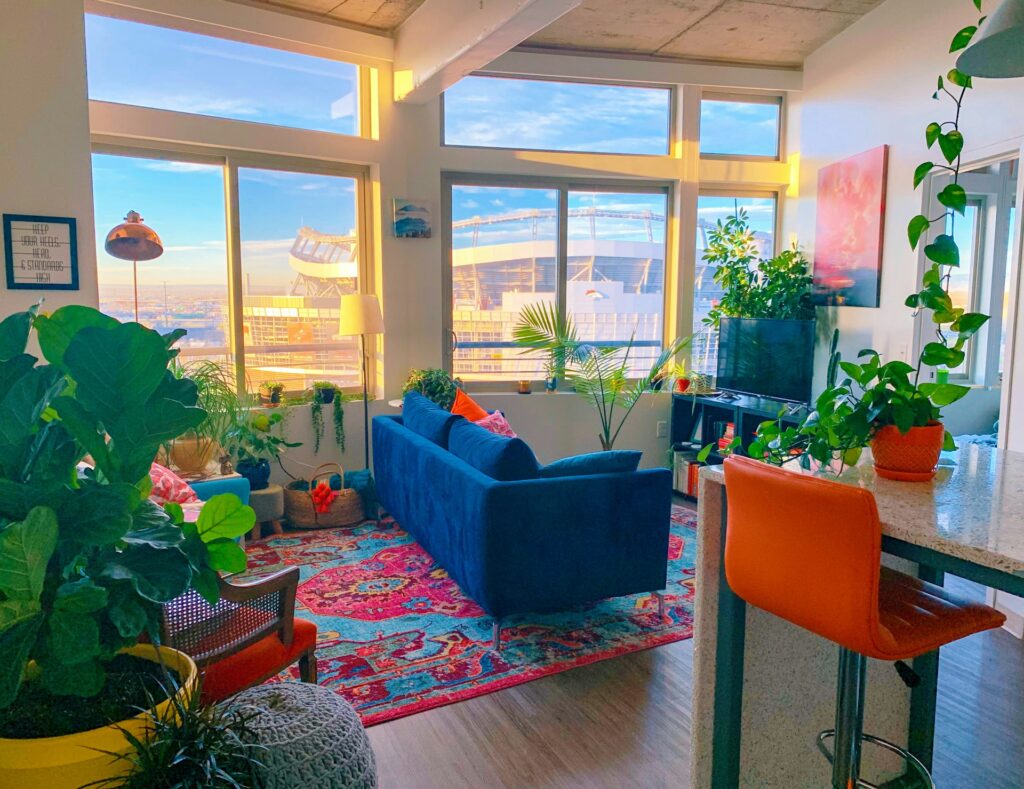
Maximalism is a design approach that celebrates abundance, color, texture, and personality. It’s the complete opposite of minimalism, which relies on restraint, neutral tones, and “less is more” thinking. In maximalism, more is more. However, achieving this look without crossing into chaos requires careful planning. Maximalism is often misunderstood as cluttered or overwhelming, but when done with intentionality, it can create a space that feels vibrant, eclectic, and deeply personal.
In this article, we’ll explore how to embrace maximalism while avoiding clutter, focusing on curation, balance, and the art of layering. A maximalist space should feel collected over time, reflect your unique personality, and incorporate a variety of textures, colors, and patterns. By following a few guiding principles, you can create a bold, layered look that maintains a sense of order and sophistication.
Understand the Foundations of Maximalism
At its core, maximalism is about celebrating abundance, but it doesn’t mean adding as much as you can into a space. Instead, it’s about curating your belongings to reflect your taste, passions, and experiences. Maximalism encourages creativity and personal expression, but to do it successfully, you need to understand how to layer and mix elements without making the room feel chaotic.
To begin, it’s important to view maximalism as a style that requires intentional decisions about what to include. In a cluttered space, items may accumulate with no rhyme or reason. In contrast, maximalism invites you to think carefully about each piece you introduce into the room. Whether it’s a vintage chair, an art collection, or an assortment of books, each item should have a purpose, either functional or aesthetic.
Start by identifying your personal style. Maximalism allows for a wide range of influences, whether you’re drawn to bohemian, art deco, or even classical elements. By understanding your tastes, you can make deliberate choices about the furniture, décor, and accessories that will enhance the room’s overall feel. Mixing and matching styles is key to maximalism, but the goal is to do so with purpose, not haphazardly. Adding ladies’ t-shirts with bold prints to your wardrobe can reflect the same eclectic spirit, blending comfort with personal expression.
The Power of Color and Pattern in Maximalism
One of the most striking elements of maximalist design is the use of bold colors and patterns. These elements can transform a space, bringing energy and vibrancy that minimalism often lacks. However, using color and pattern requires a delicate balance. It’s easy to go overboard, resulting in a space that feels overwhelming rather than curated. In a similar way, wedding photography packages in Springdale can offer a range of styles and options to capture the vibrant emotions of a couple’s big day.
When choosing a color palette for a maximalist room, it’s important to focus on harmony and contrast. Instead of trying to fit every color under the sun into one space, choose a base of complementary or contrasting colors. Jewel tones, rich hues, and bold primary colors are popular in maximalist spaces, but they must be balanced with neutral tones or textures to avoid visual fatigue. For example, a deep emerald green sofa can be grounded by a neutral rug or light walls, allowing the vibrant furniture to stand out without overpowering the space.

Patterns also play a significant role in maximalism. Layering patterns adds depth and interest to a room, but doing it effectively requires a careful approach. Start with a dominant pattern, such as a large geometric rug or floral wallpaper, and then introduce smaller patterns that echo or complement the main design. For example, a patterned throw pillow or blanket can echo the colors or shapes of a larger pattern elsewhere in the room. Mixing scales of patterns, from large and bold to small and intricate, will keep the space visually dynamic without becoming overwhelming. After refreshing your space, a mani-pedi in Flatiron can be the perfect way to treat yourself.
Embrace Layering and Texture for a Rich, Lived-In Feel
Maximalism thrives on the concept of layering, but layering is not about simply adding more objects or furnishings. Instead, it’s about adding depth to a space through texture, material, and even scent. A well-layered room feels cozy, inviting, and full of life, like a home that has been built over years rather than styled in a single day. Similarly, services like managed IT services for specialty dental practices aim to build depth and reliability over time, ensuring the foundation is as secure as the aesthetic is inviting.
Begin by layering different textures into the space. Soft textiles, like velvet curtains, linen cushions, and wool rugs, contrast beautifully with harder materials like polished wood, metal, or stone. This interplay between soft and hard surfaces creates a tactile experience, making the room feel more engaging and comfortable. For example, pairing a velvet sofa with a sleek metal coffee table creates both visual and physical contrast, inviting the eye to explore the space. Similarly, asphalt driveway installation can add a sleek and durable surface to the exterior, enhancing the home’s overall appeal and functionality.
Layering in a maximalist space also involves incorporating objects with varying heights. This is where furniture, art, and décor items can work together to create an immersive environment. Start by positioning larger furniture pieces, like bookshelves or statement chairs, to anchor the room. Then, fill the space with mid-level items like side tables, sculptures, or plants, and finally add smaller pieces, such as books, candles, or vases. This gradual layering of heights and scales prevents the space from feeling flat and monotonous, giving the room dimension and movement. Just as careful layering enhances a room’s aesthetic, selecting the right commercial trucking insurance for new authority ensures your business operates smoothly and securely on the road.
Incorporating various textiles and finishes also contributes to the overall sense of depth. Mix natural materials like jute, cotton, and wool with more luxurious elements like silk, leather, or fur. The result is a space that feels rich and thoughtfully composed, where every surface invites touch and interaction. Similarly, cookies and cream edibles offer a delightful blend of flavors and textures, providing a treat that engages the senses and adds a layer of enjoyment to any gathering.
Curate with Meaning: Display What Matters Most
Maximalism isn’t just about filling your space with random objects; it’s about curating meaningful collections. Every item in a maximalist room should tell a story, evoke a memory, or reflect your interests. Whether it’s a collection of travel souvenirs, inherited family heirlooms, or unique art pieces, these personal touches are what give maximalist spaces their distinct personality.
In the same spirit of curation and engagement, a Read-A-Thon school fundraiser can foster a love for reading while encouraging students to share their literary interests and personal stories with others.
A common misconception about maximalism is that it encourages hoarding or accumulating as much as possible. The opposite is true—maximalism invites you to edit and curate thoughtfully. Avoid clutter by being selective about what you display. Just because maximalism allows for abundance doesn’t mean you should overcrowd surfaces or walls. Instead, treat your belongings like pieces in a gallery, arranging them with care so each one stands out. Use open shelving, wall-mounted displays, or glass cabinets to showcase these items, allowing them to be seen and appreciated without overwhelming the space.
Books are a great example of how to curate maximalist décor. A well-styled bookshelf can serve as a focal point, showcasing not only your literary taste but also your personality. Organize your books by color, size, or theme to create a sense of order within the abundance. Add in personal objects like framed photos, small sculptures, or vases to break up the visual weight of the books and create a more dynamic display.
The Role of Art and Décor in Maximalist Spaces
Art plays a crucial role in maximalist design, acting as both a unifying element and a bold statement. A maximalist room should celebrate art—from large-scale paintings to small prints, sculpture, and even textiles. The key is to curate a diverse array of pieces that work together to tell a story or create a specific mood. This is where you can really showcase your personality, mixing modern art with vintage finds, family photos with abstract pieces, or even large, statement-making works with smaller accents. For an interactive twist, an escape room in Seattle offers a similarly immersive experience, engaging visitors in a space filled with carefully curated details that invite exploration and creativity.
The placement of art is just as important as the art itself. Gallery walls are a popular feature in maximalist homes, allowing you to display a large number of pieces without overwhelming the space. However, the key is balance. While it’s tempting to cover every inch of wall space, leave some breathing room around key areas. This allows each piece to be appreciated individually, while still contributing to the overall aesthetic.
For a more layered effect, mix framed art with other types of wall décor, such as tapestries, mirrors, or woven baskets. The variety of shapes, sizes, and materials adds visual interest and texture to the room, preventing the space from feeling too one-dimensional. Incorporating mirrors into a maximalist space also adds light and depth, helping to reflect the najam auta u Beogradu, combining different car options can enhance your experience, ensuring you find the perfect vehicle to suit your needs while exploring the city.
Maintain Balance and Flow in a Maximalist Design
The challenge with maximalism lies in maintaining balance and flow. While it’s a style that embraces abundance, there’s a fine line between a room that feels intentionally layered and one that feels cluttered. To achieve this, pay attention to the overall layout and the visual flow of the space. Negative space is just as important as the items you include, as it provides moments of rest for the eye and prevents sensory overload. In a similar way, selecting the right house siding in New Jersey can enhance the aesthetic appeal of your home while ensuring durability and protection against the elements.
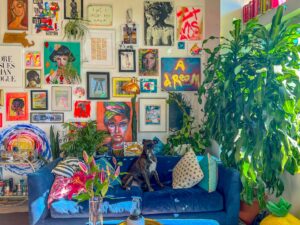
When arranging furniture and décor, think about visual weight. Balance heavier, more substantial pieces like sofas or large cabinets with lighter elements, such as open shelving or delicate lighting. This contrast helps to create a sense of equilibrium in the room. Similarly, avoid placing too many large items in one area of the room, as this can throw off the balance. Instead, distribute furniture and accessories evenly throughout the space. For a balanced lifestyle, vegan supplement bundles provide essential nutrients in a convenient form.
Another way to maintain balance is to create focal points within the room. A maximalist space can have multiple points of interest, but they should be spaced out and connected through a cohesive color palette or theme. For example, if you have a statement wall with bold wallpaper, balance it with simpler furniture or more neutral décor in the surrounding area. This way, the eye is drawn to different areas of the room without feeling overwhelmed by too much happening at once. For travelers, arranging to rent a car at Sarajevo Airport can also help create a seamless experience, allowing for easy exploration of the city’s various focal points and attractions while maintaining a sense of balance in their travel plans.
Lighting also plays a critical role in creating balance. Layer your lighting sources to highlight different areas of the room and draw attention to specific features. Use a mix of overhead lighting, floor lamps, and table lamps to create a warm, inviting atmosphere. The interplay of light and shadow adds depth to the space, emphasizing the textures, colors, and materials in a way that feels intentional rather than chaotic. Similarly, advancements in treatments like stem cell therapy for hair loss offer innovative solutions to those seeking to enhance their appearance and restore confidence, much like carefully curated lighting transforms a space.
Conclusion: Curating Maximalism with Purpose
Maximalism is not about filling your space with random items or clutter. It’s about curation, balance, and the thoughtful layering of elements to create a space that feels vibrant, personal, and lived-in. By understanding the principles of color, texture, and layering, and by focusing on meaningful curation, you can embrace maximalism without crossing into cluttered territory. For those aiming to maximize their fitness routine, creatine monohydrate gummies offer a convenient way to support muscle strength and endurance.
Each item in a maximalist room should have a reason for being there, whether it’s a bold piece of art, a unique piece of furniture, or a collection of personal mementos. The goal is to create a room that feels cohesive and intentional, not chaotic or overwhelming. With careful planning and a commitment to balance, you can achieve a bold, layered look that reflects your unique personality and style, without the mess.