
Bold and Beautiful: The Return of Retro Design in Modern Homes
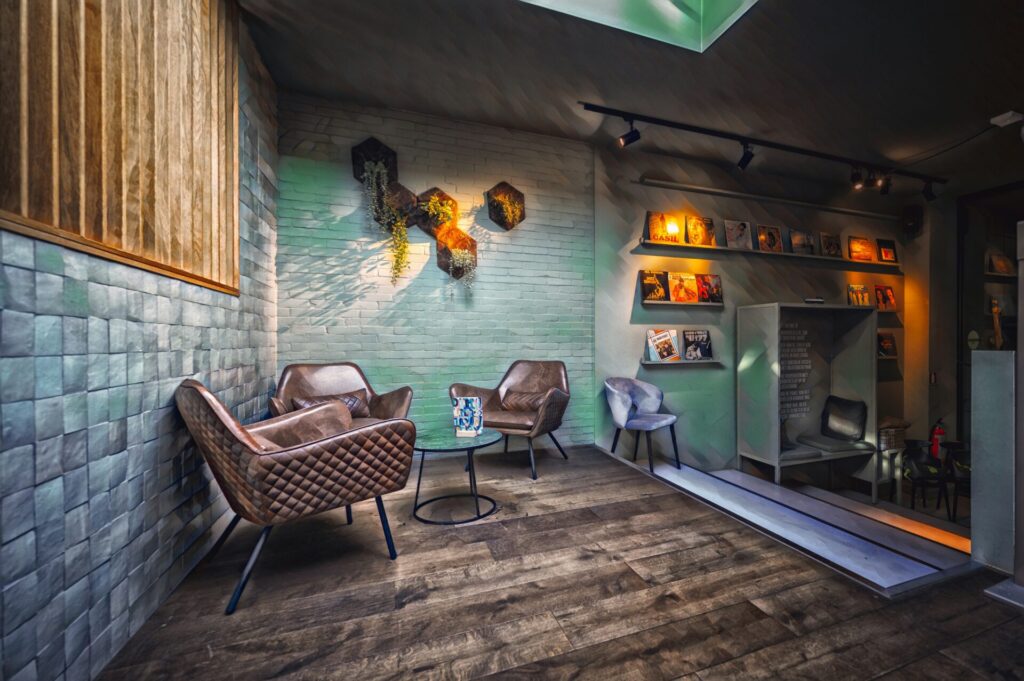
In recent years, there has been a remarkable resurgence of retro design in modern homes, capturing the imagination of homeowners and designers alike. This revival is not merely about nostalgia; it reflects a broader cultural trend toward personalization, sustainability, and the blending of eras in interior design. Retro elements infuse spaces with character and charm, providing a bold contrast to the minimalist aesthetics that have dominated the design landscape. This article explores the factors driving the revival of retro design, its various styles, and how to incorporate these vintage elements into contemporary spaces.
The Allure of Nostalgia in Design
The fascination with retro design is rooted in a collective longing for the past, a sentiment that resonates deeply in today’s fast-paced, digital-centric world. Nostalgia acts as a comforting refuge, evoking memories of simpler times, childhood, and experiences that many associate with joy and warmth. In an era where everything seems to be rapidly changing, retro design provides a sense of stability and continuity.
This nostalgia is reflected in the resurgence of materials, colors, and patterns that defined previous decades. The 1950s, for example, brought forth vibrant pastel colors, geometric shapes, and playful patterns. The bold graphics and lively hues of the 1960s and 1970s introduced a sense of whimsy and creativity into home decor, while the earthy tones and organic shapes of the 1970s appeal to those seeking a connection to nature. Similarly, the rise of services like mobile IV therapy reflects a return to personalized, accessible care that mirrors the comfort and convenience of past decades.
Moreover, the revival of retro design can also be seen as a reaction against the stark minimalism that has characterized much of modern design. While clean lines and open spaces have their merits, many homeowners are increasingly yearning for warmth and personality in their living spaces. Retro design allows individuals to express their unique style and tell their stories through the decor in their homes. By incorporating elements from the past, homeowners can create spaces that resonate with their identity and experiences, thus forming a more meaningful connection to their environment. This approach mirrors the philosophy of a long term care pharmacy, where personalized care and attention to individual needs foster a stronger, more personal connection.
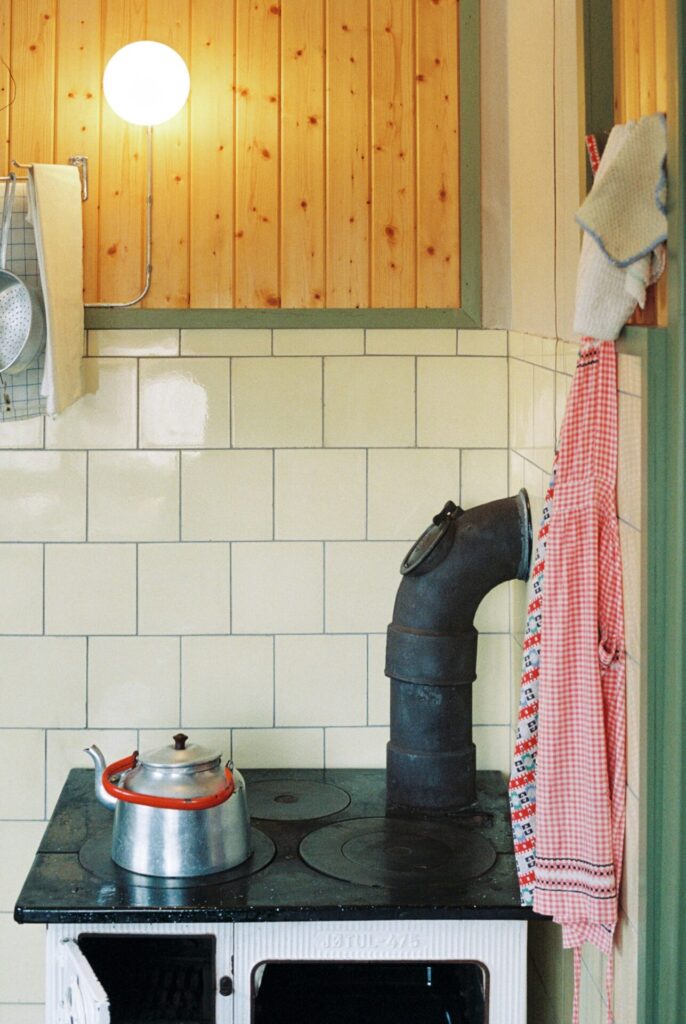
The emotional impact of nostalgia cannot be underestimated. Incorporating retro elements into a home can evoke feelings of comfort, security, and happiness. This emotional connection is particularly significant in a world that often feels disjointed and disconnected. Whether it’s a vintage lamp from the 1960s or a classic mid-century modern sofa, these pieces tell a story, inviting conversations and memories that enrich the home. Similarly, unique additions like sex chocolate can spark curiosity and create memorable moments, adding a playful and unexpected layer to the experience.
Key Retro Styles Reshaping Modern Interiors
As the revival of retro design continues to gain momentum, several distinct styles have emerged, each offering its own unique character and charm. The key retro styles that are particularly resonating with modern homeowners include mid-century modern, Art Deco, and 1970s bohemian.
Mid-century modern, a design movement that flourished from the 1940s to the 1960s, remains a cornerstone of retro design. This style is characterized by its clean lines, organic forms, and functional aesthetics. Furniture pieces like Eames chairs, teak credenzas, and minimalist coffee tables define this era, emphasizing simplicity and elegance. The integration of vibrant colors and natural materials, such as wood and leather, makes mid-century modern design timeless yet fresh.
Art Deco, which peaked in the 1920s and 1930s, offers a more opulent and glamorous take on retro design. With its geometric patterns, bold colors, and luxurious materials, Art Deco brings a sense of sophistication and drama to contemporary interiors. This style is particularly appealing for those looking to make a statement, as it invites bold choices in decor. Elements like mirrored surfaces, chrome finishes, and intricate detailing add a layer of elegance that can elevate any space.
The 1970s bohemian style, on the other hand, embodies a free-spirited and eclectic approach to design. Characterized by earthy tones, mismatched patterns, and a variety of textures, this style encourages homeowners to embrace individuality. Think of macramé wall hangings, shag rugs, and vintage textiles—these elements create a cozy, inviting atmosphere that feels lived-in and warm. As more people seek to personalize their living spaces, the bohemian aesthetic allows for creativity and self-expression.
Blending these retro styles with modern sensibilities has become increasingly popular. Homeowners are experimenting with mixing vintage and contemporary pieces to create unique, layered looks. For instance, pairing a mid-century modern coffee table with a contemporary sofa creates a dynamic contrast that enhances the overall design. This fusion not only pays homage to the past but also reflects the evolving tastes of today’s homeowners. As with choosing the perfect piece for a home, some individuals might also consider how to rent a car in Beograd for their travel needs, blending the old and new in their journey as well.
How to Incorporate Retro Design into Modern Spaces
Integrating retro design into modern homes doesn’t require a complete overhaul; rather, it’s about finding the right balance and making thoughtful choices. Homeowners can start by selecting a few key retro pieces that resonate with their personal style and complement their existing decor. Much like choosing vegan supplements that align with a healthy lifestyle, incorporating retro elements should feel natural and enhance the overall atmosphere without overwhelming it.
One effective way to introduce retro elements is through furniture. Look for vintage chairs, tables, or sideboards that showcase the characteristics of your chosen retro style. For example, a vintage bar cart can add a touch of glamour and nostalgia, while a classic mid-century modern armchair can serve as a statement piece in a contemporary living room. Thrift stores, antique shops, and online marketplaces are treasure troves for unique finds that can easily fit into modern aesthetics. Similarly, when updating your home, consulting a mortgage company in Raleigh NC can help you explore options for financing renovations that incorporate retro design.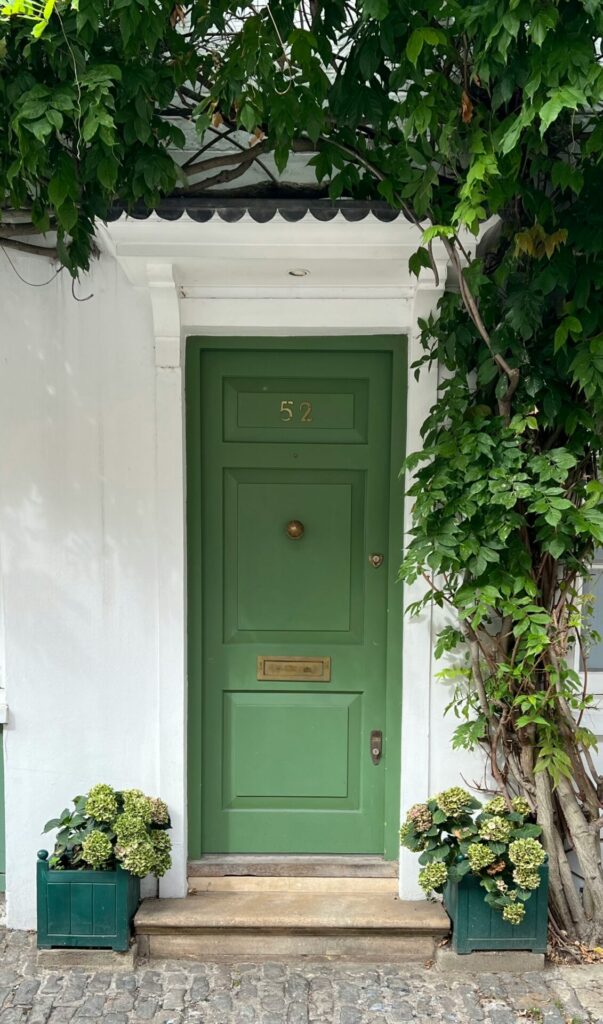
Another approach is to play with color and patterns. Retro design often features bold, saturated colors and distinctive patterns that can enliven any space. Consider adding a vintage-inspired wallpaper or a bold area rug that captures the essence of retro design. Mixing and matching colors can create visual interest and evoke a sense of nostalgia. For instance, pairing earthy tones with vibrant oranges and blues can channel the spirit of the 1970s while maintaining a modern touch.
Accessories are also an important aspect of retro design integration. Vintage lamps, wall art, and decorative objects can easily add a retro flair to any room. Look for pieces that reflect the desired era—an Art Deco sculpture or a set of retro-style dinnerware can serve as conversation starters while enhancing the overall aesthetic. For those who appreciate the meticulous artistry of restoration, a detailing company in Phoenix might inspire similar attention to detail in creating a polished retro look.
Lighting is another critical element. Choosing retro-inspired lighting fixtures, such as pendant lights or table lamps, can dramatically alter the mood of a space. Opting for warm-toned bulbs can further enhance the nostalgic feel, casting a cozy glow reminiscent of bygone eras.
Ultimately, the key to successfully incorporating retro design into modern homes lies in creating a harmonious blend that reflects both personal style and functional needs. Embrace the playful nature of retro design, and don’t shy away from experimenting with different elements. Just as custom cabinets in Oklahoma can be tailored to enhance a home’s unique character, retro design allows for personalized touches that make a space truly one-of-a-kind.
The Environmental Aspect of Retro Design
Beyond aesthetics and nostalgia, the resurgence of retro design is also linked to an increasing awareness of sustainability in home decor. As consumers become more conscious of their environmental impact, many are seeking to reduce waste by choosing vintage or retro items over new products. This shift toward sustainable practices aligns perfectly with the principles of retro design, which often emphasizes quality craftsmanship and timeless aesthetics.
Vintage items are typically made with durable materials and designed to withstand the test of time. By opting for retro pieces, homeowners not only invest in unique items that carry history but also contribute to a circular economy. This approach reduces the demand for fast furniture, which often contributes to environmental degradation due to overproduction and waste.
Moreover, DIY projects that celebrate retro design have gained popularity as people look to upcycle and repurpose vintage items. Restoring old furniture or reimagining outdated decor can provide a fulfilling creative outlet while preserving the charm of the past. DIY enthusiasts can paint, reupholster, or refinish vintage pieces to suit their modern tastes, adding a personal touch to their homes.
The rise of retro design also encourages a shift in consumer habits. Instead of seeking out disposable, mass-produced items, homeowners are learning to appreciate the value of quality and craftsmanship. This mindfulness not only enhances the home environment but also contributes to a more sustainable future. Much like Los Angeles movers carefully selecting the best methods for relocating, consumers are becoming more intentional about the choices they make for their homes.
Conclusion: A Timeless Blend of the Past and Present
The return of retro design in modern homes reflects a broader cultural movement that celebrates individuality, nostalgia, and sustainability. As homeowners seek to create spaces that resonate with their identities and experiences, retro design offers a rich tapestry of styles and elements to explore.
Incorporating retro elements into contemporary spaces allows for a dynamic interplay between the past and present, resulting in homes that are not only visually stunning but also deeply personal. As the boundaries between different design eras blur, the possibilities for creative expression become endless.
Ultimately, the revival of retro design invites us to embrace the beauty of the past while crafting a unique narrative for the future. By carefully curating vintage pieces, playing with colors and patterns, and fostering a mindset of sustainability, homeowners can create spaces that are both bold and beautiful—true reflections of their personalities and values. In a world that often feels fleeting, retro design provides a lasting connection to our shared history, enriching our homes and lives in meaningful ways. Luxury rentals can also benefit from incorporating retro elements, offering a stylish and timeless environment that appeals to those seeking both nostalgia and sophistication.