
Reviving Degraded Lands: Advanced Techniques for Soil Remediation and Ecosystem Restoration
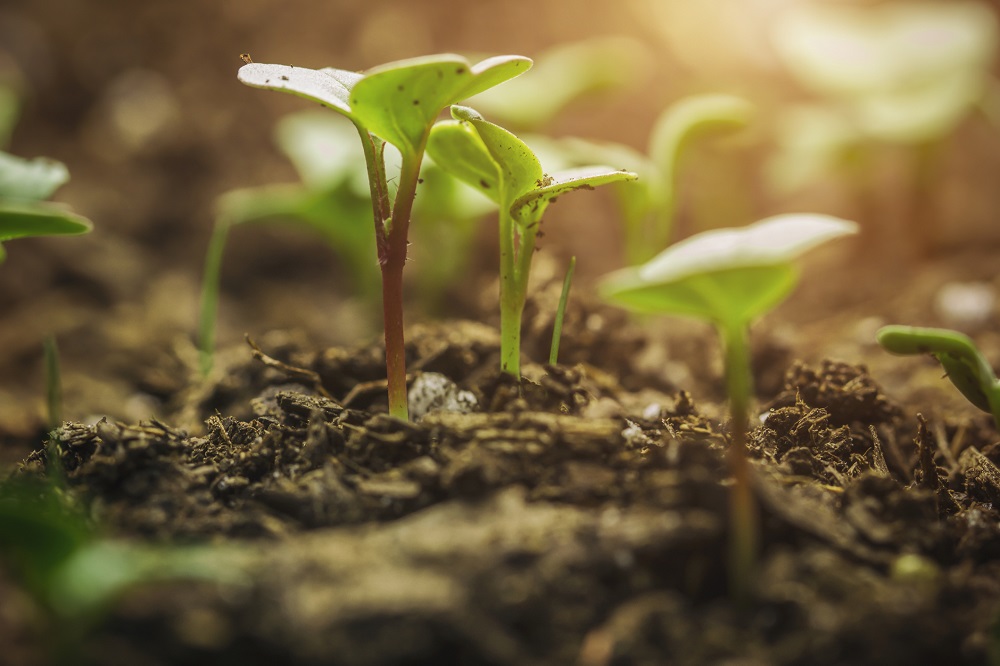
The soil beneath our feet is more than just dirt—it is a living system, a dynamic network of minerals, organic matter, and microorganisms that sustains life on Earth. Yet, decades of industrial activity, intensive agriculture, deforestation, and pollution have left vast tracts of land degraded, stripped of nutrients, and incapable of supporting vibrant ecosystems. Soil degradation is not merely an environmental concern; it is a socio-economic crisis, threatening food security, water quality, and biodiversity. The urgency to restore these lands has never been greater. Fortunately, modern science, combined with traditional ecological knowledge, offers a range of advanced techniques for soil remediation and ecosystem restoration, capable of breathing life back into even the most damaged landscapes.
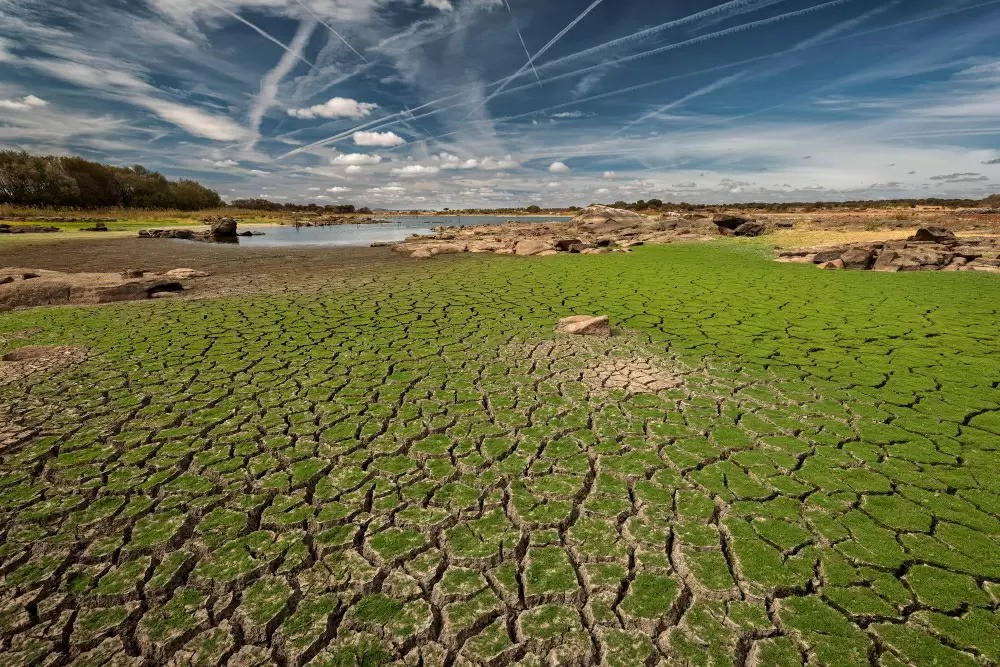
Understanding Soil Degradation
Before diving into remediation methods, it is essential to grasp the scale and nature of soil degradation. Degradation manifests in several ways: erosion, nutrient depletion, compaction, salinization, and contamination by heavy metals, pesticides, or industrial chemicals. Each type of degradation carries its own challenges. For instance, erosion physically removes the fertile topsoil, while chemical contamination can render soil toxic to plants and microorganisms for decades. Often, degraded soils exhibit multiple problems simultaneously, creating a complex puzzle for environmental scientists and land managers to solve.
Understanding the underlying causes is also critical. Unsustainable farming practices, such as over-tilling and monocropping, strip soils of organic matter and microbial diversity. Industrial activities deposit harmful pollutants, while urban expansion often seals fertile lands under asphalt. Climate change exacerbates the problem, altering precipitation patterns and intensifying extreme weather events, which accelerates erosion and nutrient loss. In essence, degraded land is not just a broken landscape; it is a living system in crisis, demanding holistic, science-driven interventions.
Phytoremediation: Nature’s Green Solution
Among the most promising strategies for restoring degraded soils is phytoremediation, a technique that leverages the natural abilities of plants to detoxify, stabilize, or extract pollutants. Certain plant species have evolved to thrive in contaminated environments, absorbing heavy metals, hydrocarbons, or excess nutrients through their roots. Over time, these plants can reduce contaminant levels in the soil to safe thresholds, making the land suitable for other vegetation.
Phytoremediation is particularly attractive because it is eco-friendly, cost-effective, and visually transformative. Fields once barren can slowly transform into green carpets, signaling the first stages of ecological recovery. Additionally, the process promotes soil structure improvement, enhances microbial activity, and prevents erosion, making it a holistic approach to land rehabilitation. Innovations in biotechnology have further expanded phytoremediation’s potential. Scientists are developing genetically enhanced plants capable of absorbing pollutants more efficiently or surviving in harsher conditions, broadening the range of soils that can be restored.
Bioremediation: Harnessing Microbial Power
While plants play a vital role, the microscopic life in soil often holds the key to its full recovery. Bioremediation, the use of bacteria, fungi, and other microorganisms to break down or neutralize contaminants, has emerged as a cornerstone of modern soil restoration. Microbes naturally metabolize organic pollutants, heavy metals, and even some synthetic chemicals, converting harmful substances into harmless compounds.
The beauty of bioremediation lies in its versatility. Techniques such as bioaugmentation introduce specialized microbial strains to contaminated soils, while biostimulation encourages native microbes to proliferate by providing nutrients or optimizing environmental conditions. In many cases, combining phytoremediation with bioremediation yields synergistic effects: plants stabilize the soil and provide root exudates that feed microbes, while microbes accelerate the breakdown of pollutants, creating a dynamic, self-reinforcing recovery process.
Soil Amendments: Rebuilding the Foundation
Restoring degraded soil often requires more than removing contaminants—it demands replenishing the very building blocks of fertility. Soil amendments, including organic compost, biochar, and mineral supplements, are essential for rebuilding structure, improving water retention, and restoring nutrient balance. Organic matter, in particular, is a lifeline for degraded soils, feeding microbial communities and fostering the complex interactions necessary for healthy ecosystem function.
Advanced soil amendments go beyond traditional composting. Biochar, a carbon-rich product derived from plant material, not only improves soil fertility but also sequesters carbon, contributing to climate change mitigation. Mycorrhizal fungi inoculations enhance plant root networks, improving nutrient uptake and resilience. These interventions transform degraded lands from sterile substrates into living soils capable of supporting diverse plant and animal life.
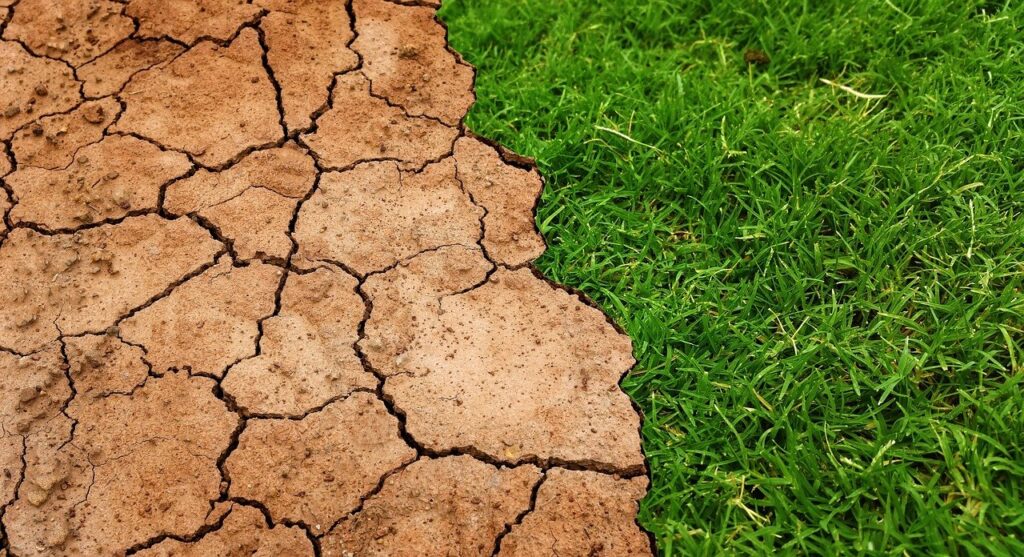
Erosion Control: Protecting the Gains
Even the most carefully remediated soil is vulnerable if erosion is not managed. Degraded lands, with weakened structure and sparse vegetation, are particularly susceptible to wind and water erosion. Advanced erosion control techniques, including terracing, contour farming, and vegetative barriers, are critical to safeguarding restoration efforts.
In addition to preventing soil loss, erosion control measures create microhabitats for plants and wildlife. Cover crops, perennial grasses, and hedgerows act as natural buffers, reducing runoff, enhancing water infiltration, and providing shelter for beneficial insects and birds. Over time, these interventions create a self-sustaining landscape, where natural processes reinforce soil stability and fertility.
Integrated Land Management: A Holistic Approach
No single technique can restore a degraded landscape on its own. Integrated land management, which combines remediation, soil amendment, vegetation restoration, and sustainable land use practices, offers the most effective pathway to ecological recovery. This approach recognizes that soil, water, plants, and human activity are interconnected. By coordinating interventions, land managers can accelerate recovery, reduce costs, and create resilient ecosystems capable of adapting to future challenges.
An integrated approach often includes crop rotation, agroforestry, controlled grazing, and water management. These practices not only prevent further degradation but also enhance ecosystem services, such as carbon sequestration, pollination, and biodiversity support. Communities that adopt integrated land management benefit not only environmentally but economically, as restored lands become productive, sustainable sources of food, fiber, and timber.
Case Studies in Successful Soil Remediation
Around the world, degraded lands are being transformed into thriving ecosystems through advanced soil remediation techniques. In China, the Loess Plateau, once plagued by severe erosion, has been rejuvenated through terracing, reforestation, and sustainable agriculture, resulting in improved soil fertility, reduced sediment runoff, and enhanced livelihoods for local communities.
In Europe, post-industrial sites contaminated with heavy metals are being restored using a combination of phytoremediation and bioaugmentation, demonstrating that even heavily polluted soils can return to ecological health. In Africa, degraded savannas are being rehabilitated with integrated land management strategies, incorporating local knowledge, drought-resistant crops, and soil amendments to restore productivity and biodiversity. These examples highlight that with the right combination of science, policy, and community engagement, degraded lands can be brought back to life.
The Role of Policy and Community Engagement
Advanced techniques alone are not sufficient; the success of soil remediation depends on supportive policies and active community participation. Governments can incentivize restoration through subsidies, technical support, and enforcement of sustainable land use regulations. Communities, in turn, provide local knowledge, labor, and stewardship, ensuring that interventions are culturally appropriate and ecologically effective.
Education plays a crucial role in fostering a sense of ownership and long-term commitment. When local stakeholders understand the science behind soil remediation and witness the tangible benefits of restored lands—fertile fields, cleaner water, increased biodiversity—they become advocates for conservation, creating a virtuous cycle of environmental stewardship.
Future Directions: Innovation and Sustainability
The field of soil remediation continues to evolve rapidly, driven by innovation in biotechnology, materials science, and data analytics. Remote sensing, drones, and AI-powered soil monitoring enable precise assessment of degradation, guiding targeted interventions. Genetic engineering and synthetic biology offer new possibilities for designing plants and microbes capable of thriving in extreme conditions and detoxifying contaminated soils more efficiently.
Sustainability remains the guiding principle. The ultimate goal is not merely to remediate soils temporarily but to create resilient ecosystems capable of self-regeneration. By combining scientific innovation with ecological principles and community engagement, humanity can transform degraded lands from symbols of loss into beacons of recovery, ensuring that future generations inherit fertile, thriving landscapes.
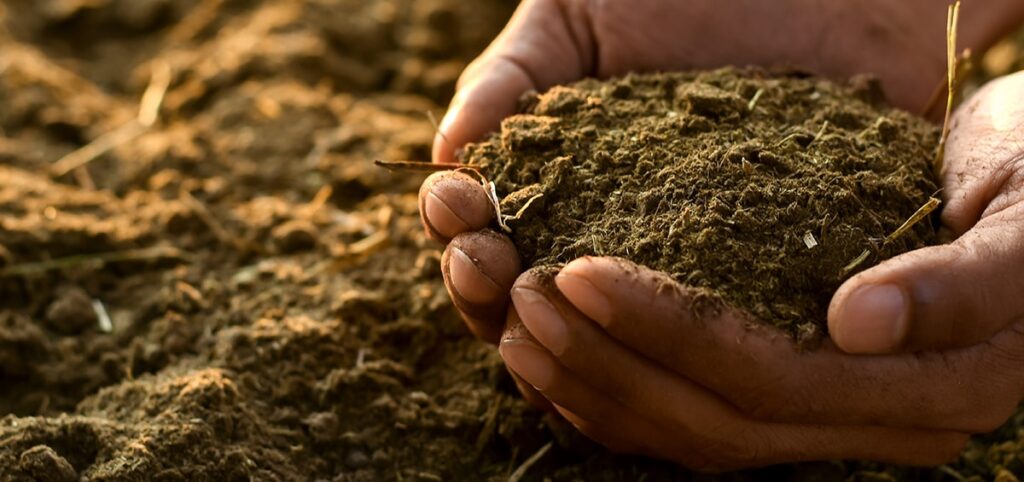
Conclusion
Reviving degraded lands is one of the most urgent and complex environmental challenges of our time. The good news is that science and traditional knowledge provide a rich toolbox of techniques—from phytoremediation and bioremediation to soil amendments, erosion control, and integrated land management—that can restore fertility, biodiversity, and resilience. The journey is not easy, and results often take years, but the rewards are profound: healthier ecosystems, improved livelihoods, and a more sustainable planet.
Ultimately, the restoration of soil is a restoration of life itself. Each plant that grows, each microbe that thrives, and each drop of water that infiltrates once-barren soil represents hope. With concerted effort, innovative strategies, and community engagement, degraded lands can return to productivity and beauty, proving that the Earth, though wounded, is never beyond healing.